Deep dive into the science, types, and benefits of cosmetic fluids used in beauty products for skin, hair, and makeup care.
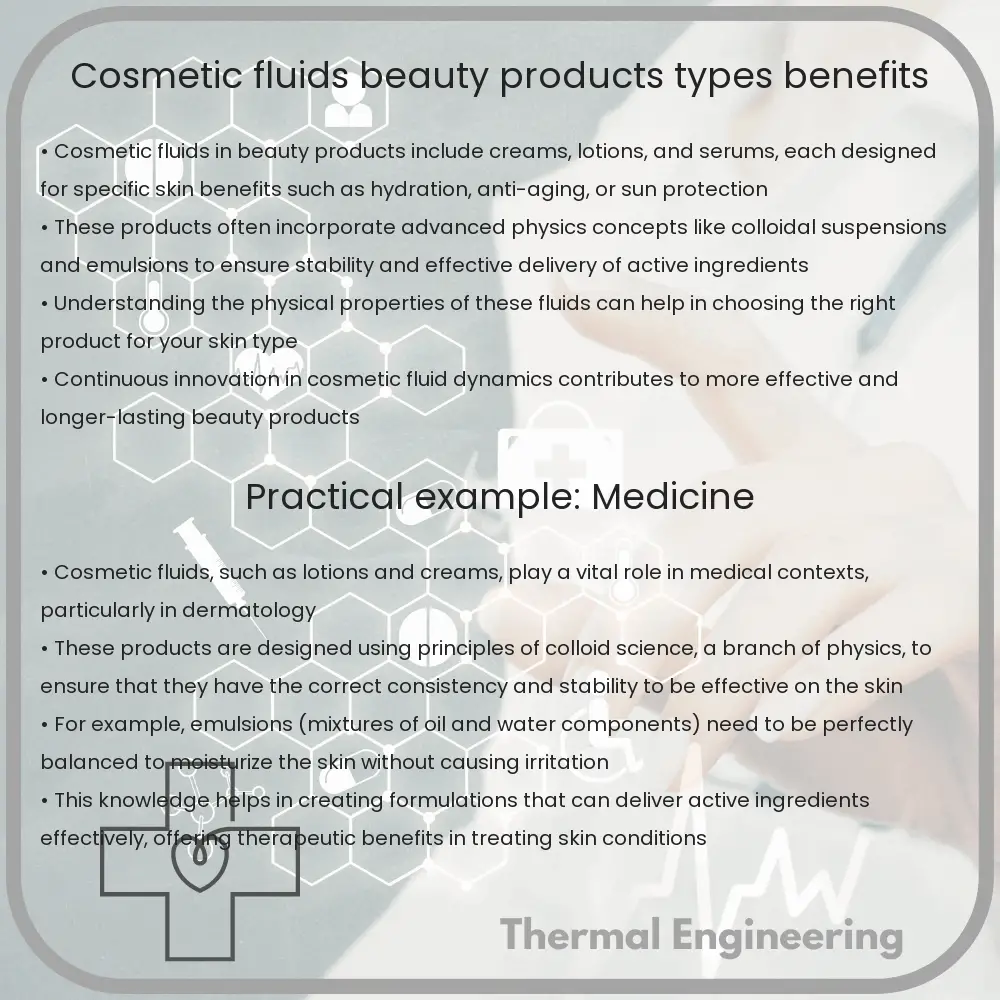
Understanding Cosmetic Fluids: Composition, Types, and Benefits
Cosmetic fluids are integral to a wide variety of beauty products, playing crucial roles in skincare, makeup, and hair care. These formulations, ranging in consistency from thick creams to light mists, offer diverse benefits and functionalities. This article explores the fundamental aspects of cosmetic fluids, their different types, and the benefits they bring to personal care routines.
What Are Cosmetic Fluids?
At their core, cosmetic fluids are mixtures primarily composed of water and oil, blended with emulsifiers, preservatives, active ingredients, and fragrances. The science of formulating these fluids focuses on achieving desired textures, stability, and efficacy in delivering active ingredients to the skin or hair. Emulsifiers play a pivotal role as these are agents that enable the stable mixing of oil and water, which naturally tend to separate.
Types of Cosmetic Fluids
- Lotions: These are light fluids typically used in skin moisturizers and body creams. They often contain a higher proportion of water to oil, which makes them less greasy and more easily absorbed.
- Ointments: Heavier and richer than lotions, ointments contain a greater concentration of oil, making them ideal for deeply moisturizing dry areas.
- Serums: These are highly concentrated fluids designed for use on the face. They are formulated to deliver a high concentration of active ingredients and are used for specific purposes like anti-aging, brightening, or hydrating.
- Suspensions: This type involves solid particles suspended in a liquid. Suspensions are common in sunscreen and acne treatment products where active ingredients need to be evenly distributed but not dissolved.
- Solutions: Comprising a solvent (like water) and a solute (such as salicylic acid), solutions are clear and homogeneous. They are typical in toners and other facial products.
- Emulsions: These are complex mixtures involving two immiscible substances like oil and water. Depending on the droplet sizes and stabilization, emulsions can be classified into lotions or creams.
Benefits of Cosmetic Fluids
Cosmetic fluids serve multiple functions in personal care. Below are some of the key benefits they offer:
- Hydration: Ingredients like hyaluronic acid and glycerin in cosmetic fluids can significantly increase skin’s moisture content, reducing dryness and enhancing skin’s overall health.
- Protection: Many fluids incorporate SPF, antioxidants, or other compounds that protect the skin from environmental factors like sun damage, pollution, and free radicals.
- Anti-aging: With active ingredients such as retinoids and peptides, certain cosmetic fluids can help reduce the appearance of wrinkles and fine lines, promoting a more youthful complexion.
- Treatment of Skin Conditions: Specialized fluids contain therapeutic agents tailored for specific conditions like acne, eczema, or rosacea, helping to manage symptoms effectively.
- Enhanced Appearance: Some fluids are designed to improve the appearance of skin instantly, offering brightening or color-correcting effects, while others might provide a matte or dewy finish depending on the user’s needs.
Conclusion
Cosmetic fluids are vital components in the beauty and personal care industry, offering varied formulations to cater to different skin types and concerns. Understanding the types and benefits of these products not only enhances one’s personal care regimen but also helps to make informed decisions about skin health and aesthetic preferences. With ongoing advancements in cosmetic science, the future of cosmetic fluids promises even more innovative and efficacious solutions for users worldwide.