Learn about electrical insulating materials, their types, properties, and critical role in enhancing safety and preventing heat buildup in electrical systems.
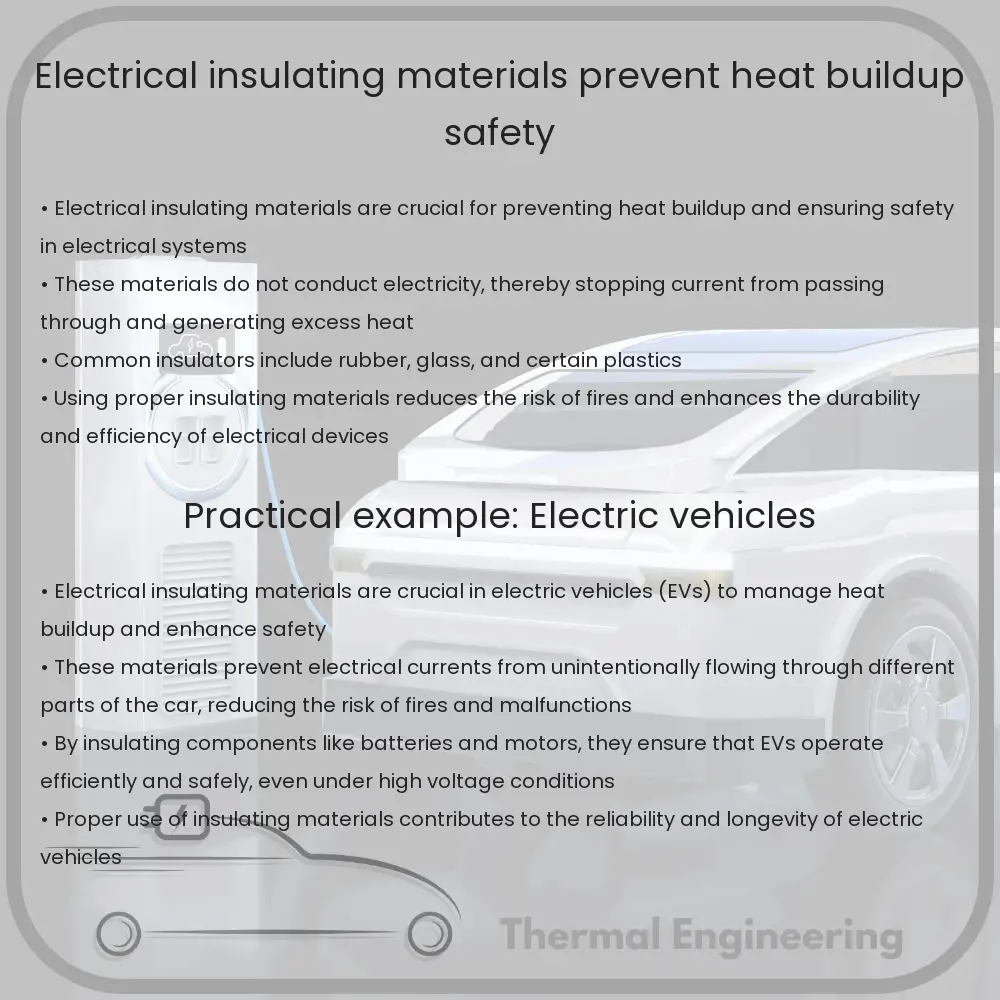
Understanding Electrical Insulating Materials: The Guardians Against Heat Buildup and Enhancers of Safety
Electrical insulating materials play a critical role in the safe and efficient function of electrical systems. These materials prevent the unwanted flow of electricity, thereby avoiding hazards such as short circuits and fires, which can be caused by heat buildup. This article aims to explore the various types of electrical insulating materials, their properties, and how they contribute to overall electrical safety.
What are Electrical Insulating Materials?
Electrical insulating materials are substances that inhibit the flow of electric current. An ideal insulating material is characterized by a high resistivity, usually in the order of 1012 ohms per meter or higher. These materials are essential in any electrical system to separate conductors and to keep electricity flowing where it is supposed to go.
Common Types of Electrical Insulating Materials
- Plastics: Widely used due to their excellent insulating properties, flexibility, and durability. Examples include PVC (Polyvinyl Chloride) and PE (Polyethylene).
- Ceramics: Known for high heat and wear resistance, ceramics are often used in applications involving high temperatures. Porcelain and steatite are common examples.
- Rubber: Natural and synthetic rubbers are used where flexibility and elasticity are needed, such as in insulating gloves and gaskets.
- Glass: Although brittle, glass is an excellent insulator at high temperatures and is often used in bulb manufacturing and other high-heat environments.
- Mica: Known for its thermal resistance, mica is common in applications where heat buildup is a significant concern, such as in heating appliances.
Role of Insulating Materials in Preventing Heat Buildup
Heat buildup in electrical systems is primarily due to resistance within conductors, which converts electrical energy into thermal energy. Insulating materials surround these conductors, reducing the amount of heat that is transferred to surrounding components and thus preserving the integrity of the entire system. By containing and managing the heat generated, these materials help in maintaining the efficiency of the electrical systems and prolonging their lifespan.
Safety Enhancement Through Insulation
One of the paramount reasons for using electrical insulation materials is enhancing safety by preventing electrical shocks and fires. Insulation acts as a barrier between electrical currents and users, preventing any accidental contact with live electrical parts. Moreover, it helps in preventing short circuits which might occur if conductive parts were accidentally to come into contact with one another. Hence, proper insulation directly contributes to operational safety in residential, commercial, and industrial settings.
Advancements in Insulation Technology
In recent years, advancements in materials science have led to the development of insulating materials that are not only more effective but also more environmentally friendly. For instance, thermoplastic materials, which soften when heated and harden upon cooling, allow for easier recycling compared to traditional materials. Innovations such as nano-enhanced insulators, which incorporate nanotechnology to improve performance characteristics, are also on the rise.
Furthermore, ongoing research into better materials ensures that future electrical systems will continue to become safer and more efficient, minimizing energy loss and hazards related to electricity usage.
Conclusion
Electrical insulating materials are indispensable in any electrical system, entrusted with the dual roles of enhancing both efficiency and safety. By effectively managing heat and preventing the flow of electricity where it isn’t needed, these materials prevent many of the hazards associated with electricity. As technology progresses, the continued development and refinement of insulating materials will play a crucial role in shaping a safer and more efficient electrical future.