Learn about engine oil’s role in wear protection, the various types available, and the optimal times for oil changes to enhance engine performance and longevity.
Understanding Engine Oil: Wear Protection, Types, and When to Change It
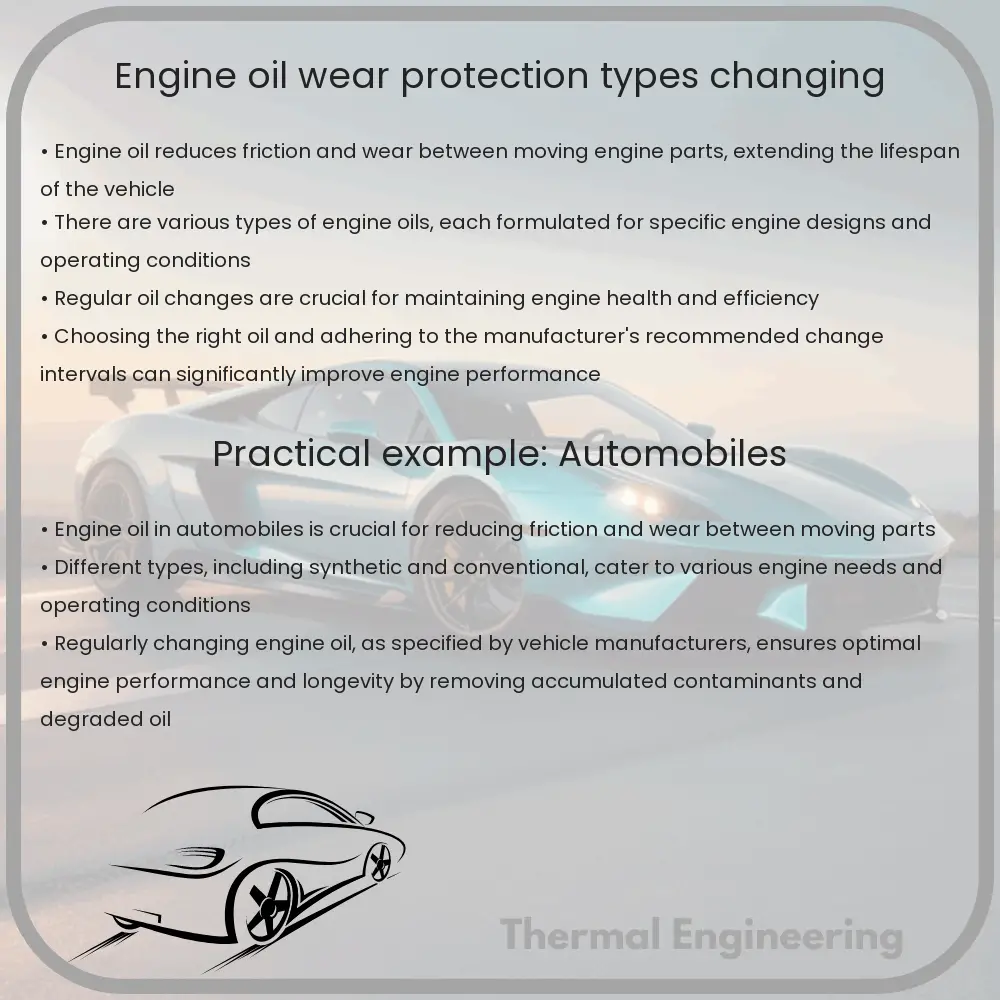
Engine oil is a vital component in maintaining the health and efficiency of every internal combustion engine. It serves multiple functions: lubricating engine parts, minimizing wear, removing heat from the engine, and preventing corrosion. Understanding the different types, the importance of wear protection, and knowing when to change engine oil can significantly enhance engine performance and longevity.
The Role of Engine Oil in Wear Protection
Engine oil creates a protective film between moving parts, reducing direct metal-to-metal contact, and thus minimizing wear and tear. As the engine operates, oil undergoes thermal and mechanical stresses. Over time, it loses its viscosity and the ability to form this protective film, which can lead to increased friction and accelerated wear. Additives in engine oil also help to clean the engine by removing impurities and inhibiting the formation of rust and corrosion.
Types of Engine Oil
- Conventional Oil: This is the standard oil derived directly from crude oil with various additives. It’s suitable for older vehicle models with simple engine designs and regular driving styles.
- Synthetic Oil: Created from chemical compounds, synthetic oil generally provides better performance at extreme temperatures and has a lower viscosity that works well for modern engines and in extreme driving conditions.
- Synthetic Blend Oil: This oil is a mix of conventional and synthetic oils, offering a balance between performance and cost-efficiency.
- High Mileage Oil: Specifically designed for cars with over 75,000 miles, high mileage oil contains additives tailored to aging engines to help reduce oil consumption, minimize leaks, and reduce emissions.
When to Change Engine Oil
The frequency with which you should change engine oil depends on the type of oil, the vehicle make and model, the driving environment, and your driving habits. Modern vehicles equipped with electronic oil-life monitoring systems can help determine the best time for a change, but there are general guidelines you can follow:
- Conventional Oil: Every 3,000 to 5,000 miles, or as recommended by the manufacturer.
- Synthetic Oil: Every 7,500 to 15,000 miles depending on the oil type and manufacturer recommendations.
- Synthetic Blend: Typically, somewhere between the intervals for conventional and full synthetic, around 5,000 to 7,500 miles.
- High Mileage Oil: Every 5,000 to 6,000 miles, taking special attention to any deterioration signs due to the older age of the engine.
In conclusion, engine oil is crucial for the efficient and long-lasting performance of engines. Choosing the right type of oil and adhering to suggested change intervals can prevent excessive wear and tear, save you on maintenance costs, and ensure that your vehicle runs smoothly. Always consult your vehicle’s owner manual or a professional mechanic for tailored advice regarding your specific vehicle and circumstances.