Learn about the critical role of fluid composition in vaporizers, including base components like PG and VG, active ingredients such as nicotine and cannabinoids, and safety considerations.
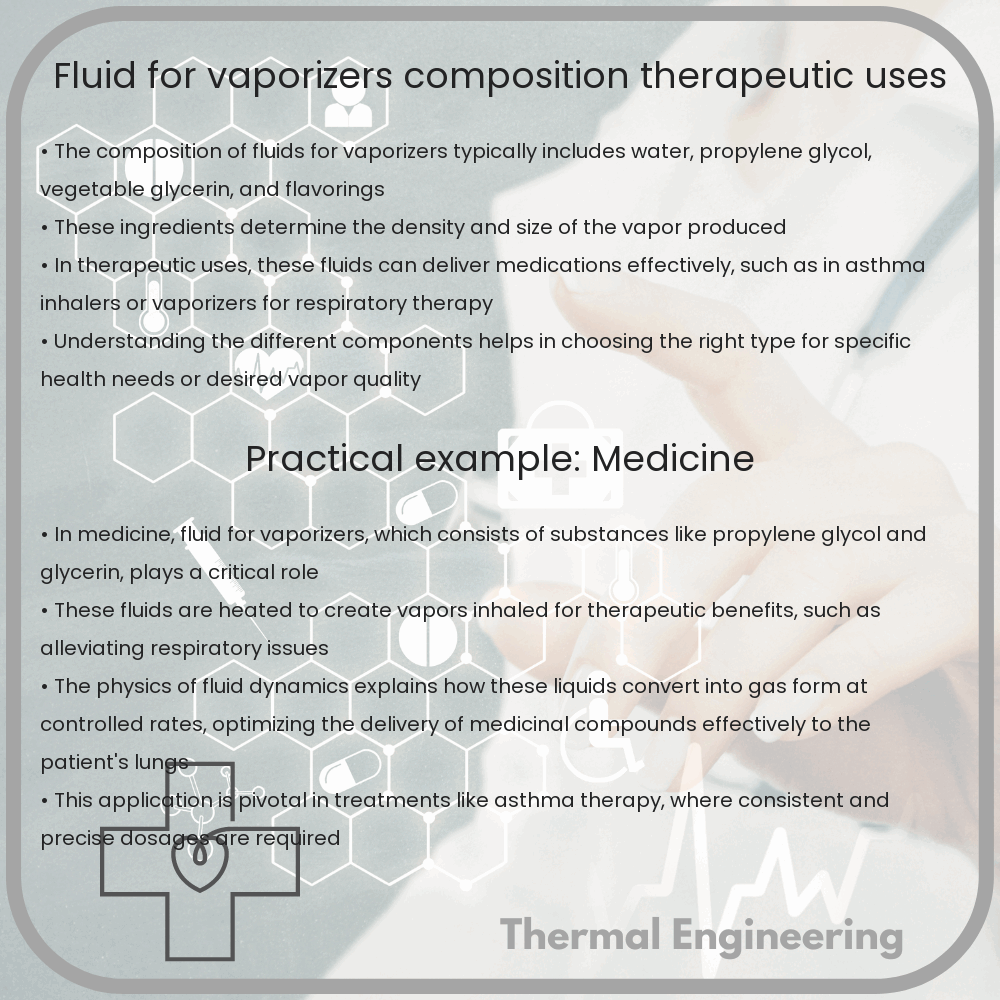
Composition of Fluids for Vaporizers
Vaporizers, commonly used in both medicinal and recreational settings, function by converting liquid substances into a vapor. The composition of the fluid used is critical for the efficiency and purpose of the vaporizer.
Base Components
The base of most vaporizer fluids generally consists of:
- Propylene Glycol (PG): A petroleum by-product that is colorless and nearly odorless. It is used primarily to provide the throat hit sensation similar to that of tobacco smoking.
- Vegetable Glycerin (VG): A natural chemical derived from vegetable oil, which is viscous and sweet. VG produces a thicker vapor cloud compared to PG.
Fluids for vaporizers can be composed entirely of one base or a combination of PG and VG in varying ratios, depending on the desired vapor density and throat hit.
Active Ingredients
Depending on their intended use, vaporizer fluids may contain several active ingredients, such as:
- Nicotine: Common in e-cigarettes, nicotine is added in varying strengths to meet the needs of users trying to manage nicotine cravings.
- Cannabinoids: Such as THC (tetrahydrocannabinol) and CBD (cannabidiol), prevalent in medicinal and recreational marijuana products.
- Essential oils: These are used for aromatherapy and therapeutic benefits. Popular oils include lavender, peppermint, and eucalyptus.
- Flavorings: A variety of artificial and natural flavorings are added to improve the taste and aroma of the vapor.
Safety Considerations
The safety of vaporizer fluids is crucial. Substances such as diacetyl, which has been linked to respiratory issues, are avoided in quality products. Manufacturers and regulators are working to ensure that all ingredients meet safety standards to minimize health risks.
Therapeutic Uses of Vaporizers
Vaporizers have found numerous applications in therapeutic settings, primarily due to their ability to deliver medication effectively and efficiently.
Nicotine Replacement Therapy
In the fight against tobacco addiction, vaporizers are used as a form of nicotine replacement therapy (NRT). By adjusting the nicotine level in the fluid, individuals can gradually reduce their dependence on nicotine.
Cannabis-Based Treatments
Vaporizers are frequently used in medical marijuana regimes. They provide a method to consume cannabinoids that is less harmful than smoking, as vaporizing produces fewer toxic by-products.
- Pain Management: Vaporized cannabis is used to manage chronic pain, especially where traditional pain medications are ineffective or lead to undesirable side effects.
- Epilepsy: CBD-rich fluids are beneficial in reducing the frequency and intensity of seizures in some forms of epilepsy.
- Mental Health Disorders: Conditions like anxiety and depression are sometimes treated with specific cannabinoid formulations.
Aromatherapy
Essential oils vaporized in liquid form can help with relaxation, mood enhancement, and stress reduction. Substances such as menthol and eucalyptus can also clear nasal passages, which aids in alleviating symptoms of colds and respiratory infections.
Conclusion
The fluid used in vaporizers plays a vital role in their functionality and the therapeutic benefits they provide. Understanding the composition and use of these fluids can enable users to make informed choices about their health and wellness. As the use of vaporizers continues to grow, further research and regulation will be essential to ensure their safe and effective use.