Learn about heat exchanger fouling, its causes like biological, chemical, and particulate deposits, and effective prevention strategies.
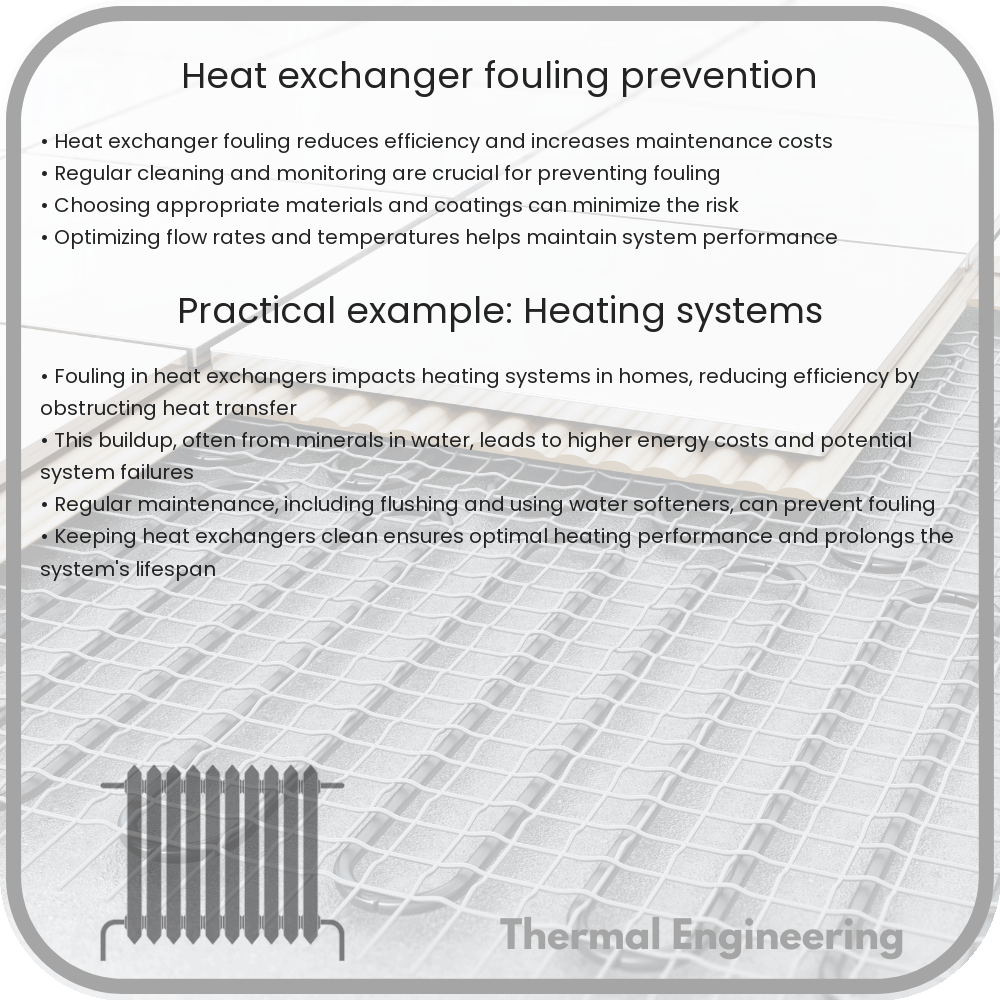
Understanding and Preventing Heat Exchanger Fouling
Heat exchangers are critical components in industrial, residential, and environmental systems, facilitating the transfer of heat between two or more fluids. However, the efficiency of heat exchangers can be severely compromised by a common issue known as fouling. Fouling refers to the accumulation of unwanted materials on the heat transfer surfaces, which can lead to reduced heat transfer, increased energy consumption, and potential equipment failure. In this article, we will explore the causes of heat exchanger fouling and discuss strategies to prevent it.
Causes of Heat Exchanger Fouling
Fouling in heat exchangers can occur due to various reasons, each associated with the type of substances involved and operational conditions. Some common causes include:
- Biological fouling: Accumulation of microorganisms, plants, algae, or biofilms that can thrive in certain temperatures and nutrient-rich environments.
- Chemical fouling: Formation of deposits from chemical reactions, typically occurring in boilers, evaporators, or coolers where temperature changes are significant.
- Particulate fouling: Caused by particles suspended in the fluids, which settle out on the heat transfer surfaces due to insufficient velocity or turbulence to keep them suspended.
- Corrosion fouling: Results from chemical reactions between the heat transfer surface and the fluid, leading to corrosion products building up on the surface.
Strategies for Preventing Heat Exchanger Fouling
Effective measures to prevent fouling are essential for maintaining the efficiency, reliability, and longevity of heat exchangers. Some practical strategies include:
- Proper Material Selection: Choosing appropriate materials for both the heat exchanger and the fluids involved can significantly reduce corrosion and chemical fouling.
- Control of Fluid Velocity: Maintaining optimal fluid velocity helps minimize particulate and biological fouling by reducing sedimentation and discouraging biofilm formation.
- Temperature Control: Regulating the temperature within specific limits can prevent the chemical reactions that lead to fouling.
- Chemical Treatment: Adding inhibitors or biocides to the fluids can control chemical and biological fouling.
- Regular Cleaning and Maintenance: Scheduled cleaning and maintenance are crucial to remove fouling deposits before they accumulate and lead to severe blockages or damages.
- Fouling Resistant Design: Designing heat exchangers with features such as corrugated plates or enhanced surface coatings can reduce the surface area available for fouling and ease cleaning efforts.
Conclusion
Fouling in heat exchangers is a pervasive issue that can degrade the performance and efficiency of heat transfer processes. By understanding the causes of fouling and implementing effective prevention strategies, operators can significantly enhance the operational stability and economic performance of heat exchangers. Regular monitoring and maintenance aligned with the right material and design choices form a comprehensive approach to managing fouling in heat exchanger systems.
This knowledge serves as a foundation for industries relying on heat exchangers, ensuring that these critical components continue to operate efficiently and reliably in various applications.