Learn how radiators use convection, material properties, and design features to efficiently heat rooms.
How Do Radiators Heat Rooms Efficiently?
Radiators are a common feature in many homes, particularly in regions that experience cold weather. But how exactly do these relatively simple devices efficiently heat up a room? Understanding the basic concepts of heat transfer and the design of radiators can shed light on how they effectively distribute warmth throughout indoor spaces.
The Basics of Radiator Operation
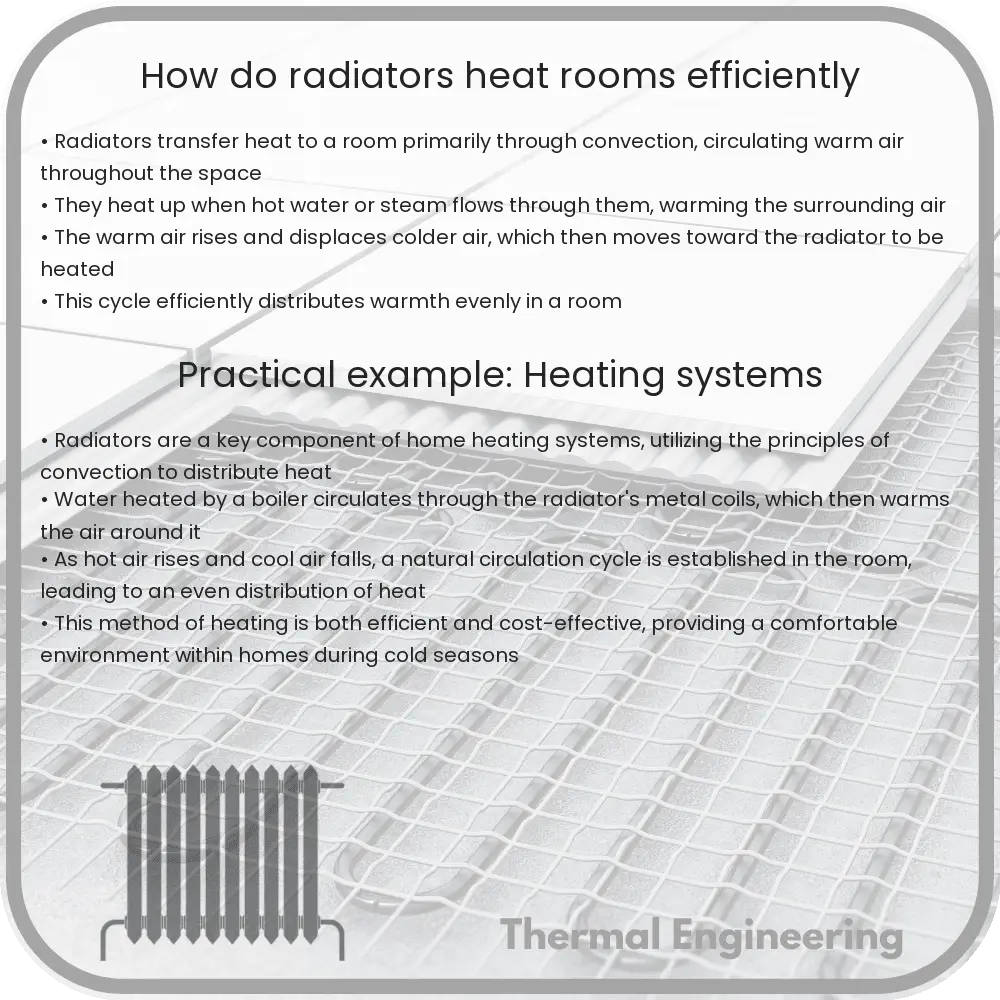
Radiators work primarily through a process called convection heating. Here is the step-by-step process of how a radiator operates:
- Heating the water: Radiators are typically connected to a boiler where water is heated. This hot water is then pumped through a closed piping system to the radiators.
- Emitting heat: As hot water enters the radiator, the heat from the water is transferred to the metal surface of the radiator through a process called conduction.
- Convection currents: Once the radiator itself heats up, it heats the air around it. The warm air rises and cooler air moves in to take its place, creating a natural circulation called convection. This process helps distribute warm air throughout the room.
This cycle continues, with the radiator repeatedly heating the air surrounding it, thereby warming up the room efficiently and steadily.
Design Features That Enhance Efficiency
The design of a radiator can significantly impact its efficiency. Some key features include:
- Material: Radiators are usually made from metals like steel, aluminum, or cast iron, which are excellent conductors of heat. Aluminum, for instance, heats up quickly and is lightweight, while cast iron retains heat for longer periods.
- Surface area: The more surface area a radiator has, the more heated air can circulate around it. Manufacturers often design radiators with fins or columns that increase surface area, promoting better heat distribution.
- Placement: Proper placement of a radiator can also affect its efficiency. Ideally, radiators should be placed under windows or on external walls to counteract the cold air from outside. This positioning helps create a thermal curtain that enhances the convection process.
Advanced Technologies in Radiator Design
In addition to traditional designs, modern radiators incorporate advanced technologies to improve efficiency:
- Thermostatic Radiator Valves (TRVs): These allow for automatic adjustment of the heat output based on the room’s temperature, reducing energy consumption and enhancing comfort.
- Low water content radiators: These radiators heat up and cool down faster than traditional designs, providing a quicker response to changes in heating demand and enhancing overall energy efficiency.
Conclusion
Radiators are more than just metal structures standing in the corner of a room. Their design and operation hinge on complex principles of thermodynamics and heat transfer. By optimally transferring heat from hot water to the room via convection and employing materials and designs that maximize heat distribution, radiators can effectively and efficiently warm spaces, creating comfortable living and working environments, especially in cold climates.
Understanding the science behind radiator efficiency not just aids in appreciating the engineering but can also guide better usage and maintenance practices, leading to more sustainable and cost-effective home heating solutions.