Explore how thermal conditioning influences athletic performance by adapting to hot and cold environments, enhancing safety and efficiency.
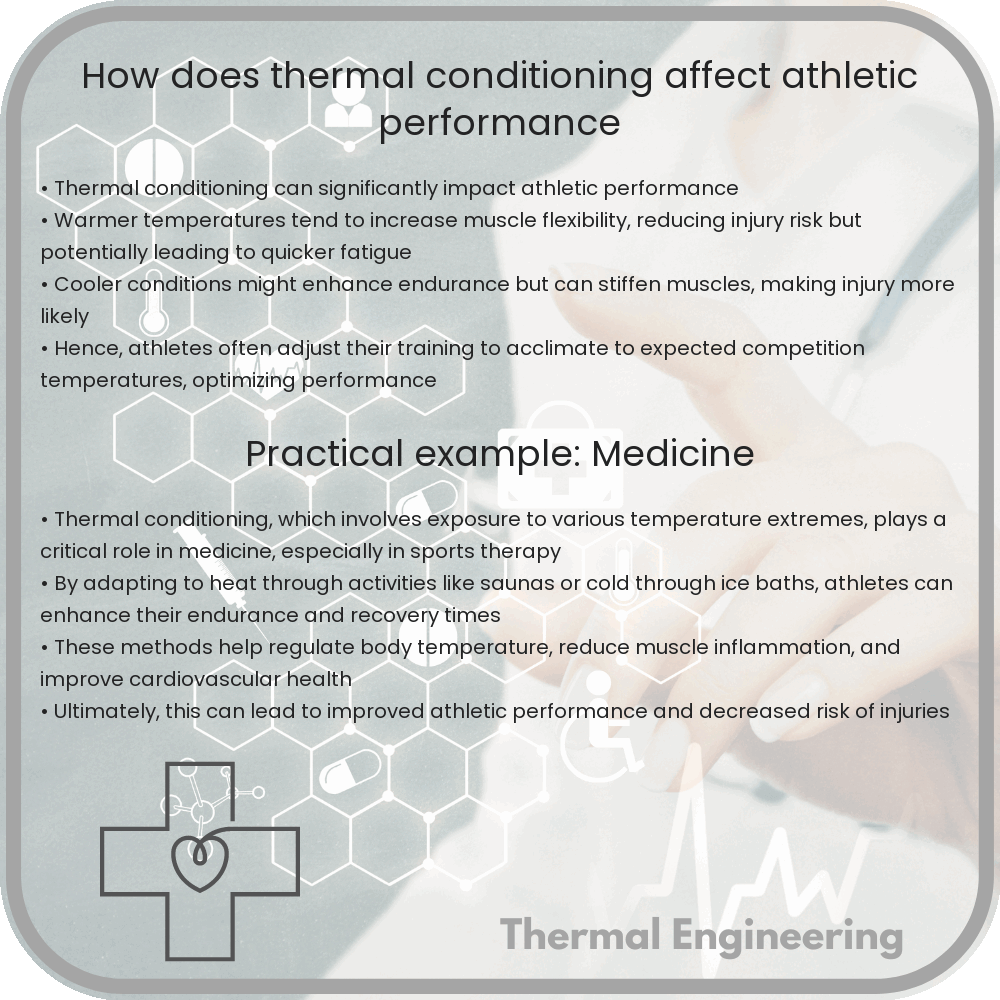
The Impact of Thermal Conditioning on Athletic Performance
Thermal conditioning—referring to the regulation or acclimatization of an athlete to different thermal environments (hot or cold)—is a significant factor affecting sports performance and safety. Whether preparing for competition in adverse weather conditions or optimizing comfort, understanding thermal effects is crucial for peak athletic output.
Understanding the Basics of Thermal Conditioning
Thermal conditioning typically involves exposing athletes to hot or cold environments as part of their training regimen. This exposure aims to trigger physiological adaptations that enhance the body’s ability to perform under similar environmental stressors during actual competitions.
- Heat Acclimatization: This prepares athletes for performance in hot conditions. Techniques include training in heated environments or using extra clothing to increase body temperature.
- Cold Acclimatization: This involves training in cold environments, which can help athletes perform better in low-temperature situations by improving the body’s thermal retention and reducing the risk of hypothermia.
Physiological Responses and Adaptations
Several key physiological adaptations occur with thermal conditioning:
- Cardiovascular Adjustments: Acclimatization helps in improving blood plasma volume, cardiac output, and sweat rate, leading to better temperature regulation.
- Metabolic Changes: In colder environments, metabolism may increase to produce more heat and maintain body temperature, whereas in hotter conditions, enhanced efficiency in heat dissipation is observed.
- Enhanced Cooling: Heat acclimatization increases total body water, sweat rate, and skin blood flow, enhancing the heat loss mechanisms through evaporation and convection.
Impact on Performance
The effectiveness of thermal conditioning can directly influence athletic performance:
- Endurance: Training in hot climates improves an athlete’s endurance by optimizing cardiovascular functions and thermal balance.
- Strength and Power: Cold environments can enhance strength and power outputs in some athletes by improving neuromuscular reactions and reducing the risk of overheating.
- Recovery: Proper thermal management post-exercise can greatly influence recovery times, reducing muscle soreness and improving subsequent performance readiness.
Applications in Sports
Sports teams across various disciplines use thermal conditioning to prepare athletes. For instance:
- Marathon runners may train in heat for races anticipated to be held in warm climates to improve their heat tolerance and fluid balance.
- Skiing and snowboarding athletes frequently engage in cold air training to acclimate their bodies to harsh, frigid conditions they might face during competitions.
- Football and soccer teams may use climatic chambers that simulate different environmental conditions to prepare players for the varying weather conditions they may encounter in away games.
Conclusion
Thermal conditioning is a vital aspect of athletics that can dramatically affect performance and safety. By optimizing the body’s physiological responses to extreme temperatures, athletes can greatly enhance their overall efficiency and capability in their sports. Incorporating targeted thermal training into regular athletic preparation is proven to provide strategic advantages, making it an essential practice in modern sports science.