Learn about non-clog pumps, designed for efficient handling of wastewater and solids without clogging in various challenging environments.
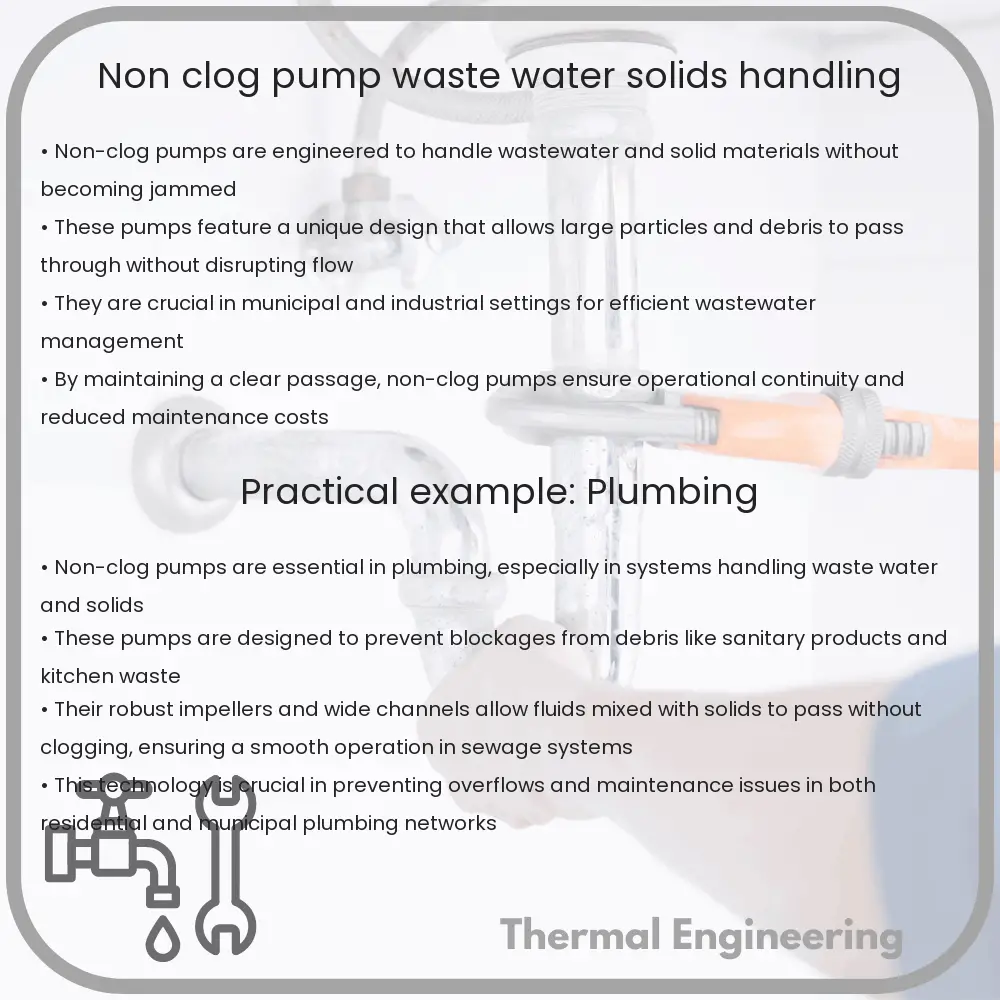
Understanding Non-Clog Pumps: Essential for Waste Water & Solids Handling
When it comes to managing waste water and solid disposals in municipal, industrial, and agricultural applications, non-clog pumps are invaluable. These pumps are specifically designed to handle materials that would typically clog other pump systems, ensuring an efficient and reliable flow of waste water and suspension of solids.
Design and Operation of Non-Clog Pumps
Non-clog pumps are a type of centrifugal pump, characterized by their ability to pass solid materials without clogging. Their design incorporates several unique features to combat the challenges posed by solids-laden media:
- Larger Impeller Passages: The impellers of non-clog pumps have large, open channels that allow solids and fibrous materials to pass through without snagging or binding.
- Volute Casing: The casing design is typically more robust and features a volute shape to efficiently handle heavy, solid-laden fluids.
- Dynamically Balanced Impellers: These minimize vibrations and wear, which are crucial for maintaining the pump’s effectiveness and longevity in challenging environments.
Applications of Non-Clog Pumps
Non-clog pumps are extensively used in various applications where solid waste management is critical:
- Municipal Sewage Treatment: Handling raw sewage water that includes human waste, toilet paper, and other waste materials.
- Agriculture: Pumping slurry, manure, and other organic wastes in farming operations.
- Industrial: Used in chemical plants, food and beverage manufacturing, textile mills, and more, where pumps face viscous fluids and other solid residues.
- Flood Control: These pumps are crucial in quickly moving large volumes of water and mud that might contain branches, leaves, and other debris during floods.
Selection Criteria for Non-Clog Pumps
Selecting the right non-clog pump for a specific application involves considering several factors to ensure optimal performance and durability:
- Solid Handling Capacity: The size and type of solids the pump can handle should match the application’s requirements.
- Flow Rate: The required flow rate based on the volume of fluid and solids to be pumped.
- Material of Construction: Depending on the application, the pump materials should be resistant to abrasion and corrosion.
- Energy Efficiency: Considering the energy cost is essential, especially for applications requiring continuous pump operation.
Maintenance Tips for Non-Clog Pumps
Maintaining non-clog pumps is crucial for ensuring their longevity and efficiency in tough operational conditions:
- Regular Inspection: Check for wear and tear, especially on the impeller and sealing elements.
- Cleaning: Regularly clean the pump housing and impeller to prevent build-up which can affect performance.
- Lubrication: Ensure that bearings and other moving parts are adequately lubricated according to the manufacturer’s recommendations.
Conclusion
Non-clog pumps are critical components in managing waste water and solids effectively across various industries and applications. Understanding their design, operation, and maintenance not only helps in selecting the right pump but also ensures sustainable and efficient handling of some of the most challenging waste management tasks.