Learn about refrigerant leak detectors, key in maintaining HVAC efficiency, spotting leaks, and ensuring system health and compliance.
Understanding Refrigerant Leak Detectors in HVAC Maintenance
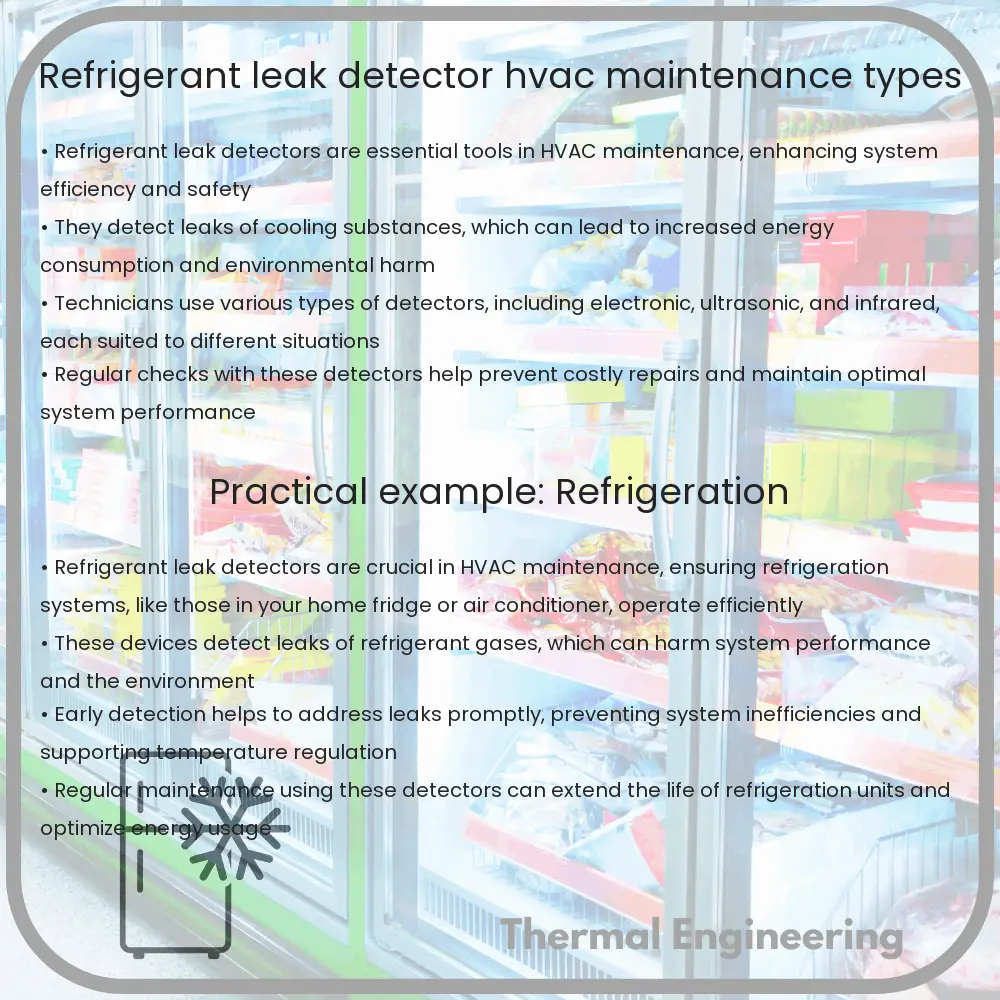
Maintaining an efficient HVAC (Heating, Ventilation, and Air Conditioning) system involves various tasks, among which detecting and repairing refrigerant leaks plays a crucial role. Refrigerant leaks not only affect the performance of HVAC systems but also pose environmental hazards and potentially increase energy costs. This is where refrigerant leak detectors become essential tools for HVAC technicians.
Types of Refrigerant Leak Detectors
Several technologies are used in refrigerant leak detectors, each with its own advantages and specific use cases. Here are the most common types:
- Electronic Detectors: These are the most widely used detectors. They work on the principle of measuring changes in conductivity that occur when halogen gases come in contact with an electrically charged sensor.
- Infrared (IR) Detectors: They detect leaks by absorbing infrared radiation. Refrigerants have unique absorption properties in the infrared spectrum, making IR detectors highly effective and sensitive.
- Ultrasonic Detectors: These units detect the sound of gas escaping from the system at frequencies beyond human hearing. They are highly useful in noisy environments where other types of detectors might fail.
- Dye Injection Kits: A fluorescent dye is injected into the refrigerant system, which escapes with the refrigerant at leak points. Using UV lamps, technicians can spot the leaks highlighted by the dye.
Signs of Refrigerant Leaks
Identifying refrigerant leaks early can save significant maintenance costs and prevent system inefficiency. Signs that indicate a potential leak include:
- Increased energy bills due to the HVAC system working harder to achieve desired temperatures.
- Inconsistent temperatures or reduced cooling capacity.
- Hissing or bubbling noises emanating from the HVAC unit, indicative of gas escaping.
- The presence of ice on the compressor, signifying irregular pressures and temperatures in the system.
The Importance of Timely Detection and Repair
The timely detection and repair of refrigerant leaks are vital for several reasons:
- Environmental Protection: Many refrigerants are potent greenhouse gases. Their release into the atmosphere contributes to global warming.
- Regulatory Compliance: Various international protocols and national regulations mandate the proper handling and containment of refrigerants to prevent emissions.
- Cost Efficiency: Operating an HVAC system with the correct amount of refrigerant optimizes its efficiency and reduces energy costs.
- System Longevity: Leaks can cause the compressor and other system components to work harder, leading to premature wear and failure.
Regular checks using appropriate refrigerant leak detectors not only comply with environmental guidelines but also ensure the efficient operation of the HVAC systems, contributing to overall energy management and system longevity.
Conclusion
Refrigerant leak detectors are indispensable tools in the arsenal of HVAC maintenance professionals. With various types available, choosing the right detector depends on the specific needs and conditions of the HVAC system. Regular maintenance using these tools not only fulfills legal obligations but also secures the sustainability and efficiency of the air conditioning units.
For those managing HVAC systems, understanding the function and importance of refrigerant leak detectors and the signs of refrigerant leaks could significantly enhance the performance and longevity of these critical systems.