Learn how thermal break windows enhance energy efficiency and comfort by reducing heat transfer and noise in modern buildings.
Understanding Thermal Break Windows
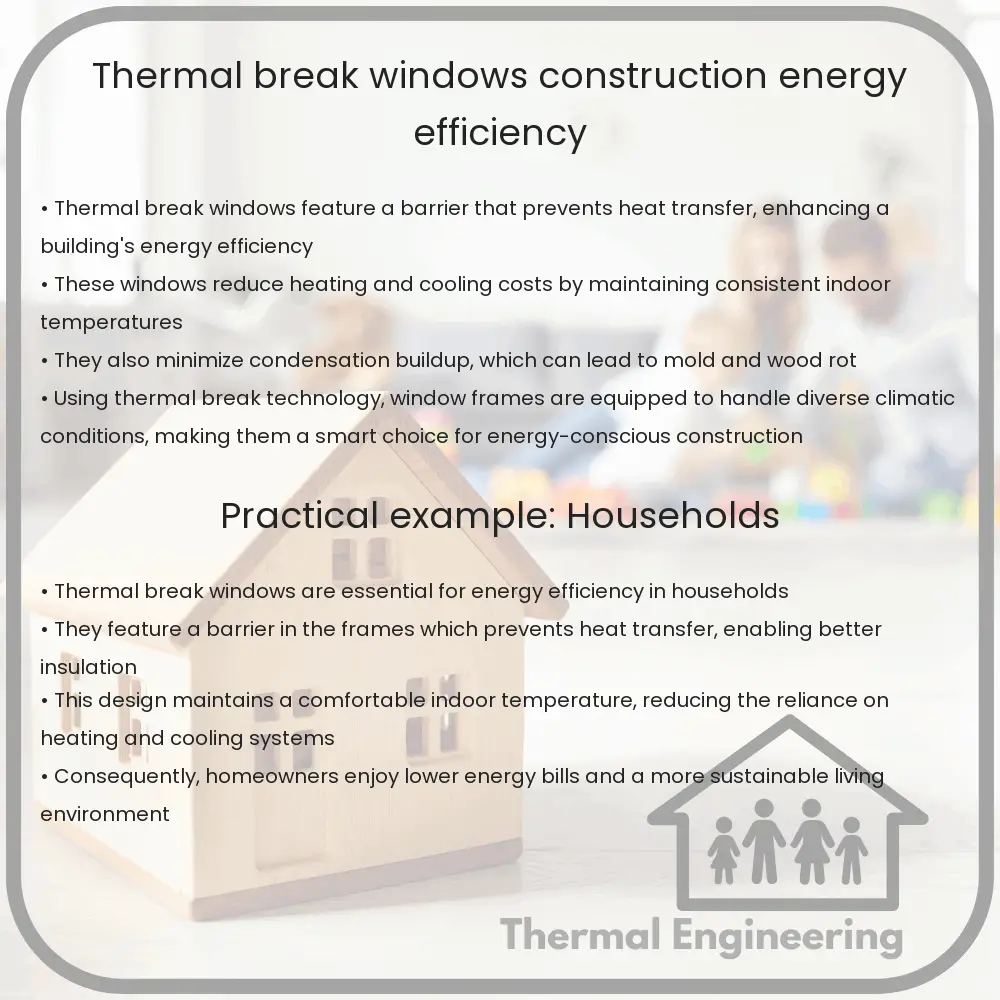
Thermal break windows are a modern advancement in window technology designed to improve energy efficiency and comfort in buildings. These windows play a crucial role in both residential and commercial structures by minimizing energy loss and reducing the influx of noise.
Construction of Thermal Break Windows
Thermal break windows incorporate a barrier between the inside and outside window frames that is made of a less conductive material. This intermediary material effectively interrupts the thermal pathway through the window frame. The most common materials used for thermal breaks are polyamide, reinforced polyurethane, and other insulating polymers, which have low thermal conductivity.
- Frames: Typically made from aluminum, which is strong and durable but has high thermal conductivity. The thermal break technology helps to overcome this disadvantage.
- Glazing: These windows usually feature double or triple glazing, with air or inert gas (like argon or krypton) sandwiched between the panes to reduce heat transfer.
- Seals: High-quality seals are crucial to prevent air leakage, further assisting in insulation.
Energy Efficiency of Thermal Break Windows
Thermal break windows help in maintaining consistent indoor temperatures by acting as a barrier to heat transfer. This energy efficiency is quantified through various ratings:
- U-value: This measures how well a window can keep out heat. The lower the U-value, the better the insulation properties of the window.
- R-value: Conversely, the R-value measures the resistance to heat flow. A higher R-value indicates better insulation and energy efficiency.
By reducing the demand on heating and cooling systems, thermal break windows lower energy consumption, leading to significant cost savings over time and a reduction in the carbon footprint of the building.
Benefits beyond Energy Efficiency
- Enhanced Comfort: Reduces drafts and cold spots around windows.
- Noise Reduction: The insulated glazing can markedly decrease the level of sound that enters a space from outside.
- Reduced Condensation: Helps in limiting condensation on window surfaces, which is beneficial in preventing mold growth and maintaining indoor air quality.
Implementation of thermal break technology in windows is a practical step towards enhancing building sustainability and occupant comfort. Whether you’re renovating old structures or designing new ones, incorporating thermal break windows is considered a best practice in modern construction.
Conclusion
Thermal break windows represent a significant stride forward in building technology, allowing not only for reductions in energy bills but also offering improvements in the overall environmental sustainability of construction projects. As such, they hold an essential place in contemporary architectural design considerate of energy conservation and environmental protection.