Learn about thermal curtains, their construction, functionality, and how they enhance home energy efficiency by minimizing heat transfer through windows.
Understanding Thermal Curtains and Their Role in Home Energy Efficiency
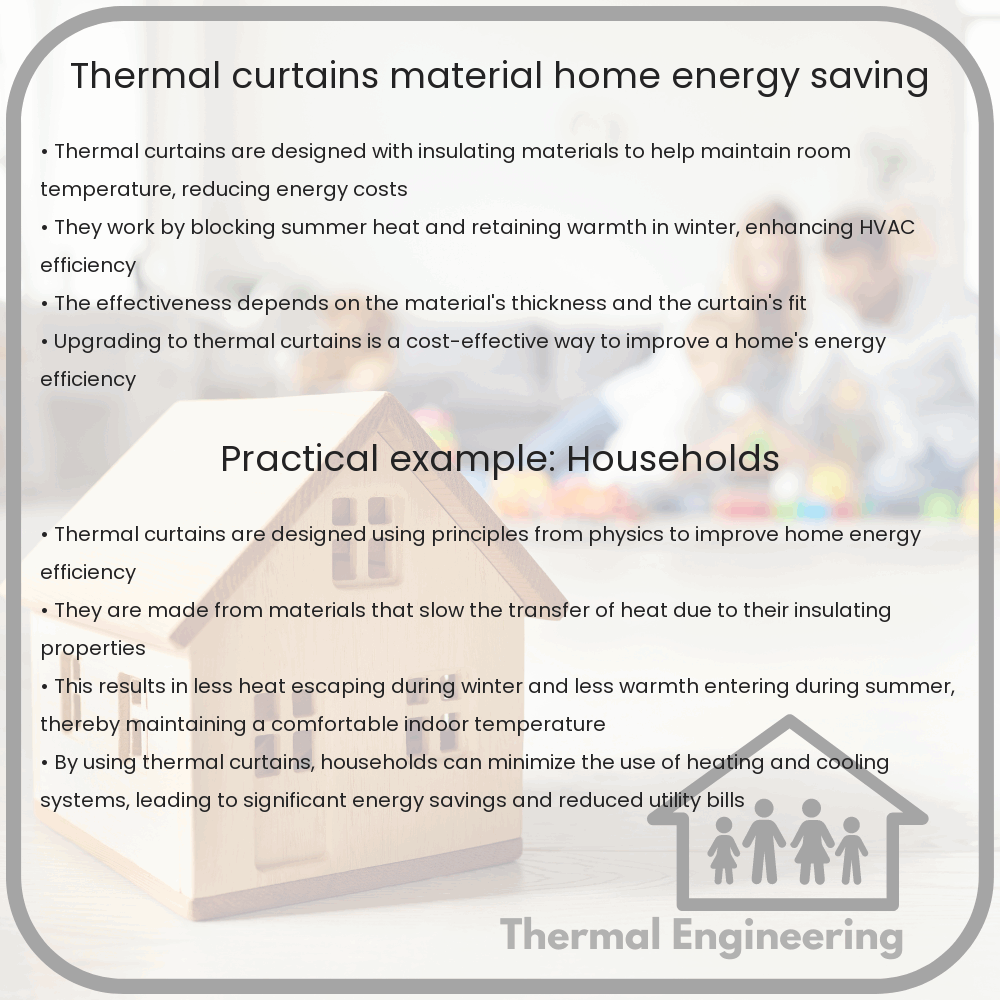
Thermal curtains are designed to provide significant energy savings by minimizing heat losses and gains through windows, which are one of the primary areas of thermal transfer in buildings. Their effectiveness is influenced by the materials used in their construction and the specific design features that these curtains incorporate. This article explores the materials, mechanisms, and benefits of using thermal curtains to improve home energy efficiency.
Materials Used in Thermal Curtains
The structure of thermal curtains is key to their functionality. Most thermal curtains are made from multiple layers including a dense fabric layer, a vapor barrier, and a reflective film. The choice of materials can vary, but here are the most common:
- Dense Fabric Layer: This is typically made from polyester or cotton, which serves to block air movement and reduce heat exchange.
- Vapor Barrier: This middle layer is often made of foam or a similar material that helps prevent moisture transmission, which is crucial for reducing condensation and associated heat loss.
- Reflective Film: Sometimes integrated as the innermost layer, this film reflects radiant heat back into the room during winter and away from the room during the summer, thus maintaining the desired temperature.
How Thermal Curtains Save Energy
Thermal curtains contribute to energy savings through two primary mechanisms:
- Insulation: By creating a barrier against the cold or heat, thermal curtains reduce the amount of energy needed to maintain a comfortable indoor temperature. This is possible due to the low thermal conductivity of the materials used, which minimizes the rate of heat transfer.
- Reflection of Radiant Heat: The reflective films in some thermal curtain designs help keep heat inside during the winter and outside during the summer. This reflective capability further enhances the overall insulating properties.
The combination of these mechanisms can reduce the energy required for heating and cooling, which not only saves money but also minimizes the environmental impact associated with excessive energy use.
Measuring the Effectiveness of Thermal Curtains
The effectiveness of thermal curtains in energy conservation can be measured through the R-value, which is a measure of thermal resistance. The higher the R-value, the better the material’s insulative properties. Typical values for thermal curtains can range anywhere from 0.5 to 3.0 or higher, depending on the construction and materials. Another metric, the U-factor, indicates the rate of heat transfer; a lower U-factor signifies better insulation and energy efficiency.
Practical Tips for Maximizing Benefits
For homeowners looking to get the most out of their thermal curtains, here are a few practical tips:
- Proper Installation: Ensure that curtains are properly installed with a tight fit against the window frame to minimize air leaks.
- Use during Peak Times: Particularly in extreme weather, make sure curtains are closed during the hottest part of the day in summer and coldest part of the night in winter to maximize energy savings.
- Regular Maintenance: Keeping curtains clean and free from dust will maintain their insulative properties better and prolong their life.
Conclusion
Thermal curtains are a practical and cost-effective approach to enhancing home energy efficiency. By understanding the materials and mechanisms at play, homeowners can make informed decisions that lead to significant energy and cost savings while also reducing their environmental footprint. Adopting such energy-efficient solutions plays a crucial role in sustainable living, encouraging us all to become more energy-conscious in our daily lives.