Learn about Aluminum Nitride (AlN), a ceramic crucial for its high thermal conductivity and insulation in electronics.
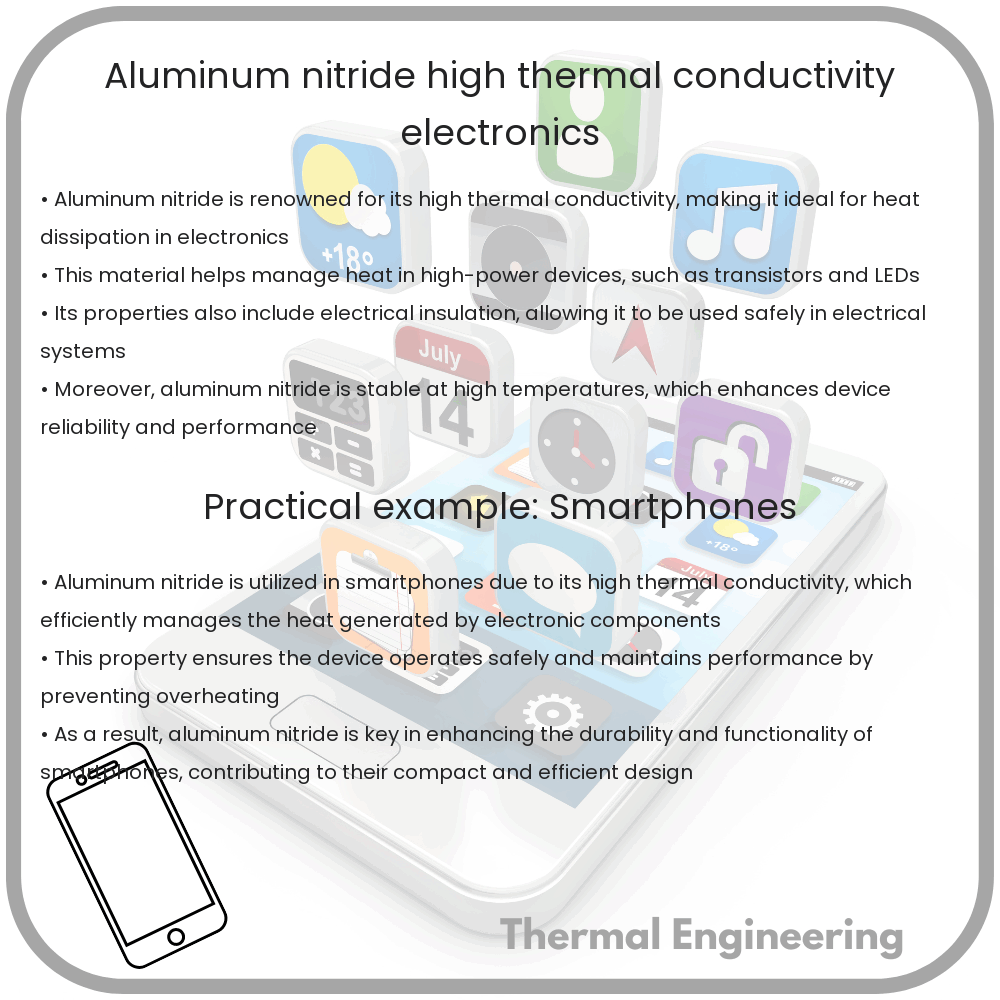
Understanding Aluminum Nitride: A Key Material in Electronics
Aluminum nitride (AlN) is a ceramic material noted for its exceptional thermal conductivity and electrical insulating properties. This combination makes it a crucial material in the field of electronics, particularly in high power applications or where heat dissipation is essential. In this article, we will explore the properties, applications, and benefits of using aluminum nitride in electronic components.
Properties of Aluminum Nitride
Aluminum nitride is a compound made up of aluminum and nitrogen. It is characterized by several important properties:
- High thermal conductivity: With a thermal conductivity value of up to 200 W/(m*K), aluminum nitride is an excellent heat conductor. This is significantly higher than other common ceramic materials such as alumina (Al2O3), which typically has thermal conductivity values around 20-30 W/(m*K).
- High electrical resistivity: AlN provides great electrical insulation, which is crucial for its use in electronics to prevent short circuits and other electrical issues.
- High melting point: With a melting point of approximately 2200 degrees Celsius, aluminum nitride can withstand extreme temperatures, making it suitable for high-temperature applications.
- Low thermal expansion coefficient: This property ensures that the material does not change dimensions dramatically with temperature fluctuations, which is crucial for maintaining structural integrity under varying thermal conditions.
- Chemical stability: AlN is resistant to oxidation and degradation in harsh environments, ensuring a longer lifespan for components made from this material.
Applications in Electronics
Due to its remarkable properties, aluminum nitride finds several applications in the electronics industry, such as:
- Heat sinks: The high thermal conductivity makes AlN an ideal material for heat sinks which are used to dissipate heat generated by electronic components, helping to maintain optimal operational temperatures.
- Substrates for electric circuits: AlN substrates can be used in the construction of electronic circuits. These substrates help to effectively manage heat while providing excellent electrical insulation between components.
- Optoelectronic devices: Due to its ability to operate at high temperatures and resist harsh chemicals, AlN is used in optoelectronic devices such as LEDs and laser diodes.
- Power electronics: High-power electronic devices benefit from using AlN, particularly in applications requiring efficient heat removal, like power amplifiers and high-voltage diodes.
Benefits of Using Aluminum Nitride
Integrating aluminum nitride into electronic systems provides several advantages:
- Improved performance: Efficient heat dissipation ensures that electronic devices operate within safe temperature ranges, which enhances performance and extends device longevity.
- Reliability: The mechanical and chemical stability of AlN contributes to the overall reliability of the electronic systems where it is used, reducing maintenance costs and downtime.
- Miniaturization: Due to its high thermal and electrical performance, components made from AlN can be smaller, aiding in the ongoing trend towards miniaturization in electronics.
Aluminum nitride’s unique combination of thermal conductivity and electrical insulation properties make it invaluable in advanced electronic and optoelectronic applications. As technology continues to demand materials that can withstand harsher operating conditions and provide superior performance, the role of AlN is likely to expand, supporting innovations in various fields of electronic engineering.