Explore the world of biopolymers, sustainable and versatile materials derived from living organisms, ideal for applications in packaging and insulation.
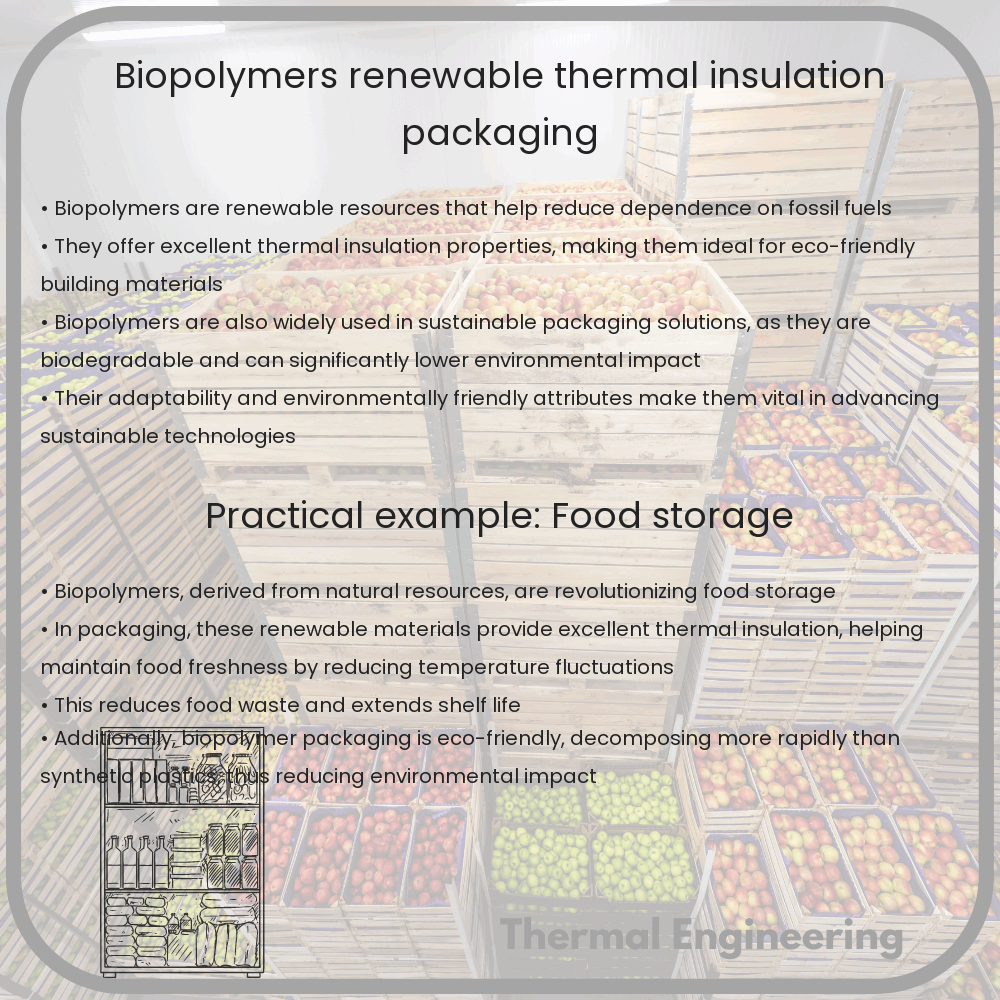
Understanding Biopolymers: Renewable Resources with Versatile Applications
Biopolymers are a type of material derived from living organisms, which include proteins, nucleic acids, and polysaccharides. These materials are gaining attention in various industries due to their sustainability and biodegradability. Biopolymers are particularly significant in the contexts of thermal insulation and packaging, where their renewable nature makes them an attractive alternative to conventional, petroleum-based polymers.
Renewable Nature of Biopolymers
Biopolymers are produced from renewable sources, primarily plant biomass such as corn, sugarcane, and cellulose. Unlike traditional plastics, which rely on finite fossil resources, biopolymers utilize materials that can be regrown annually. This sustainable aspect is critical in reducing carbon footprint and dependence on non-renewable resources.
- Starch-based Biopolymers: One of the most common types of biopolymer, derived from agricultural products like potatoes and corn.
- Cellulose Derivatives: Extracted from wood and plant fibers, these are used extensively in food packaging due to their renewable nature and robustness.
Thermal Insulation Properties of Biopolymers
Biopolymers can provide excellent thermal insulation, leading to their increasing use in building and construction sectors. Materials like polylactic acid (PLA) and cellulose have inherent properties that help maintain temperature consistency and reduce energy consumption.
- Polylactic Acid (PLA): Known for its insulation properties, it’s often used in creating disposable coffee cups and food containers which require maintaining specific temperature ranges.
- Cellulose Insulation: Made from recycled paper products, these materials are treated for flame and pest resistance, providing effective insulation in buildings.
Biopolymers in Packaging
Packaging is one of the most significant applications of biopolymers. The drive towards sustainable packaging solutions has prompted companies to switch from conventional plastics to biopolymers. These materials are not only renewable but also generally offer better disposal options like biodegradability and compostability.
Biopolymer packaging often includes:
- Biodegradable Plastic Bags: Made from starch blends or polycaprolactone (PCL), these bags degrade naturally within a few months under appropriate conditions.
- Protective Foam: Starch-based foam is used as a protective packing material, replacing Styrofoam. It decomposes easily and offers comparable shock absorbency.
- Edible Food Wraps: Derived from alginate or gelatin, these wraps are safe for consumption and offer an innovative solution to reduce packaging waste.
The Future of Biopolymers
The versatile applications and sustainable benefits of biopolymers herald a promising future in their increased use across various sectors. Research continues to enhance their properties and reduce production costs, making biopolymers a viable and eco-friendly alternative to conventional materials.
As industries continue to prioritize sustainability, the adoption of biopolymers is expected to grow, potentially leading to significant environmental improvements and innovations in material science.
In conclusion, biopolymers stand at the forefront of the movement towards renewable and eco-friendly material alternatives, offering a range of applications that can help mitigate the environmental impacts of traditional plastic use in our society.