Learn how electric radiators enhance room heating efficiency, their working mechanism, and tips to optimize their performance.
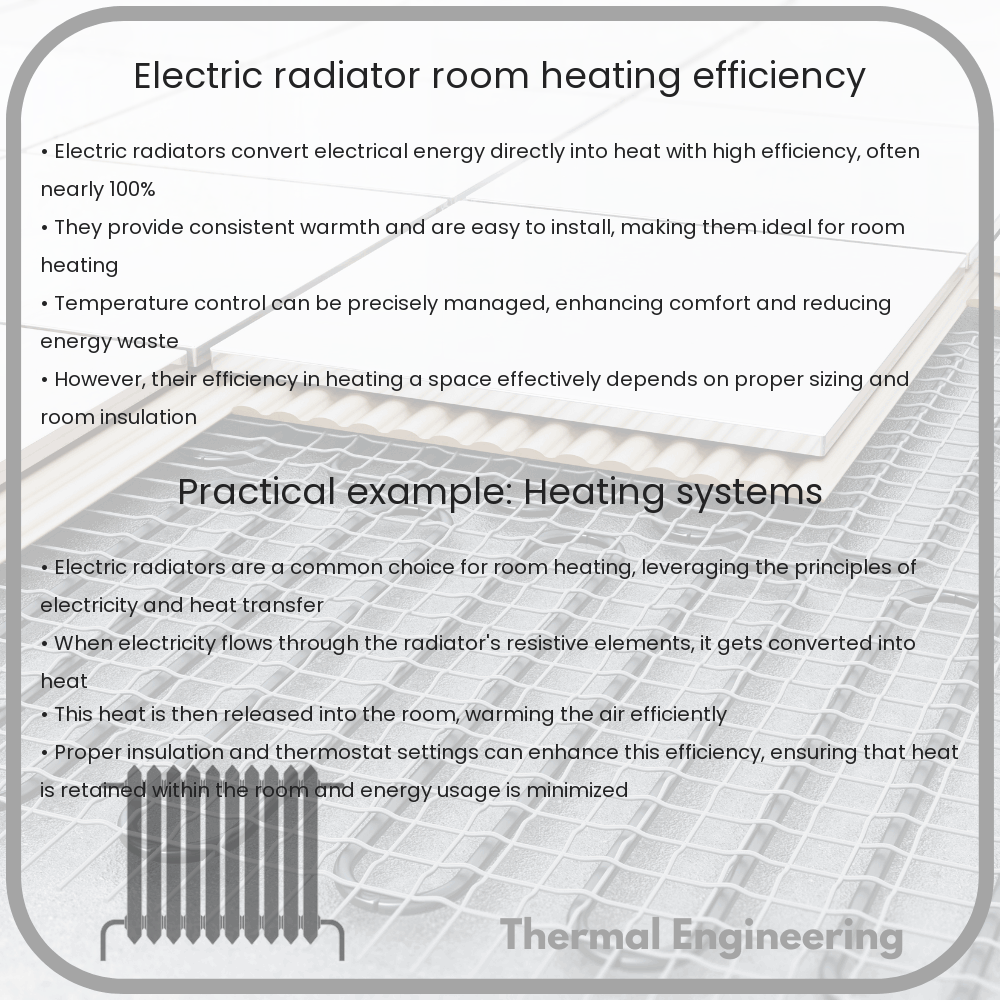
Understanding Electric Radiators and Room Heating Efficiency
As winter approaches, the need to keep our homes warm and comfortable becomes a priority. Electric radiators are popular for their efficiency and ease of use in heating residential spaces. In this article, we will explore how electric radiators work, factors that affect their efficiency, and tips to optimize their performance in heating a room.
How Do Electric Radiators Work?
Electric radiators operate by converting electrical energy into heat through resistive heating. When electric current flows through the resistor inside the radiator, it encounters resistance which generates heat. This heat is then emitted into the room. There are primarily two types of electric radiators:
- Convection Radiators: These radiators heat cold air that passes over the heated element, causing the warm air to rise and disperse through the room.
- Radiant Radiators: Rather than heating the air, these radiators emit infrared radiation that warms objects and surfaces directly in their path.
Factors Influencing the Efficiency of Electric Radiators
The efficiency of electric radiators can be influenced by several factors, which include:
- Room Insulation: Proper insulation reduces heat loss, allowing the radiator to maintain the desired temperature using less energy.
- Thermostat Accuracy: A precise thermostat can better regulate the temperature and reduce energy consumption by minimizing overheating.
- Size and Layout of the Room: Large or poorly laid out rooms may require more energy to heat. Strategic placement of the radiator can influence the heating efficiency.
- Window Type: Double-glazed windows trap air between layers, acting as a barrier to heat loss, unlike single-glazed windows.
Calculating the Efficiency of Electric Radiators
The efficiency of electric radiators is often measured by their ability to convert energy input into useful heat. In ideal conditions, electric radiators can be nearly 100% efficient at the point of use because almost all the electricity used is converted into heat. However, the overall efficiency depends on the source of electricity and how well the heat is distributed and retained within the room.
The efficiency \(\eta\) can be approximately calculated using the formula:
\[
\eta = \left(\frac{Output\, Heat\, Energy}{Input\, Electrical\, Energy}\right) * 100
\]
Tips for Enhancing Heating Efficiency
To maximize the efficiency of electric radiators and reduce energy consumption, consider the following tips:
- Regular Maintenance: Keeping the radiator dust-free ensures optimal heat transfer.
- Upgrade to a Programmable Thermostat: This can help adjust the heating schedule based on your routine, reducing wasteful heating when not needed.
- Reflect Heat: Reflector panels behind radiators can prevent heat from escaping through the walls, directing it back into the room instead.
- Use Curtains Strategically: Opening curtains during the day can let in sunlight, naturally warming the room, while closing them at night can add an extra layer of insulation.
By understanding the functionality and factors affecting the efficiency of electric radiators, users can optimize their use, leading to a more comfortably heated environment and potential savings in energy costs. Staying informed and making small adjustments can significantly enhance the effectiveness of your room heating solution.