Learn about the diverse applications of nitrogen gas in industries such as electronics, cryogenics, chemical manufacturing, and food preservation.
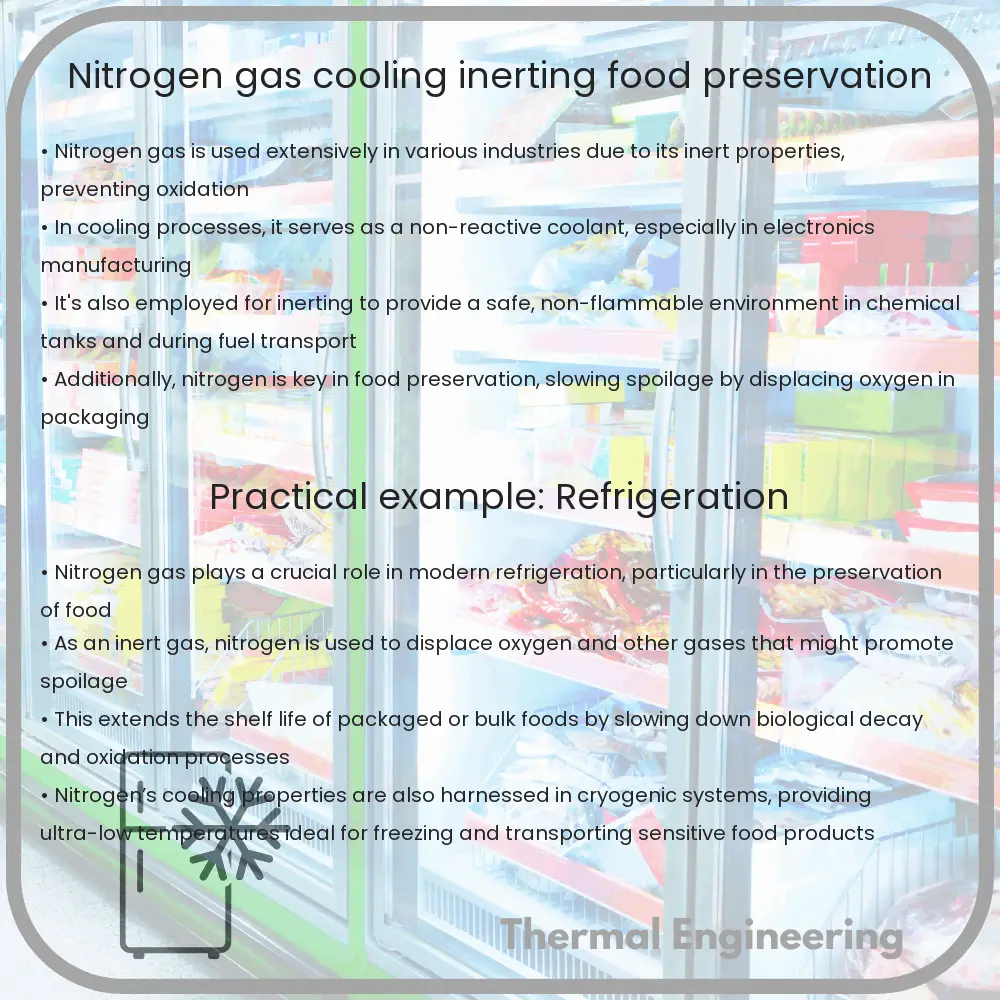
Understanding the Versatile Uses of Nitrogen Gas
Nitrogen gas, a colorless, odorless and tasteless element, constitutes about 78% of the Earth’s atmosphere. It is chemically inert, making it useful in a wide range of applications, including cooling, inerting, and food preservation. Let’s delve into each of these uses and understand how nitrogen gas plays a significant role in various industries.
Cooling Applications
Nitrogen gas is often used as a cooling agent in several industrial processes. Due to its inert nature, it helps in minimizing oxidation and other chemical reactions that might occur at high temperatures. Here are key areas where nitrogen cooling is critical:
- Electronics Manufacturing: Nitrogen is used to cool parts and materials quickly without leaving any residue, which could potentially damage delicate electronic components.
- Cryogenics: In its liquid form, nitrogen can reach temperatures as low as -196°C (-321°F). This extreme cold makes liquid nitrogen ideal for freezing and preserving biological samples, as well as in cryogenic grinding of plastics and rubbers to recycle them more efficiently.
Inerting Applications
Being an inert gas, nitrogen is superbly suited to create safe, non-reactive environments required in various manufacturing processes:
- Chemical Industries: Nitrogen gas is utilized to create an inert atmosphere during the production and handling of highly reactive chemicals. This prevents any explosive reactions when these chemicals are exposed to air.
- Oil and Gas: In the petroleum industry, nitrogen is injected into oil wells to help maintain pressure in reservoirs and push crude oil to the surface. Additionally, it is used to provide an inert environment during the maintenance of industrial equipment.
Food Preservation
Nitrogen’s non-reactivity also extends its use to the food preservation sector. Here’s how nitrogen plays a key role:
- Modified Atmosphere Packaging (MAP): Replacing oxygen with nitrogen in food packaging delays oxidative spoilage and microbial growth, thereby extending the shelf life of perishable items such as snacks, cheeses, and fresh meats.
- Beverage Industry: In beer and wine production, nitrogen is used to prevent oxidation which can alter the flavor and reduce quality. It is also used in place of carbon dioxide to provide a smoother draught beer finish.
The utilization of nitrogen gas in these fields not only enhances efficiency and safety but also contributes to quality retention and reduction of spoilage in food products. Be it in engineering tasks or culinary delicacies, nitrogen demonstrates a remarkable ability to preserve and protect. Understanding these applications helps consumers and industry professionals make informed decisions about the resources they depend on.
As we continue to explore and innovate within these areas, the role of nitrogen gas is likely to grow, finding new applications in technology and industry. The advantages of nitrogen – its availability, inertness, and versatility – are invaluable across multiple sectors, underpinning its continued importance and ubiquitous presence in modern industrial practices.