Learn about synthetic oil, its benefits for engine health, performance, longevity, and environmental impact in modern vehicles.
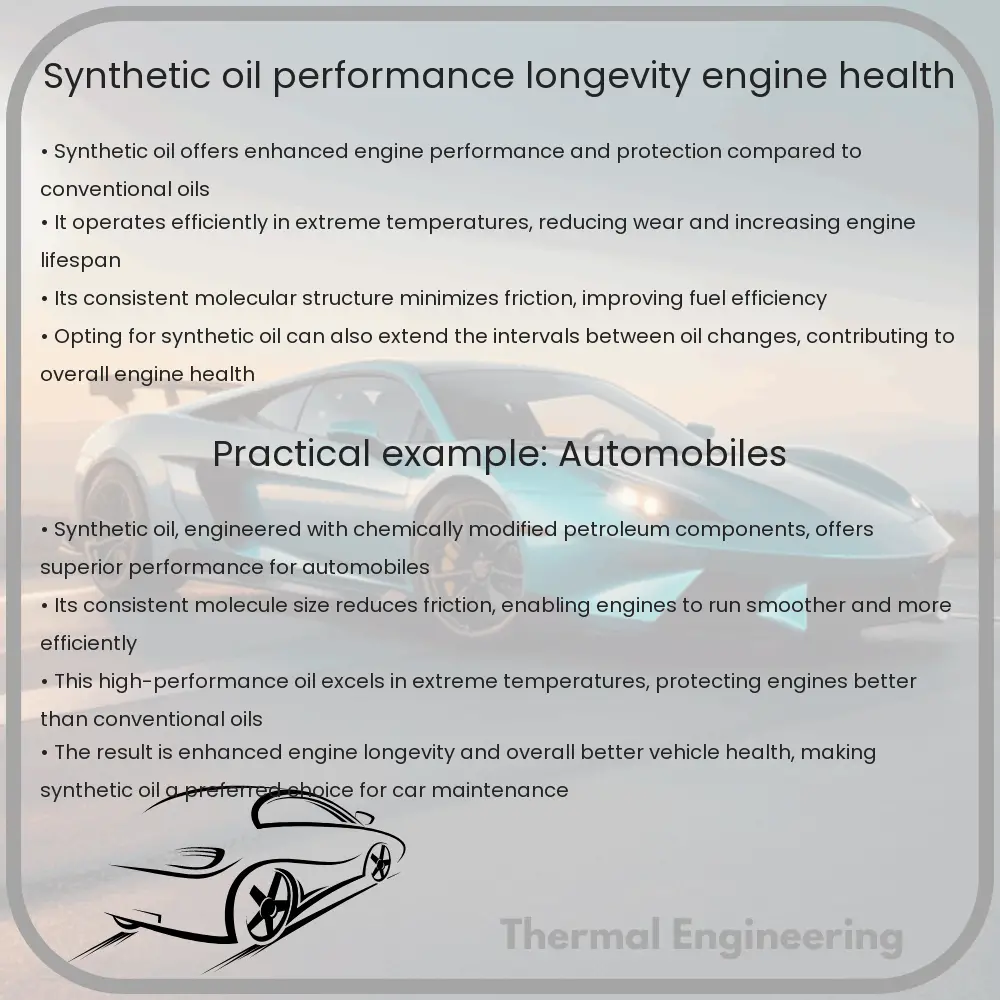
Understanding Synthetic Oil: Performance, Longevity, and Engine Health
Synthetic oil is a crucial component in the modern automotive industry, offering enhanced engine performance, greater longevity, and superior protection compared to conventional oils. Developed through an intricate chemical synthesis process, synthetic oils are tailored to meet the specific demands of today’s high-performance engines. This article delves into the attributes of synthetic oil and how it impacts engine health and overall vehicle performance.
The Composition of Synthetic Oil
Synthetic oil is made from chemically modified petroleum components rather than whole crude oil, or sometimes from other raw materials. It involves the process of breaking down and then rebuilding petroleum molecules. This control over its molecular size and structure results in a product that is more consistent in quality and better suited for modern engines.
Performance Benefits of Synthetic Oil
- Enhanced Viscosity Stability: Synthetic oils maintain their fluidity under extreme temperatures. This means they can flow better in cold weather, ensuring a quicker and safer start-up, and also maintain their thickness to protect engine parts at high temperatures.
- Reduced Engine Wear: Thanks to the uniform molecular size of synthetic oil, it provides a smoother, more stable layer of lubrication between moving parts, reducing friction and wear over time.
- Improved Fuel Efficiency: The reduced friction from using synthetic oil can also translate to slight improvements in fuel efficiency due to less energy being wasted in overcoming engine friction.
Longevity and Cost-Effectiveness
Synthetic oils are not only superior in performance but also offer greater longevity than conventional oils. They are more resistant to thermal breakdown, oxidation, and sludge problems, which can extend the intervals between oil changes. This extended oil life generally offsets the higher initial cost of synthetic oils, making them a cost-effective solution in the long run.
Impact on Engine Health
The robust protective attributes of synthetic oil contribute positively to overall engine health. They help in keeping the engine clean by minimizing deposits and sludge buildup which, if unchecked, could obstruct oil passages and degrade the engine’s performance and longevity.
Environmental Impact
Synthetic oils are also considered a more environmentally friendly option. They not only last longer, reducing waste oil disposal, but their efficiency also leads to decreased fuel consumption and, consequently, lower emissions.
Choosing the Right Synthetic Oil
While synthetic oils offer many benefits, selecting the right oil is critical and depends on the engine type, the manufacturer’s recommendations, and individual driving conditions. It’s important to use an oil that meets the API (American Petroleum Institute) classification and the SAE (Society of Automotive Engineers) viscosity grade recommended for your vehicle.
Conclusion
Synthetic oil represents a significant advancement in automotive lubrication. By supporting engine efficiency, protecting engine parts from wear, and extending the periods between oil changes, synthetic oil plays a pivotal role in maintaining and extending the life of modern engines. While the initial cost may be higher than conventional oil, the long-term benefits in terms of performance, engine protection, and environmental impact make it a smarter choice for vehicle owners.
For anyone looking to optimize their engine’s performance and longevity, considering synthetic oil could be the key to maintaining a healthy, efficient vehicle. Always consult your vehicle’s manufacturer guidelines to choose the suitable type and grade of oil for your specific needs.