Learn about thermal analysis of electronic devices, its importance, methods, and applications in device design for optimal performance and safety.
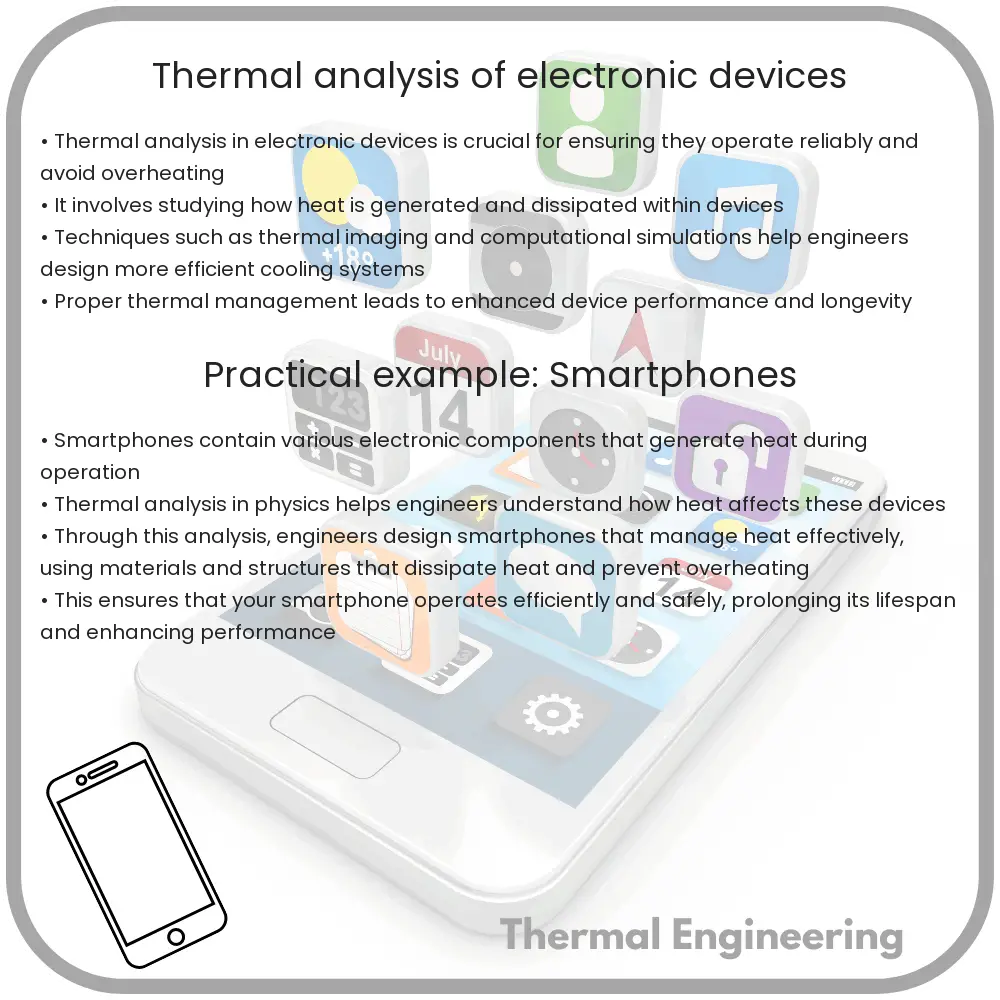
Understanding Thermal Analysis of Electronic Devices
Thermal analysis is a crucial aspect of engineering that focuses on understanding how heat affects the performance and longevity of electronic devices. As these devices operate, they generate heat due to electrical resistance and other factors. Managing this heat is essential for ensuring functionality, safety, and efficiency. This article explores the basics of thermal analysis, the methods used, and why it’s vital for the design and operation of electronic devices.
Why is Thermal Analysis Important?
Electronic devices, from simple chips to complex systems like computers and smartphones, must be able to operate effectively within certain temperature ranges. Excessive heat can lead to component failure, reduced reliability, and shortened device lifespan. Thermal analysis helps engineers design systems that can control and dissipate heat effectively, thus enhancing device performance and safety.
Key Concepts in Thermal Analysis
- Heat Transfer: The three modes of heat transfer are conduction, convection, and radiation. Conduction occurs through materials, convection through fluids (like air or cooling liquids), and radiation emits heat in the form of electromagnetic waves.
- Thermal Conductivity: A measure of a material’s ability to conduct heat. Higher thermal conductivity materials can transfer heat more effectively.
- Specific Heat Capacity: This is the amount of heat per unit mass required to raise the temperature of a substance by one degree Celsius. It is crucial in determining how much heat a component can store.
- Thermal Resistance: An indicator of the difficulty with which heat flows through a material. Devices with high thermal resistance can become hot spots if not properly managed.
Methodologies for Thermal Analysis
There are several techniques used to analyze and manage heat in electronic devices:
- Thermal Simulation: Using software to model and predict how heat will behave in a device structure. This can help in designing more efficient heat dissipation systems.
- Infrared Thermography: A technique that uses an infrared camera to visualize and measure heat as infrared radiation. This can be crucial for identifying overheating components during testing and operation.
- Thermal Mapping: Recording temperature data at various points of a device to create a temperature map. This helps in identifying regions of high thermal concentration.
- Material Analysis: Studying materials under different temperatures to find the most effective ones for heat management.
Applications of Thermal Analysis in Device Design
Designers and engineers use the data from thermal analysis in multiple aspects:
- Component Placement: Strategically placing components within a device to minimize heat concentration and improve thermal dissipation.
- Heat Sink Design: Designing effective heat sinks that can remove excess heat from sensitive components effectively using conduction, convection, or a combination of both.
- Cooling Systems: Integrating active cooling solutions such as fans and passive techniques like ventilation to keep device temperatures within safe operational thresholds.
- Material Choices: Selecting materials with favorable thermal properties can drastically affect a device’s ability to manage heat.
Understanding and managing the thermal behavior of electronic devices is essential to maintaining their functionality and durability. By conducting thorough thermal analysis, engineers can anticipate potential issues and design strategies to mitigate them, ensuring that electronic devices can operate efficiently within their thermal limits. This field of engineering ensures that both emerging and existing technologies can meet the demands of high performance and reliability expected by users.