Explore the benefits and methods of thermal acupuncture, a modern approach combining traditional acupuncture with heat therapy for enhanced healing.
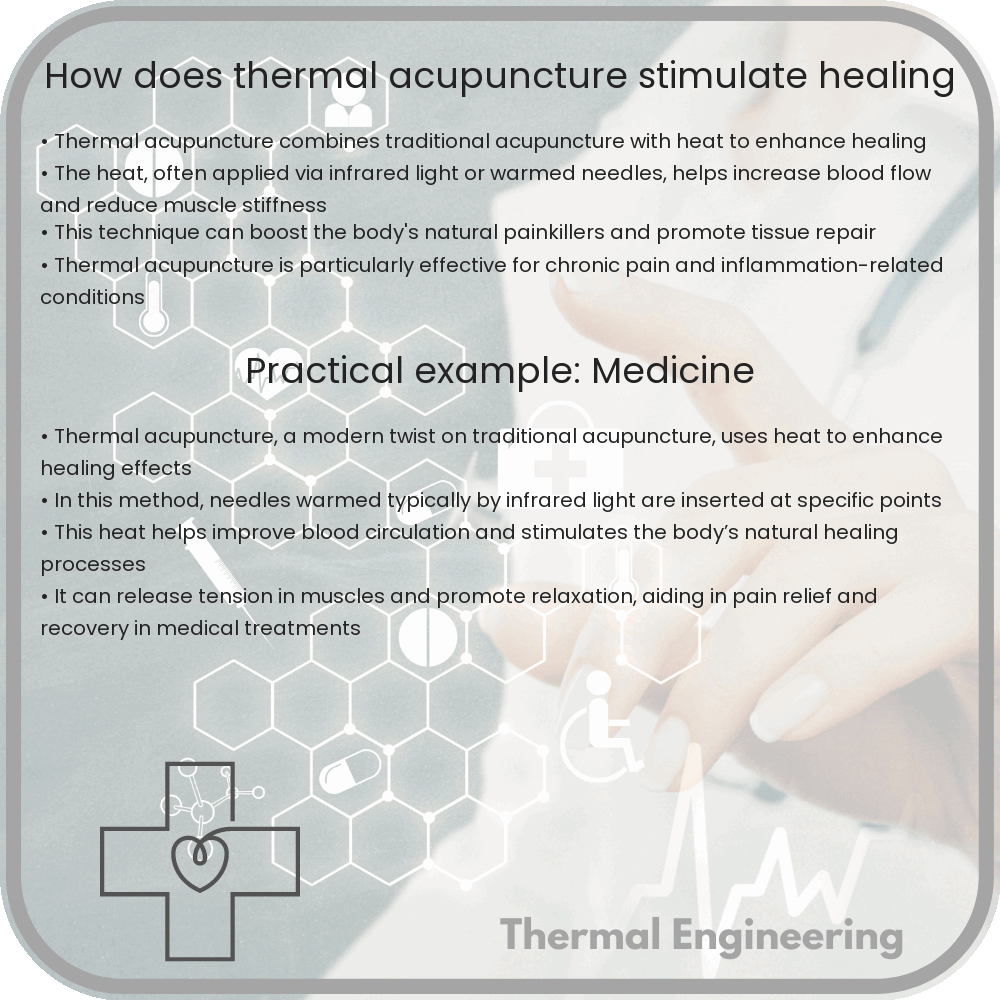
Understanding Thermal Acupuncture and its Role in Stimulating Healing
Thermal acupuncture, a modern adaptation of traditional acupuncture, combines the principles of heat therapy with those of acupuncture to enhance healing effects in the body. This treatment method has garnered attention for its potential to alleviate pain, promote relaxation, and improve overall health. Let’s explore the mechanics behind thermal acupuncture and how it influences the healing processes.
Basics of Traditional Acupuncture
Traditional acupuncture involves the insertion of very thin needles into specific points on the body, known as acupuncture points. These points are believed to be located on channels, or meridians, through which the body’s vital energy, chi or qi, flows. The practice is based on the traditional Chinese medicine theory that health is governed by the balance of these energy flows within the body. By stimulating these points, acupuncture aims to restore balance and, thereby, health.
Introduction of Heat: Merging Thermotherapy with Acupuncture
Thermal acupuncture, often referred to as thermopuncture, enhances the effects of traditional acupuncture by adding a heat component. The most common method involves heating the acupuncture needles once they are inserted into the body’s acupuncture points. This can be accomplished using various techniques such as wrapping the needles with heat coils or by employing moxibustion, which involves burning a small, tightly bound bundle of herbs, usually moxa or mugwort, either directly on the skin or close to it.
How Thermal Acupuncture Stimulates Healing
- Enhanced Blood Flow: The application of heat helps to expand blood vessels, which improves blood circulation to the targeted areas. Increased blood flow not only transports more nutrients and oxygen but also facilitates the removal of waste products from tissue repair activities, thereby enhancing the healing process.
- Stimulation of Body’s Natural Painkillers: Both needle insertion and heat help stimulate the body to release endorphins and other natural pain-killing substances. This dual stimulation can be more effective in reducing pain and discomfort than traditional acupuncture alone.
- Reduction in Muscle Stiffness: Heat is well known for its effectiveness in relaxing and loosening stiff muscles. When combined with acupuncture, this can lead to faster relief from muscle spasms and joint discomfort, contributing to better mobility and pain alleviation.
- Improved Cellular Health: Heat has been shown to enhance cellular repair activities. By increasing the temperature at the site of injury, thermal acupuncture may boost cell function and accelerate the repair processes.
Clinical Applications and Benefits
Thermal acupuncture has been applied to a variety of conditions including chronic pain, arthritis, muscle spasm, and even some symptoms of chronic stress and anxiety. Due to its dual action of needling and heat, it provides a unique and effective approach to pain management and recovery. Additionally, the soothing heat can offer a deeply relaxing experience, adding a psychological benefit to its physical therapeutic effects.
Conclusion
Thermal acupuncture represents a fascinating intersection of traditional healing practices and modern therapeutic techniques. By harnessing the combined powers of needle therapy and heat, this approach offers a promising alternative for those seeking relief from various physical ailments. It’s an example of how ancient practices can evolve with the inclusion of contemporary scientific understanding, broadening the scope and efficacy of traditional treatments.
As with any medical treatment, individuals interested in thermal acupuncture should consult with qualified professionals to explore how this therapy might best serve their specific health needs. The growing acknowledgment of such integrative therapies within the mainstream medical community points towards a holistic approach to health and wellness, recognizing the importance of combining different therapeutic modalities for optimal outcomes.