Facebook Instagram Youtube Twitter

Aerodynamic Fluids | Drag Reduction & Aviation Uses

Learn about aerodynamic fluids and their role in reducing drag to enhance aircraft performance and efficiency in aviation.

Aerodynamic Fluids | Drag Reduction & Aviation Uses

Understanding Aerodynamic Fluids: Drag Reduction & Aviation Uses

Aerodynamic fluids play a crucial role in the field of aviation, influencing the performance, efficiency, and safety of aircraft. In this article, we explore the concept of drag reduction, its significance in aviation, and how various technologies and strategies are applied to combat aerodynamic drag, enhancing overall aircraft performance.

What is Aerodynamic Drag?

In fluid dynamics, aerodynamic drag refers to the forces that act opposite to the relative motion of any object moving with respect to a surrounding fluid. This can include gases such as air. Drag forces act in a direction opposite to the oncoming flow velocity, which means they oppose the aircraft’s motion, effectively slowing it down.

There are two primary components of aerodynamic drag:

  • Form Drag: This type of drag results from the shape and profile of the aircraft which affects how air flows around its body. A streamlined shape can significantly reduce form drag.
  • Friction Drag: Caused by the friction of the air flowing over the aircraft’s surface, this form of drag can be reduced by smoothing the surface and using materials that offer less resistance to airflow.

Techniques for Reducing Drag in Aviation

Reducing drag is vital in improving an aircraft’s efficiency and is a major focus in aerospace engineering. Below are several strategies used:

  1. Streamlining the Aircraft Design: The design and shape of the aircraft are streamlined to allow air to flow more smoothly around the body, thereby reducing form drag.
  2. Using Winglets: Wingtips that curve upwards, known as winglets, can reduce drag by preventing air from swirling around the wings, thus reducing vortex formation and enhancing lift-to-drag ratio.
  3. Boundary Layer Control: Techniques like vortex generators or suction devices help in managing the boundary layer—the thin layer of air right next to the body of the aircraft where air velocity changes from zero (due to viscosity) to freestream speeds. Controlling the boundary layer helps in reducing friction drag.
  4. Material Selection: Using materials with a smooth finish or specialized coatings can decrease the friction drag by reducing surface roughness.

Impact of Drag Reduction in Aviation

Drag reduction leads to several direct benefits in aviation:

  • Fuel Efficiency: Lower drag means the engines need to exert less force to maintain speed and altitude, which translates to lower fuel consumption.
  • Increase in Speed: Reducing drag directly contributes to an increase in the aircraft’s maximum speed and better overall performance.
  • Extended Range: With reduced fuel consumption, aircraft can achieve longer ranges without the need for refueling, making flights more economical and efficient.
  • Environmental Impact: Improved fuel efficiency also means fewer emissions, positioning drag reduction as an essential consideration for environmental sustainability in aviation.

Drag reduction continues to be a dynamic field of research in aerospace engineering, with ongoing studies aiming to develop new materials and designs that further minimize drag, thereby opening new horizons in aircraft performance and eco-efficiency.

In conclusion, understanding and managing aerodynamic fluids, specifically through drag reduction, is fundamental in maximizing the operational capabilities and efficiency of aircraft. The continuous innovation in this area not only advances the field of aviation but also supports sustainability goals in the industry.

Vaccine Adjuvants | Immune Response & Formulations

Learn about vaccine adjuvants, substances critical to enhancing immune responses and optimizing vaccine efficacy in our latest article.

Vaccine Adjuvants | Immune Response & Formulations

Understanding Vaccine Adjuvants: Enhancing Immune Responses

Vaccine adjuvants are critical components used in many vaccines to enhance the immune response. The term “adjuvant” comes from the Latin word adjuvare, meaning to help or to enhance. In vaccines, adjuvants play the vital role of boosting the immune response and thereby reducing the amount or number of doses needed. This article explains the function of adjuvants, the different types available, and how they are formulated in vaccines.

Role of Vaccine Adjuvants

Adjuvants are substances that are added to vaccines to stimulate a stronger immune response than the vaccine antigen alone could evoke. They enhance the body’s immunological response to the provision of antigen, thus helping to induce a quicker, more potent, and longer-lasting immunity against infections. Adjuvants can also be beneficial in doses optimization, reducing the amount of antigen required per dose, which allows more vaccine doses to be produced and hence contributes to immunizing a larger population.

Types of Vaccine Adjuvants

  • Aluminum Salts: One of the most common adjuvants in vaccine technology. Aluminum salts such as aluminum hydroxide, aluminum phosphate, and alum precipitate are used to improve antigen stability and prolong antigen release at the injection site.
  • Oil Emulsions: Emulsions of oils in water, such as squalene-based MF59, are used to create a depot effect that enhances the immune response. MF59 is notably used in influenza vaccines.
  • Liposomes: These are spherical vesicles containing concentric phospholipid bilayers. They can encapsulate antigens and are often combined with other immune-stimulating molecules.
  • Toll-like Receptor (TLR) Agonists: These are molecules that stimulate the toll-like receptors which play a key role in the innate immune system. TLR agonists include monophosphoryl lipid A, which is derived from bacterial lipopolysaccharides.
  • Nucleic Acids: Nucleic acid adjuvants such as CpG oligodeoxynucleotides act as TLR9 agonists, enhancing both the innate and adaptive immune responses.

Formulation of Adjuvants in Vaccines

The formulation of vaccine adjuvants is crucial for ensuring their efficacy and safety. The process involves several steps:

  1. Mixture with Antigens: Adjuvants are mixed with antigen(s) to ensure close contact and interaction, facilitating the improved presentation of the antigen to the body’s immune cells.
  2. Emulsification: For oil-based adjuvants, creating a stable emulsion with the aqueous phase of the vaccine can help protect active ingredients and promote a sustained immune response.
  3. Characterization and Stability Testing: The formulated vaccine must undergo thorough testing to ascertain its stability, efficacy, and safety over its intended shelf life under various storage conditions.
  4. Dose Optimization: The concentration of the adjuvant is carefully optimized to achieve the right balance between immune response enhancement and minimization of side effects.

Adjuvants are formulated into vaccines based on their ability to enhance particular types of immune responses. These are critical considerations for vaccine design, especially for new or improved vaccines against diseases such as influenza, COVID-19, and malaria.

Conclusion

Vaccine adjuvants are pivotal in the effectiveness of vaccines through their ability to modulate and enhance immune responses. The selection and formulation of adjuvants require careful consideration of the type of immune response desired, the characteristics of the antigen, and the safety profile desired. Advanced research and development are continually underway to explore new adjuvants that can provide more effective immunization strategies against emerging infectious diseases.

Understanding the mechanics behind vaccine adjuvants and their formulations not only broadens our knowledge of immunology and vaccine development but also underscores the importance of innovative approaches in public health strategies.

Laminar Flow Enhancers | Streamlining, Applications & Uses

Explore the essential role and applications of laminar flow enhancers in reducing drag, improving efficiency, and enhancing performance across various industries.

Laminar Flow Enhancers | Streamlining, Applications & Uses

Understanding Laminar Flow Enhancers: Streamlining, Applications, and Uses

Laminar flow enhancers are crucial components in engineering designed to promote laminar flow. Laminar flow refers to a fluid flowing in parallel layers with minimal disruption between them. This contrasts with turbulent flow, which is characterized by chaotic fluid motion and eddies. Enhancing laminar flow can significantly reduce friction and drag, improving efficiency and performance in various applications.

Streamlining Techniques

To encourage laminar flow, engineers use several streamlining techniques to shape and smooth surfaces through which fluids flow. Streamlining is especially important in reducing drag in aircraft, automobiles, and marine vessels. Here are some common strategies:

  • Surface Smoothness: A smooth surface minimizes the chances of the fluid transitioning from a laminar to a turbulent state. This is achieved by reducing surface roughness through polishing or applying special coatings.
  • Shape Optimization: Objects designed to interact with fluid flow are often shaped to minimize resistance. Typical shapes include airfoils for aircraft wings or hydrodynamic designs for submarine hulls.
  • Flow Control Devices: Devices such as vortex generators or boundary layer fences can be used selectively to manage flow characteristics and delay or prevent flow separation and the onset of turbulence.

Applications of Laminar Flow Enhancers

Laminar flow enhancers find applications in multiple fields, affecting everyday life and advanced technological systems. Here are some primary domains of application:

  1. Aerospace: Improving the laminar flow around wings and fuselages reduces drag, which can significantly enhance fuel efficiency and range of aircraft.
  2. Automotive: In the automotive industry, reducing aerodynamic drag leads to lower fuel consumption and allows for sleeker, more efficient vehicle designs.
  3. Marine Engineering: Ships and submarines benefit from reduced hull resistance, thereby saving energy and increasing operational range and speeds.
  4. Industrial Processes: Pipes and ducts used in manufacturing processes are designed to support laminar flow to reduce pressure drops and energy use in fluid transport.
  5. Medical Devices: In medical technologies, particularly those involving the flow of blood or other fluids, laminar flow is essential to prevent damage to the fluids and ensure accurate measurements and delivery.

Benefits of Laminar Flow

Enhancing laminar flow provides several advantages across various fields:

  • Energy Efficiency: Reducing drag and fluid resistance decreases the energy required for movement, leading to significant energy savings.
  • Reduced Noise: Laminar flow systems generate less noise compared to turbulent systems, which is beneficial in reducing sound pollution in environments such as hospitals and residential areas.
  • Increased Operational Lifespan: Reducing mechanical wear and tear on components interacting with fluid flows extends their operational lifespan.
  • Better Control: Maintaining laminar flow allows for more predictable and stable fluid dynamics, which is crucial in industries where precision is vital.

In conclusion, laminar flow enhancers are essential tools in engineering that contribute to the operational efficiency, longevity, and effectiveness of various mechanical and fluid systems. As technology advances, developing new and optimized methods to maintain and enhance laminar flow remains a critical focus for researchers and engineers globally.

Turbulence Dampers | Flow Control, Efficiency & Systems

Learn about turbulence dampers, devices that enhance system efficiency by controlling fluid and air flow in engineering systems.

Turbulence Dampers | Flow Control, Efficiency & Systems

Understanding Turbulence Dampers: Enhancing Flow Control and Efficiency

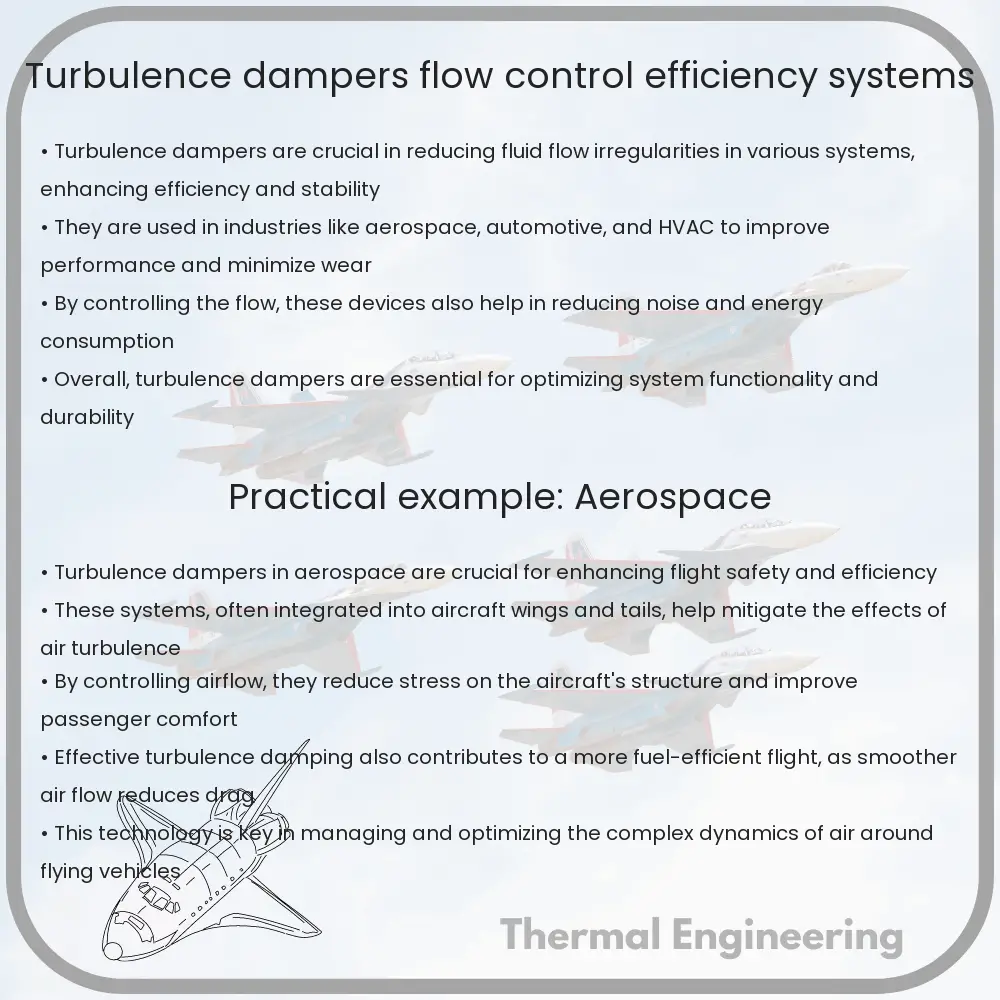
Turbulence dampers, integral components in various engineering systems, are designed to reduce the effects of turbulence in fluid flow, which can include liquids and gases in pipes and air in HVAC (Heating, Ventilation, and Air Conditioning) systems. By controlling turbulence, these devices enhance the efficiency and longevity of the engineering systems in which they are implemented. In this article, we will explore how turbulence dampers function, their importance in flow control, and the impact they have on system efficiency.

What is Turbulence?

In fluid dynamics, turbulence is a state of fluid motion characterized by chaotic changes in pressure and flow velocity. It is contrary to a laminar flow, where the fluid flows in parallel layers with no disruption between them. Turbulent flow can cause increased energy consumption and wear and tear in pipelines and ducts because it involves random and unpredictable fluctuations.

Function of Turbulence Dampers

Turbulence dampers are utilized to mitigate these adverse effects by smoothing the flow and making it more stable. They achieve this through mechanisms that absorb the energy generated by turbulence or by restructuring the flow into a more organized pattern. Common types of turbulence dampers include:

  • Grids and screens that break down large eddies into smaller, less harmful ones.
  • Baffles designed to guide fluid flow into desired channels, thus preventing the development of chaotic eddies.
  • Perforated plates that reduce the energy of the flow by creating a pressure drop.

Flow Control and Efficiency

The primary function of turbulence dampers in flow control is to allow more predictable and stable operations by mitigating fluctuations that can lead to overloads and inefficiencies. In HVAC systems, for example, reducing turbulence aids in maintaining a consistent air speed, improving air quality, and reducing noise levels. This regulatory capability directly contributes to energy efficiency by smoothing the flow, thereby reducing the energy required to move a fluid or gas through a system.

In fluid delivery systems such as water supply or oil pipelines, turbulence dampers help in maintaining the integrity of the infrastructure by decreasing the likelihood of damage caused by high-speed flows hitting the walls of the pipes. This prolongation of system life is an essential aspect of overall system efficiency.

Applications in Engineering Systems

Turbulence dampers are vital in a wide range of applications. In automotive engineering, they are used in intake systems to ensure that air flows smoothly into the engine, enhancing performance and fuel efficiency. In aerospace, turbulence dampers in ventilation systems help maintain comfortable and safe conditions. Industrial applications might include their use in chemical processing plants where controlled flow is critical to safety and efficacy.

Conclusion

Turbulence dampers play a crucial role in various engineering systems where fluid or air flow control and efficiency are paramount. By managing turbulence, these devices not only improve the performance and operational stability but also contribute significantly to energy conservation and infrastructure longevity. As industries continue to seek more sustainable and cost-effective solutions, the importance of effective turbulence control continues to grow.

Understanding and implementing advanced turbulence dampening technologies remains a key area for ongoing research and development in the field of fluid dynamics and mechanical engineering.

Liquid Metal | High Temperature Conductivity & Uses

Learn about liquid metals, their high temperature conductivity, and diverse applications in technology and engineering.

Liquid Metal | High Temperature Conductivity & Uses

Understanding Liquid Metal: High Temperature Conductivity & Uses

Liquid metal refers to metallic alloys or pure metals that are in the liquid state at relatively low temperatures. These substances have remarkable properties, primarily their high thermal and electrical conductivity and the ability to maintain liquid phase over a broad temperature range. Among the most well-known liquid metals are gallium-based alloys, which remain liquid at temperatures close to room temperature.

High Temperature Conductivity of Liquid Metals

The electrical and thermal conductivity of liquid metals are key characteristics that define their applications and performance. Electrical conductivity refers to a material’s ability to conduct electric current, while thermal conductivity refers to its ability to conduct heat.

At high temperatures, the atoms in liquid metals are more agitated and move freely, which typically increases the scattering of electrons and could lower electrical conductivity compared to their solid state. However, liquid metals like mercury, gallium, and eutectic alloys often maintain high electrical conductivity even at elevated temperatures. For instance, the conductivity of liquid gallium at 29.7 °C is approximately 3.46 x 10⁶ S/m (siemens per meter), making it a superb conductor of electricity.

Thermal conductivity in liquid metals is similarly impressive. The random motion of atoms and the dense atomic packing help facilitate the transfer of heat energy. For example, mercury has a thermal conductivity of about 8.3 W/(m*K) (watts per meter-kelvin) at 300 K, demonstrating efficient heat transfer capabilities.

Common Uses of Liquid Metals

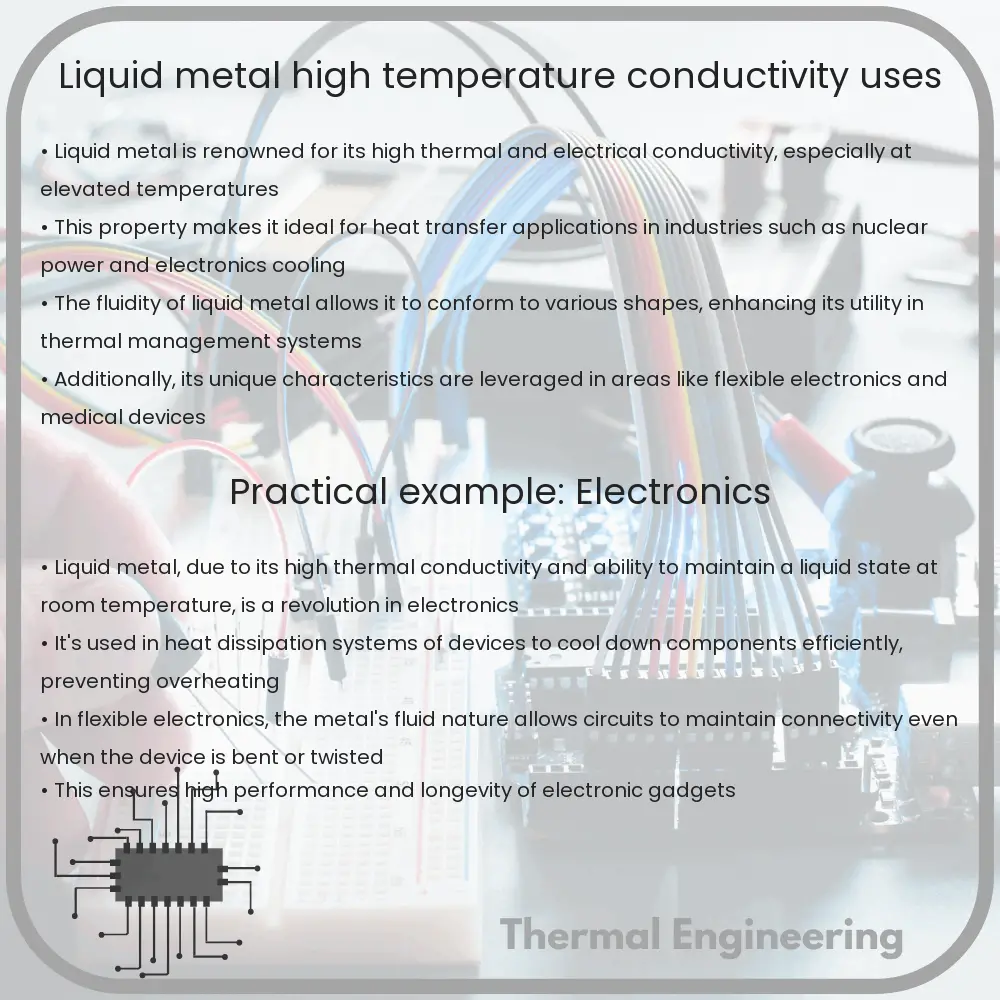
  • Thermal Interface Materials: Liquid metals are used as thermal interface materials (TIMs) in high-performance computing applications. Their excellent thermal conductivity helps efficiently transfer heat away from components like CPUs and GPUs to cooling devices such as heat sinks.
  • Coolants in Nuclear Reactors: Certain liquid metals, like sodium or lead-bismuth eutectic, serve as coolants in fast nuclear reactors. These materials efficiently transfer heat from the reactor core to the heat exchangers without slowing down the neutron speed, critical for the reactor’s operation.
  • Flexible Electronics: The liquid state and high conductivity of liquid metals allow them to be used in stretchable and flexible electronic circuits, which can be embedded into wearable technologies.
  • Galinstan in Medical Devices: Due to their non-toxic nature, alloys like Galinstan (a gallium-indium-tin alloy) find applications in medical devices such as thermometers, replacing hazardous mercury.

Future Prospects and Challenges

As the demand for advanced cooling methods in electronics and renewable energy systems increases, the role of liquid metals is expected to expand. Researchers are exploring the potential of these substances in areas like solar power generation and electronic skin applications. The main challenges in widespread adoption include managing the corrosive nature of some liquid metals and overcoming the high costs associated with rare material components.

In conclusion, liquid metals, with their high temperature conductivity and versatile applications, are proving to be extremely significant in both traditional and cutting-edge technologies. Their unique properties enable them to play crucial roles in improving the efficiency and capabilities of various engineering systems.

Hydrocarbon Solvents | Cleaning, Extraction & Types

Explore the various types, applications, and safety aspects of hydrocarbon solvents, essential in industry for cleaning and extraction processes.

Hydrocarbon Solvents | Cleaning, Extraction & Types

Understanding Hydrocarbon Solvents: Uses and Types

Hydrocarbon solvents are a category of organic solvents derived from petroleum. They consist of hydrogen and carbon atoms and are highly effective due to their ability to dissolve materials that are not typically soluble in water. They are widely used across various industries for cleaning, extraction, and other applications. This article explores the different types of hydrocarbon solvents, their applications, and their implications in terms of use and safety.

Types of Hydrocarbon Solvents

Hydrocarbon solvents are broadly categorized based on their structure and boiling point. These categories significantly affect their application and properties.

  • Aliphatic Hydrocarbons: These solvents do not contain a benzene ring and are subdivided into paraffins (saturated hydrocarbons) and olefins (unsaturated hydrocarbons). They are generally used in degreasing, rubber solvent, and as carrier solvents for paints and varnishes.
  • Aromatic Hydrocarbons: Known for their stable benzene ring structure, these solvents include benzene, toluene, and xylene (collectively known as BTX). Aromatic hydrocarbons are commonly used in adhesives, printing inks, and chemical synthesis.
  • Naphthenic Hydrocarbons: These are cycloaliphatic compounds and are typically used in the formulations of industrial lubricants and rubber compounding.

Cleaning and Degreasing

Hydrocarbon solvents are renowned for their ability to dissolve organic matter, making them exceptionally useful in cleaning applications. They break down substances such as oils, greases, and waxes without damaging the surface being cleaned. In industrial settings, hydrocarbon solvents are utilized for equipment maintenance, parts purging, and as components in aqueous and semi-aqueous cleaning systems. Due to their volatility, these solvents can quickly evaporate, leaving behind minimal residue. However, this also means they need careful handling and good ventilation to avoid inhalation risks.

Extraction Processes

In the extraction process, hydrocarbon solvents are used to separate desired substances from raw materials. They are particularly effective for extracting oils and fats from seeds and plants in the food industry and for isolating alkaloids, essential oils, and other biochemical compounds in the pharmaceutical and cosmetic industries. The choice of hydrocarbon solvent in extraction processes usually depends on its selectivity and the stability of the target compound under the exposure to the solvent.

Environmental and Safety Considerations

While hydrocarbon solvents are effective, their use comes with responsibility for both environmental and health safety. Many hydrocarbon solvents are volatile organic compounds (VOCs) and contribute to the formation of ground-level ozone, which is a primary constituent in smog. Prolonged exposure or inhalation of hydrocarbon solvent vapors can lead to serious health effects including respiratory issues, central nervous system depression, and others. Therefore, regulations such as the Clean Air Act in the United States govern the usage and emissions of such solvents to minimize environmental impact.

Industries are increasingly exploring green solvent options, which are less harmful to health and the environment, while also developing better control technologies to reduce exposures and emissions associated with hydrocarbon solvents.

Conclusion

Hydrocarbon solvents continue to be integral in industrial applications due to their effectiveness in cleaning and extraction processes. Understanding the types of hydrocarbon solvents, along with their specific uses and safety concerns, enables industries and workers to handle them responsibly and innovatively. With tightening environmental and health safety standards, the development of safer and more sustainable solvents is set to rise, potentially leading to new formulations that maintain high performance while reducing negative impacts.

Water Treatment Chemicals | Purification & Processes

Learn about the essential chemicals and processes used in water treatment to ensure safe and sustainable water for various uses.

Water Treatment Chemicals | Purification & Processes

Understanding Water Treatment Chemicals: Purification & Processes

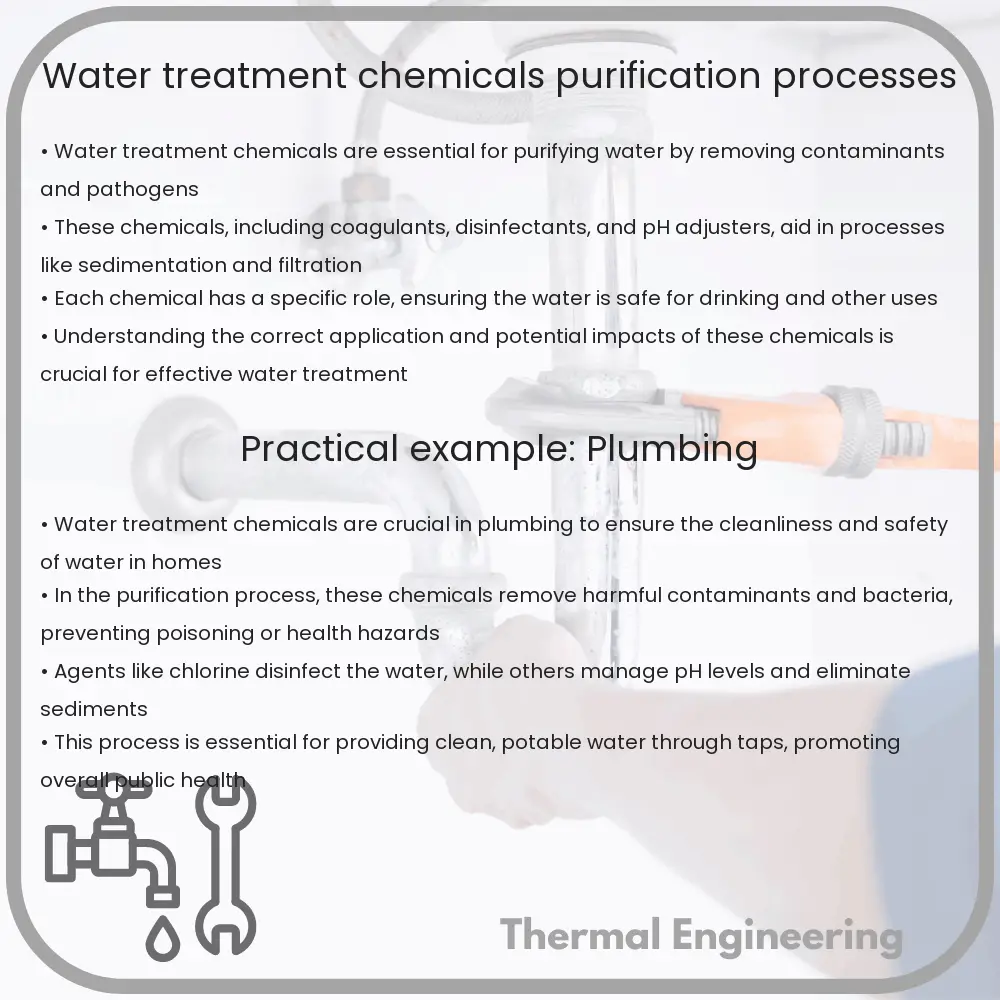
Water treatment is a critical engineering process aimed at improving the quality of water to make it suitable for specific end-uses such as drinking, industrial water supply, and irrigation. This article explores the various chemicals used in water treatment and the processes by which they purify water.

Key Chemicals Used in Water Treatment

  • Coagulants: These chemicals, such as aluminum sulfate (alum) and ferric chloride, are used to remove suspended particles from water. They work by neutralizing the electrical charge of particles, causing them to clump together and settle out of the water.
  • Flocculants: Often used in conjunction with coagulants, flocculants, like polyacrylamide, aid in the aggregation or clumping of particles, making them easier to remove during the sedimentation process.
  • Disinfectants: Chemicals like chlorine, chloramine, and ozone are added to kill bacteria and other pathogens in the water to prevent waterborne diseases.
  • pH Adjusters: These are used to adjust the pH level of water to make it less corrosive, control the effectiveness of disinfectants, and assist in coagulation. Common chemicals include lime, sodium hydroxide, and sulfuric acid.
  • Scale Inhibitors: Used primarily in industrial processes to prevent the formation of scale, which can damage equipment. Phosphates and polyphosphates are common examples.

Processes of Water Purification

Water purification typically involves a series of processes, each of which is designed to remove contaminants or reduce their concentration to make the water suitable for use. Here are the main processes:

  1. Coagulation and Flocculation: This is the first step where coagulants are added to the water. The coagulants neutralize the electrical charges of particles, causing them to clump together into larger particles called flocs.
  2. Sedimentation: During this process, gravity pulls the heavier flocs downward to the bottom of the treatment tank, where they form sludge, leaving the clear water above.
  3. Filtration: The clear water then passes through filters made of sand, gravel, and charcoal, which trap and remove dissolved particles, such as dust, parasites, bacteria, viruses, and chemicals.
  4. Disinfection: After filtration, a disinfectant may be added to the water to kill any remaining microorganisms. Chlorine is the most commonly used disinfectant for this purpose.

Importance of Chemical Dosing and Control

Proper chemical dosing and control are critical in water treatment for efficiency and safety. Overdosing chemicals can lead to negative health effects and environmental impact, while under-dosing can result in incomplete purification. Automated dosing systems and careful monitoring are essential for maintaining the correct chemical levels.

Conclusion

The use of chemicals in water treatment is a complex but essential aspect of modern engineering, designed to ensure that water is safe and suitable for its various uses. Understanding the role and function of each chemical and process helps in appreciating the significant technical advances that make our daily water consumption safe and sustainable. As technology progresses, ongoing research and development are crucial for optimizing these chemical processes and finding more eco-friendly alternatives.

Drilling Fluid | Oil Exploration, Properties & Types

Learn about drilling fluids, essential for oil and gas exploration, their types, properties, and environmental considerations.

Drilling Fluid | Oil Exploration, Properties & Types

Introduction to Drilling Fluids in Oil Exploration

Drilling fluids, also known as drilling muds, play a crucial role in oil and gas exploration. These specialized fluids are used in drilling operations to facilitate the drilling of boreholes into the earth. The primary functions of drilling fluids include removing cuttings from the drill bit, controlling formation pressure to prevent blowouts, cooling and lubricating the drilling bit and assembly, and supporting the stability of the wellbore.

Properties of Drilling Fluids

The effectiveness of a drilling fluid in fulfilling its functions is largely determined by its properties. These include:

  • Viscosity: A fluid’s resistance to flow, which affects its ability to carry drill cuttings to the surface.
  • Density: Measured in pounds per gallon (ppg), density helps to balance formation pressures to prevent well collapse or blowouts.
  • pH: The acidity or alkalinity of the fluid, which is crucial for minimizing corrosion of equipment and controlling the solubility of minerals.
  • Filtration: The ability of the drilling fluid to form a filter cake that seals porous formations to prevent fluid loss.
  • Lubricity: Reduces friction between the drill string and the sides of the wellbore, crucial in preventing stuck drill strings.
  • Thermal Stability: The ability to maintain performance under high temperature conditions encountered in deep wells.

Types of Drilling Fluids

There are three main types of drilling fluids, categorized by their base material:

  1. Water-Based Muds (WBM): The most common type, these fluids use water as the continuous phase. WBMs are preferred for their cost-effectiveness and ease of use. They can be further classified based on the type of clay used (bentonite is the most common) and other additives that control viscosity, weight, and stability.
  2. Oil-Based Muds (OBM): Using oil as the base fluid, OBMs are more suitable for drilling operations that involve high temperatures or complex geological formations. They provide better lubrication and are more stable chemically, but are also more expensive and pose greater environmental risks.
  3. Synthetic-Based Muds (SBM): SBMs use synthetic oils, which are engineered to have the beneficial properties of OBMs but with less environmental impact. They offer similar performance in terms of stability and lubrication and are often used in environmentally sensitive drilling operations.

Environmental Considerations

The choice of drilling fluid involves balancing performance with environmental impact. WBMs are generally more environmentally friendly but may not perform well in certain conditions. OBMs and SBMs, while offering improved operational capabilities, can have higher environmental impacts due to their oil content, making proper disposal and treatment critical. Innovations in fluid technology continue to seek ways to enhance efficiency while reducing environmental footprints.

Conclusion

Drilling fluids are a fundamental aspect of oil exploration, critical to the success and safety of drilling operations. The development and optimization of drilling fluids continue to be a focus in the oil and gas industry, aiming to enhance performance and minimize environmental impacts. Understanding the different types of drilling fluids and their properties helps in selecting the right fluid for specific drilling conditions and environmental considerations.

Food Grade Lubricants | Safety, Types & Applications

Learn about food grade lubricants, their safety, types (mineral-based, synthetic, white oils), and applications in food processing industries.

Food Grade Lubricants | Safety, Types & Applications

Understanding Food Grade Lubricants: Safety, Types, and Applications

Food grade lubricants are specialized lubricants used in various types of machinery and equipment that have direct or indirect contact with food products. The primary purpose of food grade lubricants is to ensure that the machinery operates smoothly and efficiently, without contaminating the food being processed. This article provides a comprehensive overview of food grade lubricants, focusing on their safety standards, types, and applications.

Safety of Food Grade Lubricants

The safety of lubricants used in the food processing industry is crucial. To manage this, global standards and certifications are in place to ensure the safety and suitability of lubricants for food-related applications. The most noteworthy standards include:

  • NSF International: NSF International offers lubricant classification based on their potential contact with food. The categories include H1 (lubricants with incidental food contact), H2 (lubricants with no food contact), and H3 (soluble oils).
  • ISO 21469: This standard certifies the hygiene requirements for the formulation, manufacture, use, and handling of lubricants which may come into contact with food.

These certifications ensure that the lubricants meet strict guidelines regarding their ingredients and their potential to cause food contamination.

Types of Food Grade Lubricants

Food grade lubricants can be classified based on their base oil composition into three main types:

  1. Mineral-based Lubricants: These are the most commonly used food grade lubricants. However, their use is limited to applications where there is no possibility of the lubricant coming into contact with food.
  2. Synthetic Lubricants: These lubricants are generally more stable at extreme temperatures and are suitable for a wide range of applications in the food industry. Common examples include polysiloxane (silicone oils) and polyalphaolefin (PAO).
  3. White Oils: Highly refined mineral oils that are colorless, odorless, and tasteless. They meet the requirements of both the USP (United States Pharmacopeia) and FDA, making them suitable for applications involving direct contact with food products.

Each type of lubricant is selected based on the specific requirements of the application, such as temperature range, food type, and processing environment.

Applications of Food Grade Lubricants

Food grade lubricants are essential for the safe and efficient operation of food processing equipment. Here are some of the key applications:

  • Food Manufacturing Equipment: Conveyors, mixers, grinders, slicers, and blenders.
  • Beverage Production: Breweries, wineries, and bottling plants utilize food grade lubricants in their production processes.
  • Pharmaceuticals: Equipment used for the production of vitamins and medicines that require direct food contact materials.
  • Packaging Equipment: Lubricants are used in the machinery used for packaging food and beverage products.

Choosing the right food grade lubricant not only enhances equipment efficiency but also helps ensure compliance with health regulations, thus maintaining the quality and safety of the food products.

Conclusion

Food grade lubricants play a vital role in the food processing and pharmaceutical industries. Understanding the different types available and their specific applications helps businesses comply with regulatory standards and ensure product safety for end consumers. Whether it is choosing a mineral-based, synthetic, or white oil lubricant, it is critical to consider the type of contact it will have with food and the operating conditions of the equipment.

Advancements in lubricant technology continue to provide superior products that meet the stringent requirements of the food and beverage industry, further ensuring that consumer health is not compromised.

High-temperature corrosion in thermal systems

Explore the causes, types, and mitigation strategies of high-temperature corrosion in thermal systems like boilers and engines.

High-temperature corrosion in thermal systems

Understanding High-Temperature Corrosion in Thermal Systems

High-temperature corrosion is a significant phenomenon that affects the materials used in thermal systems such as boilers, engines, and turbines. This type of corrosion occurs primarily due to the operation of these systems at high temperatures where aggressive environments are prevalent. Understanding this phenomenon is essential for enhancing the durability and efficiency of thermal energy systems.

Types of High-Temperature Corrosion

There are several types of high-temperature corrosion that can occur, depending on the environment and the materials used:

  • Oxidation: Occurs when metal reacts with oxygen at high temperatures, forming an oxide layer which might protect the metal underneath from further degradation.
  • Sulfidation: Happens primarily due to the presence of sulfur or sulfur compounds in the environment which react with the material to form sulfides.
  • Carburization: Involves the absorption of carbon into the metal at high temperatures, which can affect the mechanical properties of the metal.
  • Nitridation: Similar to carburization, this type involves nitrogen in the environment reacting with the high-temperature metals to form nitrides.

Factors Influencing High-Temperature Corrosion

Several factors influence the rate and type of corrosion in thermal systems:

  • Temperature: Generally, the rate of corrosion increases with temperature; however, the form of corrosion and the effectiveness of the protective oxide layers also change with temperature.
  • Material Composition: Different materials and alloys react differently under high temperatures depending on their composition.
  • Environmental Composition: The presence of certain chemicals like oxygen, sulfur, carbon, and nitrogen significantly influences the corrosion process.
  • Time: Prolonged exposure to adverse conditions can exacerbate corrosion, changing the mechanism over time from tolerable to severe.

Mitigation Measures

Several strategies can be implemented to reduce the risk and effect of high-temperature corrosion:

  • Material Selection: Choosing materials and alloys that are resistant to the specific types of corrosion prevalent in the operating environment.
  • Protective Coatings: Applying coatings that can form more stable oxides or that act as barriers to corrosive elements.
  • Environment Control: Modifying the environment, such as controlling the amount of sulfur, oxygen, or other corrosive agents in the combustion gases.
  • Maintenance Practices: Regular inspections and timely maintenance can help identify early signs of corrosion and mitigate them before severe damage occurs.

Conclusion

High-temperature corrosion in thermal systems poses a significant challenge in the field of engineering, affecting the lifespan and performance of various critical components. By understanding the causes and types of corrosion, and employing effective mitigation measures, it is possible to extend the life of these components and ensure the smooth functioning of thermal systems. Ongoing research and technological advancements continue to improve the materials and protective methods used, critically impacting industries reliant on these systems.