Facebook Instagram Youtube Twitter

Magnetic Fluid | Nanotechnology Applications, Magnetic Targeting

Magnetic fluids, or ferrofluids, are stable colloids of nanoscale ferromagnetic particles used in technology and medicine.

Magnetic Fluid | Nanotechnology Applications, Magnetic Targeting

Magnetic Fluids and Their Applications in Nanotechnology and Magnetic Targeting

Magnetic fluids, also known as ferrofluids, are a captivating branch of nanotechnology that combine magnetic properties with fluid behavior. These stable colloidal suspensions consist of nanoscale ferromagnetic particles, usually magnetite (Fe3O4), hematite (α-Fe2O3), or cobalt ferrite (CoFe2O4), suspended in a carrier fluid such as water or an organic solvent. Each particle is coated with a surfactant to prevent clumping by providing repulsive forces that counteract the magnetic and van der Waals forces that attract particles to each other.

Basic Properties

Magnetic fluids exhibit several unique properties due to their combined magnetic and fluid characteristics. Crucially, they respond to magnetic fields without settling under gravity, which allows them to change shape and move in reaction to a magnetic field, yet maintain their liquid properties when the field is removed. The unique ability of ferrofluids to fill voids and form various shapes when influenced by a magnetic field has led to various innovative applications across different fields of engineering and technology.

Nanotechnology Applications

  • Electronic Devices: The fluid properties of ferrofluids are utilized in the manufacturing of electronic components, such as loudspeakers and hard disks, where they provide sealing and cooling functions.
  • Heat Transfer: Ferrofluids are used in engineering to enhance heat transfer capabilities. Their ability to be manipulated by magnetic fields enables precise control of heat in small or difficult-to-access spaces.
  • Optical Applications: In optics, magnetic fluids contribute to the development of adaptive lenses and mirrors that users can control with magnetic fields to change their shape and, consequently, their optical properties.

Magnetic Targeting in Medicine

Magnetic targeting is a revolutionary application of ferrofluids, particularly in the field of medicine. This technique involves directing therapeutic agents to specific sites within the body using magnetic nanoparticles as carriers. The process includes the following steps:

  1. Attachment of Medication: Therapeutic agents, such as drugs or proteins, are chemically attached to magnetic nanoparticles.
  2. Administration and Navigation: The magnetic nanoparticle complex is administered into the body, commonly through injection. Once administered, an external magnetic field is applied and manipulated to steer the nanoparticles to the target site, such as a tumor.
  3. Controlled Release: Upon reaching the target, the drugs can be released in a controlled manner, which can be induced by changes in pH, temperature, or by using a high-frequency magnetic field.

This targeted therapy method significantly enhances the efficiency of drug delivery systems by concentrating the therapeutic impact on the disease site while minimizing the exposure of healthy tissues to drugs, thereby reducing side effects and improving overall treatment effectiveness.

Conclusion

Magnetic fluids play a pivotal role in modern technology and medicine. Their unique characteristics are harnessed to create innovative solutions that span from improving everyday devices to treating complex diseases. As research advances, the scope of their applications and their potential impact on various fields is expected to expand even further, making ferrofluids a key material in the advancement of nanotechnology and medical science.
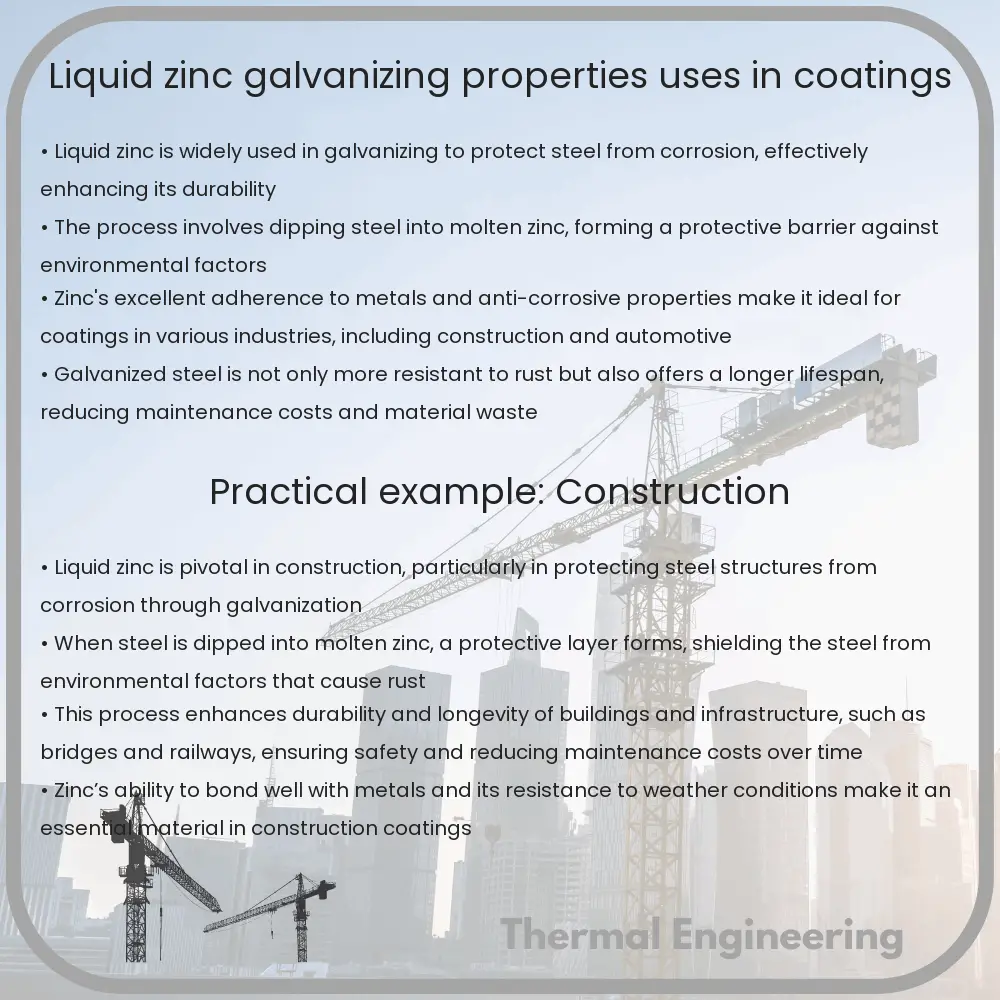
Liquid Zinc | Galvanizing Properties, Uses in Coatings

Learn about liquid zinc and its use in galvanizing for corrosion protection and extending the lifespan of metals.

Liquid Zinc | Galvanizing Properties, Uses in Coatings

Understanding Liquid Zinc and Its Galvanizing Properties

Zinc, a versatile metal, is widely used in various forms to protect steel and iron from corrosion. A particularly effective method involves the use of liquid zinc for galvanizing. This process not only extends the lifespan of metal products but also enhances their resistance to environmental stressors.

What is Galvanizing?

Galvanizing is a metallurgical process that involves coating the surface of one metal, typically steel or iron, with another metal to protect the underlying material from corrosion. The most common method of galvanizing uses zinc, due to its robust anticorrosive properties. When exposed to the atmosphere, zinc reacts with oxygen and carbon dioxide to form a dense, adherent layer of zinc carbonate, which effectively seals the metal underneath from corrosive elements.

Properties of Zinc in Galvanizing

Zinc’s effectiveness in galvanizing stems from its chemical properties. It has a relatively low melting point (419.5°C or 787.1°F), which makes it suitable for the hot-dip galvanizing process. This process involves submerging steel or iron components in molten zinc, resulting in a durable zinc coating. Zinc also has the ability to sacrificially corrode to protect the underlying iron or steel. This sacrificial action occurs because zinc has a more negative electrochemical potential compared to iron, making it anodic to iron. When both metals are in contact and exposed to moisture, zinc corrodes preferentially, thereby protecting the iron or steel from rust.

Uses of Zinc Coatings

The use of zinc coatings can be found in various applications, encapsulating the need for durable and long-lasting protective measures:

  • Construction: Zinc coatings are employed in the construction industry for items such as steel beams, outdoor structures, and roofing materials, offering robust protection against weather elements.
  • Automobile industry: Automobile manufacturers apply zinc coatings to car bodies and parts to prevent rust and enhance the vehicle’s lifespan.
  • Consumer goods: Everyday items like nuts, bolts, and wires are often galvanized to prevent early wear and tear due to oxidation.

Advantages of Using Liquid Zinc for Galvanizing

The application of liquid zinc through hot-dip galvanizing brings several benefits, which include:

  1. Comprehensive coverage: The molten zinc flows into all cracks and crevices of the metal, providing complete coverage and superior protection against corrosion.
  2. Durability: A zinc coating typically has a longevity of several decades under normal weather conditions, significantly extending the life of metal structures.
  3. Economic efficiency: Given its long-term protective properties, galvanizing with zinc reduces the need for frequent maintenance and replacements of parts and structures.

In conclusion, liquid zinc and its galvanizing properties play an essential role in protecting metals from corrosion, thus ensuring their durability and functionality in numerous industrial and everyday applications. By understanding the galvanizing process and zinc’s protective characteristics, industries can effectively apply this knowledge to enhance the quality and longevity of metal products.

AdBlue | NOx Reduction Properties, Uses in Diesel Engines

AdBlue, a urea solution, effectively reduces NOx emissions in diesel engines through Selective Catalytic Reduction.

AdBlue | NOx Reduction Properties, Uses in Diesel Engines

Understanding AdBlue and Its Role in Reducing NOx Emissions from Diesel Engines

Diesel engines, while known for their efficiency and longevity, have a downside of emitting nitrogen oxides (NOx), which are harmful pollutants contributing to air pollution and the formation of smog. To mitigate these emissions, AdBlue, a specially formulated urea solution, is used in many modern diesel-powered vehicles. This article explores the properties of AdBlue, how it works in reducing NOx emissions, and its uses in diesel engines.

What is AdBlue?

AdBlue is a clear, non-toxic liquid that is composed of demineralized water and urea. The urea concentration in AdBlue is approximately 32.5%, a formulation standardized across the industry to ensure optimal reduction of NOx emissions through a process called Selective Catalytic Reduction (SCR). It is important to note that AdBlue is not a fuel additive; rather, it is stored in a separate tank and injected into the exhaust system of diesel vehicles.

How AdBlue Works

The main function of AdBlue is to chemically reduce NOx emissions in diesel engines via the SCR process. Here’s how it works:

  1. AdBlue is injected into the exhaust stream before it passes through the SCR catalyst.
  2. The high temperatures in the exhaust convert the urea in AdBlue to ammonia (NH3).
  3. When the exhaust gases mixed with ammonia pass over the SCR catalyst, a chemical reaction occurs where NOx is converted into nitrogen (N2) and water vapor (H2O), which are harmless.

This reaction can be summarized by the chemical equation:

4NOx + 4NH3 + O2 → 2N2 + 6H2O

Uses of AdBlue in Diesel Engines

AdBlue is primarily used in diesel engines equipped with SCR technology to comply with environmental regulations such as Euro 6, which mandate significant reductions in NOx emissions. The use cases of AdBlue include:

  • Heavy-duty vehicles such as trucks and buses
  • Passenger vehicles including cars and SUVs
  • Off-road equipment including agricultural and construction machinery

The integration of AdBlue and SCR systems in diesel engines not only helps in reducing NOx emissions but also maintains or enhances the engine’s performance and efficiency. It is a crucial component for meeting current and future emissions standards globally.

Conclusion

AdBlue plays an essential role in the automotive industry by enabling diesel engines to meet stringent environmental standards. Through the SCR process, it effectively reduces harmful NOx emissions, helping to enhance air quality. As emission regulations become more stringent, the use of AdBlue and SCR technology is likely to become more widespread among diesel-powered vehicles.

The importance of this technology illustrates a significant shift in how environmental challenges are being addressed in the automotive sector, making diesel engines cleaner and more compatible with a sustainably focused world.

Liquid Soap | Versatile Cleaning Properties, Hygiene Uses

Explore the versatile uses and benefits of liquid soap in cleaning and hygiene, highlighting its composition, effectiveness, and customization options.

Liquid Soap | Versatile Cleaning Properties, Hygiene Uses

Liquid Soap: Versatile Cleaning Properties and Hygiene Uses

Liquid soap is a ubiquitous product, valued not only for its effectiveness in cleaning but also for its versatile applications in promoting hygiene and sanitation. Derived primarily from fats and oils through a process known as saponification, liquid soap has a distinct advantage over traditional bar soap due to its ease of use and diverse formulation possibilities.

Composition of Liquid Soap

The basic composition of liquid soap includes water, fatty acid salts, and various additives that enhance its properties. Fatty acids, often derived from natural sources such as coconut or palm oil, are neutralized with an alkali, typically potassium hydroxide (KOH), to form soap. This chemical reaction can be represented as:

Fatty Acid + KOH → Soap + Glycerol

This simplicity in composition, however, belies the complexity of possible additives which can include moisturizers, fragrances, colorants, and preservatives, allowing for customization tailored to a wide range of hygiene needs.

Cleaning Effectiveness of Liquid Soap

Liquid soap is highly effective in removing dirt, oils, and microbes from surfaces. Its cleaning prowess is due to its surfactant nature, which reduces the surface tension of water. This allows the soap to spread more easily over surfaces and penetrate grime. The mechanism involves the soap molecules surrounding oil particles, creating emulsions that are then rinsed away with water.

  • Oil and Grease Removal: The hydrophobic (water-repelling) tail of soap molecules attaches to oil, while the hydrophilic (water-attracting) head remains in the water, effectively removing grease and oil when washed away.
  • Microbial Removal: Soap encases dirt and microorganisms within micelles (tiny soap particle clusters), which are then flushed away with water, significantly reducing the presence of pathogens.

Hygiene and Sanitation with Liquid Soap

Liquid soap plays a crucial role in personal hygiene and public health. In environments where the transmission of disease is a concern, such as hospitals and food preparation areas, it proves indispensable for the following reasons:

  1. Prevention of Disease Spread: Regular handwashing with soap is one of the most effective ways to prevent the spread of infectious diseases. Liquid soap is preferred in many public restrooms due to its dispensing convenience, reducing cross-contamination points.
  2. Skin Health: With customizable formulations, liquid soaps can be enriched with skin-friendly ingredients like aloe vera or glycerin, promoting skin health and not stripping away natural oils as aggressively as some bar soaps can.

Environmental and Economic Considerations

While liquid soap offers numerous benefits, it also comes with environmental considerations. The use of plastic packaging for liquid soap contributes to plastic waste, although many companies are moving towards more sustainable packaging solutions. On an economic note, liquid soap may require more frequent replenishment than bar soap, potentially increasing costs over time. However, its effectiveness, particularly in high-traffic areas, can justify the expense.

In conclusion, liquid soap is a critical component in maintaining cleanliness and hygiene in both domestic and commercial settings. Its ability to be tailored for specific uses, combined with its ease of use, makes it a reliable choice in the fight against dirt and pathogens.

Thermal conductivity of graphene-based materials

Learn about the exceptional thermal conductivity of graphene and its impact on technology and engineering applications.

Thermal conductivity of graphene-based materials

Exploring the Thermal Conductivity of Graphene-Based Materials

Graphene, a single layer of carbon atoms arranged in a two-dimensional honeycomb lattice, has drawn considerable attention due to its remarkable physical properties. One of the most impressive is its thermal conductivity, which is among the highest of any known material. This characteristic makes graphene and its composites highly interesting for various applications in engineering and technology, particularly for thermal management systems.

Understanding Thermal Conductivity in Graphene

Thermal conductivity is a measure of a material’s ability to conduct heat. In solids, it occurs mainly through lattice vibrations (phonons) and, to a lesser extent, through charge carriers (electrons). Graphene’s sp2 bonded carbon atoms provide it with unique electronic properties and a strong, rigid lattice structure that facilitates the rapid transfer of phononic heat energy across the material.

Factors Affecting Thermal Conductivity in Graphene

  • Defects and impurities: The presence of defects (such as vacancies or dislocations) and impurities can scatter phonons, thereby reducing the thermal conductivity.
  • Isotope composition: Natural graphene contains a mixture of carbon isotopes (mainly 12C and 13C). The presence of 13C, which has different vibrational properties, can result in phonon scattering and reduced thermal conductivity.
  • Grain boundaries: In polycrystalline graphene, the boundaries between different crystal domains can scatter phonons and electrons, affecting the thermal flow.
  • Sample size and thickness: The dimensions of the graphene sample can influence its thermal conductivity. For example, smaller graphene flakes generally have lower conductivity due to boundary scattering effects.

Measurement and Models of Thermal Conductivity

Experimental measurements of graphene’s thermal conductivity have shown values ranging from about 1500 W/mK to over 5000 W/mK at room temperature, highlighting not only the material’s exceptional heat conduction capabilities but also the variability due to sample quality and preparation techniques. Various models, including the Boltzmann Transport Equation and molecular dynamics simulations, have been employed to predict and understand the thermal behavior of graphene.

Applications of High Thermal Conductivity Graphene

  1. Electronics cooling: Graphene’s high thermal conductivity makes it an ideal candidate for managing heat in electronic devices, potentially allowing for faster, smaller, and more efficient components.
  2. Composite materials: By incorporating graphene flakes into polymers, ceramics, or metals, the thermal properties of the base material can be significantly enhanced, making them more suitable for heat-critical applications.
  3. Photovoltaic cells: Efficient heat dissipation can improve the performance and longevity of solar cells. Graphene could play a role in future photovoltaic materials where thermal management is crucial.

Conclusion

The extraordinary thermal conductivity of graphene offers numerous possibilities for engineering applications, particularly where heat dissipation is crucial. Continuing research and development in this area are likely to further harness these properties, broadening the scope of its applications in modern technology.

Synthetic Lubricants | Performance Characteristics, Industrial Uses

Synthetic lubricants are engineered to excel under extreme conditions, offering superior performance and efficiency across various industries.

Synthetic Lubricants | Performance Characteristics, Industrial Uses

Synthetic Lubricants: Enhancing Performance and Industrial Application

Synthetic lubricants, engineered through complex chemical processes, have been designed to provide superior performance under extreme conditions. Unlike natural lubricants derived from petroleum, synthetic lubricants are built from base chemicals or synthesized from other raw materials. Here, we explore the performance characteristics of synthetic lubricants and their diverse uses in various industries.

Performance Characteristics

Synthetic lubricants boast a range of properties that often surpass those of their mineral-based counterparts in terms of:

  • Temperature Stability: Synthetic lubricants can perform effectively at both high and low temperatures. They have a lower freezing point and a higher boiling point, making them ideal for applications that experience extreme thermal conditions.
  • Viscosity Index: These lubricants tend to have a high viscosity index, which means their viscosity changes less with temperature. This trait ensures better protection and efficient operation across a wide temperature range.
  • Thermal Degradation Resistance: Synthetics are less prone to thermal breakdown, thus minimizing the formation of sludge and deposits. This resistance promotes cleaner operation and extends the life cycle of both the lubricant and the machinery.
  • Volatility: Lower volatility helps reduce oil consumption and emissions, as synthetic lubricants tend to evaporate less when exposed to high temperatures.
  • Load-carrying Capacity: Enhanced ability to withstand extreme pressures and loads without breaking down helps reduce wear and tear on components.
  • Compatibility: Advanced synthetic oils are compatible with a variety of seals and materials found in equipment, reducing the risk of leaks and component failure.

Industrial Uses

Synthetic lubricants find application across a broad spectrum of industries due to their enhanced properties:

  • Automotive Industry: Used in engine oils, transmission fluids, and gear oils, synthetics provide enhanced performance and fuel economy, along with extended oil change intervals.
  • Aerospace Industry: For aircraft engines and hydraulic systems, synthetic lubricants offer excellent performance at extreme temperatures and pressures, critical for both safety and efficiency in aviation.
  • Manufacturing Industry: Synthetic lubricants are used in industrial machinery and hydraulic systems, where high load, temperature, and contaminants can significantly affect operational efficiency.
  • Marine Industry: In marine engines and equipment, synthetics help in reducing corrosion and wear caused by saltwater environments, improving reliability and life span of shipboard machinery.
  • Energy Sector: In wind turbines and other renewable energy equipment, synthetic lubricants facilitate reliable operation in harsh environments, optimizing performance and durability.
  • Food and Pharmaceutical Industries: Specialty synthetics, which are inert and non-toxic, are crucial in applications where contamination could affect product safety and quality.

In conclusion, synthetic lubricants are an essential component in modern engineering and industrial applications, offering superior performance across a range of demanding conditions. Their ability to maintain protective qualities in extreme environments translates into enhanced operational efficiencies, reduced maintenance costs, and longer service intervals. With ongoing advancements in chemical formulation and processing, the role of synthetic lubricants is set to expand further, particularly in high-performance and environmentally sensitive applications.

Thermal Oil | High Temperature Transfer, Industrial Heating Uses

Explore the essentials of thermal oil, a heat transfer fluid used for high-temperature applications in various industries.

Thermal Oil | High Temperature Transfer, Industrial Heating Uses

Understanding Thermal Oil: High Temperature Transfer and Its Industrial Applications

Thermal oil, also known as heat transfer oil or thermal fluid, plays a critical role in systems where high temperatures are needed but direct heating by flame is impractical. It is especially useful in various industrial processes where precise temperature control and uniform heating are essential.

What is Thermal Oil?

Thermal oil is a specialized heat transfer fluid designed to withstand high temperatures without the need for high pressure systems. Unlike water or steam, thermal oil can operate at temperatures over 300°C (572°F) at atmospheric pressure. This capability is due to its high boiling point and thermal stability.

Composition and Types

Thermal oils are typically derived from petrochemical sources, consisting of hydrocarbons or synthetic compounds. Common types include:

  • Mineral oils: Derived from petroleum distillation.
  • Synthetic fluids: Manufactured chemicals offering enhanced thermal stability and performance at very high or very low temperatures.
  • Silicone-based fluids: Known for their high thermal stability and excellent low-temperature properties.

Thermal Properties

The performance of thermal oil is largely determined by its thermal capacity and thermal conductivity. These properties enable the oil to carry heat efficiently and consistently across systems. Thermal stability, another important characteristic, refers to the oil’s ability to resist chemical breakdown at elevated temperatures.

Industrial Applications of Thermal Oil

Due to its ability to provide high-temperature heat in a stable and controlled manner, thermal oil is extensively used across various industries.

  • Chemical industry: Used in the manufacture of chemicals where precise temperature control is crucial.
  • Plastics and rubber production: Heats presses and molds used in processing plastics and rubber.
  • Textile industry: Provides the necessary heat for processes such as dyeing and drying.
  • Food and beverage production: Employed in the pasteurization and other heating processes where contamination prevention is key.
  • Oil and gas: Used in the extraction and processing of oil and gas for pipeline heating and equipment maintenance.

Advantages of Using Thermal Oil

Thermal oil heating systems offer several advantages over traditional steam systems, including:

  • Operational Safety: Operates at atmospheric pressure, reducing the risk of explosion and high-pressure hazards.
  • High Efficiency: Provides precise temperature control that contributes to process uniformity and quality.
  • Low Maintenance: Without the need for chemical treatments or corrosion inhibitors typically required in steam systems.
  • Long Lifespan: Due to thermal stability, thermal oils degrade slower than other heat mediums under proper conditions.

Maintenance and Safety Concerns

Although thermal oil systems are generally safe and reliable, they require proper maintenance and handling to prevent issues like overheating and contamination. Regular thermal oil analysis is crucial for detecting chemical degradation and contaminant build-up.

Safety precautions in handling and operating thermal oil systems include proper training for personnel on leak detection, understanding the flash point and fire point of the thermal oil, and appropriate fire safety measures. Moreover, ensuring that thermal expansion tanks and relief systems are in good working order is vital for safe operation.

By understanding the properties, uses, and maintenance requirements of thermal oil, industries can effectively harness its benefits for high-temperature processing, contributing to enhanced efficiency and safety in their operations.

Diesel Fuel | Energy Density, Uses in Transportation

Diesel fuel, with its high energy density, is vital for efficiently powering heavy vehicles, marine transport, and agricultural equipment.

Diesel Fuel | Energy Density, Uses in Transportation

Diesel Fuel: Understanding Its Energy Density and Uses in Transportation

Diesel fuel is a key player in the world of transportation, powering everything from large trucks to buses, boats, and farm equipment. Its prominence in the transportation sector is largely due to its high energy density compared to other fuel types, such as gasoline. This article aims to explore the concept of energy density in diesel fuel and its implications for use in various transportation modes.

What is Diesel Fuel?

Diesel fuel is a type of liquid fuel that is commonly used in diesel engines, a kind of internal combustion engine where air is compressed to a high temperature and then fuel is injected into the compressed air. Diesel fuel itself is primarily derived from crude oil, but it can also be produced from biomass, natural gas, and even coal through a variety of chemical processes.

Energy Density of Diesel Fuel

Energy density is a measure of the amount of energy stored in a given system or region of space per unit volume. For fuels, it is typically expressed in units of mega-joules per liter (MJ/L). Diesel fuel has a high energy density, generally around 35.8 MJ/L. This higher energy density means that diesel engines can travel significantly further on a liter of fuel than engines using less dense fuels like gasoline, which has an energy density of about 34.2 MJ/L.

Why is High Energy Density Important?

A higher energy density in diesel fuel translates to greater fuel efficiency. Vehicles employing diesel engines can cover greater distances using the same amount of fuel as a gasoline engine. This efficiency not only makes diesel a cost-effective option but also impacts the environmental aspect by reducing the per kilometer CO2 emissions when compared to gasoline engines.

Uses of Diesel in Transportation

  • Heavy Vehicles: Diesel engines are preferred for heavy vehicles such as trucks, buses, and construction equipment due to their robust torque and durability. The high energy density of diesel fuel allows these vehicles to operate efficiently under heavy load conditions.
  • Marine Transportation: Diesel is extensively used in marine transport. Ships powered by diesel engines benefit from the fuel’s high energy density, aiding in longer travel distances between fuel stops.
  • Rail Transport: Diesel locomotives use diesel-electric technology, where the diesel engine powers a generator that produces electricity to drive the locomotive’s electric motors. Here again, the fuel’s energy density plays a crucial role in sustaining long-distance and heavy freight operations without frequent refueling.
  • Agricultural Equipment: Farming machinery such as tractors and combines also predominantly use diesel fuel for the same reasons of efficiency and better high-load performance.

Diesel fuel’s high energy density coupled with the efficiency of diesel engines makes it an integral part of the global transportation infrastructure. Despite concerns over diesel emissions, ongoing advancements in diesel engine technology and cleaner diesel fuels continue to maintain diesel’s position as a critical fuel resource in various transportation sectors.

Environmental Concerns and Innovations

Concerns over the environmental impact of diesel emissions have led to innovations aimed at reducing these effects. Modern diesel engines are equipped with technologies like selective catalytic reduction and particulate filters to minimize NOx and particulate matter emissions. Additionally, the development and use of biodiesel—a diesel alternative made from vegetable oils and animal fats—are paving the way for more sustainable transportation solutions.

In conclusion, diesel fuel’s high energy density and subsequent fuel efficiency make it a valuable resource in transportation. While there are environmental challenges, ongoing advancements and innovations hold promise for cleaner and more efficient diesel use in the future.

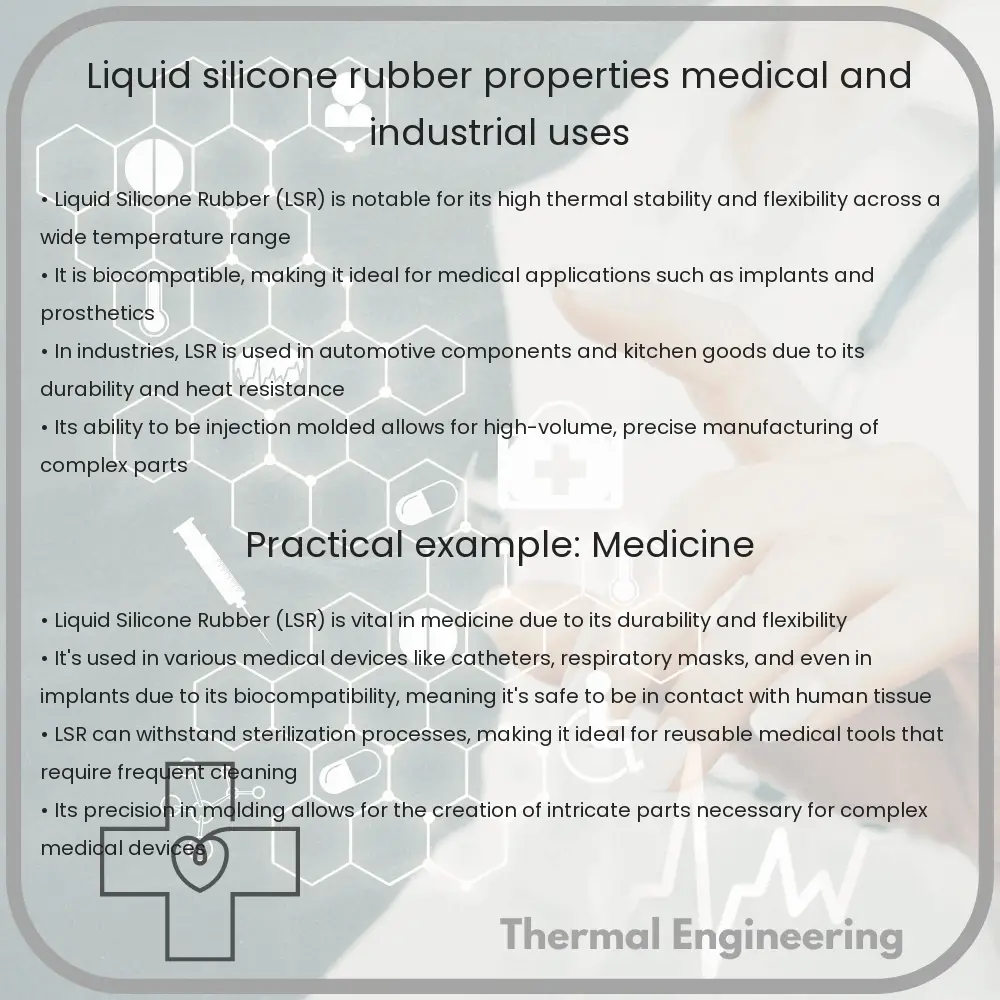
Liquid Silicone Rubber | Properties, Medical and Industrial Uses

Learn about Liquid Silicone Rubber (LSR), its key properties like thermal stability and versatility in medical and industrial applications.

Liquid Silicone Rubber | Properties, Medical and Industrial Uses

Understanding Liquid Silicone Rubber: Properties and Applications

Liquid Silicone Rubber (LSR) is a versatile material used across various industries due to its remarkable properties and adaptability. This high-purity silicone is well-suited for injection molding, allowing for the efficient fabrication of products that require precision, durability, and thermal stability.

Key Properties of Liquid Silicone Rubber

LSR boasts several physical and chemical characteristics that make it particularly useful in demanding environments:

  • Thermal Stability: LSR maintains its properties across a wide temperature range, typically from -55°C to +300°C.
  • Chemical Resistance: It is highly resistant to water, oxidation, and various chemicals, including acids and alkali.
  • Electrical Insulation: LSR has excellent insulating properties, which make it ideal for use in electrical applications.
  • Elasticity and Flexibility: This rubber exhibits high elongation and flexibility, which is maintained over its entire temperature range.
  • Biocompatibility: Being non-toxic and hypoallergenic, LSR is suitable for medical applications that come into contact with human tissue.

Medical Applications of Liquid Silicone Rubber

In the medical field, LSR’s unique properties are highly valued:

  • Surgical Tools: Due to its sterilizability and biocompatibility, LSR is used in manufacturing various surgical instruments and devices.
  • Prosthetics: LSR is used in making flexible, durable prosthetic components that are comfortable for long-term wear.
  • Medical Implants: Its stability and biocompatibility make it suitable for creating implants such as heart valves and skin adhesives.
  • Dental Products: LSR is employed in creating dental molds and appliances due to its precision in molding and non-reactive nature.

Industrial Uses of Liquid Silicone Rubber

LSR application extends well into various industrial sectors:

  • Automotive Components: It is used to make seals, gaskets, hoses, and other components that require high durability and resistance to extreme temperatures.
  • Aerospace Applications: The thermal and chemical resistance of LSR makes it suitable for manufacturing insulation materials and components exposed to harsh environmental conditions in aerospace technology.
  • Electronics: LSR’s insulating properties are employed in coating and protecting electronic components.
  • Food Industry: Its non-toxic nature makes it ideal for food storage, cooking molds, and seals in appliances.

In conclusion, Liquid Silicone Rubber is a critical material that spans a wide range of applications from delicate medical tools to robust industrial components. Its unique properties of heat resistance, flexibility, and biocompatibility allow it to meet the requirements of highly specialized applications, making it a backbone material in modern manufacturing and product design.

Liquid Carbon Dioxide | Supercritical Fluid Extraction, Dry Cleaning

Explore the versatile uses of liquid carbon dioxide in engineering, from supercritical fluid extraction to eco-friendly dry cleaning methods.

Liquid Carbon Dioxide | Supercritical Fluid Extraction, Dry Cleaning

Understanding Liquid Carbon Dioxide and Its Uses in Engineering

Liquid carbon dioxide (CO2) is a form of carbon dioxide where it exists in a liquid state under high pressure or at a low temperature. This peculiar state of CO2 is particularly useful in various industrial processes due to its unique properties, such as non-flammability, low toxicity, and ability to act as a solvent. In the field of engineering, liquid CO2 is prominently used in supercritical fluid extraction and as a cleaning solvent in dry cleaning processes.

Supercritical Fluid Extraction (SFE)

Supercritical fluid extraction is a process that uses supercritical carbon dioxide as the main solvent. When carbon dioxide is subjected to temperatures above 31.1°C and pressures above 73.8 atmospheres, it reaches a supercritical state, where it exhibits properties of both gases and liquids. This state allows supercritical CO2 to penetrate materials like a gas but dissolve substances like a liquid.

  • Applications: SFE is commonly used in the food, pharmaceutical, and environmental industries. For instance, it’s employed to decaffeinate coffee and tea, extract flavors and fragrances, and for the isolation of valuable compounds from botanicals.
  • Advantages: The process is highly efficient, has lower energy requirements compared to traditional methods, and avoids the use of harmful organic solvents, making it environmentally friendly.

Dry Cleaning with Liquid CO2

Another innovative use of liquid CO2 can be seen in the dry cleaning industry. Traditional dry cleaning has often involved perchloroethylene (perc), a chemical that is effective but poses significant health and environmental risks. Liquid CO2 cleaning emerged as a safer, greener alternative.

  1. Process Description: In CO2 dry cleaning, clothes are placed in a specially designed machine that uses pressurized liquid CO2 as the cleaning solvent. The CO2 is recycled within the system, minimizing waste.
  2. Benefits: This method significantly reduces the risk of chemical exposure to workers and customers, lowers environmental impact due to the recycling of CO2, and is gentle on the clothes, thus extending their lifespan.

Both supercritical fluid extraction and CO2 dry cleaning illustrate the potential of liquid carbon dioxide to revolutionize traditional industrial processes. By harnessing the unique properties of CO2 in its liquid and supercritical states, engineers can achieve greater efficiencies and develop more sustainable practices.

Conclusion

Liquid CO2 represents a versatile tool in the engineering toolbox, providing effective solutions where traditional methods falter due to environmental and health concerns. Its use in supercritical fluid extraction and as a dry cleaning solvent showcases its broad potential and highlights the importance of innovative engineering approaches in modern industry.

The integration of such technologies not only supports industrial advancements but also contributes to a more sustainable and cleaner future. As engineers continue to explore the properties and applications of liquid CO2, its role is set to expand further, possibly leading to new breakthroughs in other fields of engineering and technology.