Facebook Instagram Youtube Twitter

Glycerin | Humectant Properties, Uses in Food and Pharmaceuticals

Learn about glycerin’s role as a humectant in food and pharmaceuticals, its properties, and diverse applications.
Glycerin | Humectant Properties, Uses in Food and Pharmaceuticals

Glycerin: Understanding Its Humectant Properties and Uses in Food and Pharmaceuticals

Glycerin, also known as glycerol, is a simple polyol compound with extensive applications across various industries due to its unique chemical and physical properties. It is a colorless, odorless, viscous liquid that is sweet-tasting and non-toxic. Central to its wide range of applications are its humectant properties, which are pivotal in food processing and pharmaceutical formulations.

What is a Humectant?

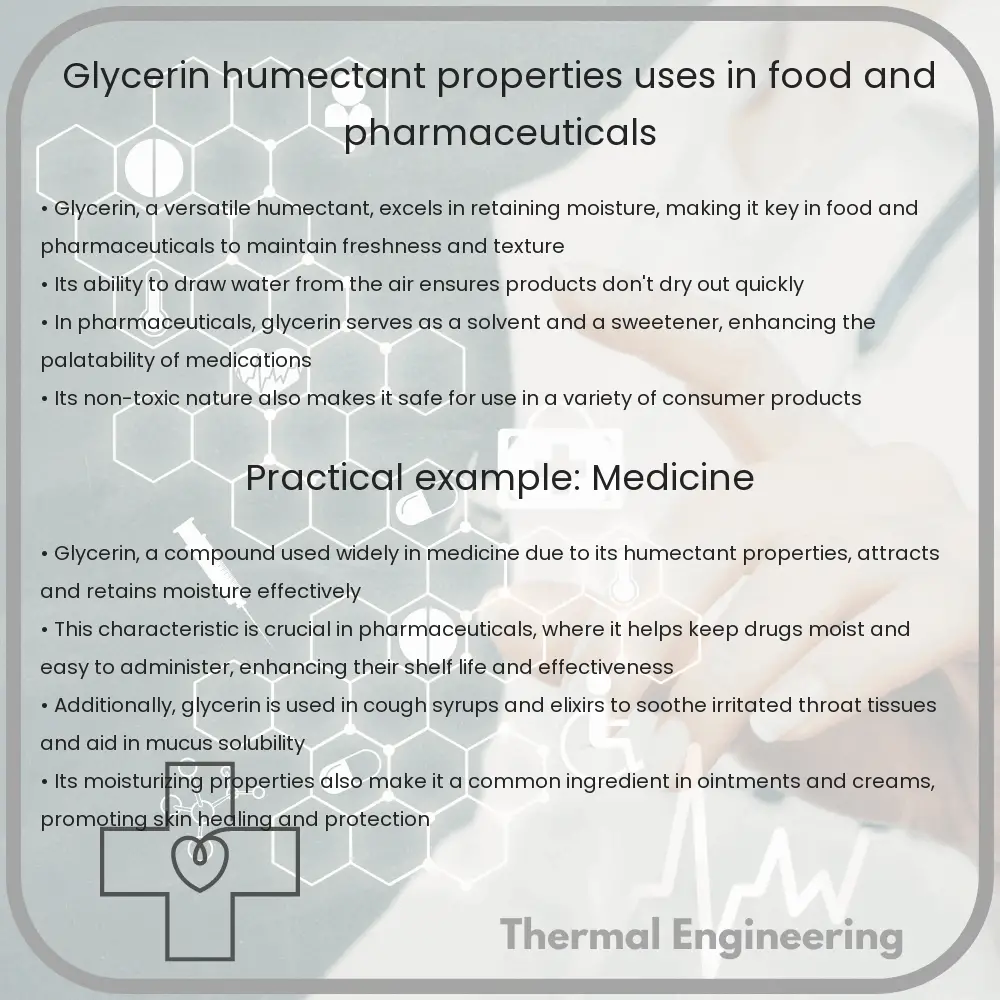
A humectant is a substance used to keep things moist. It works by attracting water from the surrounding environment through absorption, keeping the product with which it is mixed moist and increasing its shelf life. Glycerin is a highly effective humectant due to its hygroscopic nature, meaning it can attract and hold water molecules from its surroundings through either absorption or adsorption.

Glycerin’s Physical and Chemical Properties

The chemical formula for glycerin is C3H8O3, and it is structurally composed of three carbon atoms, eight hydrogen atoms, and three oxygen atoms. This structure allows glycerin to form strong hydrogen bonds with water molecules, enhancing its ability to retain moisture in products. Glycerin is soluble in both water and alcohol, which further expands its utility in diverse formulations.

Uses of Glycerin in Food Industry

  • Moisture Retention: Glycerin is commonly added to baked goods, candies, and other processed foods to help retain moisture and thereby extend shelf life.
  • Texture Enhancer: It serves as a softening agent in confectioneries like cakes and pastries, preventing them from drying out and maintaining a pleasing texture.
  • Sweetening Agent: While glycerin is not as sweet as sugar, it is often used as a sweetener in low-fat food products and can also serve as a sugar substitute in dietetic foods.
  • Solvent: It can act as a solvent for flavors and food coloring, making it easier to mix these additives into products without altering their stability.

Glycerin Uses in Pharmaceuticals

  1. Moisturizer: In topical, oral, and injected medications, glycerin is added to maintain adequate moisture content, ensuring the medicine remains effective during storage.
  2. Solvent: Glycerin serves as a solvent and carrier for active ingredients, aiding in the stability and effectiveness of the formulation.
  3. Ointments and Creams: It is extensively used in ointments and creams for its lubricating and softening properties, enhancing the spreadability and soothing effects on the skin.
  4. Laxatives: Glycerin is an active component in some laxatives, working as a hyperosmotic, drawing water into the intestines and stimulating bowel movements.

Glycerin in Everyday Products

Aside from food and pharmaceuticals, glycerin plays a crucial role in the production of multiple everyday products. It is a key ingredient in cosmetic products, personal care items like soaps and lotions, and even industrial applications such as anti-freeze formulations where its properties help to lower the freezing point of water. The biodegradable nature of glycerin also underscores its appeal in environmentally sensitive applications, reflecting its broader importance beyond just humectant properties.

Understanding the multifunctional uses of glycerin not only highlights its indispensable role in food and pharmaceutical industries but also encourages further research and potential uses in various other sectors. As a fundamental component in numerous products, glycerin continues to be an object of extensive study and application, harnessing its properties for innovative and effective solutions.
Liquid Ammonia | Refrigerant Properties, Agricultural Uses

Liquid ammonia is explored as a dual-purpose solution for refrigeration and agriculture, emphasizing its efficiency and high nitrogen content.

Liquid Ammonia | Refrigerant Properties, Agricultural Uses

Liquid Amnesia – A Dual-Purpose Marvel

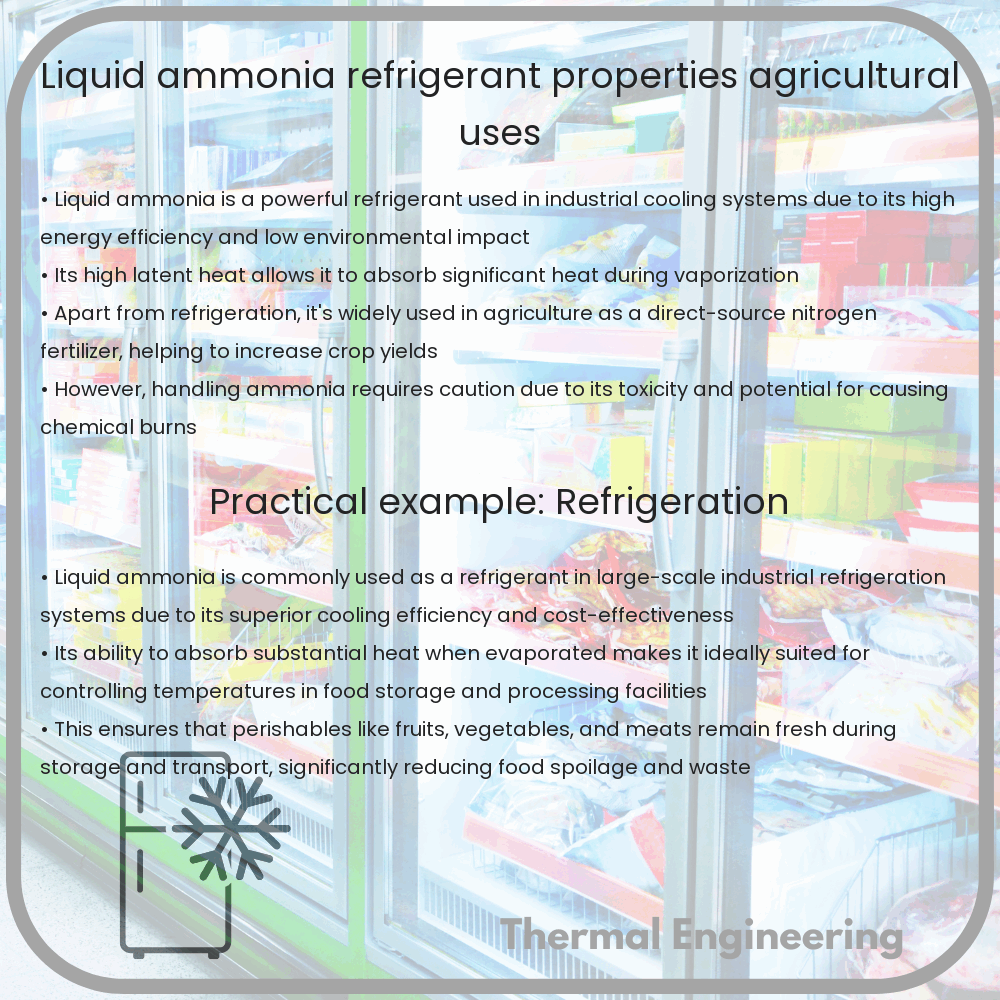
Liquid ammonia, notably a clear, colorless liquid when stored under pressure, holds significant importance in both refrigeration and agriculture. Its unique properties make it a versatile solution across these fields. This article delves into the refrigerant properties of liquid ammonia and its agricultural uses, highlighting its dual applicability.

Refrigerant Properties of Liquid Ammonia

Ammonia (chemical formula NH3) is widely recognized as an effective refrigerant. It is mostly used in industrial refrigeration systems due to its excellent thermodynamic properties. Here are the key reasons why ammonia is preferred in refrigeration:

  • High Thermal Efficiency: Ammonia has a superior cooling effect per unit volume compared to other refrigerants. This means systems using ammonia are more efficient, leading to lower operational costs.
  • Ozone-Friendly: With a global warming potential (GWP) of zero, ammonia doesn’t contribute to ozone layer depletion, unlike many fluorocarbon refrigerants.
  • Energy Efficiency: It absorbs a lot of heat from its surroundings quickly, which makes it highly effective in systems requiring rapid cooling effects.

However, the use of ammonia also presents challenges such as toxicity and flammability, which necessitate stringent safety measures and proper handling.

Agricultural Uses of Liquid Ammonia

In agriculture, anhydrous ammonia is a cornerstone for fertilizers. It offers a concentrated and readily available source of nitrogen, which is crucial for plant growth. Here’s how ammonia stands out in agricultural applications:

  • High Nitrogen Content: Anhydrous ammonia consists of about 82% nitrogen, making it one of the most concentrated nitrogenous fertilizers.
  • Cost-Effectiveness: It is often less expensive per pound of actual nitrogen than other nitrogenous fertilizers, which can lead to lower costs for farmers.
  • Soil Penetration: Being a gas at atmospheric pressure, when injected into the soil, it quickly turns to a liquid and provides nitrogen to plants in a directly usable form.

Nevertheless, the application of anhydrous ammonia must be handled carefully due to its corrosive properties and the potential for nitrogen loss to the atmosphere if not properly administered.

Conclusion

Liquid ammonia serves as a pivotal substance in both the refrigeration and agricultural sectors due to its efficient cooling properties and high nitrogen content, respectively. Its versatility and cost-effectiveness are countered by the need for careful handling due to environmental and safety concerns. Understanding these dual aspects of liquid ammonia helps in optimizing its use in varied applications while adhering to safety standards.

Perfluorocarbons | Medical Imaging, Liquid Breathing Applications

Perfluorocarbons (PFCs) are fluorinated carbon-based compounds with unique properties used in medical imaging and respiratory care.

Perfluorocarbons | Medical Imaging, Liquid Breathing Applications

Introduction to Perfluorocarbons

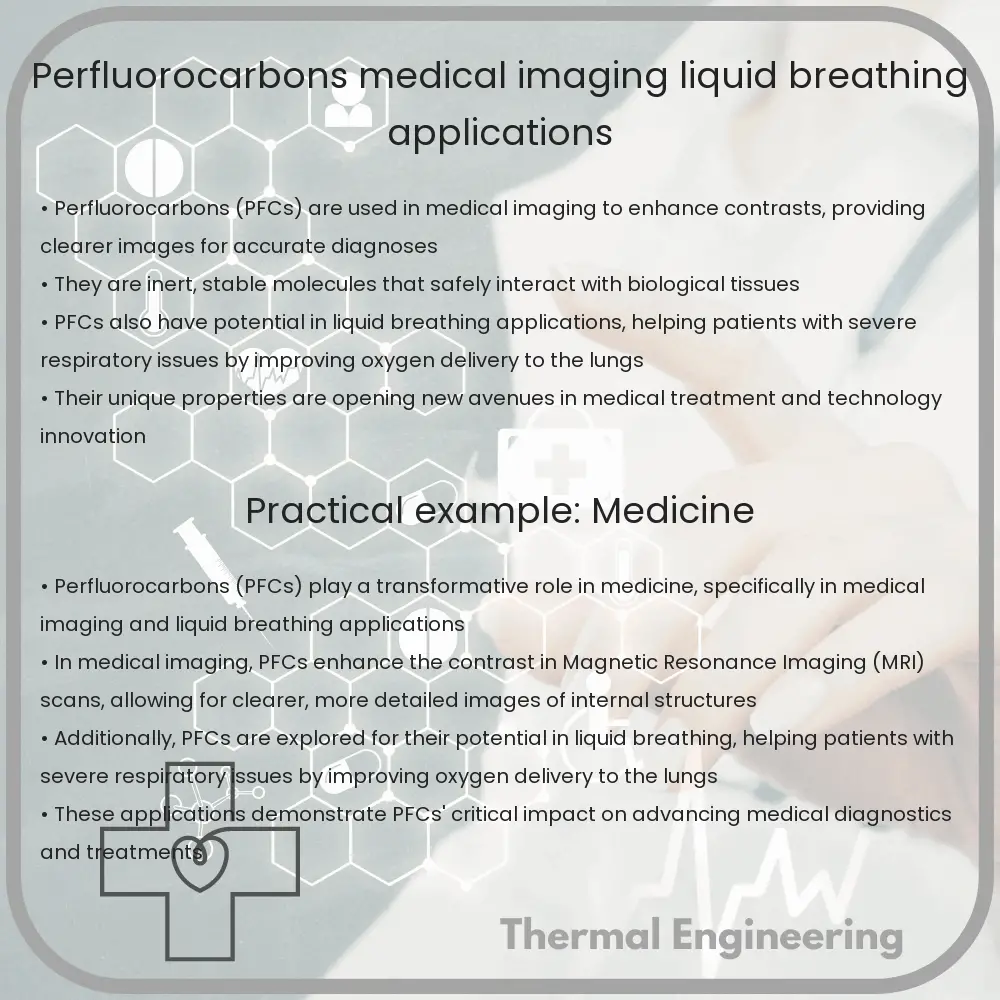
Perfluorocarbons (PFCs) are a group of carbon-based compounds that have been extensively fluorinated. Unlike hydrocarbons, all the hydrogen atoms in PFCs have been replaced by fluorine atoms. This chemical modification significantly alters their properties, lending them unique characteristics such as high solubility for gases, chemical and thermal stability, as well as low surface tension. These traits make PFCs particularly useful in various engineering and medical applications.

Perfluorocarbons in Medical Imaging

In the realm of medical imaging, perfluorocarbons are primarily used due to their ability to dissolve large amounts of oxygen and other gases. This property is harnessed in contrast agents for ultrasound imaging. Contrast agents are substances that are introduced into the body to provide a clearer image of internal structures and help in the accurate diagnosis of various conditions.

  • Ultrasound Imaging: When used in ultrasound imaging, perfluorocarbon-based emulsions can provide enhanced contrast compared to traditional imaging techniques. This is because the microbubbles formed by PFC emulsions are highly effective at reflecting ultrasound waves, which improves the quality of the image.

Perfluorocarbons in Liquid Breathing

Liquid breathing is a form of respiration in which a normally air-breathing organism breathes an oxygen-rich liquid (such as a perfluorocarbon), rather than breathing air. This futuristic concept, often seen in science fiction, has practical medical applications and implications, particularly in the treatment of severe lung diseases.

  • Pulmonary Medicine: In medical treatment, perfluorocarbons can potentially be used to help patients with severe pulmonary conditions, such as acute respiratory distress syndrome (ARDS). PFCs can carry large volumes of oxygen and carbon dioxide. When used in a liquid ventilation system, they can improve oxygen supply and facilitate carbon dioxide removal at the alveolar level, thus supporting better gas exchange.
  • Neonatal Care: Liquid ventilation using perfluorocarbons has been explored as a treatment for premature infants suffering from respiratory distress syndrome (RDS). The high density and low surface tension of PFCs can help maintain alveolar stability and prevent collapse, thereby reducing the risk of lung injury in these sensitive populations.

Conclusion

Perfluorocarbons exhibit a fascinating array of properties that have been effectively harnessed in fields as diverse as medical imaging and respiratory care. In ultrasound diagnostics, these compounds improve image clarity and precision by enhancing contrast. In the treatment of respiratory distress, perfluorocarbons facilitate better gas exchange and reduce the mechanical stress on delicate lung tissues through liquid ventilation. The ongoing research and development in the utilization of perfluorocarbons continue to broaden our understanding and capabilities in both medical science and engineering.

Kerosene | Fuel Properties, Uses in Heating and Aviation

Explore the properties, uses, and environmental impact of kerosene, a key hydrocarbon fuel in heating and aviation.

Kerosene | Fuel Properties, Uses in Heating and Aviation

Understanding Kerosene: Fuel Properties and Uses

Kerosene, a versatile hydrocarbon liquid, plays a pivotal role in both domestic and industrial settings. This article delves into the fundamental properties of kerosene, its applications in heating and aviation, and its overall impact on technology and daily life.

Chemical and Physical Properties of Kerosene

Kerosene is a clear, thin liquid derived from petroleum. It typically undergoes distillation to be purified and separated from crude oil between temperatures of 150°C and 275°C. The fuel’s chemical composition mainly consists of carbon and hydrogen, making it a hydrocarbon, with chemical formula ranges often noted as C12H26 through C15H32.

Key physical properties of kerosene include:

  • Boiling Point: Ranges between 150°C and 300°C, which makes it less volatile than gasoline.
  • Density: Typically around 0.81 kg/L at 20°C, lighter than water which allows it to float on water.
  • Flash Point: Approximately 38°C, indicating the lowest temperature at which its vapors can ignite.
  • Viscosity: Relatively low, which means it flows easily at normal temperatures.
  • Energy Content: Roughly 43.1 MJ/kg, providing a robust source of energy per unit mass.

Uses of Kerosene in Heating

Kerosene is extensively used as a heating fuel in various forms, including in space heaters, lamps, and furnaces. Its ability to store a high amount of energy per volume and its safety in handling make it a favorable choice, especially in regions without access to a continuous electricity supply:

  • Space Heaters: Often utilized in portable heating units for homes and garages. Kerosene heaters are known for their efficiency and capability to warm large spaces quickly.
  • Lamps: Before the widespread use of electricity, kerosene lamps were a primary source of lighting. Some remote areas still use these lamps.
  • Cooking: In some parts of the world, kerosene is used in stoves for cooking, benefitting from its ready availability and portability.

Uses of Kerosene in Aviation

In the aviation industry, kerosene is primarily used in the form of jet fuel, specifically Jet A and Jet A-1. These refined versions of kerosene meet rigorous specifications for burning cleaner and at higher efficiencies suitable for jet engines.

  • Jet Engines: Kerosene-based jet fuels are preferred due to their high flash point and lower freeze point, which ensures performance at various altitudes and temperatures.
  • Safety: The high flash point of kerosene also reduces the risk of accidental ignitions, an essential safety factor in aviation fuels.

Environmental Impact and Considerations

While kerosene is a necessary fuel in many applications, it is also a fossil fuel, contributing to carbon dioxide emissions when burned. Innovations in fuel technology and increases in fuel efficiency aim to mitigate these environmental impacts. Moreover, the exploration of alternative fuels and energy sources continues to be a crucial area of research in reducing dependency on kerosene and other hydrocarbons.

In conclusion, kerosene remains a critical component in both heating and aviation sectors due to its unique properties and versatility. Ongoing developments in energy efficiency and alternatives are vital to balance its usage with environmental health and sustainability.

Ethylene Glycol | Antifreeze Qualities, Industrial Applications

Learn about Ethylene Glycol’s role as an essential antifreeze ingredient and its wide range of industrial applications.

Ethylene Glycol | Antifreeze Qualities, Industrial Applications

Understanding Ethylene Glycol: The Essential Ingredient in Antifreeze

Ethylene glycol (C2H6O2) is a commonly used chemical compound in various industrial applications, the most notable being its role in antifreeze formulations. This colorless, odorless, slightly viscous liquid is prized for its ability to lower the freezing point of water, which helps in preventing the formation of ice and, consequently, the bursting of pipes and engines due to freezing temperatures.

The Antifreeze Qualities of Ethylene Glycol

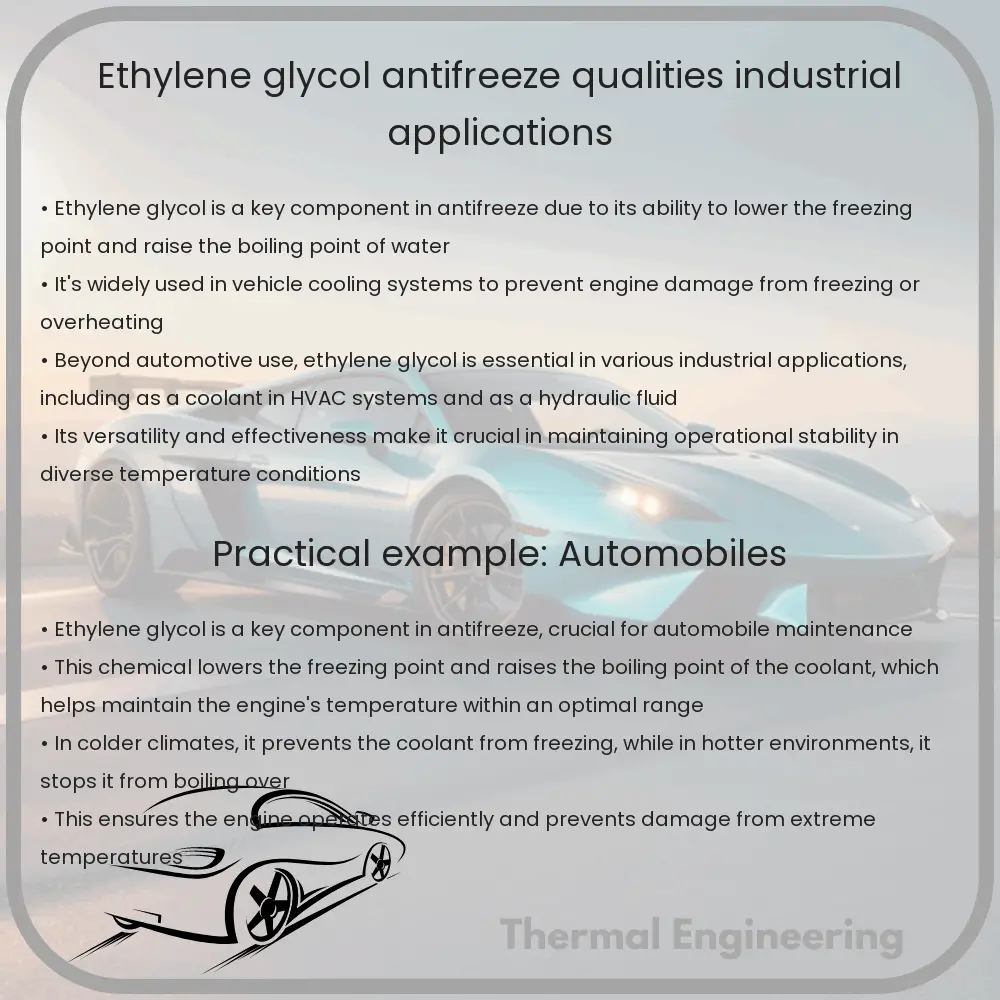
At the core of ethylene glycol’s functionality as an antifreeze is its high boiling point and low freezing point. Ethylene glycol prevents freezing of water and overheating of the engine through its thermal properties and ability to disrupt the formation of ice crystals. This makes it an essential component in cooling and heating systems, particularly in automotive antifreeze where it protects the engine components at both high and low temperatures.

  • Freezing Point Depression: When mixed with water, ethylene glycol serves to lower the freezing point of the mixture. This is critical in colder climates where water could freeze and expand, causing damage to car engines or plumbing systems.
  • Boiling Point Elevation: In addition to lowering the freezing point, ethylene glycol elevates the boiling point of water, allowing higher coolant temperatures without the risk of boiling over, which is crucial in maintaining engine performance.
  • Corrosion Inhibition: Modern ethylene glycol-based antifreeze solutions also include corrosion inhibitors that protect metal parts of the engine and cooling system against corrosion, further enhancing their lifespan and efficiency.

Industrial Applications of Ethylene Glycol

Beyond its critical role in antifreeze products, ethylene glycol finds extensive use across a diverse range of industrial applications:

  1. Manufacture of Polyester Fibers: Ethylene glycol is a key ingredient in the production of polyesters, particularly polyethylene terephthalate (PET), used in making everything from plastic bottles to polyester fabrics in the textile industry.
  2. Deicing Fluid: It is also employed as a deicing fluid for windshields and aircraft, owing to its freezing point depression properties. This application ensures optimal performance and safety under icy conditions.
  3. Heat Transfer Fluids: In industrial settings, ethylene glycol is used in heat transfer fluids to transport heat in cooling and heating systems, such as in HVAC systems or solar panels.
  4. Hydraulic and Brake Fluid: The chemical properties of ethylene glycol make it suitable for use in hydraulic brake fluid formulations, where it serves as a medium that conveys force within the brake system.

The versatility and efficiency of ethylene glycol in these applications highlight its importance in modern industrial and automotive systems. However, it is also important to handle ethylene glycol with care, as its ingestion can be toxic to humans and animals. Adequate safety measures and proper disposal are essential to prevent its harmful effects.

Conclusion

Ethylene glycol is a key compound in both the automotive and industrial sectors due to its effective thermal and chemical properties. From its use in antifreeze to its role in polyester production, this chemical facilitates numerous applications that enhance the functionality and safety of everyday products and systems. Understanding its properties helps in appreciating how it serves as a backbone for many modern technologies and industrial processes.

Liquid Gold | Conductivity, Uses in Electronics and Jewelry

Learn about liquid gold, also known as colloidal gold, its applications in electronics, jewelry making, and its unique properties.

Liquid Gold | Conductivity, Uses in Electronics and Jewelry

Liquid Gold: Overview and Characteristics

Liquid gold, often referred to in scientific circles as colloidal gold, is a suspension (or colloid) of submicrometer-sized particles of gold in a fluid – usually water. The liquid is remarkable not only for its aesthetic appeal and historical significance but also for its applications in modern technology and jewelry making.

Conductivity of Liquid Gold

Gold is known for its excellent electrical conductivity, resistance to corrosion, and ability to conduct heat efficiently. These properties make it an invaluable material in fields such as electronics and electrical engineering. When gold is in its colloidal state, it maintains these conductive properties, which can be exploited in various applications. Particularly, in electronics, gold nanoparticles are used to enhance the conductivity between components without the bulk and weight of solid gold.

Uses in Electronics

  • Circuit Boards: Gold nanoparticles are used in the manufacturing of printed circuit boards (PCBs). Gold’s excellent conductivity ensures minimal signal loss in electronic components, improving the overall efficiency of the device.
  • Connectors and Switches: Being highly resistant to oxidation and corrosion, gold is ideal for coating electrical contacts. This ensures longevity and reliability, particularly in devices that require precision and durability.
  • Sensors: Gold nanoparticles enhance the sensitivity and performance of chemical and biosensors. Their unique optical properties allow for the efficient detection and measurement of substrates or analytes involved.

Uses in Jewelry

Liquid gold is also extensively used in the jewelry industry, primarily through a process known as gold plating. Gold plating involves depositing a thin layer of gold onto the surface of another metal, such as copper or silver, by chemical or electrochemical plating. This method provides the luxurious appearance of solid gold jewelry but at a fraction of the cost, making gold-accented jewelry more accessible to a wider audience.

Conclusion

From enhancing the performance of high-tech electronic components to adorning as exquisite jewelry, liquid gold continues to be a versatile and valuable substance in various industries. Its superior conductivity, resistance to corrosion, and aesthetic appeal make it a continued subject of interest and utility in both science and fashion.

Coolant | Engine Cooling Properties, Types, Automotive Uses

Learn about coolant, a vital engine fluid that regulates temperature, prevents overheating, and shields against freezing in automotive systems.

Coolant | Engine Cooling Properties, Types, Automotive Uses

Understanding Coolant and Its Essential Role in Engine Cooling

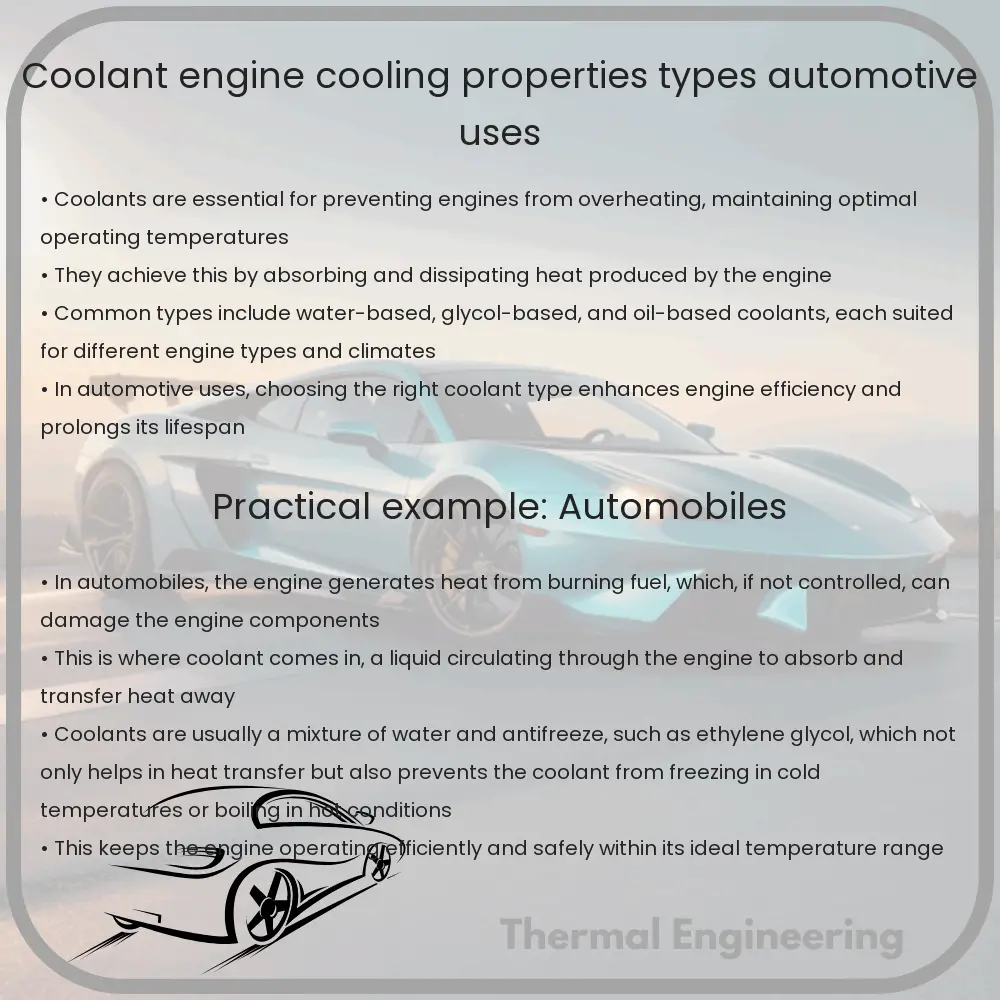
Coolant, also known as antifreeze, is a critical fluid used in automobiles and other machinery to maintain the engine’s temperature within optimal limits. Its primary role is to prevent overheating by transferring excess heat from the engine to the radiator, and in colder environments, it prevents the engine’s liquid components from freezing. Understanding the properties, types, and uses of coolant can help in enhancing engine efficiency and longevity.

Properties of Coolant

Coolant has several key properties that make it effective at maintaining engine temperature:

  • High boiling point and low freezing point: This ensures that the coolant remains in a liquid state under a wide range of temperatures.
  • Thermal conductivity: It efficiently transfers heat from the engine to the radiator.
  • Non-corrosive: An ideal coolant does not corrode the engine and other components of the cooling system.
  • Chemical stability: High stability to remain effective over long periods and under high temperatures.

These properties help in reducing the thermal stress on engines, extending their life and enhancing performance.

Types of Coolant

There are several types of coolant formulations available, each with different chemical compositions tailored to specific engine types and climate conditions:

  • IAT (Inorganic Acid Technology): This traditional type of coolant uses silicates and phosphates to prevent corrosion and is commonly used in older vehicles.
  • OAT (Organic Acid Technology): OAT coolants use organic acids that provide a longer service life and are generally silicate-free. They are popular in many modern vehicles.
  • HOAT (Hybrid Organic Acid Technology): Combining the best of both IAT and OAT, HOAT coolants contain both silicates and organic acids, designed for newer vehicle models that require more robust corrosion protection.

Choosing the right type of coolant depends largely on the vehicle manufacturer’s recommendations and compatibility with existing system materials.

Automotive Uses of Coolant

In the automotive industry, the use of coolant extends beyond simply preventing overheating and freezing. Its additional roles include:

  • Protection against corrosion: Coolants are formulated to protect the engine and cooling system components from corrosion, which can degrade the system over time.
  • Lubrication: Some coolants also include additives that help lubricate the water pump and other moving components within the cooling system.
  • Prevention of scaling: Quality coolants contain additives that prevent scale deposits, which can insulate heat transfer surfaces and reduce cooling efficiency.

Given the critical roles coolant plays in engine performance and safety, it is important to maintain coolant levels, check for leaks, and replace the coolant at intervals recommended by the vehicle manufacturer. Regular checks can help detect and address issues such as contamination or depletion of additive packages, which can impair coolant performance.

To summarize, coolant is an indispensable part of an automotive cooling system. Its selection and maintenance are vital for engine health and efficiency, safeguarding your vehicle from extreme temperatures and ensuring its optimal performance.

Heat transfer modeling in food processing

Learn about heat transfer types—conduction, convection, radiation—and their applications in food processing efficiency and safety.

Heat transfer modeling in food processing

Understanding Heat Transfer in Food Processing

Heat transfer is a foundational concept in engineering that has significant applications in food processing. The efficiency of food processing heavily depends on the proper application of heat to ensure food items are cooked effectively and safely. This guide explores the key models of heat transfer, including conduction, convection, and radiation, and their applications in the food industry.

Types of Heat Transfer

There are three primary modes of heat transfer: conduction, convection, and radiation. Each plays a crucial role in food processing, and understanding these can help in optimizing various cooking and preservation methods.

  • Conduction: This occurs when heat moves between two objects that are in direct contact with each other. In food processing, conduction is seen when heat passes from the hot surfaces of cookware into the food. For example, when baking bread, heat moves from the baking tray through the dough.
  • Convection: Convection involves the transfer of heat through a fluid (which includes both liquids and gases). In cooking, this could be the hot air moving inside an oven or the hot oil used in deep frying. The circulation of the fluid helps distribute heat more evenly across the food.
  • Radiation: Radiation refers to heat transfer via energy waves, such as infrared or microwaves. Infrared ovens or microwave cooking are practical applications of radiant heat transfer in food processing.

Mathematical Modeling of Heat Transfer

To design efficient heating processes, engineers use mathematical models that describe how heat is transferred within the food item. These models often involve solving heat transfer equations, which can predict the temperature changes in different parts of the food item over time.

The basic heat transfer equation can be expressed in the form:

q = (k * A * ΔT) / d

where:

  • q is the heat transfer rate,
  • k is the thermal conductivity of the material,
  • A is the area through which heat is being transferred,
  • ΔT is the temperature difference across the material,
  • d is the thickness of the material.

For more complex food items, these equations become part of a larger system of differential equations that might also consider changes in phase (like melting or evaporating), biochemical reactions (like enzymatic reactions), or microbial growth and death.

Practical Applications in Food Processing

Here are some of the key applications of heat transfer models in food processing:

  • Sterilization and Pasteurization: Heat transfer models help in designing processes that ensure all parts of the food are exposed to sufficient heat to destroy harmful microorganisms without compromising the food’s quality.
  • Drying and Dehydration: Effective drying relies on understanding evaporative heat transfer as moisture is removed from the product. Models assist in optimizing temperature and air flow to minimize energy use and processing time.
  • Freezing and Thawing: Models predict the required conditions to achieve rapid freezing which is critical to maintaining the texture and nutritional quality of food. Similarly, controlled thawing ensures even heating and prevents the growth of pathogens.

Conclusion

Heat transfer modeling is vital in food processing as it aids in improving efficiency, safety, and quality of food products. By applying principles of physics and engineering through these models, food processing techniques can be refined to meet consumer demands and regulatory standards effectively. Continuous advancements in computational methods further enhance the precision of these models, offering exciting prospects for the future of food processing technology.

Plasma | Fourth State of Matter, Uses in Technology and Medicine

Plasma” examined as the fourth state of matter, detailing its properties, uses in technology and medicine, and its importance in the universe.

Plasma | Fourth State of Matter, Uses in Technology and Medicine

Plasma: The Fourth State of Matter

While most people are familiar with the three common states of matter—solid, liquid, and gas—there is a fourth state that is equally fundamental yet less widely understood: plasma. Plasma is essentially a collection of charged particles containing an approximately equal number of positively charged ions and negatively charged electrons. This state occurs when an external force, such as heat or magnetic fields, ionizes gas by adding enough energy to overcome the binding energy that holds electrons in place around their respective nuclei.

Characteristics of Plasma

Plasma has some unique properties that distinguish it from gases, despite originally being one. It’s highly conductive, responds to electromagnetic fields, and emits light. Because of these properties, plasma is often considered the most abundant form of ordinary matter in the universe, predominating in stars and in the interstellar and intergalactic mediums.

Uses of Plasma in Technology

  • Electronics and Display Technologies: Plasma is used in the production of semiconductor devices through processes such as plasma etching and plasma-enhanced chemical vapor deposition. Additionally, plasma technology was fundamental in developing the plasma screen displays that were popular in early flat-screen televisions.
  • Material Processing: Plasma torches, which produce very high temperatures, can cut metals and other materials with precision. This technology is widely used in industrial fabrication and manufacturing.
  • Lighting: Plasma is used in fluorescent bulbs and neon signs where it excites phosphors to emit light, offering an efficient alternative to traditional incandescent light bulbs.

Uses of Plasma in Medicine

  • Sterilization: Low-temperature plasma is employed to sterilize medical and surgical tools, especially those that are sensitive to high temperatures. Plasma sterilization involves exposing materials to reactive agents that destroy pathogens without damaging the sensitive components of the instruments.
  • Therapeutic Treatment: Plasma medicine is an emerging field that explores how plasma can be used to promote wound healing, kill harmful bacteria, and potentially treat certain cancers through selective targeting of malignant cells.

Conclusion

Plasma, the fourth state of matter, extends its significance far beyond theoretical interest; it has pragmatic applications across various sectors, including technology and medicine. As research continues, the scope of plasma applications widens, promising innovative solutions to some of the most challenging problems in medical therapy and industrial processes. Understanding and harnessing plasma’s unique properties might be key to pioneering advancements in many sciences and engineering domains.

Liquid Argon | Inert Properties, Uses in Welding and Lighting

Learn about liquid argon’s inert properties and its crucial role in welding and lighting technologies.

Liquid Argon | Inert Properties, Uses in Welding and Lighting

Liquid Argon: A Versatile Inert Gas in Engineering

Liquid argon is a substance valued for its inertness and unique physical properties. Argon, a noble gas, is characterized by its lack of chemical reactivity, which makes it an ideal candidate for use in environments where materials must not react with surrounding elements. In its liquid form, argon provides an efficient solution for various applications in engineering, particularly in welding and lighting technologies.

Inert Properties of Liquid Argon

Argon is the third-most abundant gas in the Earth’s atmosphere, making up about 0.93% of it. As a noble gas, argon’s outer electron shell is complete, rendering it largely inert. This means it does not easily form chemical bonds with other elements. Its inertness is crucial in applications that require a non-reactive environment to prevent unwanted chemical reactions.

Uses of Liquid Argon in Welding

  • Shielding Gas: In the process of welding, liquid argon is vaporized and used as a shielding gas in gas tungsten arc welding (GTAW) and gas metal arc welding (GMAW). Its purpose is to protect the weld area from atmospheric gases such as oxygen, nitrogen, and water vapor. This protection is crucial as these gases can cause oxidation and other unwanted reactions that weaken the weld.
  • Enhancing Weld Quality: Argon helps in stabilizing the electric arc during welding, facilitating a smoother and more controllable process. This results in uniform and cleaner welds, important for maintaining the strength and integrity of the metal.
  • Applications: Due to its effectiveness, argon is widely used in welding processes for aerospace, automotive, and manufacturing sectors, where precise and strong welds are necessary.

Uses of Liquid Argon in Lighting

  • Gas Discharge Lamps: Liquid argon is also used in lighting, specifically in gas discharge lamps. When electrified, argon emits a pale blue-violet light. Argon-filled lamps are often used for decorative and architectural lighting due to the distinctive color they produce.
  • Preserving Filament: In incandescent bulbs, argon is often used along with nitrogen to fill the bulb instead of a vacuum. This helps in preventing the tungsten filament from deteriorating too quickly. Argon serves as a protective atmosphere that reduces the filament evaporation and increases the lifespan of the bulb.

Conclusion and Future Applications

Liquid argon remains a cornerstone in both welding and lighting industries thanks to its inert properties. Its ability to create non-reactive environments is essential in producing effective and reliable results in each application. Beyond these uses, the potential for liquid argon is expanding into areas such as semiconductor manufacturing and medical procedures, where controlled environments are critical. As technology advances, the reliance on fundamental elements like liquid argon illustrates the intersection of natural sciences and engineering innovation. This ongoing evolution predicts a bright future for applications using this versatile gas.