Facebook Instagram Youtube Twitter

12 Types of Fluid Dynamics Experiments for Education

Learn about the fundamental principles of fluid dynamics through engaging and practical experiments designed for education and enthusiasts.
12 Types of Fluid Dynamics Experiments for Education

12 Types of Fluid Dynamics Experiments for Education

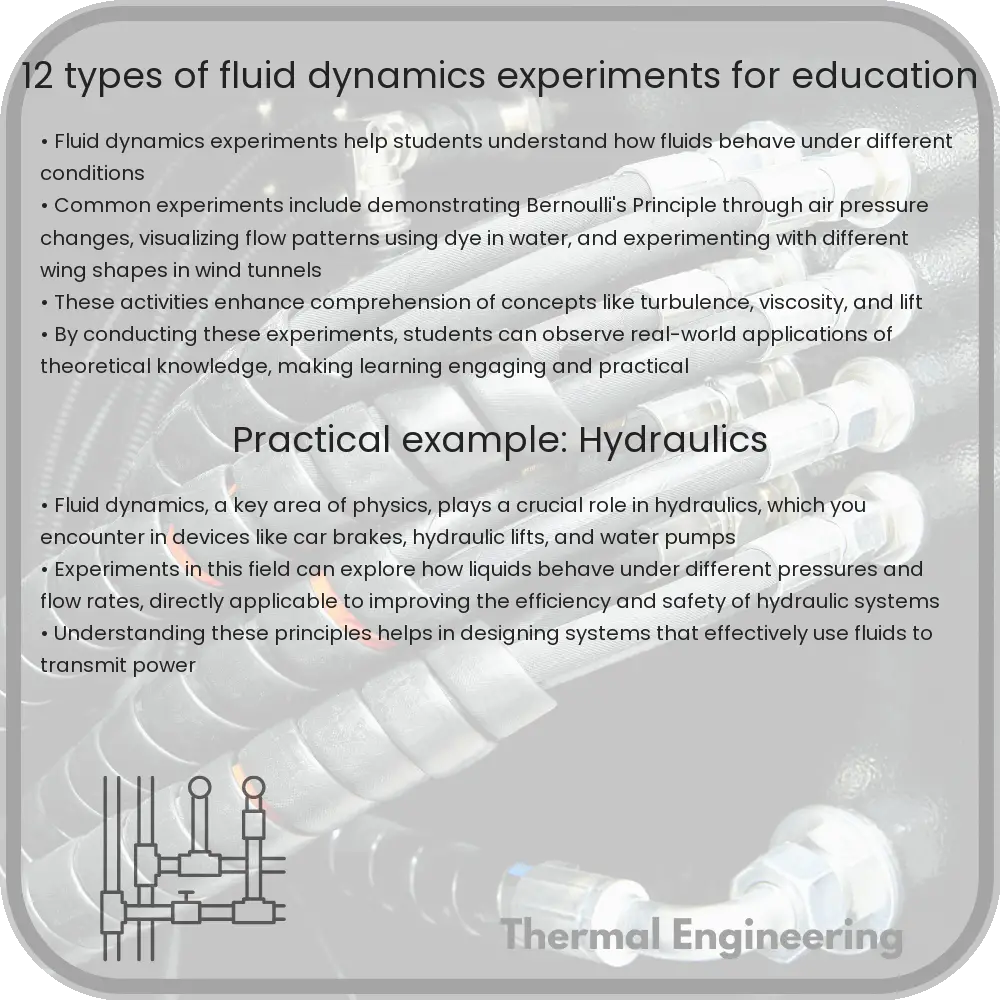
Fluid dynamics, the study of how fluids behave when they are in motion, is a fundamental subject in physics and engineering. Understanding fluid dynamics helps us design everything from airplanes and cars to predicting weather patterns and understanding the flow of blood in the body. Here are 12 fluid dynamics experiments that can be conducted to help students and enthusiasts gain a hands-on understanding of this fascinating field.

1. Bernoulli’s Principle Demonstration

This experiment demonstrates that an increase in the speed of a fluid occurs simultaneously with a decrease in pressure or potential energy. By blowing air across the top of a paper strip, students can observe the paper rising, illustrating how pressure decreases as air velocity increases.

2. Venturi Tube Experiment

The Venturi tube illustrates fluid dynamics by showing how fluid pressure decreases as the fluid speeds up in a constricted section of the tube. This is another practical demonstration of Bernoulli’s Principle and can be set up with simple materials like plastic tubing and funnels.

3. Reynolds Number Experiment

This experiment involves observing the flow of different fluids to identify the types of flow—laminar or turbulent. By injecting dye into the fluid and observing its path, students can see how fluid flow changes with velocity, viscosity, and pipe diameter. This experiment helps in understanding the concept of Reynolds number, a dimensionless quantity in fluid mechanics.

4. Hydraulic Jump Experiment

A hydraulic jump occurs when a high-velocity liquid discharges into a zone of lower velocity water, causing a sudden rise. This can be demonstrated using a simple rectangular channel with water flowing through it, and it’s excellent for studying energy dissipation in fluid flows.

5. Viscosity Measurement Experiment

Students can explore how viscosity, or the thickness of a fluid, affects flow rate by comparing the time it takes for different liquids to flow through small openings. Common household fluids like honey, water, and oil can be used for this experiment.

6. Water Tunnel Experiment

A water tunnel can be used to visualize flow around objects. By placing models of buildings, cars, or airfoils in the tunnel, students can observe patterns of streamlines and turbulence, thus understanding the principles of aerodynamics and hydrodynamics.

7. Stoke’s Law Experiment

This experiment helps determine the terminal velocity of a sphere falling through a viscous fluid, illustrating Stoke’s Law. It’s an excellent way to investigate the forces of gravity and viscous drag.

8. Boundary Layer Observation

Understanding the boundary layer — the layer of fluid in the immediate vicinity of a bounding surface — is crucial in fluid dynamics. Using a smoke or dye visualization technique, students can observe the formation and behavior of the boundary layer over surfaces.

9. Lift and Drag on Airfoils

By constructing simple airfoils and testing them in wind tunnels, students can measure the lift and drag forces that are fundamental to aerodynamics. This can be extended to investigations on the effect of airfoil shape on its performance.

10. Flow Rate and Pressure Drop Experiment

This experiment investigates the relationship between flow rate and pressure drop in pipes, crucial for engineering projects involving fluid transport. By changing the diameter or roughness of the pipes, students can see firsthand the factors affecting flow rate and pressure losses.

11. Wave Tank Demonstrations

A wave tank can be used to demonstrate various wave phenomena including reflection, refraction, and diffraction. It helps in understanding the properties of waves in fluid environments, which is essential in marine engineering.

12. Capillary Action Experiment

Students can explore the principle of capillary action through experiments observing how fluids move up through narrow tubes against the force of gravity. This process is crucial in biological systems and in technologies such as inkjet printing.

These experiments are not only educational but can also be engaging and fun, offering students a vivid experience of the principles of fluid dynamics, emphasizing the importance of hands-on learning in understanding complex concepts.
3 Types of Solar Thermal Collectors and Efficiency

Learn about solar thermal collectors, devices that transform sunlight into heat for water and space heating, and industrial uses.

3 Types of Solar Thermal Collectors and Efficiency

Understanding Solar Thermal Collectors

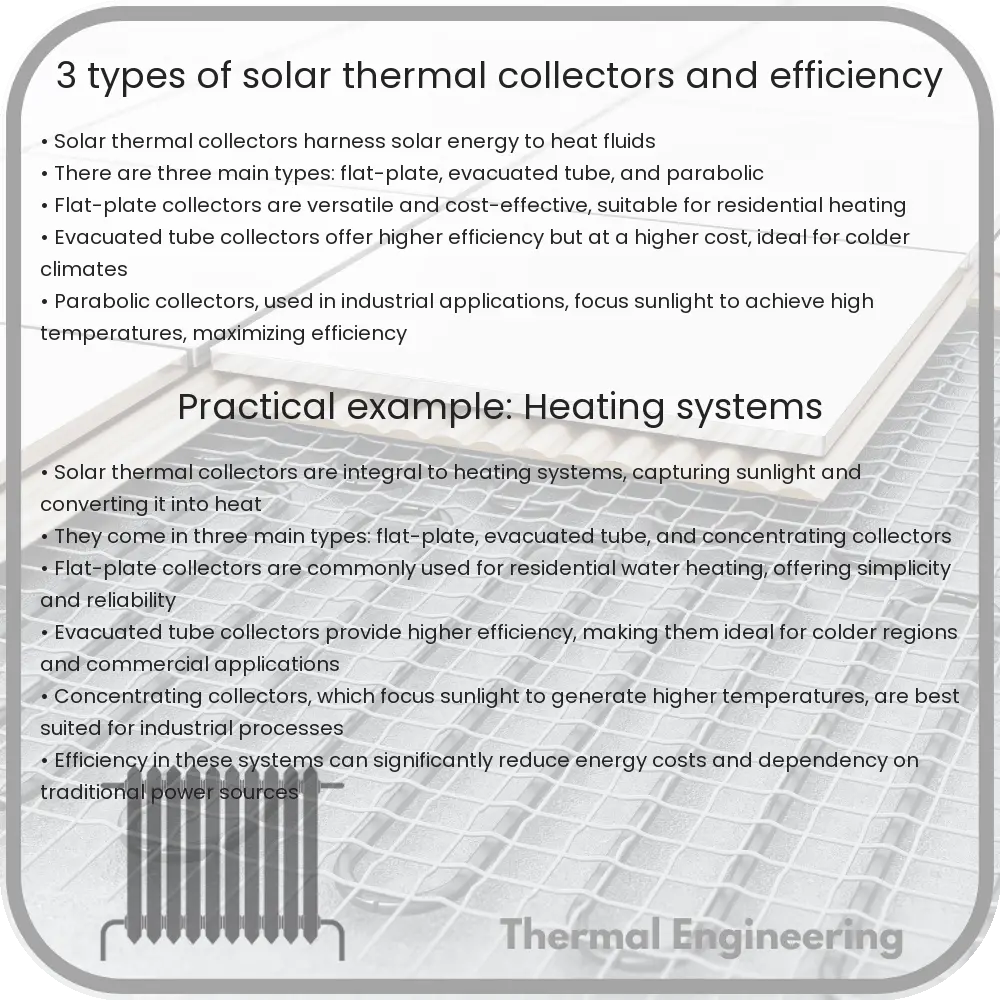
Solar thermal collectors are devices designed to collect and convert sunlight into thermal energy (heat), which can be used for heating water, space heating, or even powering industrial processes. These systems are a sustainable alternative to conventional water heating methods, utilizing the abundant energy provided by the sun. There are several types of solar thermal collectors, each suited to different climate conditions and applications. The efficiency of these collectors is a key aspect in their performance, significantly impacting their adoption and effectiveness in real-world applications.

Types of Solar Thermal Collectors

There are primarily three types of solar thermal collectors, categorized based on their design and operational temperature:

  • Flat Plate Collectors

Flat plate collectors are the most common type of solar thermal collector for domestic use and can be identified by their flat, rectangular shape. They consist of a dark flat-plate absorber, a transparent cover (often glass), a heat-insulating backing, and a fluid for heat transport. The absorber captures the solar radiation and transfers it to the fluid running through the collector, which can then be used directly or stored for later use. Flat plate collectors are typically used for residential hot water systems.

  • Evacuated Tube Collectors

Evacuated tube collectors feature several cylindrical tubes, which, as the name suggests, are evacuated (air is removed to create a vacuum). The vacuum serves as an excellent insulator and greatly reduces convection and conduction losses from the collector surface, making them more efficient than flat plate collectors, especially in colder climates. These collectors are composed of rows of parallel transparent tubes each containing an absorber tube. This design allows them to absorb heat from the sun efficiently while minimizing heat loss.

  • Parabolic Trough Collectors

Parabolic troughs are large, curved reflectors that concentrate sunlight onto a tube (receiver) positioned at the focus of the parabola. The concentrated sunlight heats the fluid inside the receiver to high temperatures, which can then be used to produce steam for electricity generation or industrial processes. Because of their high temperature capabilities, parabolic troughs are often used in solar power plants or in industrial settings rather than for domestic purposes.

Efficiency of Solar Thermal Collectors

The efficiency of solar thermal collectors is generally defined as the ratio of the energy output from the collector to the solar energy input. The efficiency depends on various factors including the type of collector, the materials used, the temperature difference between the collector surface and the ambient air, and the amount of solar irradiance. Efficiency can be expressed with the formula:

Efficiency (%) = (Energy Output / Solar Irradiance) * 100

For example:

  • Flat plate collectors typically have efficiencies ranging from 60-75%.
  • Evacuated tube collectors offer higher efficiencies, often between 70-80%, due to their insulating vacuum.
  • Parabolic trough systems can achieve efficiencies around 60-65%, but they can operate at much higher temperatures.

Overall, the efficiency of solar thermal collectors is an important measure as it directly influences their heat output and feasibility for various applications. Choosing the right type of collector and optimizing system design for specific local conditions can substantially improve performance and energy savings.

Conclusion

Solar thermal collectors provide a viable and efficient way to harness solar energy for thermal purposes. The choice between flat plate collectors, evacuated tube collectors, and parabolic troughs depends on the specific needs and geographical conditions of the user. With ongoing advances in technology and materials science, the efficiency and applicability of solar thermal collectors continue to improve, promising an increasingly sustainable future.

4 Types of Thermal Shock Resistance Materials

Learn about thermal shock resistance, a key property for materials in high-temperature environments like aerospace and cookware.

4 Types of Thermal Shock Resistance Materials

Understanding Thermal Shock Resistance

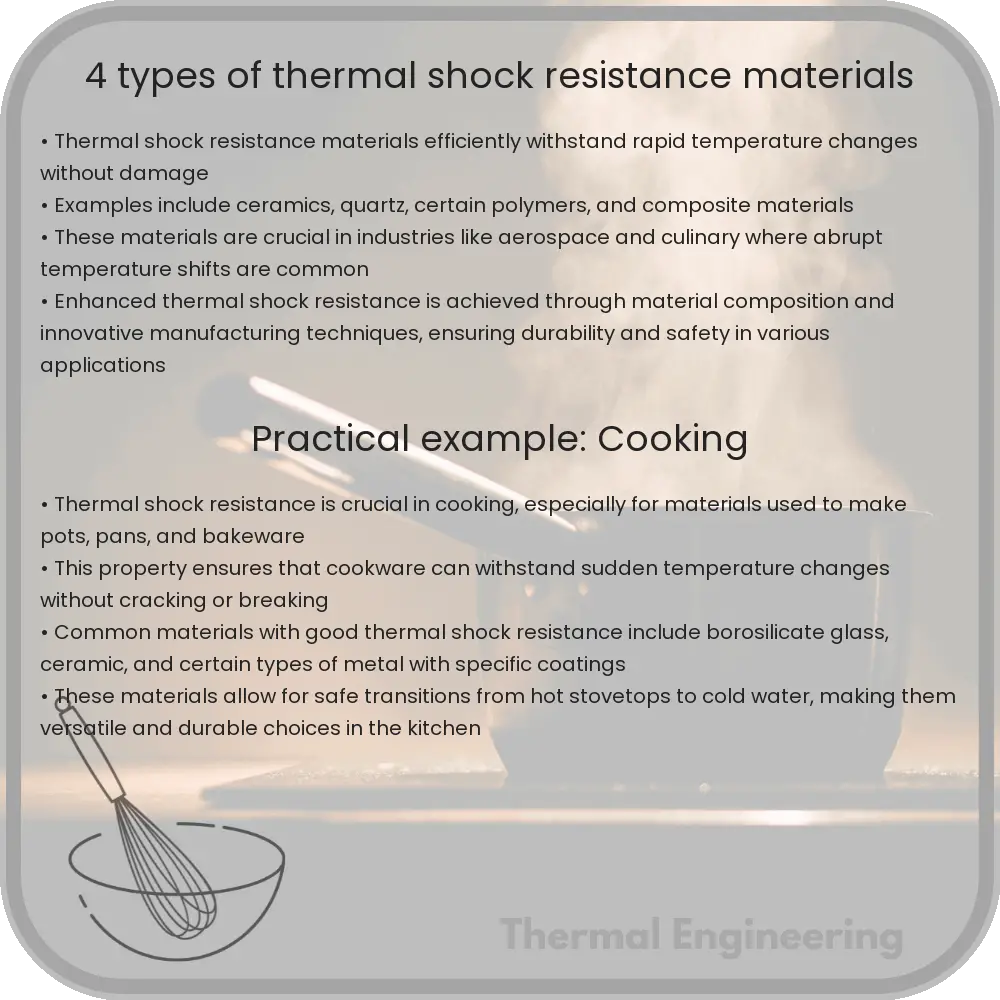
Thermal shock resistance is a critical property of materials that need to withstand sudden changes in temperature without deteriorating or failing. Materials with high thermal shock resistance are essential in many engineering applications, from aerospace to culinary industries. This ability is particularly important in applications such as turbine blades, spacecraft shielding, and even in your kitchen’s cookware. Below, we explore four types of materials that exhibit excellent thermal shock resistance.

1. Ceramics

Ceramics are well-known for their thermal shock resistance, although this can vary significantly among different types of ceramics. The key factors contributing to ceramic’s thermal shock resistance include low thermal conductivity, high melting point, and a relatively low coefficient of thermal expansion. Some specific high-performance ceramics include:

  • Alumina (Al2O3) – Used in kiln linings and electronic substrates.
  • Zirconia (ZrO2) – Known for its strength and durability, used in dental and medical applications.
  • Silicon Carbide (SiC) – Commonly used in high-performance car brakes and clutches.

2. Refractory Metals

Refractory metals are characterized by their extraordinarily high melting points, which make them capable of maintaining structural integrity at high temperatures. This group includes:

  • Tungsten – Boasting the highest melting point of all metals, it finds use in electrical and heating applications.
  • Molybdenum – Utilized in furnace construction, nuclear energy, and aerospace industries for its strength and thermal shock resistance at high temperatures.

3. Composite Materials

Composite materials combine two or more constituent materials with significantly different physical or chemical properties. These composites are designed to have a higher thermal shock resistance than the individual components. A common example is :

  • Carbon Fiber Reinforced Polymers (CFRP) – Known for their lightweight and strong characteristics, used extensively in the aerospace and automotive sectors.

4. Quartz Glass

Quartz glass, also known as fused silica, is renowned for its extremely low coefficient of thermal expansion and excellent thermal shock resistance. It’s used in applications where rapid temperature changes occur such as:

  • Laboratory glassware
  • Semiconductor manufacturing
  • Optical applications

In conclusion, materials with high thermal shock resistance are indispensable in environments subjected to extreme and rapid temperature changes. The choice of material depends on the specific application requirements including temperature range, mechanical strength, and environmental compatibility. Understanding these materials helps engineers select the best options for durability and performance in their respective applications.

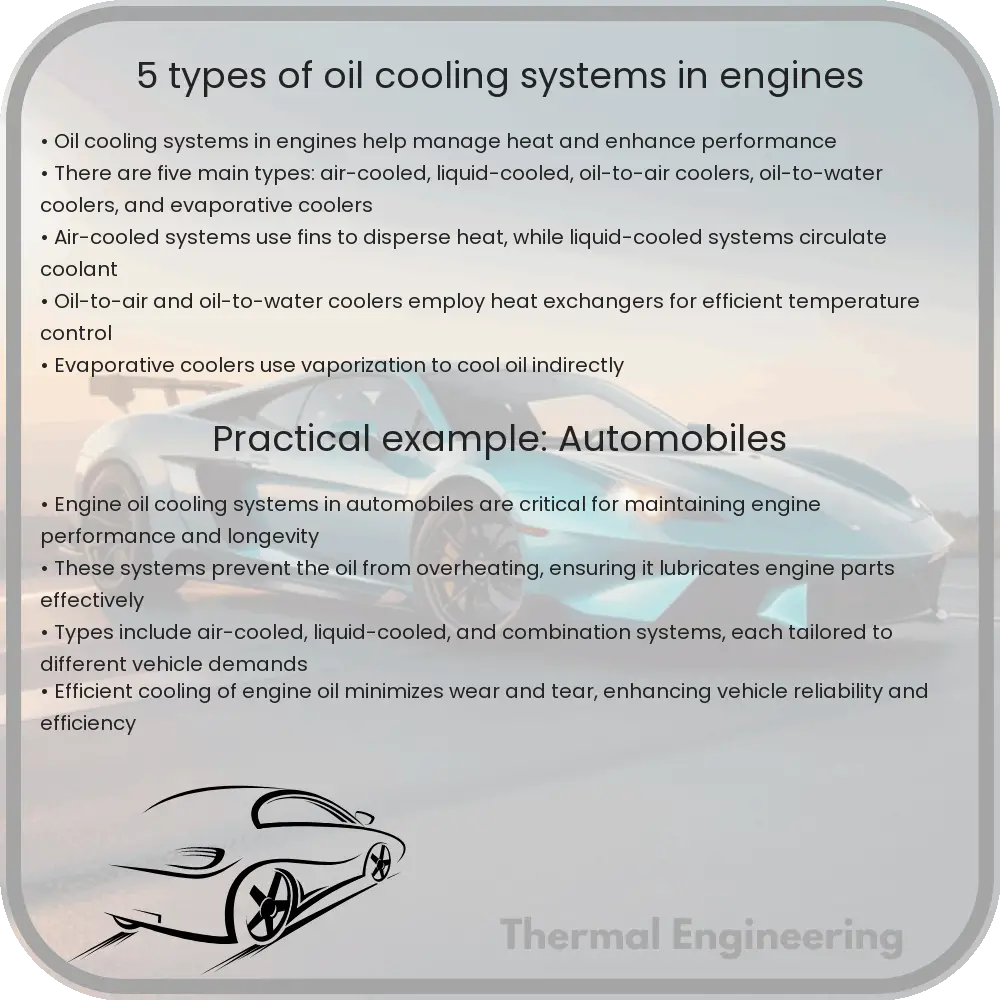
5 Types of Oil Cooling Systems in Engines

Learn about the different types of oil cooling systems in engines, including air cooled, water cooled, and more, to enhance engine efficiency and longevity.

5 Types of Oil Cooling Systems in Engines

Introduction to Oil Cooling Systems in Engines

Efficient oil cooling is crucial for maintaining the longevity and performance of an engine. The primary function of engine oil is to lubricate the moving parts to reduce friction and wear. However, during operation, the engine generates substantial heat which, if not controlled, can lead to engine damage and reduced efficiency. Oil cooling systems help manage this heat. Here, we explore five common types of oil cooling systems used in various engines.

1. Air Cooled Oil Coolers

Air cooled oil coolers are one of the simplest types of oil cooling systems. These coolers utilize ambient air to cool the oil. Oil flows through finned tubes which increase the surface area for heat dissipation. As air passes over these fins, it absorbs the heat from the oil. This type is often found in motorcycles and smaller engines where space and simplicity are paramount.

2. Water Cooled Oil Coolers

Water cooled oil coolers use engine coolant to regulate the temperature of the oil. They are commonly used in car and truck engines. The oil cooler generally consists of a small radiator through which coolant flows, while oil circulates around it in tubes. This method is effective due to the higher heat capacity of water compared to air, allowing more efficient heat transfer.

3. Centrifugal Oil Coolers

Centrifugal oil coolers use centrifugal force to cool the oil. As oil enters the cooler, it is driven through a rotating impeller that throws the oil outward and against the walls of a housing. This process increases the surface area of the oil, enhancing the cooling effect. These coolers are particularly useful in applications where space is limited and high efficiency is required.

4. Thermosyphon Oil Coolers

Thermosyphon oil cooling is a passive cooling technique that relies on natural convection. Heated oil becomes less dense and rises to the top of the cooler, where it loses heat to the environment or a secondary coolant like air or water. As it cools, it becomes denser and sinks, creating a natural circulation loop. This type of cooler is often used in stationary engines and small generators.

5. Electric Cooling Fans

Electric cooling fans are used in conjunction with other oil cooling methods to enhance their effectiveness. They are particularly useful in situations where the natural airflow is insufficient, such as in slow-moving traffic or static applications. An electric fan can be attached to an air cooled or water cooled system, providing additional airflow or coolant circulation on demand.

Conclusion

Choosing the right type of oil cooling system depends on various factors including engine type, size, application, and operating conditions. Each cooling system type offers distinct advantages and is suited to particular scenarios. Understanding these systems helps in optimizing engine performance and longevity, ensuring that engines operate efficiently and reliably over their service lives.

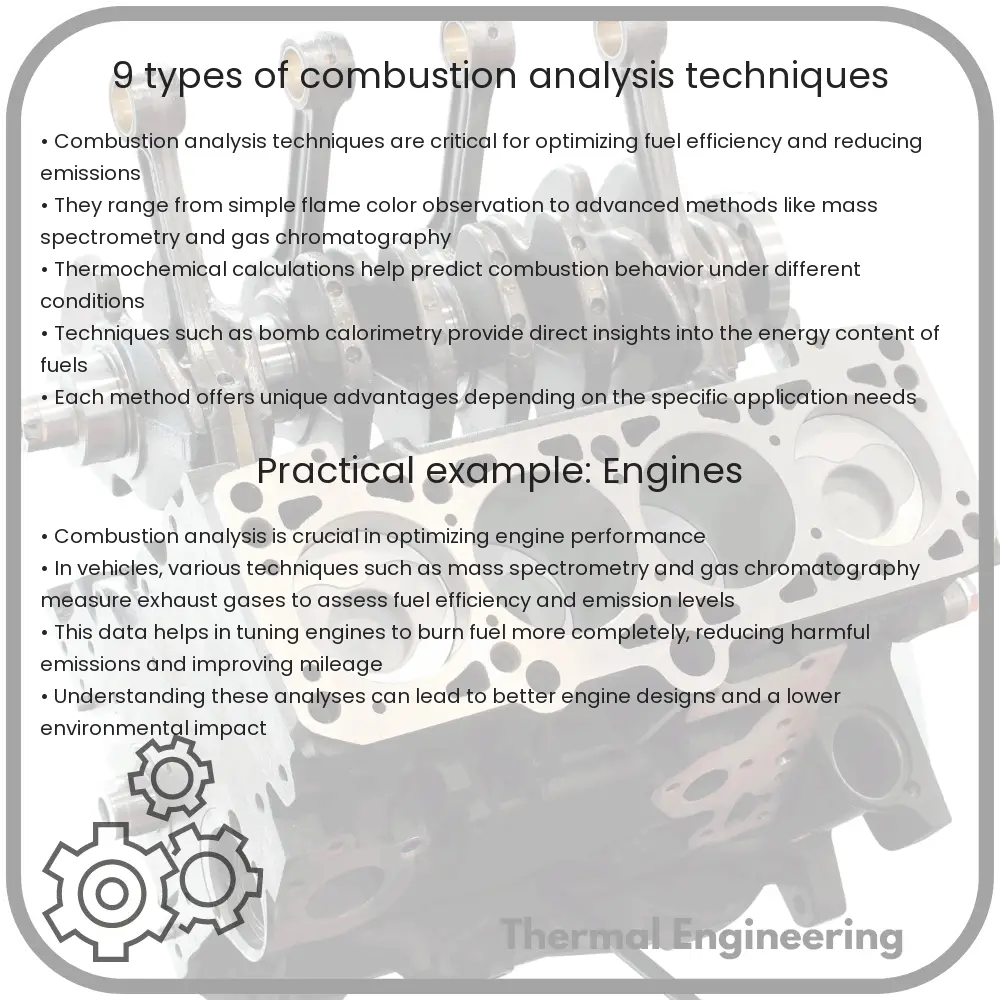
9 Types of Combustion Analysis Techniques

Explore 9 essential combustion analysis techniques to optimize fuel efficiency, reduce pollution, and ensure safe equipment operation.

9 Types of Combustion Analysis Techniques

9 Types of Combustion Analysis Techniques

Combustion analysis is crucial for optimizing the efficiency of fuel-burning equipment, reducing pollution, and ensuring safe operation. Different techniques are used to analyze the combustion process, each with its unique applications and advantages. Here, we explore nine common types of combustion analysis techniques used across various industries.

1. Flue Gas Analysis

Flue gas analysis involves measuring the concentration of gases such as CO2, CO, O2, and NOx emitted from combustion equipment. By analyzing these gases, technicians can adjust the air-fuel ratio, improve combustion efficiency, and ensure compliance with environmental regulations.

2. Bomb Calorimetry

Bomb calorimetry is used to measure the heat of combustion of a particular fuel. In this method, a sample of the fuel is burned in a high-pressure container (bomb), and the resulting temperature change in the surrounding water jacket is measured to calculate the energy content of the fuel.

3. Thermogravimetric Analysis (TGA)

TGA measures how the weight of a material changes as it is heated. This technique is helpful in studying combustion kinetics and the thermal stability of materials, providing insights into the stages of fuel decomposition and oxidation.

4. Mass Spectrometry

Mass spectrometry is used to identify chemical species and measure their concentrations in the combustion gas. By analyzing the mass-to-charge ratios of the ions, this technique helps in detailed chemical analysis of the combustion products.

5. Fourier Transform Infrared Spectroscopy (FTIR)

FTIR is a method that identifies gaseous emissions by detecting their molecular vibrations. It provides quantitative and qualitative analysis of the gases produced during combustion, which is vital for monitoring pollutants and improving combustion processes.

6. Chemical Kinetic Modeling

This technique involves using mathematical models to simulate chemical reactions occurring during combustion. By predicting how various factors like temperature and pressure affect reaction rates, engineers can optimize combustion conditions for improved performance and lower emissions.

7. Laser Diagnostics

Laser-based techniques, such as Laser-Induced Fluorescence (LIF) and Particle Image Velocimetry (PIV), are instrumental in visualizing and measuring parameters like temperature, species concentration, and fluid dynamics within combustion chambers.

8. Gas Chromatography

Gas chromatography separates and analyzes compounds that can be vaporized without decomposition. Used primarily for analyzing liquid fuels and the small organic compounds produced in combustion, it assists in understanding the composition of fuel and its combustion products.

9. Oxygen Bomb Calorimetry

Similar to bomb calorimetry, oxygen bomb calorimetry involves burning a sample of fuel in a pure oxygen environment to measure its calorific value. This method offers highly accurate results and is widely used in fuel analysis.

These combustion analysis techniques provide valuable data that helps in the development of more efficient and cleaner combustion systems. Whether for industrial furnaces, vehicle engines, or power plants, understanding the detailed mechanisms of combustion through these methods leads to better fuel utilization and reduced environmental impact.

3 Types of Radiators for Heating Systems

Learn about the types and advantages of radiators in heating systems, including cast iron, steel panel, and aluminum radiators.

3 Types of Radiators for Heating Systems

Introduction to Radiators in Heating Systems

Radiators are a fundamental component of most heating systems, particularly in residential and commercial buildings. They function by transferring thermal energy from hot water or steam to the air in a room, thereby heating the space effectively. The efficiency, cost, and suitability of a radiator can vary depending on its type and construction. In this article, we will explore three common types of radiators used in heating systems: cast iron radiators, steel panel radiators, and aluminum radiators.

Cast Iron Radiators

Cast iron radiators are the traditional choice, known for their durability and classic appearance. They are made by pouring molten cast iron into molds, usually with ornamental designs. The key advantage of cast iron radiators is their ability to retain heat for a long period, which can lead to energy savings as the radiator continues to radiate heat even after the boiler turns off.

  • Pros: High thermal mass, durable, long-lasting, aesthetic appeal.
  • Cons: Very heavy, slow to heat up and cool down, can be more expensive.

Steel Panel Radiators

Steel panel radiators are widely used due to their efficiency and modern look. These radiators are made from sheet steel and are typically lighter than cast iron radiators, making them easier to install and handle. They heat up and cool down quickly, providing rapid warmth to a room.

  • Pros: Lightweight, quick heating, cost-effective, suits modern interiors.
  • Cons: Lower thermal mass than cast iron, less durable.

Aluminum Radiators

Aluminum radiators are known for their excellent thermal conductivity, which makes them extremely efficient at transferring heat. They are even lighter than steel panel radiators and respond very quickly to changes in temperature. This responsiveness makes them suitable for systems with variable temperature needs and for use with renewable energy sources like solar power.

  • Pros: Best thermal conductivity, lightweight, energy-efficient, corrosion-resistant.
  • Cons: Can be more expensive, susceptible to damage due to softness of aluminum.

Choosing the Right Radiator

When selecting a radiator for a heating system, consider factors such as the size of the space, the existing decor, installation logistics, and energy efficiency desires. For example, cast iron radiators might be more suitable for period homes or larger spaces where a steady heat output over a longer period is beneficial. Steel panel radiators could be ideal for those needing quick heating, while aluminum radiators might be the best option for environmentally conscious installations requiring high efficiency with minimal energy waste.

In conclusion, the choice of radiator depends significantly on the specific heating needs, budget, and personal preferences of the homeowner or building manager. By understanding the characteristics of these three types of radiators, consumers can make informed decisions that best suit their heating requirements.

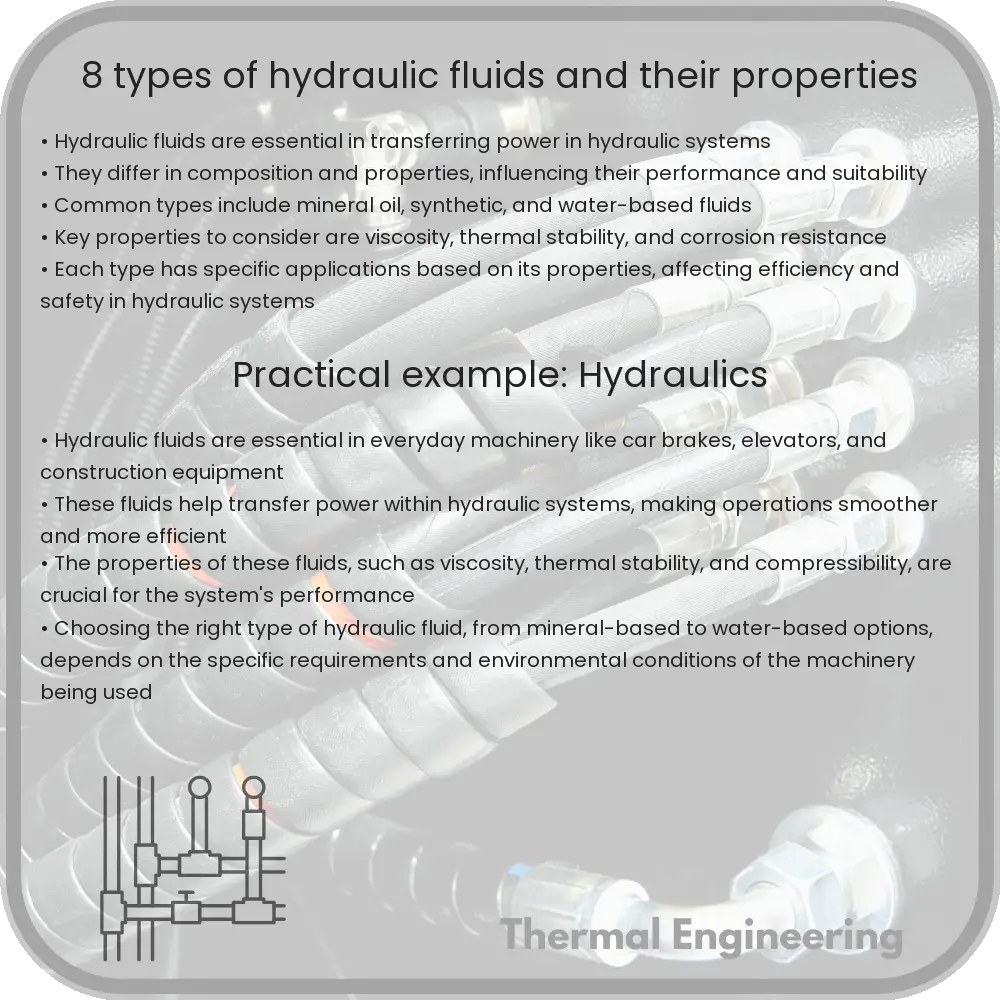
8 Types of Hydraulic Fluids and Their Properties

Learn about the different types of hydraulic fluids, their uses, and properties for optimal system performance.

8 Types of Hydraulic Fluids and Their Properties

Understanding the Types of Hydraulic Fluids and Their Properties

Hydraulic fluids are essential components in hydraulic systems, used to transfer power in various machinery such as excavators, brake systems, and aircraft. These fluids help in power transmission, lubrication, and cooling of system components. There are several types of hydraulic fluids available, each with unique properties tailored for specific conditions and system requirements. Here’s a detailed overview of the eight main types of hydraulic fluids and their characteristics.

1. Mineral Oil-Based Hydraulic Fluids

The most common type of hydraulic fluid is based on mineral oil, which is refined from crude petroleum. It provides excellent lubrication, thermal stability, and low cost. However, its use can be limited under extreme temperature conditions and environmental concerns due to poor biodegradability.

2. Water-Based Hydraulic Fluids

Water-based hydraulic fluids, primarily consisting of water-glycol solutions, are used when fire resistance is essential. They are lower in lubricity and wear protection than oils but provide significant safety benefits in fire-prone environments like underground mining or steel manufacturing.

3. Synthetic Hydraulic Fluids

Synthetic hydraulic fluids are engineered chemically to outperform mineral oils in terms of thermal stability, viscosity range, and efficiency. They can be based on phosphate esters, organophosphate esters, or polyalphaolefins (PAOs) and are typically used in aviation and marine applications.

4. Biodegradable Hydraulic Fluids

As environmental concerns increase, biodegradable hydraulic fluids are gaining popularity. These fluids, often based on esters from vegetable oils or synthetic esters, decompose more readily in the environment than mineral oils. While they tend to be more expensive, their environmental safety features often justify the cost.

5. Fire-Resistant Hydraulic Fluids

There are various types of fire-resistant hydraulic fluids, including water-containing fluids like water-glycol and oil-water emulsions, and water-free fluids such as synthetic hydrocarbons and phosphate esters. They are essential in applications where fluid leakage might ignite under high temperatures.

6. Phosphate Ester Hydraulic Fluids

Phosphate ester hydraulic fluids offer excellent fire-retardant properties and are mostly used in aircraft and turbines. They are not compatible with standard system seals and paints, requiring special materials in the system construction.

7. Silicone-Based Hydraulic Fluids

Silicone-based fluids are used in extremely low and high-temperature environments. Although their lubrication properties are somewhat lower than other hydraulic fluids, their thermal and oxidative stability is superior, making them ideal for specific high-temperature applications.

8. Environmentally Acceptable Hydraulic Fluids (EAHFs)

EAHFs are designed to minimize environmental impact in case of spills or leaks. These fluids must meet specific government or international standards regarding toxicity and biodegradability and are often used in agricultural, marine, and forestry applications.

Conclusion

Choosing the right type of hydraulic fluid is crucial for optimizing the efficiency and safety of a hydraulic system. When selecting a hydraulic fluid, consider the operational environment, temperature range, fire risk, equipment compatibility, and environmental impact. Such careful considerations ensure the longevity and reliable performance of the hydraulic systems while adhering to safety and environmental regulations.

7 Types of Air Handling Units for HVAC Systems

Learn about Air Handling Units (AHU), essential components in HVAC systems for regulating and circulating air in buildings.

7 Types of Air Handling Units for HVAC Systems

Introduction to Air Handling Units in HVAC Systems

An Air Handling Unit (AHU) is a crucial component in Heating, Ventilating, and Air Conditioning (HVAC) systems, responsible for circulating and regulating air as part of the building’s heating, cooling, and ventilation systems. These units come in various configurations, each designed to meet specific requirements regarding space, air quality, and efficiency. Below, we explore seven common types of AHUs used in HVAC systems.

1. Modular Air Handling Units

Modular AHUs offer flexibility in design and installation. They consist of pre-engineered modules that can be configured to suit a wide range of applications and building requirements, allowing easy upgrade and maintenance. Components such as fans, heating/cooling coils, filters, and dampers are selected based on the specific needs and assembled to form a complete system.

2. Packaged Air Handling Units

Packaged AHUs are self-contained units that typically include all necessary components within one casing. This design simplifies installation and maintenance, as it is compact and factory assembled. They are ideal for small to medium-sized buildings where space for mechanical rooms is limited, such as in schools or small offices.

3. Custom Air Handling Units

Custom AHUs are tailored to meet the unique needs of a building. They can accommodate specific dimensions, capacities, and configurations that off-the-shelf models cannot. Custom units are particularly beneficial for large, complex installations such as hospitals or industrial plants where specific air quality standards and conditions must be met.

4. Rooftop Air Handling Units

Rooftop AHUs are designed to be installed on the roof of buildings, providing an efficient use of space and directly supplying conditioned air into the building’s ventilation system. They are commonly used in commercial buildings and are exposed to environmental elements, hence built with weather-resistant features.

5. Horizontal Air Handling Units

These AHUs are designed for installation in ceilings, crawl spaces, or attics, where space constriction does not allow for larger units. Horizontal AHUs are particularly useful in residential or light commercial settings. Their layout facilitates easy maintenance and typically operates at lower noise levels, making them suitable for environments where noise could be a concern.

6. Vertical Air Handling Units

Vertical AHUs are designed to stand upright, making them ideal for installations with limited horizontal space. They are often found in mechanical rooms or basements and can serve multiple floors simultaneously. Vertical units efficiently distribute air vertically and are remarkably space-saving compared to horizontal models.

7. Makeup Air Units

Makeup Air Units (MAUs) are a type of AHU that specifically conditions and delivers fresh outdoor air to a space. This helps in maintaining air quality and proper pressurization in the building. MAUs are essential in buildings where internal pollutants and exhaust need to be regularly replaced with fresh air, such as in kitchens and laboratories.

Conclusion

Choosing the correct type of Air Handling Unit is vital for efficiently managing the air quality and climate in any building. Each type of AHU has its unique set of advantages tailored to different building requirements and constraints. When selecting an AHU, factors such as the building’s size, layout, and specific environmental needs must be considered to ensure optimal performance and comfort.

6 Types of Steam Condensers in Power Plants

Learn about the various types of steam condensers used in power plants, their functions, and efficiency enhancements.

6 Types of Steam Condensers in Power Plants

Introduction to Steam Condensers in Power Plants

Steam condensers are a critical component of all thermal power plants. Their primary function is to condense exhaust steam from turbines to water, which can then be reused in the steam generator or boiler. This process enhances the efficiency of power plants and helps in reducing the environmental impact. There are several types of steam condensers used in power plants, each suited to different scenarios and operational needs.

Types of Steam Condensers

Here are six common types of steam condensers found in power plants:

1. Jet Condensers

  • Parallel Flow Jet Condenser: In this type, the steam and the cooling water enter from the same end and move parallel to each other. Though not very efficient in terms of heat transfer, it has a simple design and is relatively cheaper to construct.
  • Counter Flow Jet Condenser: Steam enters from one end and the cooling water from the opposite end, flowing against each other. This setup improves heat transfer efficiency compared to parallel flow models.
  • Low Level and High Level Jet Condensers: Classified based on their position relative to the condensate extraction pump; low level condensers are placed below the pump, and high level condensers are positioned above it.

2. Surface Condensers

  • Single Pass Condenser: Water passes through the tubes only once. This kind of condenser is adequate for applications where the volume of steam and the thermal load are relatively low.
  • Multi-Pass Condenser: Cooling water travels through the tubes more than once, which enhances heat transfer by increasing the surface contact time between steam and the cooling water.

3. Evaporative Condensers

These condensers use both air and water for cooling. They are particularly useful in locations where water resources are scarce. The evaporative condenser combines the cooling effect of the evaporation of water with the air cooling, resulting in efficient condensation under tight water supply conditions.

4. Air Cooled Condensers

Unlike water-cooled versions, air-cooled condensers use air for condensation of the steam, making them suitable for dry areas. These are also known as dry cooling towers. They are often used in geothermal power plants.

5. Water Cooled Condensers

Water cooled condensers are more efficient than air-cooled types because water has a higher heat capacity than air. They require a continuous supply of cooling water and are common in industrial settings where such a supply is assured.

6. Steam Ejector Condensers

This type of condenser uses steam ejectors in addition to a basic condenser. The ejectors help in maintaining a low pressure in the condenser to maximize the efficiency of the condensation process. They are quite effective in creating a vacuum, which is beneficial for the condensing steam.

Conclusion

Choosing the right type of steam condenser for a power plant is crucial for maximizing operational efficiency and minimizing environmental impacts. Each type of condenser has its advantages and is selected based on specific operational requirements, environmental conditions, and economic considerations. Understanding these types can help in optimizing the performance and sustainability of power plants.

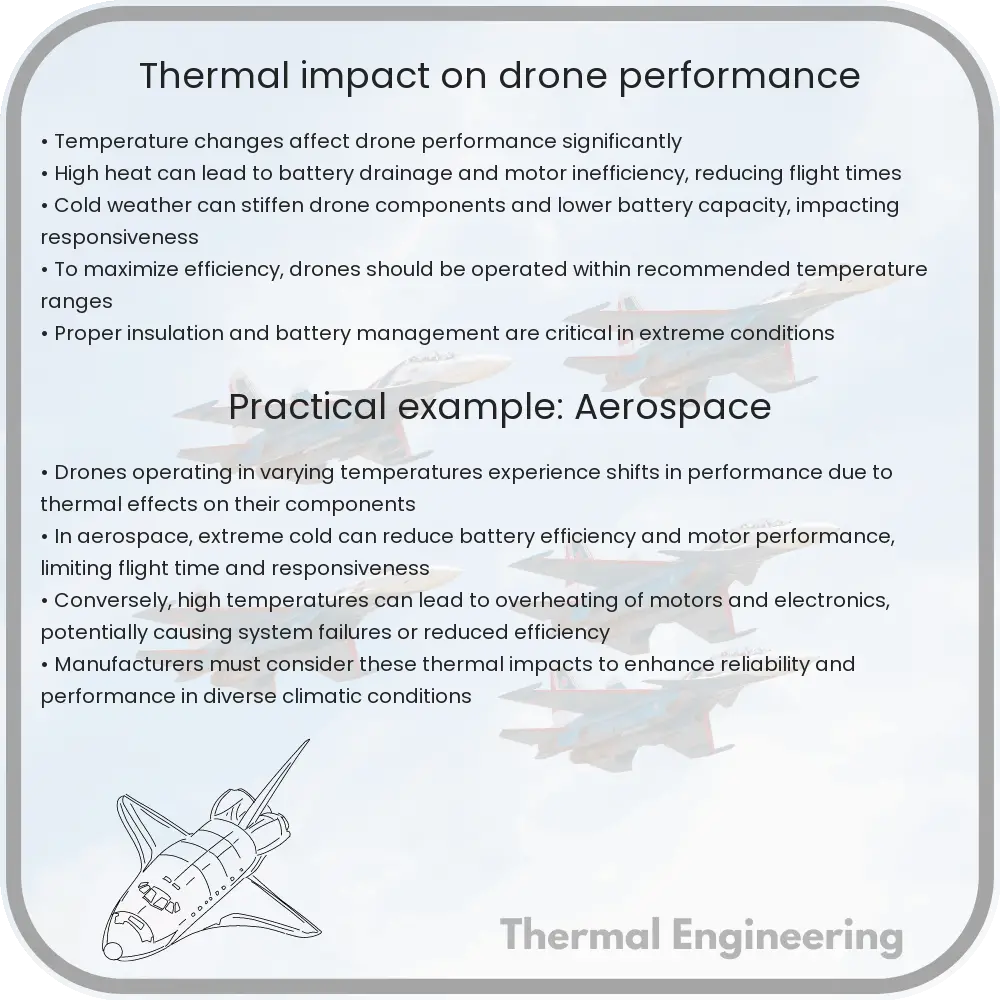
Thermal impact on drone performance

Explore how temperature variations affect drone performance, focusing on battery health, motor efficiency, and sensor accuracy for optimal UAV operation.

Thermal impact on drone performance

Understanding the Thermal Impact on Drone Performance

Drones, also known as unmanned aerial vehicles (UAVs), are affected significantly by thermal conditions. Temperature changes can influence the battery life, motor efficiency, and overall flight dynamics of drones. This article seeks to explore how varying thermal conditions impact drone performance, offering insights into why thermal management is critical for reliable UAV operations.

Effects of Temperature on Battery Performance

One of the most critical components of a drone is its battery, typically a Lithium-Polymer (LiPo) battery. The performance and health of LiPo batteries are highly temperature-dependent:

  • Low Temperatures: At low temperatures, the chemical activity within the battery cells is reduced, leading to decreased voltage and capacity. This reduction can cause shorter flight times and reduced efficiency in power delivery.
  • High Temperatures: High temperatures can lead to increased chemical activity inside the battery, possibly causing overcharging effects and a higher rate of degradation. Prolonged exposure to high temperatures can result in swelling, leakage, and ultimately, battery failure.

Optimal performance of LiPo batteries is generally found between 20°C to 25°C (68°F to 77°F).

Impact on Motor Efficiency

The efficiency of drone motors also changes with temperature variations. The motors are made up of coils and magnets, materials whose physical properties alter with temperature:

  • Increased Resistance: As temperatures rise, the electrical resistance in the motor coils increases, which can lead to power losses and decreased efficiency.
  • Magnet Performance: Permanent magnets in drone motors can lose their magnetism when subjected to high temperatures, a phenomenon known as demagnetization, which reduces motor performance.

Thermal Effects on Sensor Accuracy

Drones rely on various sensors for navigation and operation, including gyroscopes, accelerometers, and barometers. Temperature fluctuations can affect the accuracy and reliability of these sensors:

  • Barometric Pressure Sensors: These sensors, which measure altitude, can provide incorrect readings if internal temperatures change, leading to inaccurate altitude detections.
  • Inertial Measurement Units (IMUs): Components like gyroscopes and accelerometers in IMUs may drift or report incorrect measurements in extreme thermal conditions.

Thermal Management in Drone Design

To mitigate the adverse effects of temperature on drones, manufacturers invest in various thermal management strategies:

  • Thermal Insulation: Some drones are equipped with thermal insulation materials to maintain a stable internal temperature.
  • Active Cooling Systems: High-performance drones might incorporate active cooling mechanisms such as fans or liquid cooling systems to manage excessive heat during operation.
  • Temperature Sensors: Integrating temperature sensors to monitor critical components can help in managing the performance depending on ambient and operating temperatures.

In summary, thermal conditions play a crucial role in determining the efficacy and safety of drone operations. By understanding and managing the thermal impacts, drone manufacturers and operators can enhance the performance and longevity of UAVs, ensuring safer and more reliable flights.