Facebook Instagram Youtube Twitter

Carbon Monoxide | Fuel, Metal Reduction & Heating

This article explores the uses of carbon monoxide in fuel synthesis, metal reduction, and heating, alongside its hazards and safety measures.

Carbon Monoxide | Fuel, Metal Reduction & Heating

Understanding Carbon Monoxide: Its Role in Fuel, Metal Reduction, and Heating

Carbon monoxide (CO) is a colorless, odorless gas that is both ubiquitous in industrial applications and dangerous to human health in high concentrations. This simple molecule, consisting of one carbon atom and one oxygen atom, plays a significant role in various engineering and industrial processes. Here, we delve into how carbon monoxide is used in fuel synthesis, the reduction of metals, and heating systems.

Carbon Monoxide in Fuel Synthesis

One of the primary applications of carbon monoxide is in the production of synthetic fuels. CO is a key component in the Fischer-Tropsch process, a series of chemical reactions that converts a mixture of carbon monoxide and hydrogen into liquid hydrocarbons. These hydrocarbons can be used as fuel or as feedstock for the chemical industry. The general reaction can be represented as:

\( n(CO) + 2n(H_2) \rightarrow C_nH_{2n+2} + n(H_2O) \)

This process is instrumental in creating a sustainable alternative to traditional petroleum-based fuels, particularly in regions rich in coal or natural gas but poor in crude oil.

Use of Carbon Monoxide in Metal Reduction

In the metallurgical industry, carbon monoxide is extensively utilized in the reduction of iron ore to produce iron, a process central to steel manufacturing. In the blast furnace, iron(III) oxide (Fe2O3) reacts with carbon monoxide to form iron and carbon dioxide:

\( 3CO + Fe_2O_3 \rightarrow 2Fe + 3CO_2 \)

This reaction is a crucial component of the smelting process, enabling the large-scale production of iron from its ore. The carbon dioxide generated can be captured and reused in various applications, including feeding back into the production process as part of a carbon recycling strategy.

Carbon Monoxide in Heating Applications

Carbon monoxide is also a significant component of “syngas” or synthetic gas, which is used as a fuel in industrial heating applications. Syngas is produced through the gasification of coal and contains a mixture of carbon monoxide and hydrogen. It is a flexible fuel, capable of being used in gas turbines and engines, providing a versatile and efficient heating solution. Additionally, the high temperature combustion of syngas yields a significant amount of energy, making it an effective fuel for high-temperature industrial processes.

The Hazards of Carbon Monoxide

Despite its usefulness in industrial applications, carbon monoxide is highly toxic to humans and animals when encountered in high concentrations. It binds with hemoglobin in the bloodstream more effectively than oxygen, forming carboxyhemoglobin, which inhibits the blood’s capacity to carry oxygen, leading to oxygen starvation of the body’s organs.

Therefore, strict safety measures and monitoring are mandatory when handling carbon monoxide in any industrial setting to prevent poisoning and ensure the safety of all personnel.

Conclusion

Carbon monoxide is a remarkably versatile gas in the field of engineering, crucial in the synthesis of fuels, the reduction of metals, and as a fuel for heating. Its role is irreplaceable in these domains, supporting various modern industries and technologies. However, safety remains paramount due to its toxic nature, necessitating rigorous handling procedures to mitigate any risks associated with its use.

By understanding both the applications and dangers of carbon monoxide, industries can harness its benefits while ensuring the safety and well-being of their workforce and the surrounding environment.
Fluorine Gas | High Reactivity, Industrial Uses & Safety

Explore the properties, uses, and safety measures of highly reactive fluorine gas in industrial applications.

Fluorine Gas | High Reactivity, Industrial Uses & Safety

Understanding Fluorine Gas: High Reactivity, Industrial Uses, and Safety Measures

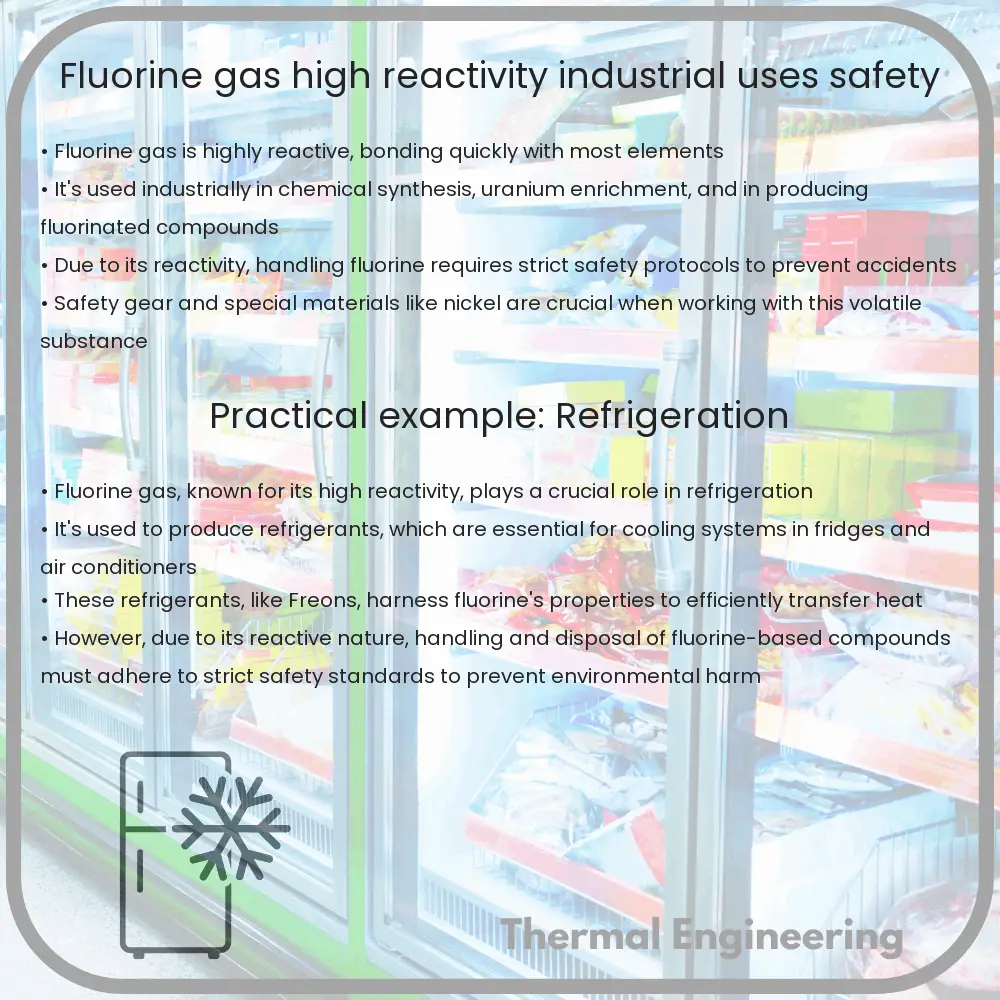
Fluorine gas (F2) is a highly reactive and toxic substance that plays a critical role in various industrial applications. As the most electronegative element in the periodic table, fluorine has unique chemical properties that make it invaluable in many high-tech and chemical processes. This article explores the reactivity, uses, and safety protocols associated with fluorine gas.

High Reactivity of Fluorine

Fluorine’s exceptional reactivity can be attributed to its small atomic size combined with its high electronegativity. This combination gives fluorine a strong tendency to gain electrons from other elements, forming stable fluoride ions (F–). Fluorine can react with almost all elements, except for some noble gases. Its reactions are often vigorous, and it can form compounds with both metals and non-metals.

Industrial Uses of Fluorine Gas

  • Manufacturing of Fluorinated Compounds: Fluorine is essential in the synthesis of various fluorinated organic and inorganic compounds. This includes pharmaceuticals, agrochemicals, and polymers such as polytetrafluoroethylene (PTFE), more commonly known as Teflon.
  • Nuclear Fuel Processing: Fluorine is used in the enrichment of uranium, a critical step in producing fuel for nuclear reactors. The process involves the conversion of uranium into uranium hexafluoride (UF6) which can be more easily enriched.
  • Electronics Manufacturing: In the semiconductor industry, fluorine is used for plasma etching during the manufacturing of microchips and other electronic components. This process involves removing layers from the surface of semiconductors to create pathways for electronic signals.
  • Refrigerants: Fluorine is a key component in the production of fluorocarbons used in refrigeration systems. These compounds play a crucial role in air conditioning and refrigeration technologies.

Safety Measures for Handling Fluorine Gas

Given its high reactivity and toxicity, handling fluorine gas requires stringent safety protocols to protect both people and the environment:

  • Proper Containment: Fluorine should be stored in cylinders made from nickel, as it forms a passive and protective surface layer of nickel fluoride (NiF2) that resists further corrosion.
  • Protective Equipment: Workers handling fluorine gas must use personal protective equipment (PPE), including respirators and gas-tight suits designed to resist fluorine’s corrosive effects.
  • Exhaust and Ventilation Systems: Rooms or facilities where fluorine is used must have proper ventilation systems to disperse any accidental releases rapidly, minimizing the risk of inhalation or environmental contamination.
  • Emergency Procedures: Facilities must have specific emergency procedures in place, including immediate evacuation plans and first aid measures in case of fluorine exposure.

The use of fluorine, despite its dangers, highlights a common theme in industrial chemistry and materials science: the ability to harness the properties of highly reactive elements can lead to innovations and advancements in many sectors. However, the handling of such elements requires careful control, precautions, and respect for their potent nature to ensure safety and sustainability.

In conclusion, fluorine gas’s high reactivity not only makes it powerful but also versatile in various industrial applications. When meticulously managed and correctly applied, fluorine can significantly contribute to advancements in technology and industry, all while maintaining the highest safety standards.

Thermal shock resistance in refractory materials

Learn about thermal shock resistance in refractory materials, crucial for industries like metallurgy and aerospace.

Thermal shock resistance in refractory materials

Understanding Thermal Shock Resistance in Refractory Materials

Refractory materials are essential in industries that operate at high temperatures, such as metallurgy, ceramics, and glass manufacturing. These materials are designed to withstand extreme heat, but they must also cope with rapid temperature changes without deteriorating. This capacity to handle such thermal stress is known as thermal shock resistance. This article discusses the factors that influence thermal shock resistance in refractory materials and why it’s crucial for their performance in industrial applications.

What Causes Thermal Shock?

Thermal shock occurs when a material undergoes a sudden temperature change, leading to rapid expansion or contraction. This can cause stress within the material because different parts of it may expand or contract at different rates. If the stress exceeds the material’s ability to absorb it, cracks can form, and over time, this can lead to failure of the material.

Factors Affecting Thermal Shock Resistance

  • Thermal Expansion Coefficient: Materials with lower coefficients of thermal expansion (CTE) are less prone to experiencing high stress during temperature changes and, thus, typically have better thermal shock resistance.
  • Mechanical Strength: Higher mechanical strength can help a material resist the formation of cracks under thermal stress.
  • Thermal Conductivity: A higher thermal conductivity allows for quicker heat distribution within the material, reducing temperature gradients that can lead to stress.
  • Specific Heat Capacity: Materials with a high specific heat capacity can absorb more energy with less temperature increase, moderating thermal stresses.

Improving Thermal Shock Resistance

Several approaches can be employed to enhance the thermal shock resistance of refractory materials:

  • Material Selection: Choosing materials with naturally lower thermal expansion coefficients and higher thermal conductivity, such as certain ceramics, can inherently improve resistance.
  • Composite Materials: Combining different materials can balance properties such as expansion coefficients and thermal conductivity. For example, adding graphite or carbon fibers to ceramics can enhance their shock resistance.
  • Microstructural Engineering: Refining the microstructure of refractory materials, like controlling grain size or introducing microcracks intentionally, can help manage how the material responds to thermal stress.
  • Pre-stressing Techniques: Pre-stressing the material thermally or mechanically can condition it against future shocks by creating a more favorable stress state internally.

Applications and Real-World Considerations

In industries like aerospace, automotive, and energy, where rapid heating and cooling cycles are common, selecting and designing with materials having excellent thermal shock resistance is critical. Not only does this capacity extend the life of components, but it also enhances safety and reliability. For example, in the case of spacecraft re-entering Earth’s atmosphere, thermal shock resistance is crucial to prevent structural failure due to the extreme temperature fluctuations encountered.

Conclusion

Thermal shock resistance is a vital attribute for refractory materials operating in high-temperature environments. By understanding the factors that affect thermal shock resistance and employing strategies to enhance it, engineers can design more durable materials that withstand the rigorous demands of various industrial applications. Continued research and development in this area are essential to advancing the capabilities of these critical materials.

Xenon Gas | High Insulation, Lighting & Medical Uses

Xenon gas: learn about its uses in insulation, lighting, and medical applications, highlighting its unique properties and importance in various industries.

Xenon Gas | High Insulation, Lighting & Medical Uses

Xenon Gas: Applications in Insulation, Lighting, and Medicine

Xenon, a noble gas found in the Earth’s atmosphere, is not just a rarity; it also boasts a variety of practical applications in engineering and technology, ranging from insulation and lighting solutions to medical uses. Despite its limited abundance, xenon’s unique properties allow it to serve crucial roles in different fields.

High Insulation Properties

Xenon gas is prized for its exceptional insulating abilities, particularly in window insulation. This heavy gas significantly reduces heat transfer between the interior and exterior environments—more effectively than its lighter counterparts like argon. Due to xenon’s high density and atomic mass, it conducts heat less efficiently, making it an excellent insulator. This application is particularly beneficial in energy-efficient double-paned windows, where sealing a layer of xenon gas between the panes greatly enhances their thermal performance.

Lighting Applications

The lighting industry heavily utilizes xenon due to its brilliant white light, which closely mimics natural daylight. Here are some key areas where xenon lighting stands out:

  • Vehicle Headlights: Xenon or HID (High-Intensity Discharge) headlights provide greater road illumination compared to traditional halogen bulbs. They are known for their efficiency and brightness, enhancing nighttime driving safety.
  • High-Speed Photography: The intense and quick flash of xenon strobe lights makes it possible to capture ultra-fast events, an essential feature in high-speed photography.
  • Projectors and Cinema: In movie projectors, xenon lamps offer a continuous spectrum of light that delivers excellent color rendition across the entire visible spectrum, making the movie-watching experience more immersive.

Medical Uses

Xenon finds several applications in the field of medicine due to its anesthetic and neuroprotective properties:

  • Anesthesia: Xenon is used as a general anesthetic. It is fast-acting, has minimal side effects, and rapid recovery times relative to other anesthetics. While it is more expensive, its safety profile makes it useful for patients who are at risk with traditional anesthetics.
  • Imaging: In the realm of medical imaging, xenon is used in xenon-enhanced computed tomography (Xe-CT) to assess regional cerebral blood flow. Its ability to be absorbed by biological tissues and its high atomic number enhance the contrast of images.
  • Neuroprotection: Research is exploring xenon’s potential to protect the brain from ischemic damage, such as that which occurs during a stroke. Its protective effects on the brain’s white matter during instances of reduced blood flow could be a critical therapeutic avenue in the future.

Xenon’s use in these various fields demonstrates its multifaceted capabilities and highlights the critical role of innovative engineering and technology in harnessing the potential of rare natural resources. From improving energy efficiency in buildings to enhancing safety and performance in automotive lighting and advancing medical procedures and care, xenon gas serves as an excellent example of how engineering meets science to improve everyday life.

Steam | Heat Transfer, Power Generation & Sterilization

Explore the multifaceted uses of steam in heat transfer, power generation, and sterilization, highlighting its efficiency and importance in modern engineering.

Steam | Heat Transfer, Power Generation & Sterilization

Understanding Steam: Its Role in Heat Transfer, Power Generation, and Sterilization

Steam is one of the most important working fluids in engineering, utilized extensively across various sectors for its exceptional properties in heat transfer, power generation, and sterilization. This article will explore each of these applications, unraveling how steam functions and why it is chosen for such critical roles.

Heat Transfer

Steam is an excellent medium for transferring heat in numerous industrial processes. When water is heated past its boiling point, it transitions to steam, carrying significant amounts of what is known as latent heat – energy released or absorbed by a body or a thermodynamic system during a constant-temperature process. This capability makes steam exceptionally effective for heating in processes like distillation, drying, and the warming of buildings through central heating systems.

  • Latent Heat Transfer: The process where steam transfers heat is primarily through the latent heat of vaporization. As steam condenses, it releases heat previously absorbed during evaporation – a principle crucial for efficient heat transfer in industrial systems.
  • Enhanced Efficiency: Steam’s ability to carry large amounts of heat at a constant temperature helps in maintaining the desired process conditions more uniformly and efficiently compared to other heat transfer mediums.

Power Generation

Steam turbines are a cornerstone of modern power generation, especially in thermal and nuclear power plants. The basic principle behind steam power generation is the transformation of thermal energy into mechanical work, which is then converted into electrical energy through generators.

  • Thermal Energy to Mechanical Work: High-pressure steam is produced in a boiler by heating water using a heat source like coal, natural gas, nuclear reactions, or renewable sources. The high-energy steam then expands through a steam turbine, spinning the turbine blades.
  • Electricity Generation: The turbine is connected to a generator. As the turbine blades turn, they rotate the generator’s rotor, which produces electricity through electromagnetic induction.

Sterilization

Steam is also pivotal in sterilization processes, especially in healthcare settings where surgical instruments, laboratory equipment, and other items must be free from viable contaminating organisms. Steam sterilization, or autoclaving, involves the use of high-pressure saturated steam at temperatures reaching 121°C or more.

  • Effective Microbial Kill: The high temperature and pressure of steam effectively kill microorganisms, including spores, by denaturing enzymes and structural proteins, leading to their destruction.
  • Penetration Ability: Unlike dry heat, steam can penetrate and reach all surfaces of the items being sterilized, ensuring a thorough process.

Summary

Steam plays an indispensable role across diverse facets of modern engineering. Its ability to carry large amounts of latent heat makes it an effective medium for heat transfer in various industrial applications. In power generation, the expansion of steam drives turbines, which in turn produce electricity. Meanwhile, in sterilization, steam’s properties allow for the efficient destruction of harmful microbes. Understanding these applications of steam not only underscores its versatility but also highlights its continued relevance in technology and industry.

Butane Gas | Portable Heating & Low Temperature Uses

Learn about butane gas, its properties, uses in portable heating, low-temperature industrial applications, and safety measures.

Butane Gas | Portable Heating & Low Temperature Uses

Understanding Butane Gas: Portable Heating and Low-Temperature Applications

Butane gas is a common fuel used in various applications ranging from portable heating to low-temperature industrial uses. Butane (C4H10) is a hydrocarbon, part of the alkane family, which makes it highly suitable for combustion and energy production processes. This article explores the key properties of butane, its utility in portable heating devices, and its industrial applications, particularly where low temperatures are pivotal.

Properties of Butane

Butane is a colorless, easily liquefied gas that provides substantial energy output. It has a boiling point of -2°C, making it ideal for use in environments where temperatures remain above this point. Butane’s energy content is approximately 49.5 MJ/kg, providing a high energy yield which is beneficial for both heating and as a fuel for cooking applications.

Portable Heating with Butane

Portable butane heaters and stoves are favored for their convenience and efficiency. They are widely used in activities such as camping, outdoor events, and in non-insulated areas like workshops or garages, where installing permanent heating solutions is impractical. These devices typically use butane cartridges or refillable canisters:

  • Compact and lightweight design for easy transport
  • Quick startup and adjustable heat settings
  • Emission of a clean burn with minimal soot or odor

One of the advantages of butane-based heating solutions is the control over the combustion process, allowing for a consistent heat output which is easily adjustable according to the user’s needs.

Low-Temperature Applications of Butane

In industrial environments, butane is advantageous where low temperature processes are essential. Below are a few critical implementations:

  1. Refrigeration: While butane’s low boiling point might seem like a disadvantage, it is particularly useful in refrigeration systems, especially in lightweight or portable refrigerators commonly used in camping and road trips.
  2. Plastic Manufacturing: Butane is employed as a blowing agent in the production of foam plastics. Its properties help in creating uniform cell structures at comparatively low temperatures, making the foam insulation more effective.

Moreover, its status as a relatively environmentally friendly propellant (due to lower emissions compared to other hydrocarbons) underscores its suitability in industries striving to reduce environmental impacts.

Safety Considerations

Handling butane, like any other flammable gas, necessitates careful consideration of safety protocols:

  • Storage in well-ventilated areas away from direct sunlight and high temperatures
  • Use in devices specifically designed for butane to avoid leakage or improper combustion
  • Educating users about proper handling and emergency measures in case of leaks or fire

By adhering to these precautions, users can safely enjoy the benefits of butane in both everyday and specialized applications.

In conclusion, butane’s versatility as a portable heat source and its efficacious use in low-temperature applications make it a valuable commodity in various sectors. Its ability to perform under controlled conditions, along with its high energy output, affirm its ongoing relevance in both domestic and industrial settings.

Freon | Cooling, Refrigeration & Thermal Characteristics

Learn about Freon, its usage in refrigeration, environmental impacts, and the shift to sustainable alternatives.

Freon | Cooling, Refrigeration & Thermal Characteristics

Understanding Freon: Its Role in Cooling and Refrigeration

Freon is a term commonly used to refer to a group of chlorofluorocarbons (CFCs), hydrochlorofluorocarbons (HCFCs), and related compounds, which have been extensively used as refrigerants and in air conditioning systems. These compounds play a critical role in the thermal management systems of residential, commercial, and industrial applications. However, due to their environmental impact, particularly in depleting the ozone layer, their use is now highly regulated and being phased out in favor of more sustainable alternatives.

Thermal Characteristics of Freon

Freon and its compounds typically demonstrate excellent thermal properties which make them effective as refrigerants. These include a high heat of vaporization, low viscosity, and relatively low toxicity and flammability. Despite their optimal thermal transfer capabilities, the environmental consequences have necessitated looking for other options.

The Cooling Process of Freon in Refrigeration Systems

The refrigeration cycle employing Freon or similar refrigerants involves several key steps:

  • Evaporation: Freon in its liquid form absorbs heat from the environment (such as the inside of a refrigerator) as it evaporates into a gas, thus reducing the temperature.
  • Compression: The gaseous Freon is then compressed by a compressor, increasing its pressure and temperature.
  • Condensation: The high-pressure hot gas then flows through condenser coils where it dissipates heat to the outside air and converts back into a liquid.
  • Expansion: Finally, the high-pressure liquid Freon expands to a lower pressure, cooling it further before it cycles back to absorb more heat.

Environmental Impact and Regulations

The discovery of the ozone-depleting effects of CFCs and HCFCs in the mid-20th century led to the establishment of international agreements like the Montreal Protocol in 1987, which mandates the phasing out of these and other ozone-depleting substances. Consequently, the HVAC industry has moved towards using hydrofluorocarbons (HFCs) and more recently, to hydrofluoroolefins (HFOs), which have significantly lower global warming potential (GWP) and no ozone depletion potential.

Conclusion

While Freon and its related compounds have been fundamental in the development of modern refrigeration and air conditioning systems, their environmental impact cannot be understated. The phasedown of these substances has prompted significant innovation in the search for environmentally friendly refrigerants. This shift not only represents an ongoing commitment to environmental protection but also highlights the critical balance between technological advancement and sustainable practices in the field of thermal engineering.

Krypton Gas | Insulating Windows, Thermal Efficiency

Learn how krypton gas improves window insulation and thermal efficiency, enhancing energy conservation and comfort in buildings.

Krypton Gas | Insulating Windows, Thermal Efficiency

Understanding the Role of Krypton Gas in Enhancing Window Insulation and Thermal Efficiency

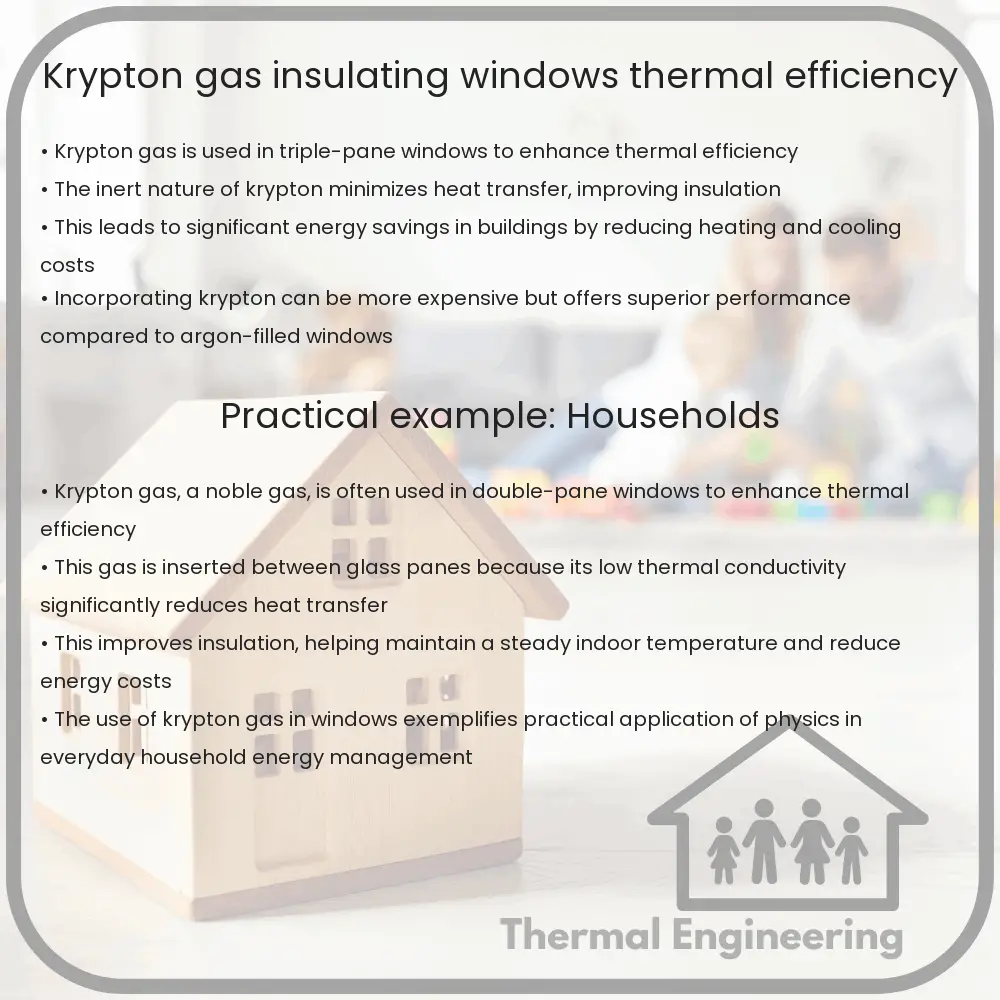
Enhancing thermal efficiency in buildings is a key concern in modern engineering, aiming to reduce energy consumption and increase comfort. One innovative solution that has emerged is the use of krypton gas in insulating windows. Krypton, a noble gas, is becoming increasingly popular in energy-efficient window designs due to its exceptional insulating properties.

What is Krypton Gas?

Krypton is a colorless, odorless, inert gas that resides in the Earth’s atmosphere at trace amounts. Despite its rarity, krypton is highly effective in insulation applications, particularly in the space between glass panes in double and triple-glazed window units.

How Krypton Gas Enhances Window Insulation

The primary function of krypton gas in windows is to reduce heat transfer through the air space between the glass panes. This is crucial in both warm and cold climates to maintain a comfortable indoor environment and reduce heating and cooling costs. Here’s how krypton achieves this:

  • Low Conductivity: Krypton gas has lower thermal conductivity compared to air, making it a better insulator. Thermal conductivity of krypton is approximately 0.0095 W/m*K, less than half that of air, which significantly reduces the rate at which heat passes through the window.
  • Increased Energy Efficiency: Windows filled with krypton gas can provide better thermal performance, thereby contributing to the overall energy efficiency of buildings. This can lead to lower energy bills and an improved carbon footprint.
  • Optimal Thickness: The effectiveness of krypton as an insulator increases with the optimal spacing between the glass panes. Typically, a spacing of about 3/8 to 1/2 inches (approximately 9.5 to 12.7 mm) is considered ideal for krypton gas filled windows.

Advantages of Using Krypton in Insulating Windows

  1. Enhanced Thermal Performance: Krypton-filled windows have a higher insulating value compared to those filled with air or even argon, another popular gas used for insulation.
  2. Reduction in Heat Loss: By minimizing the heat transfer, krypton gas significantly reduces the heat loss in winter and heat gain in summer, maintaining a more consistent indoor temperature.
  3. Sound Insulation: Besides thermal efficiency, krypton also offers superior sound insulation properties, making it ideal for use in noisy environments.
  4. Environmental Impact: While krypton is more expensive than argon, its superior insulating properties mean that less gas is needed per window, which compensates for the cost and provides environmental benefits through reduced energy consumption.

Conclusion

While the initial cost of krypton gas filled windows may be higher than those filled with air or argon, the long-term savings in energy costs and the benefits of increased comfort and reduced environmental impact make it a valuable investment. As building standards evolve towards more energy-efficient solutions, the role of advanced materials like krypton gas in construction is likely to grow, reinforcing the importance of innovative engineering solutions in our ongoing pursuit of sustainability.

Whether for residential, commercial, or industrial applications, optimizing the use of advanced insulating technologies such as krypton-filled windows represents a forward-thinking approach to modern challenges in building design and energy conservation.

Chlorofluorocarbons | Refrigerants & Thermal Conductivity

Learn about Chlorofluorocarbons (CFCs), their role in refrigeration, impacts on thermal conductivity, and environmental effects.

Chlorofluorocarbons | Refrigerants & Thermal Conductivity

Understanding Chlorofluorocarbons: Refrigerants and Thermal Conductivity

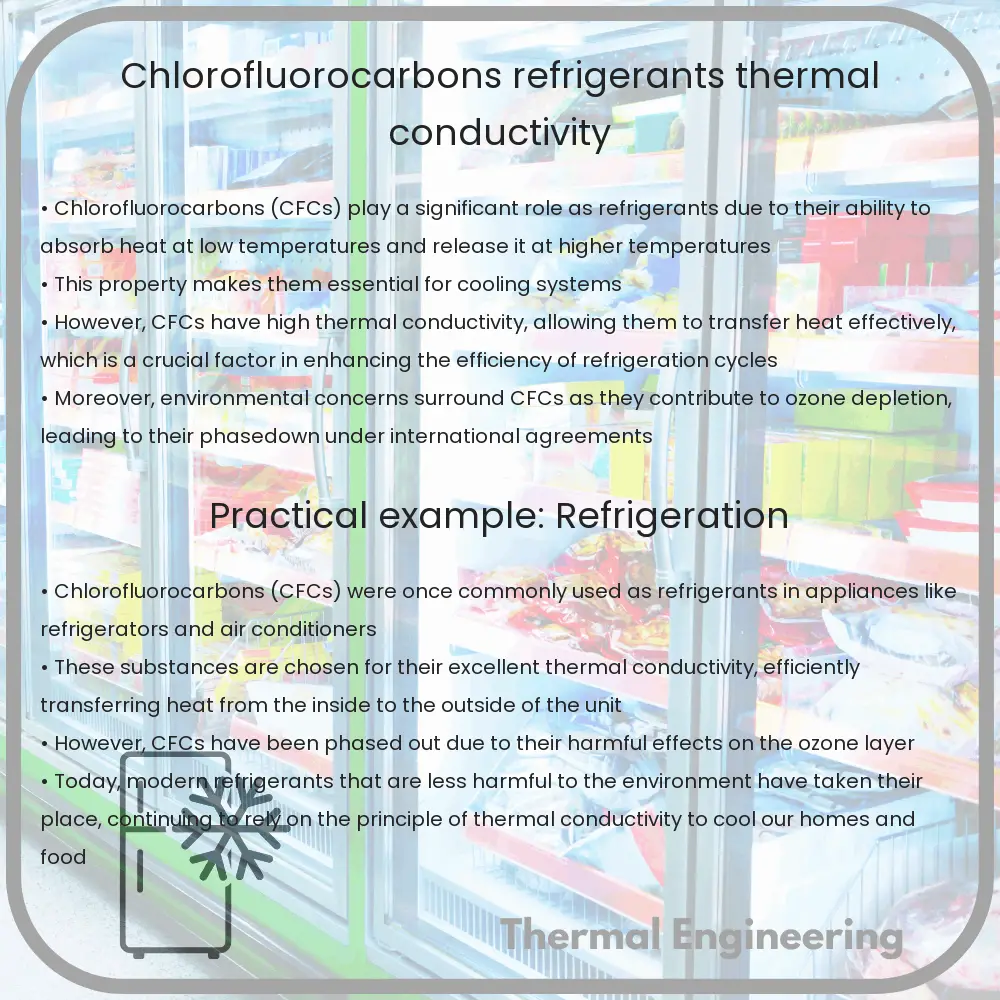
Chlorofluorocarbons, commonly known as CFCs, have played a crucial role in refrigeration and air conditioning systems over the past century. Initially celebrated for their efficiency and apparent safety, these compounds later became infamous for their detrimental impact on the Earth’s ozone layer. Apart from their widespread use in cooling systems, CFCs’ properties of thermal conductivity are also noteworthy, impacting their functionality and environmental implications.

What are Chlorofluorocarbons?

CFCs are a type of halocarbon in which hydrogen atoms are replaced by chlorine and fluorine. They are synthetic compounds that were initially developed in the early 1930s. Their non-flammability and low toxicity made them popular as replacements for dangerous substances like ammonia in refrigeration systems.

Use of CFCs as Refrigerants

In refrigeration and air conditioning systems, CFCs operate by cycling through phases of evaporation and condensation. This cycle, integral to the heat exchange process, relies heavily on the thermodynamic properties of the refrigerant used. CFCs, being highly volatile, easily vaporize and condense, making them highly effective in these systems. The most common uses of CFCs included refrigerants previously identified as R-11, R-12, and R-14.

Thermal Conductivity of CFCs

Thermal conductivity refers to the ability of a material to conduct heat. In the context of refrigerants like CFCs, lower thermal conductivity is generally more desirable because it enhances the efficiency of the heat exchange process as it minimizes the rate of unwanted heat transfer.

For example, the thermal conductivity of R-12, one of the most commonly used CFCs, is approximately 0.095 W/mK at 25°C. This relatively low thermal conductivity means that R-12 can effectively contain the heat within the refrigerated environment and prevent its transfer to the surroundings, thereby enhancing the efficiency of the refrigeration cycle.

Environmental Impact

Despite their beneficial roles in refrigeration, CFCs were found to have a severe negative impact on the environment. They are potent greenhouse gases that also deplete the ozone layer, a critical shield that protects the Earth from the harmful ultraviolet rays of the sun. When CFCs reach the upper atmosphere, ultraviolet radiation causes them to break down, releasing chlorine atoms that catalyze the destruction of ozone molecules.

Regulations and Alternatives

Due to their environmental risks, the production and usage of CFCs have been heavily restricted under the Montreal Protocol, an international treaty agreed upon in 1987. Alternatives such as hydrofluorocarbons (HFCs) and hydrochlorofluorocarbons (HCFCs) were developed to replace CFCs in refrigeration and air conditioning systems. These substitutes have lower ozone-depleting potential and are continually being improved to reduce their impact on global warming.

Summary

Chlorofluorocarbons (CFCs) have played a significant role in developing refrigeration and air-conditioning technologies due to their chemical stability and effective heat transfer properties. However, their adverse effects on the ozone layer have led to strict regulations and the development of safer, more environmentally friendly alternatives. Understanding both the mechanical and environmental aspects of refrigerants like CFCs is crucial for developing sustainable cooling technologies in the future.

Ethylene Gas | Ripening Agent, Thermal Applications

Learn about ethylene gas’s applications as a fruit ripening agent and its crucial roles in various thermal industrial processes.

Ethylene Gas | Ripening Agent, Thermal Applications

Ethylene Gas: The Ripening Agent and Its Thermal Applications

Ethylene gas (C2H4) is a colorless, flammable gas with a faintly sweet odor, widely recognized for its role in the ripening process of fruits. Beyond agriculture, ethylene gas finds significant roles in various thermal applications, underlining its versatility and importance in diverse industrial sectors.

Role of Ethylene as a Ripening Agent

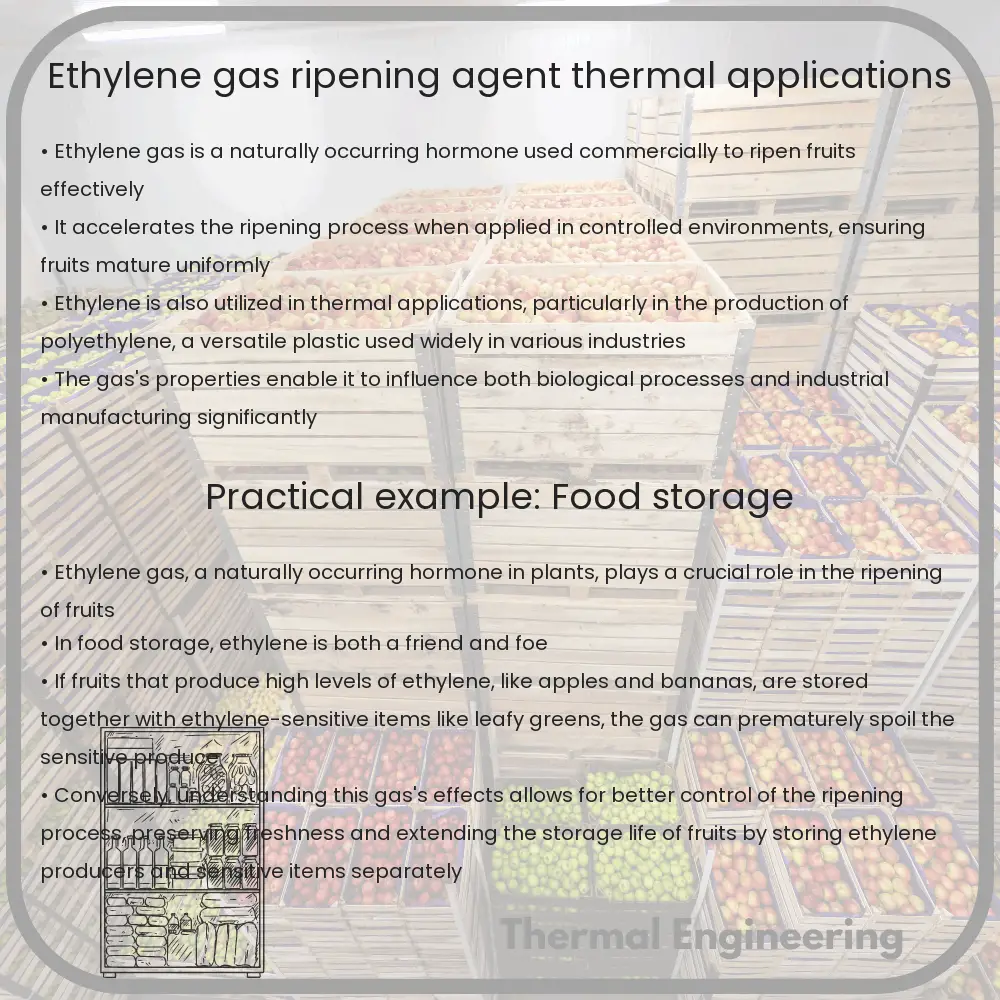
Ethylene serves as a natural plant hormone that is primarily involved in the ripening of fruits. This hydrocarbon gas is produced in small amounts by most fruits and acts as a key signaling molecule to initiate the ripening process. When fruits release ethylene in confined spaces, the concentration of the gas increases, accelerating the ripening process.

  • Synthesis and Release: Ethylene is synthesized from methionine in fruit tissues. The biosynthesis involves an enzyme called ACC synthase that facilitates the conversion of S-adenosylmethionine (SAM) to 1-aminocyclopropane-1-carboxylic acid (ACC), which is then converted to ethylene.
  • Commercial Use: Commercially, ethylene gas is widely used to regulate fruit ripening in storage facilities and during transportation. For example, bananas are harvested green and later exposed to ethylene gas to induce ripening, achieving uniform color and texture.
  • Action Mechanism: The gas works by affecting various physiological pathways that modify texture, softness, color, and other characteristics of fruit, essentially making them ready for consumption.

Thermal Applications of Ethylene

Ethylene is not only crucial in agriculture but also plays a vital role in various thermal applications in the industrial sector. Its high calorific value and flammability make it a valuable candidate for combustion-related processes.

  1. Production of Heat: Ethylene is used as a fuel in some industrial heating processes where high temperatures are required. Its combustion generates significant amounts of heat, which can be utilized in energy production and heating applications.
  2. Steam Cracking: One of the most significant industrial applications of ethylene involves its use in steam cracking, a petrochemical process that breaks down large hydrocarbons into smaller ones, primarily yielding ethylene and other alkenes. This process involves the heating of hydrocarbons in the presence of steam at high temperatures.
  3. Ethylene Oxide Production: The thermal oxidative reaction of ethylene leads to the production of ethylene oxide, a key intermediate used in the manufacture of several important chemicals and solvents, including ethylene glycol.

The dual role of ethylene as a ripening agent and a component in thermal applications showcases its importance across various domains — from food technology to industrial manufacturing. Understanding ethylene’s properties and uses can lead to optimized applications and innovations in these fields.

As ethylene continues to be studied and utilized, its impact on both agriculture and industry is expected to grow, influencing procedures and technologies used worldwide.