Facebook Instagram Youtube Twitter

Fuel Transfer Pump | Safe Handling & Distribution

Learn about fuel transfer pumps, essential for safe and efficient fuel handling in automotive, agriculture, and more.
Fuel Transfer Pump | Safe Handling & Distribution

Understanding Fuel Transfer Pumps

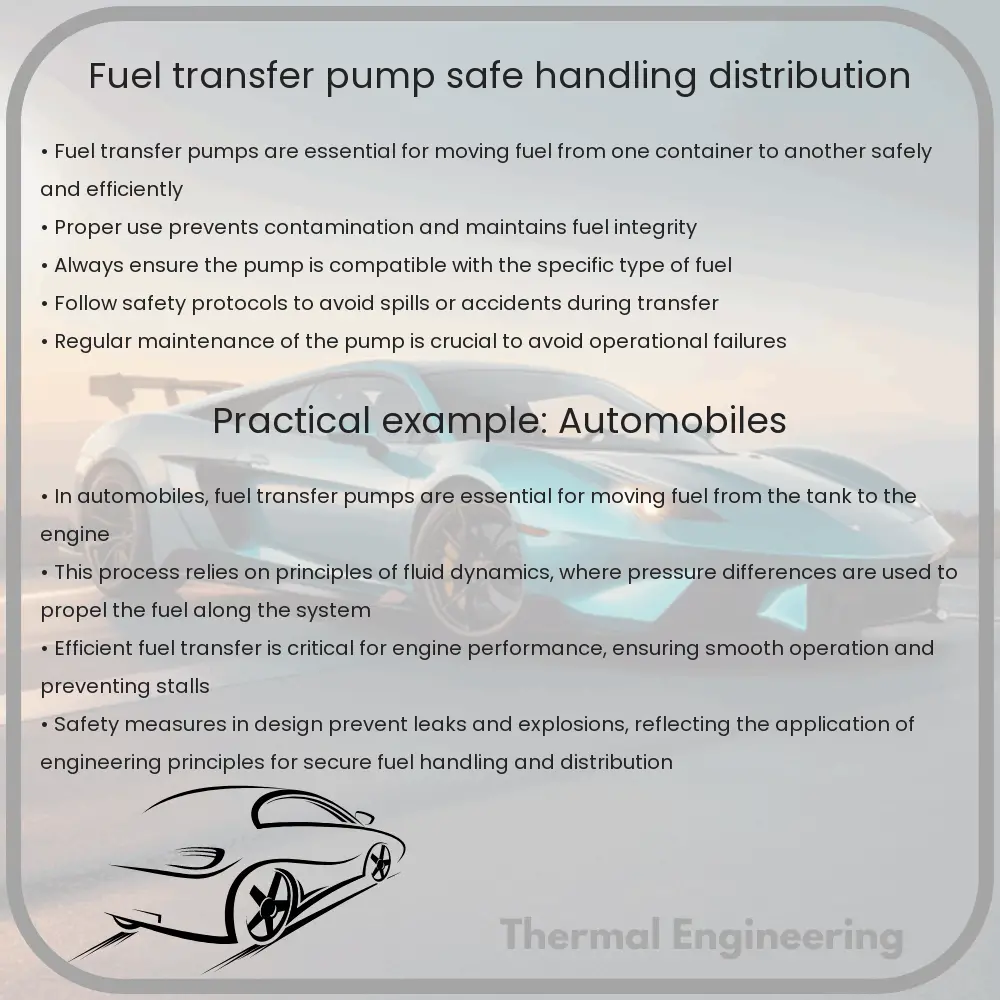
Fuel transfer pumps are essential devices used in the handling and distribution of fuel among various sectors such as automotive, agriculture, construction, and manufacturing industries. These pumps enable the safe and efficient transfer of different types of fuels, including gasoline, diesel, kerosene, and others from one container to another, or from a container to a vehicle.

Types of Fuel Transfer Pumps

There are mainly two types of fuel transfer pumps: manual and electric.

  • Manual pumps are operated by hand or foot, often used in scenarios where power sources are not available. These are economical and simple but can be labor-intensive.
  • Electric pumps use a motor powered by either AC (Alternating Current) or DC (Direct Current) sources, making them suitable for more heavy-duty applications. They offer ease of use and can handle larger volumes of fuel efficiently.

Safety Practices for Handling Fuel

When using fuel transfer pumps, it is crucial to follow specific safety guidelines to prevent accidents and ensure efficient operation:

  1. Proper Installation: Always ensure that the pump is correctly installed according to the manufacturer’s instructions. Incorrect installation can lead to leaks or mechanical failures.
  2. Use Proper Equipment: Always use equipment that is compatible with the type of fuel you are handling to avoid chemical reactions or equipment degradation.
  3. Regular Maintenance: Regular maintenance checks are essential to ensure that the pump functions correctly and safely. This includes checking for leaks, ensuring electrical connections are secure, and replacing worn parts.
  4. Grounding Practices: Since fuel is highly flammable, proper grounding and bonding are essential to prevent static electricity buildup, which can lead to sparks and potentially ignite the fuel.
  5. Personal Protective Equipment (PPE): Always wear appropriate protective gear such as gloves, goggles, and fire-resistant clothing when operating the pump.

Efficient Distribution Using Fuel Transfer Pumps

The efficiency of fuel distribution using transfer pumps relies heavily on understanding the flow rate and power requirements of the pump. The flow rate, generally measured in gallons per minute (GPM), should match the demands of the application to prevent overfilling or underdelivering. Moreover, using pumps equipped with automatic shut-off functions can prevent spills, which are both a safety hazard and a waste of resources.

Environmental Considerations

Handling and transferring fuels can pose risks to the environment, primarily through spills and leaks. To mitigate these risks, it’s advisable to:

  • Install Spill Containment Systems: Use containment sumps or berms around the area where fuel transfer is taking place to catch any accidental spills.
  • Regular Inspections: Frequently inspect transfer equipment and storage tanks for integrity issues to prevent any breach that might lead to environmental contamination.
  • Adhere to Regulations: Always adhere to local, national, and international regulations regarding fuel handling and storage, ensuring compliance with environmental protection standards.

In conclusion, fuel transfer pumps are critical components in the distribution and usage of fuel across various sectors. Their effectiveness depends significantly on selecting the right type of pump, adhering to safety protocols, and considering environmental impacts. By implementing these practices, users can ensure safe, efficient, and environmentally friendly operation.
Helium Gas | Low Density, Thermal Conductivity & Uses

Learn about helium gas, its unique properties such as low density and high thermal conductivity, and its diverse applications in industries like cryogenics and aerospace.

Helium Gas | Low Density, Thermal Conductivity & Uses

Understanding Helium Gas: Properties and Uses

Helium gas is one of the most interesting and useful elements in the periodic table. Known primarily for its low density and high thermal conductivity, helium has a variety of applications that leverage these properties in both everyday life and advanced technological settings.

Properties of Helium Gas

  • Low Density: Helium is one of the lightest and least dense elements, with a density of about 0.1786 grams per liter at standard temperature and pressure (0°C and 1 atm). This is primarily because helium’s atomic mass (about 4 u) is very low compared to most other gases.
  • High Thermal Conductivity: Helium is also notable for its high thermal conductivity, which is the ability to conduct heat. It has a thermal conductivity of about 0.1513 W/m·K at 300 K, making it a superb coolant in processes that require low temperatures.
  • Inertness: Helium is a noble gas, meaning it is extremely non-reactive. This inertness makes it ideal for use in environments where a non-reactive atmosphere is crucial, such as in certain manufacturing processes for electronics.
  • Low Boiling and Melting Points: Helium has an exceptionally low boiling point of -268.93°C and a melting point of -272.2°C at atmospheric pressure, properties that are critical for its use in cryogenics.

Applications of Helium Gas

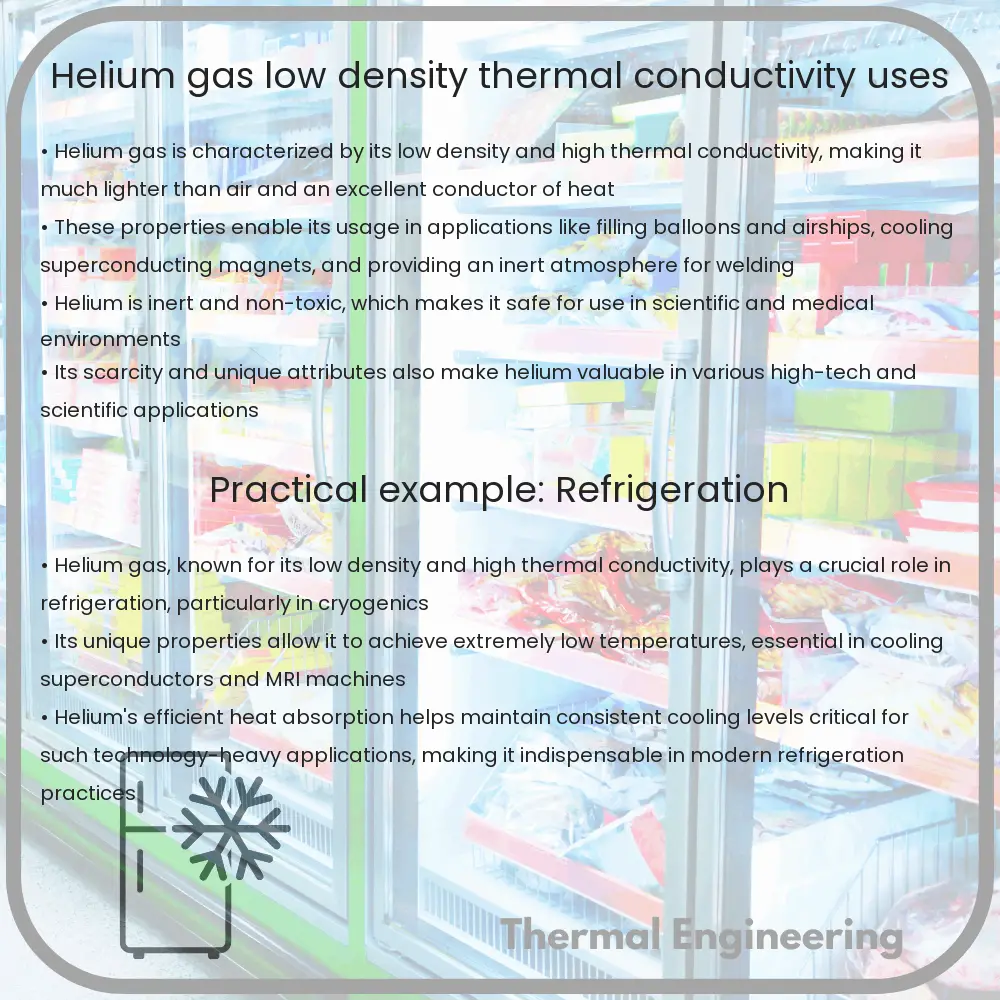
  • Cryogenics: Due to its low boiling point, helium is extensively used in cryogenics. This field involves the production and behavior of materials at very low temperatures. Helium is used to achieve and maintain these conditions, particularly in superconducting magnets found in medical imaging devices like MRI scanners.
  • Aerospace and Deep Sea Diving: Because of its low density, helium is used to fill balloons and airships. In deep-sea diving, helium is mixed with oxygen to create heliox, which helps prevent divers from experiencing the nitrogen narcosis that occurs when breathing ordinary air under high pressure deep underwater.
  • Leak Detection: Helium’s small and non-reactive molecules are ideal for detecting leaks in high-vacuum equipment and sealed containers. It can easily escape from even tiny leaks, which can then be detected using sensitive instruments.
  • Fiber Optics and Electronics Manufacturing: The inertness of helium makes it safe for use as a protective atmosphere in the growth of silicon and germanium crystals, and in the manufacture of fiber optics, where impurities can significantly degrade quality.
  • Scientific Research: In laboratories, helium is used in a variety of applications from cooling to providing an inert atmosphere for various experiments. Helium-neon lasers, a type of gas laser leveraging helium in conjunction with neon, are used for alignment, holography, and various educational purposes.

Helium is a non-renewable resource, primarily extracted from natural gas fields. Its unique properties make it irreplaceable in many critical applications, which is why its conservation and responsible use are becoming increasingly important in industry and academia alike.

Argon Gas | Inert, Thermal Insulation & Welding Uses

Learn about argon gas, a non-reactive noble gas with applications in welding, manufacturing, and thermal insulation.

Argon Gas | Inert, Thermal Insulation & Welding Uses

Introduction to Argon Gas

Argon is a colorless, odorless, tasteless, and non-toxic gas that belongs to the noble gases group in the periodic table. Represented by the symbol Ar, its atomic number is 18. Due to its inert properties, argon is not very reactive and forms very few compounds under ordinary conditions. This makes it highly valuable in various industrial applications where materials must be protected from the reactive effects of air.

Properties of Argon

Argon has several notable physical and chemical properties:

  • Density (at STP): approximately 1.784 g/L, which is roughly 1.38 times that of air.
  • Boiling Point: -185.9°C (-302.6°F)
  • Melting Point: -189.3°C (-308.7°F)
  • It is mostly used in situations where materials need to be isolated from air that might contain oxygen or other reactive gases.

Inertness and Protective Applications

One of the key features of argon is its inertness, meaning it does not easily react with other elements or compounds. This characteristic is critically important in many fields such as:

  • Manufacturing: Argon is used to create an inert atmosphere in processes where materials must be protected from the surrounding air, such as in the manufacturing of titanium and other reactive elements.
  • Preservation: It is employed in the preservation of historical documents and materials where oxygen and moisture in the air might cause damage.

Thermal Insulation

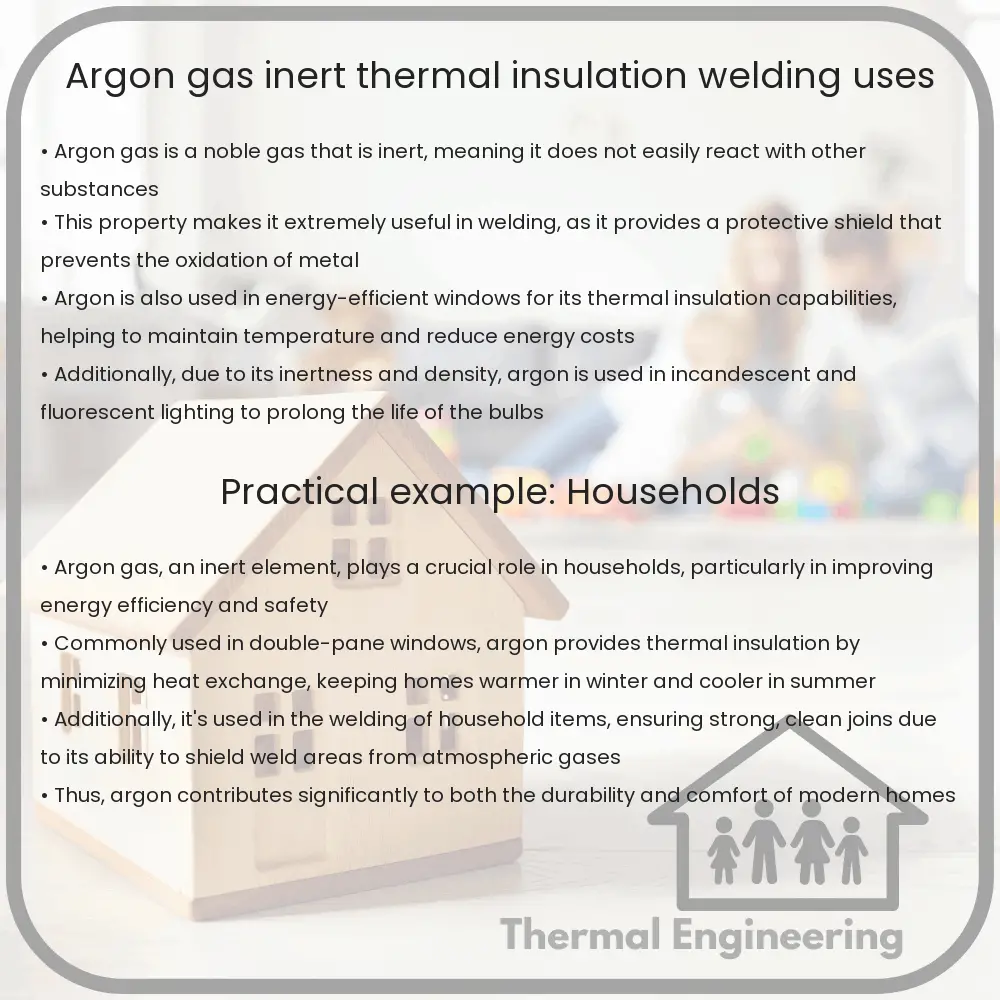
Argon’s low thermal conductivity makes it an excellent insulating gas, which is why it is used in double-pane windows. These windows help maintain temperature control inside buildings by reducing heat transfer between the inside and outside. Here, argon gas fills the space between the two panes of glass, significantly reducing thermal exchange and improving energy efficiency.

Uses in Welding

Welding is another major application of argon, particularly in arc welding processes such as Gas Tungsten Arc Welding (GTAW, or TIG) and Metal Inert Gas Welding (MIG). In these processes, argon is used to shield the weld area from atmospheric gases such as nitrogen and oxygen, which can cause fusion defects, porosity, and weld spatter if they come into contact with the superheated metal. The properties of argon help in producing a cleaner, stronger weld:

  • Plasma Stability: Argon helps stabilize the plasma arc during the welding process.
  • Splash Reduction: It reduces the spattering of molten metal during welding.

Conclusion

Argon is an indispensable gas in various industries, ranging from manufacturing to construction, thanks to its inert nature and thermal insulation properties. Whether it’s protecting historic artifacts or aiding in the creation of robust metal joints in welding, argon continues to be an important player in the engineering and industrial fields.

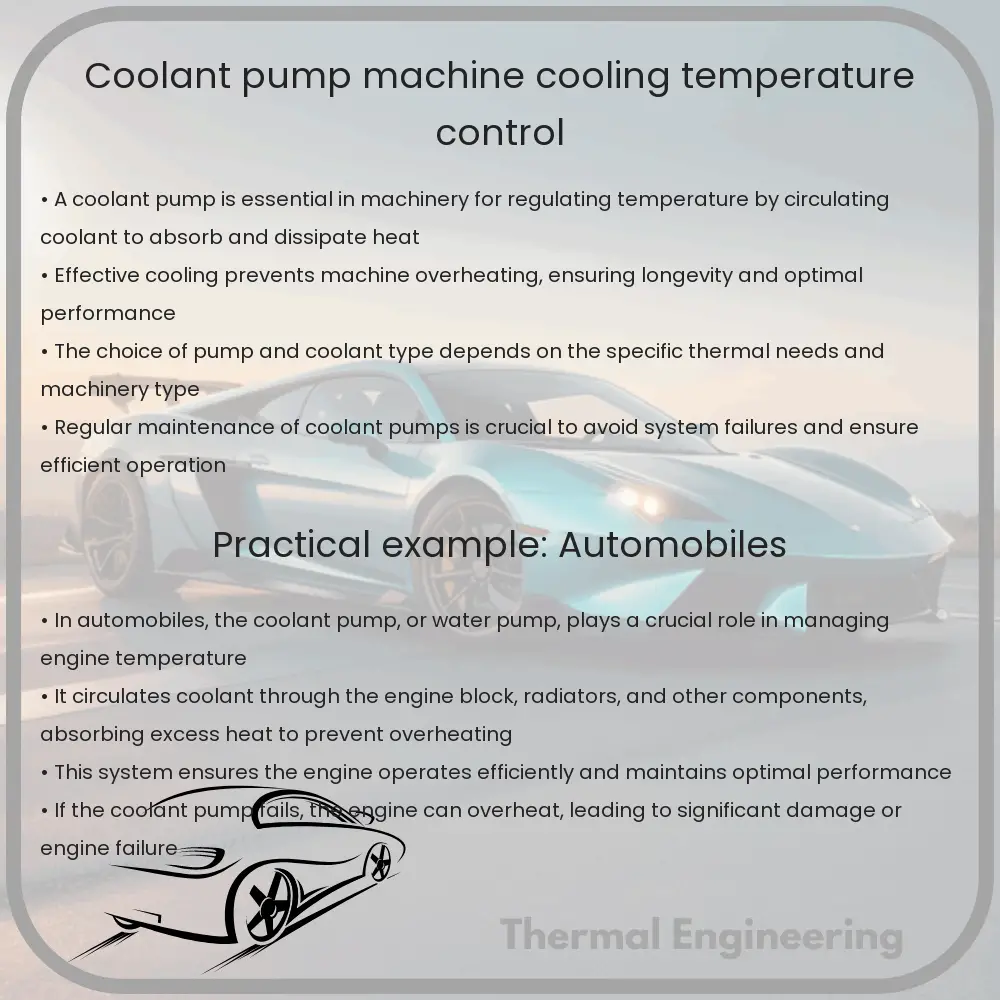
Coolant Pump | Machine Cooling & Temperature Control

Learn about coolant pumps, their types, working mechanisms, and key factors in selection for machine cooling and temperature control systems.

Coolant Pump | Machine Cooling & Temperature Control

Understanding Coolant Pumps in Machine Cooling and Temperature Control

Maintaining an optimal temperature during the operation of industrial machinery and equipment is crucial for efficiency and longevity. This is where coolant pumps play an indispensable role. A coolant pump is designed to regulate the temperature of machines and prevent overheating, which could potentially lead to mechanical failures and downtime. Let’s explore how coolant pumps function, their types, and some basic calculations involved in selecting the right pump.

How Do Coolant Pumps Work?

Coolant pumps are typically part of a cooling system that circulates coolant — usually water-based or oil-based liquids — through machinery to absorb excess heat. The basic mechanism involves drawing the heated coolant away from the machine’s hot surfaces, pumping it to a cooling unit, and then recirculating the cooled fluid back into the system. This continuous flow of coolant helps maintain a stable operating temperature within the machinery.

Types of Coolant Pumps

  • Centrifugal Pumps: These are the most common type used in industrial applications. They operate using a rotating impeller to create centrifugal force, pushing fluid outward from the pump’s inlet to its outlet, thereby facilitating the movement of the coolant.
  • Positive Displacement Pumps: These pumps move a fixed amount of fluid per cycle through displacement of the liquid with gears, screws, or vanes. They are typically used where a precise volume of fluid is required to be moved, regardless of the pressure or viscosity.
  • Submersible Pumps: Designed to operate while submerged in the coolant itself, submersible pumps are highly efficient as they don’t require a lot of energy to move the coolant into the pump. They are commonly used in machine tool applications.

Key Factors in Selecting a Coolant Pump

Several factors should be considered when selecting a coolant pump for industrial applications:

  1. Flow Rate: The flow rate, typically measured in gallons per minute (GPM) or liters per minute (LPM), is crucial. It must be sufficient to remove heat from the machine effectively.
  2. Head Pressure: The pump must provide enough pressure to circulate the coolant through the entire cooling system, overcoming resistance created by pipes, fittings, and equipment.
  3. Coolant Type: The type of coolant used can affect the pump’s material and design, especially if the coolant is abrasive or chemically aggressive.
  4. Energy Efficiency: An energy-efficient pump can significantly reduce operational costs, especially in systems that operate continuously.
  5. Durability and Maintenance: The pump’s construction should be robust enough to handle the operating conditions, and maintenance should be straightforward to minimize downtime.

Basic Calculation for Coolant Pump Selection

To select the right coolant pump, understanding the basic equation for hydraulic power is essential:

Hydraulic Power (HP) = (Flow Rate (GPM) * Head Pressure (psi)) / 1714

This equation helps in calculating the required horsepower to overcome the system resistance and maintain adequate flow. By ensuring the pump has a slightly higher capacity than calculated, you can account for any system variations or future expansions.

Conclusion

Coolant pumps are vital components in machine cooling and temperature control systems. Choosing the right pump requires a thorough understanding of the system’s requirements and operating conditions. Whether for industrial machinery, automotive applications, or HVAC systems, effective cooling is essential to protect equipment and optimize performance, highlighting the critical role of coolant pumps in engineering and maintenance strategies.

Condensate Pump | HVAC System Efficiency & Removal

Learn about the crucial role of condensate pumps in boosting HVAC system efficiency, importance, and maintenance tips.

Condensate Pump | HVAC System Efficiency & Removal

Understanding the Role of Condensate Pumps in HVAC System Efficiency

Heating, Ventilation, and Air Conditioning (HVAC) systems are essential components of modern buildings, ensuring comfort and maintaining air quality. An often overlooked but critical component of these systems is the condensate pump. The condensate pump plays a pivotal role in enhancing system efficiency by managing the removal of condensation produced during the heating and cooling processes.

What is a Condensate Pump?

A condensate pump is a specific type of pump used to remove water (condensate) that is generated during the air conditioning, refrigeration, and heating processes. Most commonly found in systems where the condensation cannot be drained by gravity, these pumps collect and transport condensate to a proper drainage area, preventing water accumulation and potential damage in and around HVAC equipment.

How Condensate Pumps Improve HVAC Efficiency

Condensate pumps contribute to HVAC system efficiency in several ways:

  • Preventing Water Damage and Corrosion: By efficiently removing condensate, these pumps prevent water from collecting in or around HVAC units, which can lead to corrosion or other damage that might impede system performance.
  • Reducing Humidity Levels: Efficient removal of condensate helps in maintaining lower humidity levels in the air-handled spaces. This is particularly important for air conditioning systems during hot weather, improving comfort and reducing the load on the cooling system.
  • Enhancing Energy Performance: When condensate removal is not managed properly, HVAC systems can work harder than necessary to achieve desired indoor temperatures, leading to increased energy consumption. Condensate pumps facilitate smoother operation and energy efficiency.

Key Components and Operation of Condensate Pumps

The basic components of a typical condensate pump include:

  • The reservoir: Where condensate collects.
  • The pump: Which mobilizes the condensate.
  • The float switch: Which detects the water level in the reservoir and activates the pump when necessary.
  • The check valve: Which prevents the backflow of drained condensate.

Operationally, when the condensate level in the reservoir reaches a set point, the float switch triggers the pump. The pump then expels water through a discharge line that leads to a suitable drain. This cycle repeats as long as the HVAC system is in operation and producing condensate.

Maintenance Tips for Condensate Pumps

Proper maintenance of condensate pumps is essential for ensuring their efficiency and longevity:

  • Regular Cleaning: Reservoirs should be cleaned regularly to prevent sludge, mold, and mildew buildup, which can obstruct the pump and lines.
  • Inspecting and Testing the Pump and Float Switch: Regular checks will ensure functional reliability and prevent system failures.
  • Ensuring Proper Discharge Line Routing: The discharge line should be properly routed and free from kinks and blockages to ensure effective removal of condensate.

Conclusion

In conclusion, while they may seem like minor components in the broader HVAC system architecture, condensate pumps are indispensable for ensuring the system’s efficient and trouble-free operation. By effectively handling condensation, they enhance both the performance and lifespan of HVAC units, contributing to overall energy efficiency and system health. Regular maintenance and timely repairs of these pumps are crucial to maintaining the optimal performance of your HVAC system.

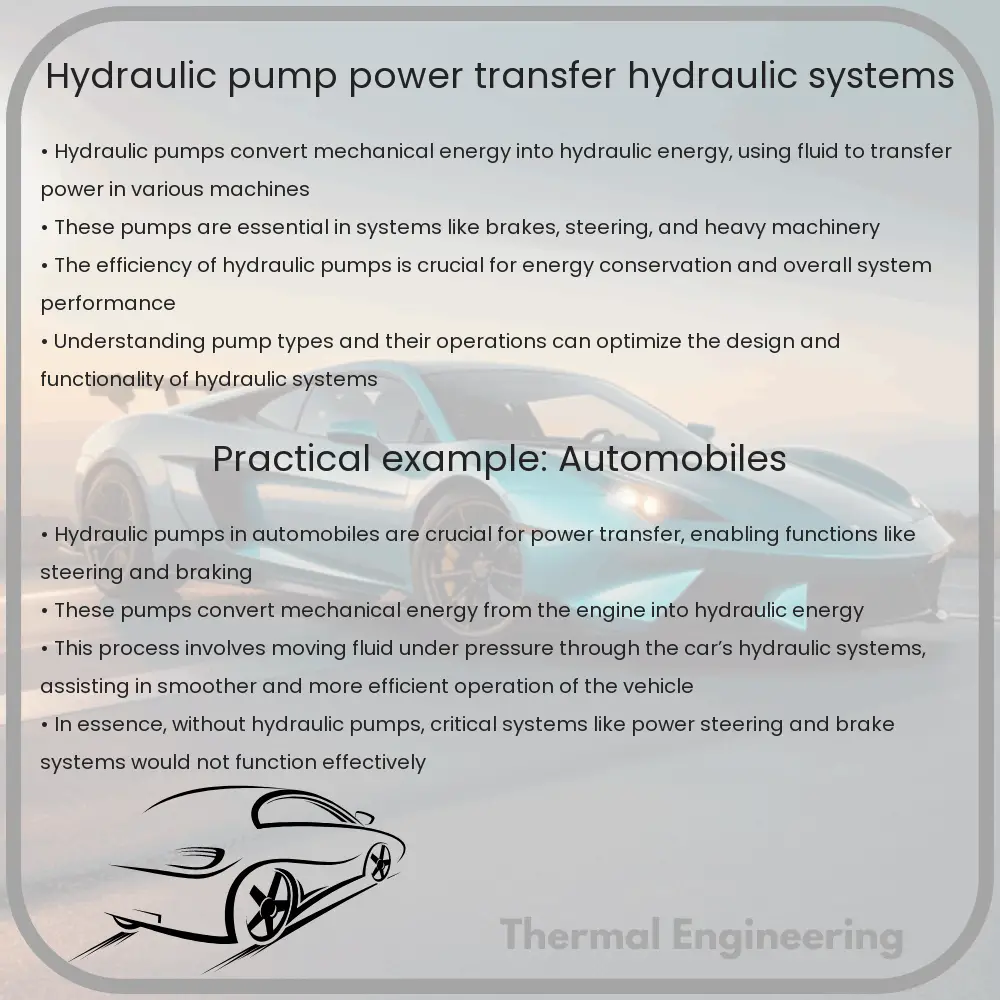
Hydraulic Pump | Power Transfer & Hydraulic Systems

Learn how hydraulic pumps power machinery by converting mechanical energy into hydraulic energy, essential in various engineering applications.

Hydraulic Pump | Power Transfer & Hydraulic Systems

Understanding Hydraulic Pumps: Power Transfer in Hydraulic Systems

Hydraulic pumps are integral components of hydraulic systems, playing a crucial role in powering a wide range of machinery, from automotive applications to heavy industrial equipment. Essentially, a hydraulic pump converts mechanical energy into hydraulic energy, which is then used to perform work such as lifting heavy loads or operating complex machinery mechanisms.

How Hydraulic Pumps Work

At its core, the operation of a hydraulic pump is about the displacement of fluid. This process involves converting mechanical energy, often from a motor or engine, into fluid energy. The generated fluid energy is represented as the flow rate or pressure of the fluid in the system.

Types of Hydraulic Pumps

  • Gear Pumps: These are fixed displacement pumps that have interlocking gears to pump fluid by displacement. They are known for their durability and are suitable for a wide range of pressures and flows.
  • Piston Pumps: Available in both axial and radial forms, piston pumps offer variable displacement and can handle higher pressure ratios. They are efficient and can be adjusted to deliver different flow rates as needed.
  • Vane Pumps: Featuring slotted rotor with varied vane extension, these pumps offer medium pressure capabilities and are typically quieter and entail smoother pump action.

The Role of Power Transfer in Hydraulic Systems

The primary purpose of a hydraulic pump is to convert the mechanical energy delivered by the motor into hydraulic energy. This conversion is described by the formula:

Hydraulic Power (P) = Pressure (p) * Flow Rate (Q)

Where:

  • P is the hydraulic power in watts (W)
  • p is the fluid pressure in pascals (Pa)
  • Q is the flow rate in cubic meters per second (m3/s)

The effectiveness of this energy transfer, and hence the efficiency of the hydraulic pump, depends highly on the tightness of the clearances within the pump and its overall mechanical design, which reduce leakages and optimize the flow of hydraulic fluid.

Applications in Engineering

Hydraulic pumps find applications across numerous fields due to their ability to generate large amounts of power through small, simple mechanisms. Here are some common applications:

  • Construction Equipment: Hydraulic pumps are staples in cranes, excavators, and bulldozers, where high power transfer is necessary for lifting and moving heavy materials.
  • Aerospace: In aircrafts, hydraulic pumps are used in systems for controlling wing flaps, landing gears, and other mechanisms.
  • Manufacturing: Industrial presses, conveyors, and robotic arms often utilize hydraulic systems for precise control and load handling.

Understanding the basics of hydraulic pumps and their operation within hydraulic systems offers valuable insight into how modern machinery accomplishes tasks ranging from simple movements to complex automated processes. With their ability to efficiently convert and transfer energy, hydraulic pumps play a crucial role in making engineering innovations practical and effective.

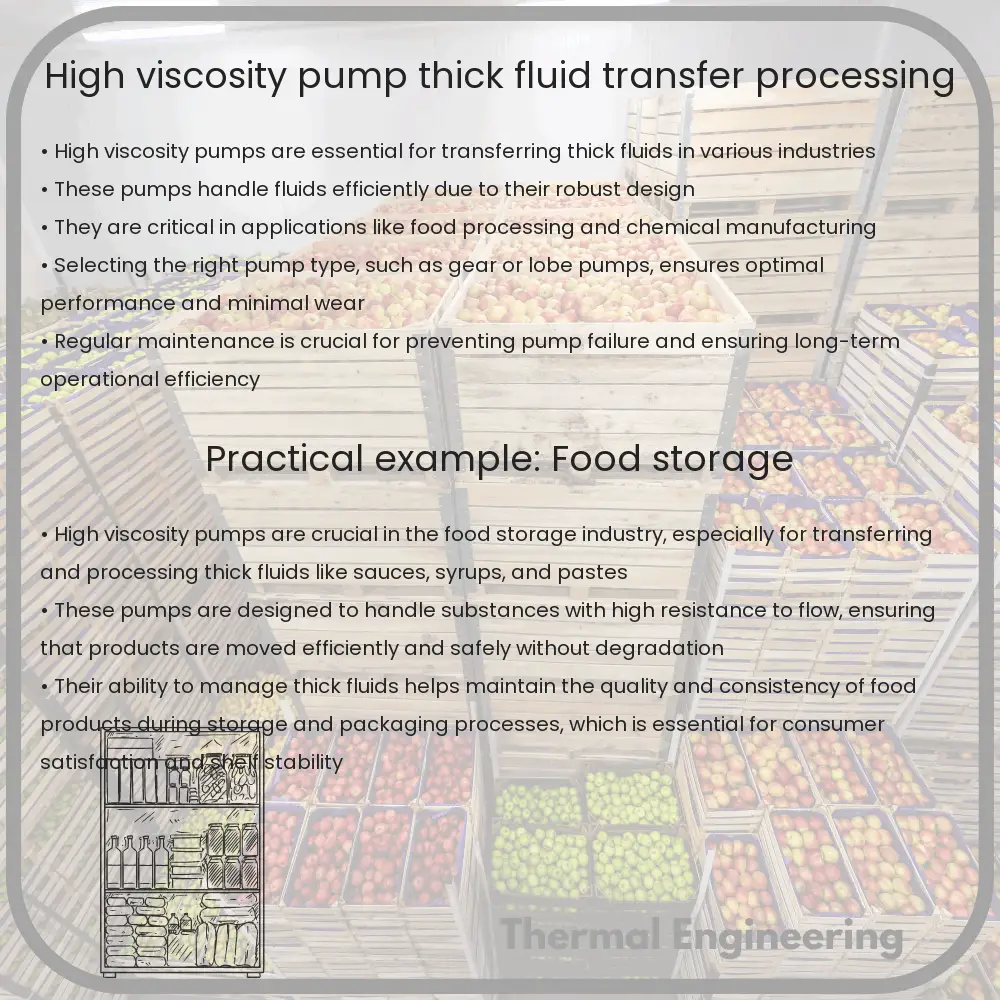
High Viscosity Pump | Thick Fluid Transfer & Processing

Learn about high viscosity pumps, essential for transferring thick fluids in industries like food, pharmaceuticals, and oil.

High Viscosity Pump | Thick Fluid Transfer & Processing

Understanding High Viscosity Pumps for Thick Fluid Transfer & Processing

High viscosity pumps are specialized mechanical devices designed to transport or process fluids that have a dense, thick consistency. These pumps are crucial in many industries like food and beverage, pharmaceuticals, cosmetics, and heavy oils, where handling thick fluids like syrups, oils, creams, and lubricants is required. This article explores the basic principles, types, and uses of high viscosity pumps in industrial applications.

What is Viscosity?

Viscosity is a measure of a fluid’s resistance to gradual deformation by shear or tensile stress. It essentially describes how thick a fluid is. For engineers and industry professionals, understanding viscosity is critical because it affects the efficiency and selection of a pump suitable for handling particular fluids. High viscosity means a fluid is thick and flows slowly, while low viscosity means a fluid is thin and flows easily.

Types of High Viscosity Pumps

  • Rotary Gear Pumps: These pumps operate with a minimal clearance between rotating gears and the pump’s casing. As the gears rotate, fluid is transferred from the inlet to the outlet, making them suitable for high viscosity fluids.
  • Progressive Cavity Pumps: Consisting of a helical rotor and a stator, progressive cavity pumps create sealed cavities that move the fluid through the pump. This type is particularly effective for handling slurries and pastes.
  • Lobe Pumps: With two or more lobes that rotate in sync on a shaft, these pumps handle viscous fluids while maintaining product integrity, commonly used in the food and pharmaceutical sectors.
  • Peristaltic Pumps: They utilize a rotor with rollers or shoes that compress a hose or tube to move fluid. As the rotor turns, the fluid is pushed forward inside the tubing. This type is excellent for high viscosity fluids containing solids or sensitive materials.

Factors to Consider When Selecting a High Viscosity Pump

  1. Fluid Characteristics: Knowing the specific viscosity, corrosivity, and whether solids are present is essential.
  2. Pump Capacity: This refers to the volume of fluid the pump can handle efficiently, measured in gallons per minute (gpm).
  3. Pressure Requirements: Different applications require different pressure levels. Operators must choose a pump capable of achieving necessary pressures without compromising system integrity.
  4. Material of Construction: The pump materials should be compatible with the fluid to avoid corrosion, wear, and contamination.

Application of High Viscosity Pumps

High viscosity pumps find applications across various industries due to their ability to efficiently manage thick fluids. In the food industry, they transfer ingredients like honey or chocolate. Pharmaceutical applications often involve handling syrups and gels. In the petrochemical sector, they’re used for moving heavy oils and greases, which require careful handling to maintain product quality and equipment reliability.

Challenges in Handling High Viscosity Fluids

One primary challenge in transferring high viscosity fluids is the need for higher operating pressures, which can increase energy consumption and operational costs. Additionally, there may be issues related to cavitation—where vapor bubbles form in the liquid because of changes in pressure. Proper pump selection and operation are vital to minimize these challenges.

Conclusion

High viscosity pumps play a critical role in industrial processes by efficiently handling and transferring thick fluids. Understanding viscosity, selecting the appropriate pump type, and considering application-specific requirements are crucial for optimizing performance and extending the operating life of these devices. By addressing the unique challenges of high viscosity fluids, industries can achieve higher productivity and cost-efficiency in their operations.

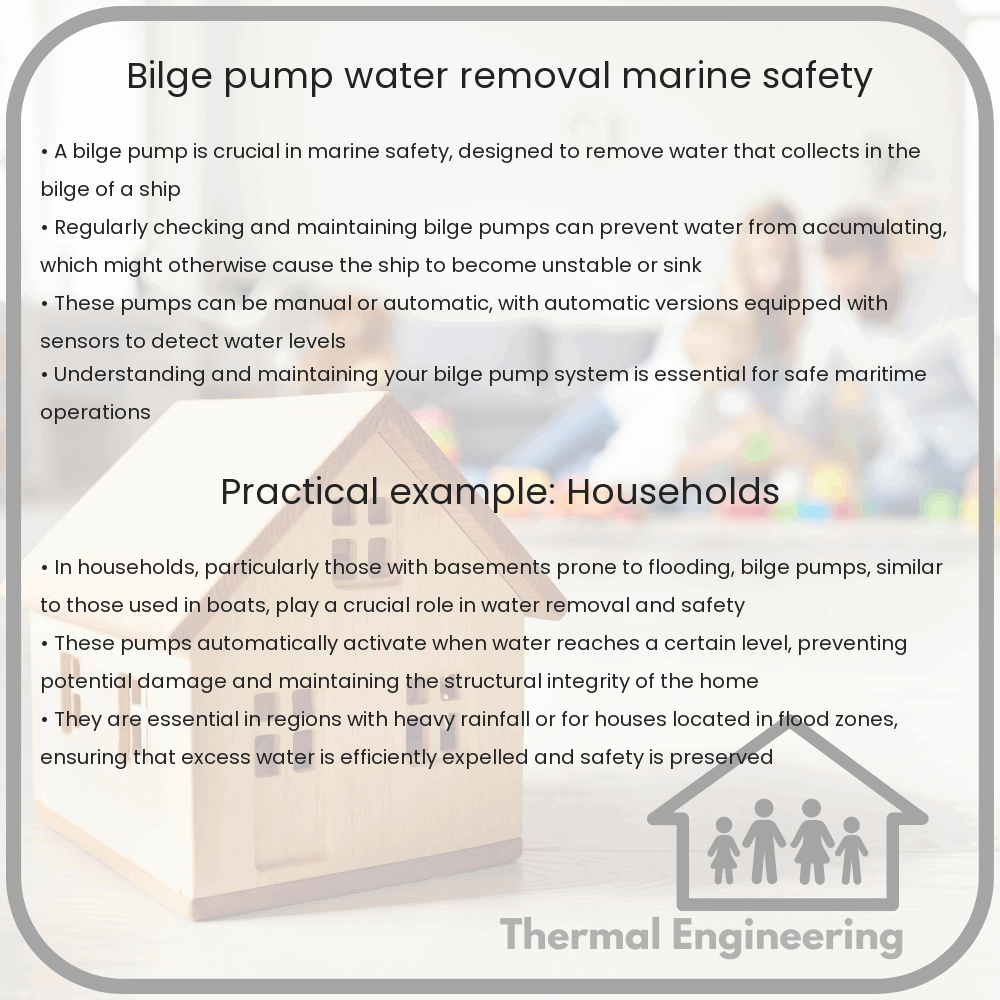
Bilge Pump | Water Removal, Marine & Safety

Learn about bilge pumps, essential for removing water and ensuring marine safety and vessel stability.

Bilge Pump | Water Removal, Marine & Safety

Understanding Bilge Pumps: Essentials for Water Removal in Marine Safety

Bilge pumps are critical components on boats, serving the essential function of removing bilge water. The bilge is the lowest compartment on a ship, below the waterline, where water typically collects from various sources such as leaks, condensation, and waves. This water, if not removed, can compromise vessel stability and safety. Therefore, bilge pumps are an integral part of a ship’s safety system, ensuring that water levels within the bilge are managed effectively.

Types of Bilge Pumps

There are primarily two types of bilge pumps used in marine environments: manual and electric pumps. The choice between these depends on the specific needs of the vessel, its size, and the conditions it encounters.

  • Manual Bilge Pumps: These are operated by hand and are essential in cases where power is unavailable. They are most effective as a backup system or on smaller boats.
  • Electric Bilge Pumps: These pumps are commonly used because of their convenience and ability to automatically remove water. They operate using a float switch or a sensor, which activates the pump when water reaches a certain level.

The Role of a Bilge Pump

The primary role of a bilge pump is to remove bilge water, thus keeping the vessel afloat and preventing the failure of critical systems. Bilge pumps also play a crucial role in maintaining the structural integrity of the vessel by preventing excessive load on the hull that could cause instability or hull deformations.

Choosing the Right Bilge Pump

When selecting a bilge pump, several factors need to be considered to ensure optimal performance and safety:

  • Capacity: The pump capacity is usually measured in gallons per hour (GPH). It is vital to choose a pump that can handle the boat’s typical water ingress efficiently.
  • Power Source: Most electric bilge pumps are designed for 12V or 24V systems. Ensure the pump is compatible with the boat’s electrical system.
  • Automatic vs. Manual: Automatic pumps offer convenience and continuous operation, crucial in emergency situations. Manual pumps require physical operation, suitable for smaller or backup applications.
  • Size and Installation: The pump should fit in the designated bilge area with appropriate discharge hoses and venting to ensure efficient operation.

Maintenance and Safety Tips

Regular maintenance is essential for ensuring the reliability and longevity of bilge pumps. Here are key maintenance and safety tips:

  • Regular Inspection: Check for debris, wear, and damage. These can hinder the effectiveness of the pump.
  • Cleanliness: Keep the bilge area free from oil, chemicals, and large debris, as these can clog the pump.
  • Testing: Regular testing of the pump and float switch (if equipped) is essential to ensure they are operational when needed.
  • Electrical Checks: Ensure all electrical connections are secure and corrosion-free, considering the marine environment’s harsh conditions.

Overall, bilge pumps are vital for the safety and operational efficiency of boats. Selecting the right type, regular maintenance, and timely intervention in case of failures are key to ensuring that they perform their critical function effectively.

Conclusion

Understanding the function and importance of bilge pumps is crucial for anyone involved in the marine industry or who owns a boat. By keeping these systems in good working condition and choosing the right type for your specific needs, you can ensure the safety and longevity of your vessel.

Heat dissipation strategies in power electronics

Learn about effective strategies for heat dissipation in power electronics to boost device performance and longevity.

Heat dissipation strategies in power electronics

Understanding Heat Dissipation in Power Electronics

Effective heat dissipation is crucial in power electronics to ensure reliability, enhance performance, and extend the lifespan of electronic devices. As components like transistors and integrated circuits (ICs) operate, they generate heat due to electrical resistance and other factors. If this heat is not managed properly, it can lead to device failure. This article explores various strategies employed in the engineering world to manage and dissipate heat in power electronics.

Basic Concepts of Heat Transfer

The three primary modes of heat transfer are conduction, convection, and radiation:

  • Conduction is the transfer of heat through a solid material.
  • Convection involves the heat being carried away by moving fluids or gases.
  • Radiation is the emission of heat in the form of infrared radiation.

In power electronics, these principles are leveraged to optimize heat dissipation strategies, often using a combination of these methods.

Heat Dissipation Techniques in Power Electronics

There are several key strategies for dissipating heat in electronic devices:

  • Heat Sinks: Heat sinks are possibly the most common heat dissipation technique. They are typically made of aluminum or copper and have a large surface area that is exposed to the air. Heat transferred to the heat sink from the device is then dissipated to the surrounding environment primarily through convection.
  • Fans and Cooling Systems: Active cooling solutions such as fans can enhance heat dissipation. They promote increased airflow around the heat-producing parts, which improves the heat transfer efficiency by convection.
  • Thermal Interface Materials (TIMs): These materials are used to provide a better conductive path for heat between the heat-generating component and the heat sink. TIMs can include a variety of substances like thermal grease, pads, and adhesive tapes.
  • Heat Pipes: Utilized for their high thermal conductivity, heat pipes can transport heat over relatively large distances with minimal temperature differences. They work on the principle of phase transition and are particularly useful in situations where the heat needs to be dissipated away from the source to a more favorable location.
  • Liquid Cooling: An advanced method of heat removal which uses a liquid coolant flowing past the hot component, absorbing the heat, and subsequently dissipating it through a radiator. This method is highly effective at managing large heat fluxes.

Selection of Heat Dissipation Methods

The choice of heat dissipation method depends on several factors:

  • Heat Load: The amount of heat generated by the device.
  • Space Constraints: The amount of available space for heat dissipation systems.
  • Ambient Temperature: The environmental temperature relative to the device’s operating temperature.
  • Budget: Costs associated with different cooling techniques can vary significantly.
  • Performance Requirements: Higher performance devices typically require more effective cooling strategies.

Engineers must evaluate these factors to choose a cost-effective yet efficient cooling solution that meets the device’s thermal management needs.

Challenges and Innovations

One of the ongoing challenges in heat dissipation is the continuous miniaturization of electronic components, leading to higher heat fluxes within smaller areas. Innovations such as micro-channel heat sinks, synthetic jet technology, and improvements in materials science, such as the development of nanomaterials with better thermal properties, are on the forefront of addressing these challenges.

In conclusion, adequate heat dissipation plays a foundational role in the design and operation of power electronics. By integrating efficient thermal management systems, engineers can enhance the performance and reliability of electronic devices across various applications.

Piston Pump | High Pressure & Versatile Fluid Types

Learn about piston pumps: their operation, types, applications, and ability to handle diverse fluid types in various industries.

Piston Pump | High Pressure & Versatile Fluid Types

Understanding the Piston Pump: High Pressure and Versatility in Fluid Handling

Piston pumps are a type of positive displacement pump that play a crucial role in many industrial and engineering applications, from hydraulic systems in automotive to high-pressure washing and the transfer of viscous or abrasive fluids. These pumps are revered for their ability to generate high pressure and handle a variety of fluid types efficiently.

How Does a Piston Pump Work?

The basic principle behind a piston pump is simple yet effective. It utilizes a piston which moves back and forth within a cylinder to create pressure and induce fluid movement. There are two key phases in the operation of a piston pump:

  1. Suction Phase: As the piston retracts, it creates a vacuum inside the cylinder. This reduction in pressure allows the fluid to enter the cylinder through the inlet valve.
  2. Discharge Phase: As the piston pushes forward, it forces the fluid out of the cylinder through the outlet valve under high pressure.

These phases are repeated in a cycle to maintain a continuous flow of fluid at a consistent pressure.

Types and Variations

Piston pumps can be classified based on various attributes including the design of the piston and the method of actuation. Common types include:

  • Single Piston Pumps: Feature one piston and are generally used in smaller applications.
  • Double Piston Pumps: Utilize two pistons, ideal for applications requiring more balanced flow rates or higher pressures.
  • Radial and Axial Piston Pumps: These are variations often used in hydraulic systems, differentiated by the arrangement of pistons around the drive shaft.

Additionally, piston pumps can be powered by various means such as electric motors, hydraulic systems, or even pneumatic (air-driven) systems, which influences their application sphere.

Handling Diverse Fluid Types

Piston pumps are highly adaptable and can handle a diverse range of fluid types, making them essential in various sectors:

  • Viscous Fluids: From heavy oils to syrups, piston pumps can move viscous substances owing to their robust construction and efficient seal system.
  • Abrasive Fluids: Certain piston pump models are designed with hardened materials that can withstand the wear caused by abrasive fluids like suspensions or slurry.
  • Corrosive Fluids: Using corrosion-resistant materials such as stainless steel or special alloys, piston pumps can also handle acidic or chemically active fluids.
  • High-Temperature Fluids: With design considerations for thermal expansion and appropriate sealing, some piston pumps can manage hot fluids in industries like food processing or chemical manufacturing.

Applications in Industry

Given their flexibility and power, piston pumps are integral to many industries:

  • Manufacturing: Used in the production of chemicals, pharmaceuticals, and food products.
  • Automotive: Essential for hydraulic systems such as brakes and clutches.
  • Oil and Gas: Employed in high-pressure oil recovery methods and fuel transfers.
  • Waste Management: Useful in handling sewage and other waste materials efficiently.

In conclusion, piston pumps stand out for their ability to produce high pressures and manage an impressive range of fluid types. Their design variations further complement different industrial requirements, making them a versatile tool in the engineering field.