Facebook Instagram Youtube Twitter

8 Types of Liquid Cooling Systems in PCs

Learn about liquid cooling systems in PCs, which improve component longevity and performance by efficiently managing heat.

8 Types of Liquid Cooling Systems in PCs

Introduction to Liquid Cooling Systems in PCs

Liquid cooling systems in personal computers (PCs) are used to more efficiently remove excess heat from components, notably the central processing unit (CPU) and the graphics processing unit (GPU). These systems use a liquid coolant which absorbs heat from the components and transfers it away, typically to a radiator. Compared to traditional air cooling, liquid cooling is generally more efficient at heat management, leading to better performance and longevity of the PC components.

Types of Liquid Cooling Systems

There are various types of liquid cooling systems available, each with its own unique features and mechanisms for cooling PC components. Here’s a detailed look at eight common types:

  • All-in-One (AIO) Coolers: These are pre-assembled and sealed systems that require minimal setup. AIO coolers combine a pump, radiator, and cooling block in a single unit, making them user-friendly and maintenance-free compared to more complex setups.
  • Custom Loop Cooling Systems: Designed for enthusiasts, these systems allow for complete customization and optimization. They often consist of separate components that users can select based on their cooling needs, including various sizes of radiators, different types of pumps, and reservoirs.
  • Closed-loop Coolers: Similar to AIO coolers but often focused on single component cooling. These systems are sealed and don’t require refills, making them convenient and reasonably efficient.
  • Open-loop Coolers: These provide the opportunity to expand and customize the cooling system. Unlike closed-loop coolers, open-loop systems are not sealed, allowing the addition or replacement of components such as additional radiators or cooling blocks for other components like GPUs.
  • GPU Liquid Coolers: Specifically designed to cool graphics cards, these coolers can be found as both AIO and custom setup options. GPU coolers are crucial for gamers and professionals who require maximum performance from their graphics components.
  • Integrated Liquid Cooling (ILC): These systems integrate liquid cooling directly into the PC’s hardware components, providing efficient direct-contact heat transfer. Though not as common, they offer an innovative approach to handling high heat loads in compact spaces.
  • Passive Liquid Cooling: This type utilizes the natural convection of heat without the need for additional power-consuming components like pumps or fans. These systems are quieter but generally less effective at heat management under heavy load conditions.
  • Hybrid Coolers: Combining elements of both air and liquid cooling, hybrid coolers use liquid to cool specific high-temperature components while still employing fans to assist with the overall airflow within the chassis. This can offer a balance between efficiency and complexity.

Choosing the Right Liquid Cooling System

When selecting a liquid cooling system, it is crucial to consider factors such as the specific cooling needs of your PC components, your budget, and the level of maintenance you’re willing to undertake. Beginners might find all-in-one coolers to be an excellent starting point, while experienced users may prefer the customization offered by custom loop systems.

Conclusion

Liquid cooling systems offer a superior solution to heat management in PCs, catering to a range of needs from basic cooling to high-performance, overclocked setups. Understanding the types of liquid cooling systems available helps in making an informed decision, ensuring optimal performance and durability of your PC components.
9 Types of Flow Visualization Techniques

Learn about key flow visualization techniques in fluid dynamics for engineering and scientific research.

9 Types of Flow Visualization Techniques

Introduction to Flow Visualization Techniques

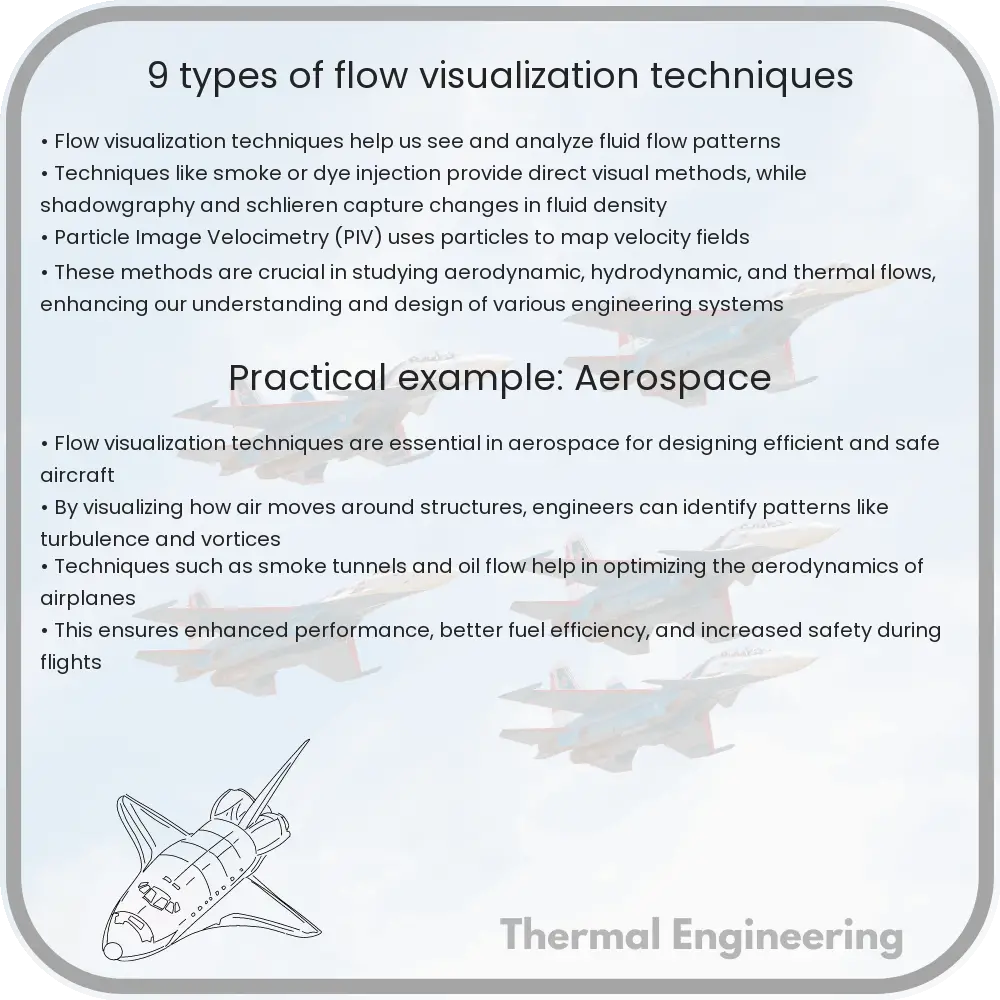
Flow visualization is a crucial technique in fluid dynamics used to visually depict flow patterns around objects or through fluid media. Engineers and scientists utilize various flow visualization methods to understand and analyze the behaviors and characteristics of fluid flows, which can be critical in designing vehicles, predicting weather patterns, enhancing aerodynamics, and in many other applications. Here, we explore nine common types of flow visualization techniques used in both research and practical applications.

1. Dye Visualization

Dye visualization involves injecting a colored dye into the fluid to track and visualize the flow pattern. This method is particularly useful in experiments involving water or transparent fluids. The dye’s movement provides a visual representation of the flow, highlighting features such as vortices, separation, and wake regions.

2. Smoke Visualization

Similar to dye visualization but primarily used in air flows, smoke visualization employs smoke or a similar visible aerosol introduced into the airflow. As the smoke follows the air currents, it reveals the flow pattern, helping observers see how the air moves around objects.

3. Particle Image Velocimetry (PIV)

In PIV, tiny particles (such as seed particles) are added to the flow, and their movement is tracked using laser illumination along with high-speed photography. By analyzing the displacement of these particles over time, researchers can calculate velocity vectors for different regions of the flow.

4. Hydrogen Bubble Technique

This technique involves generating tiny hydrogen bubbles in a fluid by electrolysis. These bubbles, carried by the flow, serve as visual markers of the flow pattern, particularly effective for visualizing flow in liquids. The hydrogen bubble technique is well-suited for studies involving complex flow structures like turbulence.

5. Surface Oil Flow Visualization

Used mainly for aerodynamic testing, this technique involves applying a thin layer of colored oil to the surface of an object exposed to air flow. The oil is carried along by the air flow, leaving streaks that depict the boundary layer behavior and areas of flow separation.

6. Thermochromic Liquid Crystals

Thermochromic liquid crystals change color in response to variations in temperature, making them useful for visualizing thermal flow characteristics in a fluid medium. They are often used in heat transfer studies and can visually represent temperature gradients and heat exchange rates.

7. Schlieren Photography

Schlieren photography visualizes changes in fluid density, which typically occur with temperature changes or variations in fluid composition. This method uses light refraction techniques to capture differences in density in a visually striking manner, making it possible to see shock waves, temperature fields, and sound waves in air.

8. Shadowgraph

Shadowgraph is a simpler alternative to Schlieren photography, where light passing through a fluid medium highlights its density gradients. The resulting shadows and patterns can be recorded, providing qualitative information about the flow’s characteristics without the need for complex setups.

9. Laser Doppler Anemometry (LDA)

LDA is a highly accurate technique used to measure the velocity of a fluid flow at a specific point. It works by detecting the Doppler shift in a laser beam as it scatters off particles moving within the fluid. This method is non-intrusive and provides precise point measurements of both velocity and turbulence metrics.

Conclusion

Flow visualization techniques provide invaluable insights into the behavior of fluid flows. Each method has its own advantages and applications, making them crucial tools in the arsenal of engineers and researchers studying fluid dynamics. Whether through visual inspection or sophisticated measurement setups, these techniques facilitate a better understanding of complex fluid phenomena, contributing to advancements in various engineering and scientific fields.

7 Types of Heat Transfer in Fermentation Processes

Learn about the seven types of heat transfer mechanisms crucial for optimizing fermentation processes in various industries.

7 Types of Heat Transfer in Fermentation Processes

7 Types of Heat Transfer in Fermentation Processes

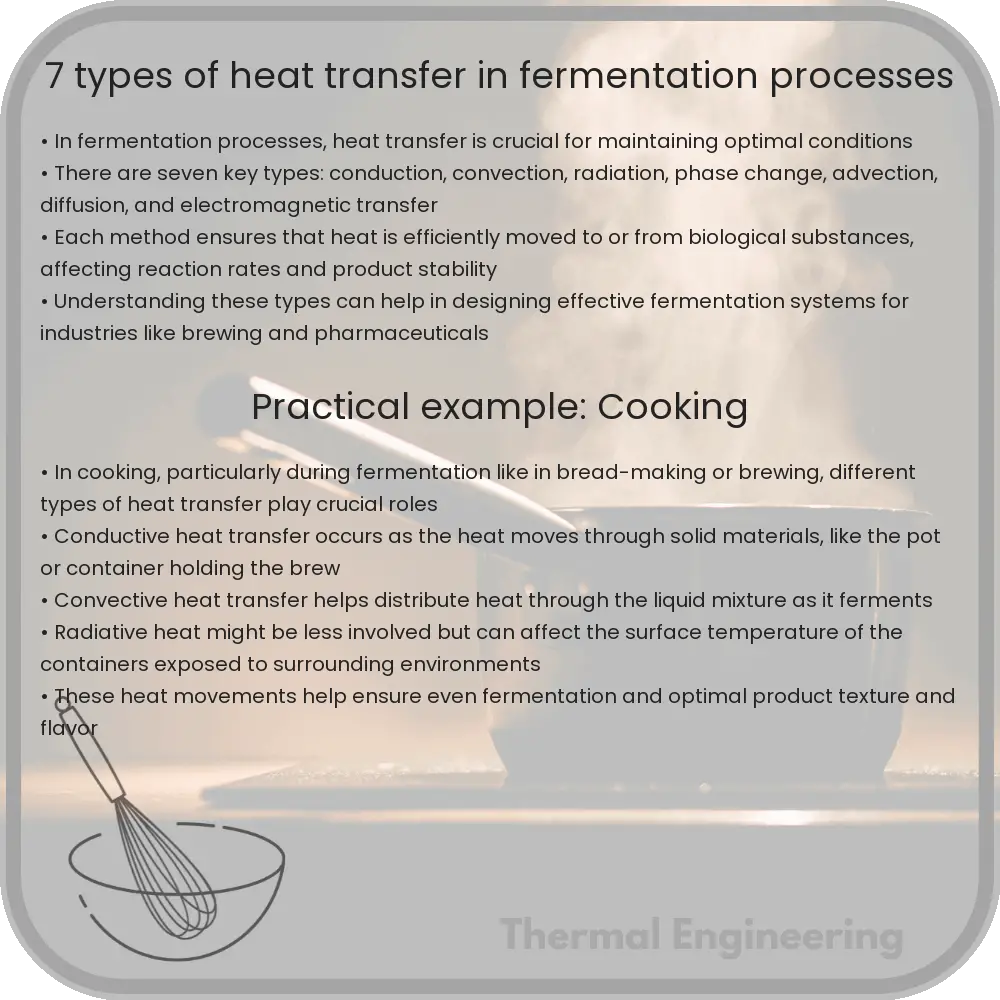
Heat transfer plays a critical role in fermentation processes, which are widely used in industries such as brewing, pharmaceuticals, and food production. Understanding how heat transfer can affect fermentation is essential for optimizing these processes. Here are seven types of heat transfer mechanisms that can occur during fermentation:

1. Conduction

Conduction is the transfer of heat through a solid material or between objects in direct contact. In fermentation tanks, heat conduction occurs through the walls of the container. If the tank is made from a material with high thermal conductivity, such as stainless steel, heat is efficiently transferred, helping to maintain the desired temperature within the tank.

2. Convection

Convection occurs when heat is carried away by a moving fluid, which can be a liquid or a gas. During fermentation, natural convection occurs as warmer, less dense liquid rises and cooler, denser liquid descends. Additionally, forced convection can be used by stirring or agitating the fermenting mixture to maintain an even temperature distribution.

3. Radiation

Radiation refers to the transfer of heat in the form of electromagnetic waves. In fermentation processes, heat can be lost through radiation from the surface of the fermentation tank into the surrounding environment.

4. Evaporation Cooling

Evaporation cooling occurs when liquid turns into vapor, taking away heat from the remaining liquid. This principle is commonly utilized in fermentation to control excess heat, especially in aerobic fermentation where heat production can be significant.

5. Heat of Respiration

During fermentative metabolism, microorganisms produce heat. This metabolic heat, also known as heat of respiration, can significantly raise the temperature of the fermentation medium. Managing this heat is crucial to prevent overheating, which can inhibit microbial activity or kill the microorganisms.

6. Indirect Heat Exchange

Many fermentation systems use heat exchangers to control the temperature. These systems often involve indirect contact, where a coolant fluid is circulated through coils or jackets that surround the fermentation tank. The heat from the fermentation tank is transferred to the coolant without direct contact between the coolant and the fermenting medium.

7. Energy Absorption through Phase Change

In some advanced fermentation processes, phase change materials (PCMs) are used to absorb excess heat. These materials change phase from solid to liquid or vice versa, absorbing or releasing large amounts of heat in the process. This helps in stabilizing temperature fluctuations that can adversely affect fermentation.

By understanding these different types of heat transfer mechanisms, engineers and fermentation experts can design and manage fermentation processes for optimal efficiency and product quality. Effective management of heat transfer not only conserves energy but also enhances the stability and effectiveness of the fermentation process.

5 Types of Environmental Wind Flow Studies

Understanding and predicting wind interactions with environments and structures through various wind flow studies.

5 Types of Environmental Wind Flow Studies

Introduction to Environmental Wind Flow Studies

Environmental wind flow studies are essential in understanding how wind interacts with natural environments and built structures. These studies not only help in predicting air quality, erosion, and dispersion of pollutants but also play a crucial role in the design and placement of buildings, bridges, and other infrastructures. Here, we explore five types of wind flow studies commonly utilized in environmental and engineering applications.

1. Wind Tunnel Testing

Wind tunnel testing involves the use of a controlled environment to understand wind flow around objects. Here, scale models of buildings or terrain are subjected to air flows that simulate real-life wind conditions. This type of study is pivotal in determining how wind impacts proposed structures and can also be used to study the effects of wind on existing structures, thus informing improvements in design for aerodynamic efficiency and stability.

  • Aerodynamic Testing: Analyzes the flow around buildings to minimize wind loads and optimize structural designs.
  • Emission Studies: Helps in understanding how pollutants disperse in urban settings.

2. Computational Fluid Dynamics (CFD)

CFD is a sophisticated simulation tool used to model and analyze complex flow problems. Through numerical analysis, CFD provides detailed insights into the patterns and behaviors of wind flow in environments that might be too difficult or expensive to study through physical modeling. This approach is essential in predicting the impact of wind on large or unusually shaped structures, and in environmental impact studies concerning air pollution and ventilation.

3. Field Wind Studies

Field wind studies involve measurement and analysis of wind conditions in their natural setting. This type of study commonly uses anemometers and weather stations to collect data which can then be used to analyze wind speed, direction, and turbulence across different terrains and elevations. Field studies are crucial for validating the models created through wind tunnel testing and CFD simulations.

  • Microclimate Assessment: Focuses on understanding wind patterns in a small, localized area, crucial for urban planning and building comfort.
  • Wind Resource Assessment: Important for the planning and optimization of wind farms.

4. Scale Modeling

Scale modeling, while similar to wind tunnel testing, often focuses on a larger environmental scale. It involves constructing scaled-down versions of geographical areas to study the effect of larger-scale wind patterns on erosion, vegetation, and regional climate changes. These models are especially useful in assessing wind impact in sensitive or valuable ecological zones.

5. Full-Scale Monitoring

Full-scale monitoring is employed to study the wind effects directly on existing structures or natural landscapes without scaling down. This approach uses instruments attached to structures or placed around sites to gather real-time data. It is vital for assessing the performance of buildings and infrastructure under actual wind conditions, and for validating theories and models derived from smaller scale studies.

Each of these wind flow studies offers unique benefits and insights into how wind behaves and interacts with the world. By adopting these diverse methodologies, engineers and environmental scientists can develop safer, more efficient, and ecologically harmonious designs.

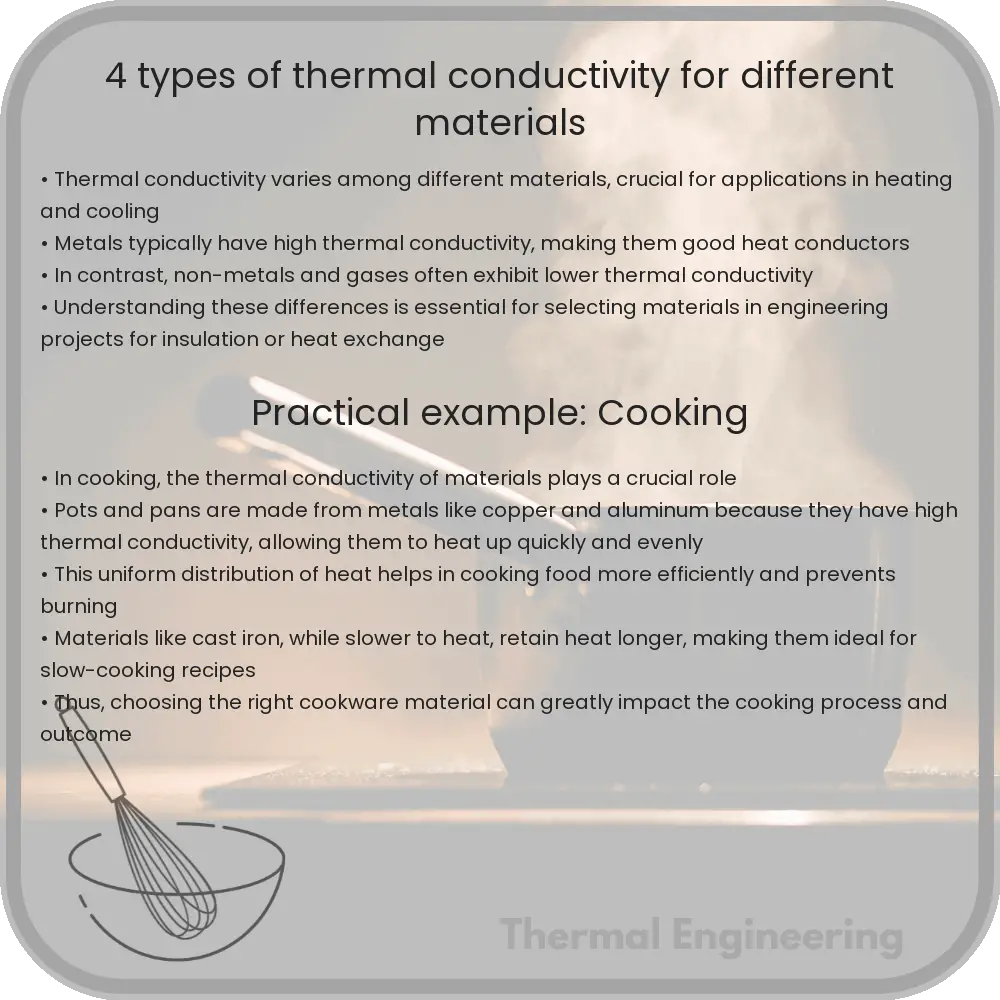
4 Types of Thermal Conductivity for Different Materials

Learn about thermal conductivity and its impact across metals, ceramics, polymers, and composites in various applications.

4 Types of Thermal Conductivity for Different Materials

Understanding Thermal Conductivity Across Different Materials

Thermal conductivity is a fundamental property of materials that quantifies the ability of a material to conduct heat. It is crucial in various engineering applications, from building construction to electronics design. Heat transfer via conduction happens at a molecular level, and it varies significantly depending on the type of material and its structure. Here, we explore four types of materials—metals, ceramics, polymers, and composites—and discuss their thermal conductivity properties.

1. Metals

Metals are typically known for their high thermal conductivity, which makes them efficient heat conductors. The property of high thermal conductivity in metals such as copper, aluminum, and silver is mainly due to the free electrons available in these materials. These free electrons facilitate the transfer of heat energy between atoms quickly and efficiently.

  • Copper: Roughly 400 W/(m*K)
  • Aluminum: About 237 W/(m*K)
  • Silver: Approximately 429 W/(m*K)

Metallic thermal conductivity can be affected by factors such as temperature, impurities in the metal, and physical structure changes due to processes like alloying.

2. Ceramics

Ceramics are generally poor conductors of heat compared to metals. This is due to their ionic and covalent bonds, which do not provide the free electrons necessary for effective heat transfer. Despite this, some ceramics can conduct heat relatively well due to their crystal structure.

  • Alumina (Al2O3): Approximately 30 W/(m*K)
  • Boron Nitride: Up to 751 W/(m*K) in certain forms

The thermal conductivity of ceramics is also influenced by the presence of defects and porosity, which can scatter phonons and reduce conductivity.

3. Polymers

Polymers are generally considered thermal insulators, possessing much lower thermal conductivities than metals or ceramics. This characteristic is due to the amorphous structure of many polymers and the weak secondary bonding between molecular chains. Some polymers, however, have been engineered to have improved thermal conductivity for specific applications.

  • Polystyrene: Typically around 0.033 W/(m*K)
  • Polyethylene: Ranges from 0.3-0.5 W/(m*K)

Factors such as crystallinity, molecular orientation, and the inclusion of fillers (like carbon fibers) can enhance the thermal conductivity of polymers.

4. Composites

Composites are materials made from two or more constituent materials with significantly different physical or chemical properties. The thermal conductivity of composites can be tailored based on the properties of the constituent materials and their configuration within the composite.

  • Carbon Fiber Reinforced Polymer (CFRP): Varies significantly but can be over 5 W/(m*K) when designed with high-conductivity fibers
  • Concrete: Around 1-2 W/(m*K), depending on the aggregate used

The arrangement of materials within a composite also plays a crucial role in its ability to conduct heat. Factors such as the volume fraction of constituents and the orientation of fibrous materials can create pathways for enhanced or reduced thermal conductivity.

In conclusion, understanding the thermal conductivity of different materials is fundamental to selecting the right material for specific applications where heat transfer is a key concern. By studying the molecular structure and composites of materials, engineers can better harness or mitigate heat conductivity for advanced material design and application.

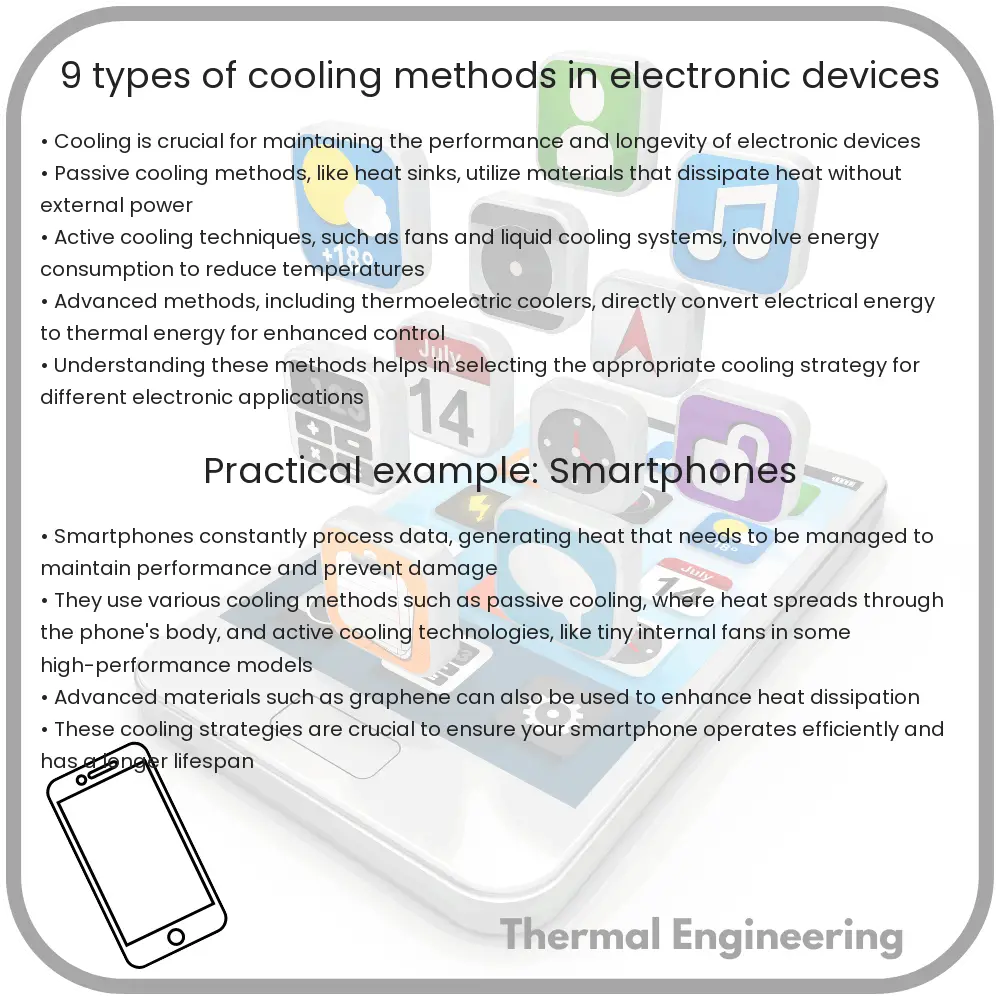
9 Types of Cooling Methods in Electronic Devices

Learn about nine effective cooling methods used in electronic devices to enhance performance and longevity.

9 Types of Cooling Methods in Electronic Devices

Introduction to Cooling Methods in Electronic Devices

Cooling is critical in electronic devices to prevent overheating, ensure optimal performance, and prolong the lifespan of components. As devices miniaturize and their power densities increase, effective thermal management has become even more essential. The following are nine popular types of cooling methods used in the engineering of electronic devices.

1. Natural Convection Cooling

Natural convection cooling is a passive cooling method where heat is dissipated into the surrounding air without the help of fans or pumps. This method relies on the natural rise of hot air and the sinking of cooler air to create airflow. It’s commonly used in low-power applications where the heat generated is minimal.

2. Forced Convection Cooling

Forced convection cooling involves using fans or blowers to enhance the airflow rate around the components, thereby improving the heat dissipation rate. This method is suitable for moderately high power applications and is widely used in computer CPUs and graphics cards.

3. Liquid Cooling

Liquid cooling systems use a coolant liquid, which absorbs heat from the components before flowing to a radiator where it is cooled. This method is highly efficient and capable of handling high thermal loads, making it ideal for high-performance computers and gaming systems.

4. Heat Sinks

Heat sinks are perhaps the most widely used cooling technique in electronic devices. They are typically made from metals like aluminum or copper and feature fins or pins that increase the surface area to enhance heat dissipation through convection.

5. Thermoelectric Cooling (Peltier Cooling)

Peltier coolers use the Peltier effect to create a heat flux between the junction of two different types of materials. This method is best used for applications that require precise temperature control, such as in optical sensors or laser diodes.

6. Phase Change Cooling

Phase change cooling involves materials that absorb heat as they change their state from solid to liquid or from liquid to gas. This method is highly efficient and can manage the heat generated by very high power densities typical in advanced CPUs and GPUs.

7. Heat Pipes

Heat pipes are hollow pipes containing a core wick structure and a working fluid. They utilize the latent heat of vaporization to transfer heat over a large distance significantly faster than solid conduction. Heat pipes are commonly used in conjunction with other methods like heat sinks.

8. Immersion Cooling

In immersion cooling, the electronic components are directly immersed in a non-conductive liquid. Heat is removed from the components by the liquid and then cooled through a heat exchanger. This technique is used in data centers for high-density servers due to its excellent heat dissipation capabilities.

9. Spray Cooling

Spray cooling shoots a thin film of liquid coolant directly onto very hot surfaces like a CPU. The coolant evaporates instantly, taking away significant heat from the surface. This high-efficiency cooling is used in high-performance computing and intense research environments.

Conclusion

The choice of cooling method depends on various factors including the specific heat generation of the device, spatial constraints, noise considerations, and cost. Engineers must carefully design the cooling system to balance these factors while ensuring device safety and functionality. As technology advances, the efficiency and effectiveness of these cooling methods continue to improve, addressing the thermal management challenges posed by modern electronic devices.

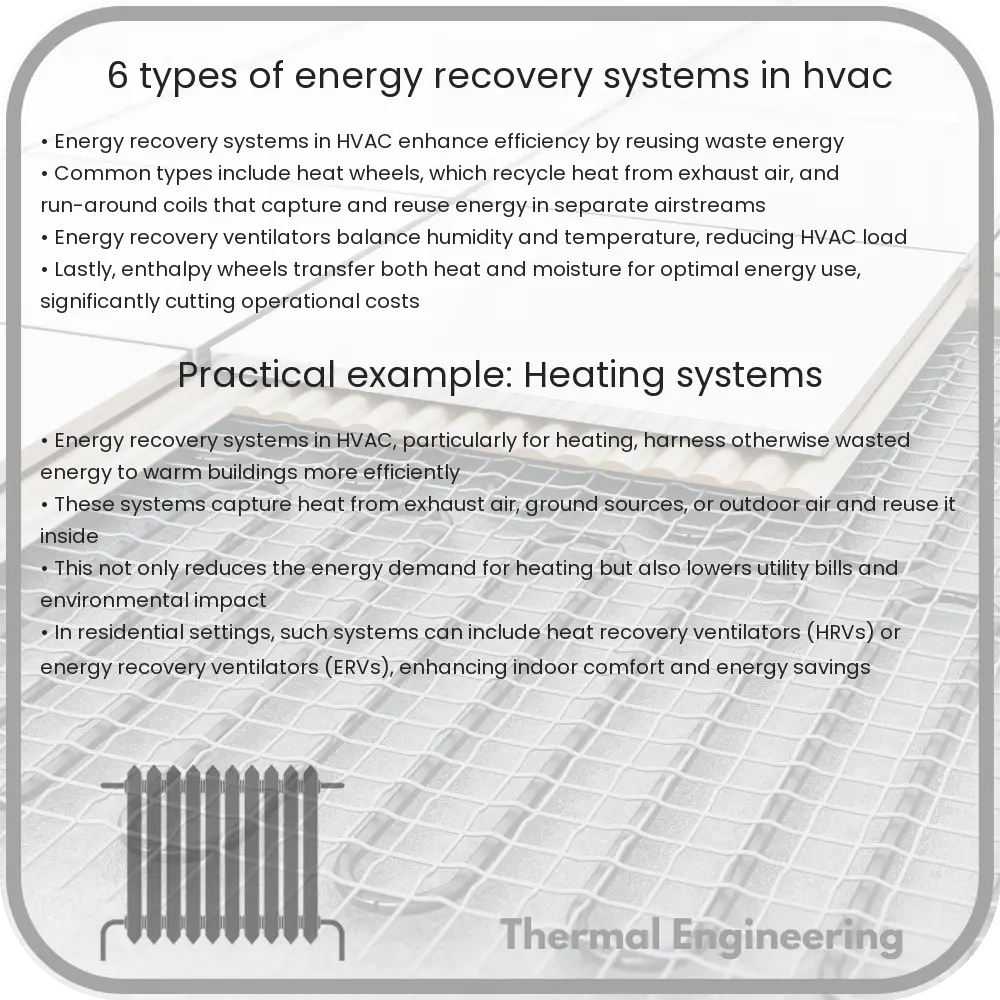
6 Types of Energy Recovery Systems in HVAC

Learn about energy recovery systems in HVAC, designed to reduce consumption by capturing waste heat from exhaust air to condition incoming air.

6 Types of Energy Recovery Systems in HVAC

Introduction to Energy Recovery in HVAC Systems

Heating, ventilation, and air conditioning (HVAC) systems are crucial in maintaining the comfort and air quality in buildings. Energy recovery systems in HVAC are designed to reduce the energy consumption of these systems by capturing waste heat from exhausted air and using it to condition incoming fresh air. This not only conserves energy but also helps in significantly reducing utility costs and environmental impact. This article explores six common types of energy recovery systems utilized in HVAC applications.

1. Heat Wheels

Also known as rotary heat exchangers, heat wheels are one of the most effective energy recovery systems. They consist of a large wheel with a honeycomb media material that rotates between the incoming and outgoing air streams. As the wheel rotates, heat and sometimes moisture are absorbed from the exhaust air and transferred to the incoming cold air. Heat wheels are particularly effective in climates where both heating and cooling are necessary.

2. Heat Pipes

Heat pipes employ a sealed pipe containing a refrigerant that transfers heat through phase change and capillary action. Arranged in a counterflow configuration, as the warm exhaust air passes over one section of the pipe, the refrigerant evaporates, absorbing heat. The vapor then travels to a cooler section of the pipe (where the incoming air passes), condenses, and releases the absorbed heat to the incoming air. Heat pipes are highly efficient and require minimal maintenance, making them suitable for moderate climates.

3. Plate Heat Exchangers

Plate heat exchangers use metal plates to separate the incoming and outgoing air streams. Heat is transferred by conduction through the plates from the exhaust air to the colder incoming air. They are very efficient for heat transfer and can be designed for high recovery effectiveness. Because the air streams are completely separated, they also prevent cross-contamination between incoming and outgoing air.

4. Run-around Coil Systems

A run-around coil system involves two separate coils placed in the supply and exhaust air streams and connected by a loop of pipes containing a heat transfer fluid, typically water or glycol. The heat transfer fluid absorbs heat from the exhaust air as it passes through one coil, is pumped to the other coil, and releases the heat to the incoming air. This system is versatile and can be installed where the supply and exhaust air streams are not adjacent to each other.

5. Enthalpy Wheels

Enthalpy wheels are similar to heat wheels but have the added capability of transferring moisture in addition to heat. The wheel’s material is designed to adsorb not only heat but also water vapor from the exhaust air, which can be beneficial in controlling humidity levels of the incoming air. This makes enthalpy wheels particularly useful in humid or dry climates, depending on the need for humidification or dehumidification.

6. Thermosiphons

Thermosiphons operate on a principle similar to heat pipes but are driven by gravity and natural convection instead of capillary action. They are typically used in vertical installations where the warm air rising from the exhaust naturally drives the cycle of heating the refrigerant, which then moves to the cooler area to release heat to the incoming air stream. Thermosiphons are simpler than heat pipes and can be a cost-effective solution for specific architectural constraints.

Conclusion

Integrating energy recovery systems in HVAC can lead to significant energy savings and improved system efficiency. Whether it’s a simple residential setup or a large commercial building, these systems can be tailored to meet diverse climatic and spatial requirements. Understanding the different types of energy recovery options available allows engineers and architects to make informed decisions that contribute to sustainable building practices and operational cost savings.

10 Types of Fluid Dynamics Software for Simulation

Explore ten key types of fluid dynamics simulation software used in various industries to optimize performance and solve complex problems.

10 Types of Fluid Dynamics Software for Simulation

10 Types of Fluid Dynamics Software for Simulation

Fluid dynamics is an essential branch of physics and engineering, dealing with the behavior of fluids in motion. It covers a wide range of applications, from designing efficient aircraft wings to predicting weather patterns. To study fluid flow, scientists and engineers use a variety of computational fluid dynamics (CFD) software tools. These programs allow for the detailed simulation of fluid behavior under different conditions, helping to optimize performance and solve complex fluid-related problems. Here are ten notable types of fluid dynamics simulation software commonly used in various industries.

1. ANSYS Fluent

ANSYS Fluent is a powerful computational fluid dynamics software known for its advanced physics modeling capabilities. It allows users to predict fluid flow, heat transfer, and chemical reactions in complex geometries.

2. SimScale

SimScale is a cloud-based CFD and FEA platform that allows engineers to simulate fluid dynamics, thermodynamics, and structural properties. Its cloud-based nature means it’s accessible anytime, anywhere, without high hardware requirements.

3. Autodesk CFD

Autodesk CFD provides computational fluid dynamics and thermal simulation tools that can help predict product performance, optimize designs, and validate product behavior before manufacturing.

4. OpenFOAM

OpenFOAM is an open-source software used extensively in academia and industry for solving complex fluid dynamics problems. It offers extensive features for customizability and can be used for simulations involving fluid flow, turbulence, heat transfer, and more.

5. COMSOL Multiphysics

COMSOL Multiphysics is known for its flexibility, allowing users to simulate almost any physics-based system including fluid dynamics. It includes modules that cater specifically to fluid applications, making it versatile for multi-disciplinary studies.

6. STAR-CCM+

STAR-CCM+ from Siemens is widely regarded for its robustness in solving multidisciplinary problems involving fluid dynamics, heat transfer, and chemical reactions. It integrates well with other Siemens software, enhancing workflow integration.

7. CONVERGE

CONVERGE is particularly popular in the automotive industry. It features innovative autonomous meshing, eliminating the need to manually create grid meshes, and efficiently handles moving boundaries and fluid-structure interactions.

8. SU2

SU2 is another open-source option developed primarily for aerodynamic analysis and design. It supports a variety of compressible and incompressible flows and offers tools for shape optimization.

9. Flow-3D

Flow-3D specializes in free-surface flow modeling, making it ideal for applications like water treatment, coastal engineering, and metal casting. Its TruVOF method accurately tracks the shape of fluid surfaces.

10. Phoenix Analysis & Design Technology (PADT)

PADT is used in the development process for a range of fluid flow scenarios. It provides detailed analysis capabilities and tools for optimizing designs in real-world applications.

Each of these CFD software packages has unique strengths, making them suitable for specific types of fluid dynamics analyses and applications. Whether in academia or industry, leveraging the right tool can provide significant insights and advancements in technology and processes involving fluid flows.

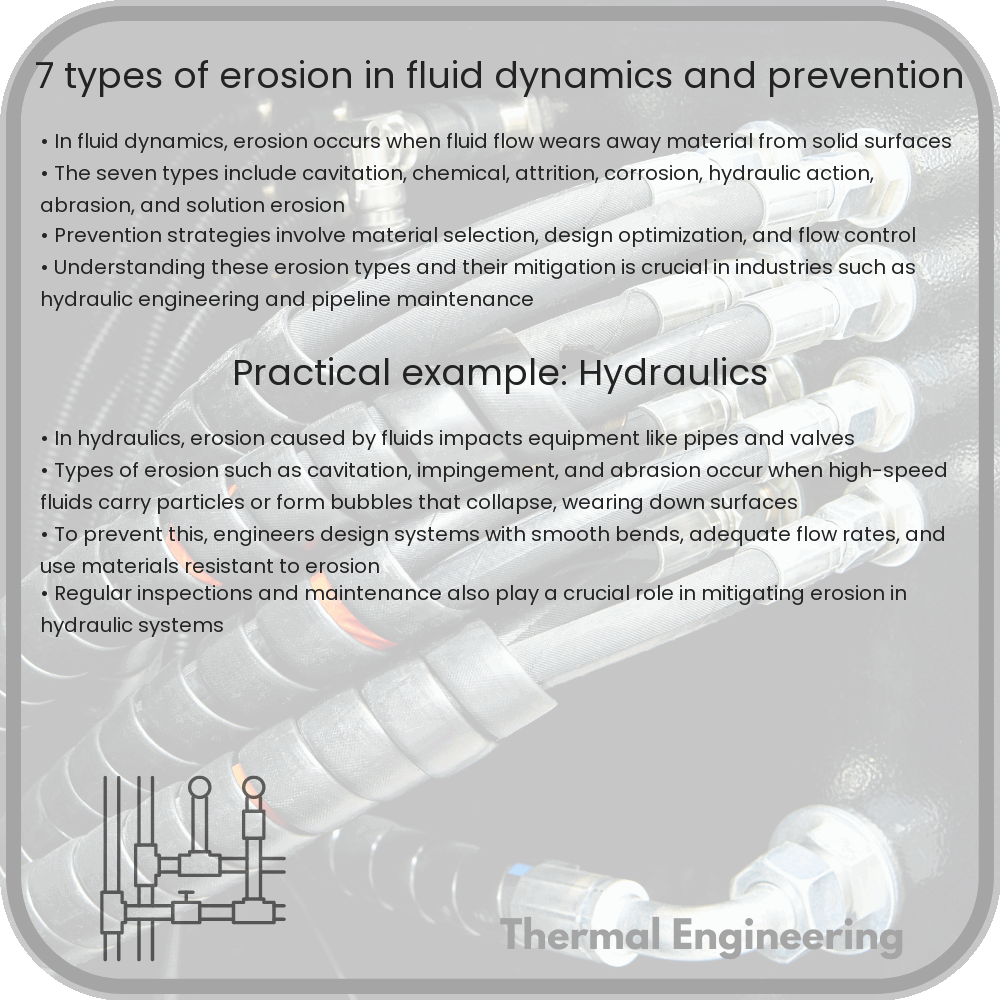
7 Types of Erosion in Fluid Dynamics and Prevention

Learn about erosion in fluid dynamics, its impact on engineering systems, and strategies for mitigation.

7 Types of Erosion in Fluid Dynamics and Prevention

Introduction to Erosion in Fluid Dynamics

Erosion in fluid dynamics refers to the wear and tear of material surfaces due to the mechanical action of fluids, which can include liquids or gases. This phenomenon can have significant impacts on the structural integrity and functionality of engineering systems such as pipelines, turbines, and pumps. Understanding the different types of erosion and their prevention measures is crucial for engineers to design more durable and reliable systems.

Types of Erosion in Fluid Dynamics

  • Cavitation Erosion: Occurs when vapor bubbles in a liquid collapse near a surface, causing shock waves that progressively damage the surface. Cavitation typically arises in areas of high velocity flow where local pressure drops below vapor pressure.
  • Impingement Erosion: Happens when high-velocity fluid particles strike a surface at an angle. This type of erosion is common in bends, elbows, and restrictions in pipe flows where directional changes cause increased momentum impacts on surfaces.
  • Abrasive Erosion: Caused by hard particles in a flowing medium that mechanically wear down a surface. This is frequently observed in slurry flows and sand-laden water affecting hydraulic machinery and sediment transport systems.
  • Corrosive Erosion: Results from the combined action of chemical attack and fluid motion, leading to accelerated material loss. This type is prevalent in chemically active environments like seawater exposure in marine applications.
  • Particle Erosion: Seen when streams of solid particles are carried by a fluid and directed against a surface. The severity typically depends on particle concentration, velocity, and hardness, as well as the angle of impact.
  • Thermal Erosion: Occurs due to significant temperature differences between the fluid and the surface, causing thermal stresses that lead to material degradation and surface wear. This can be observed in heat exchangers and cooling systems.
  • Fluid-structure interaction: This broader category encompasses effects resulting from dynamic interactions between fluid flows and structures, potentially causing vibrations, oscillations, and resultant material fatigue and erosion.

Prevention and Mitigation Strategies

  • Material Selection and Treatment: Employing erosion-resistant materials like stainless steel or applying surface treatments such as hard coatings can help mitigate erosion.
  • Flow Modification: Altering the flow dynamics by changing velocities, patterns, or redirecting flows through smoother transitions can reduce erosion occurrences.
  • Protective Structures: Utilizing sacrificial liners or shields in high-wear areas can absorb the initial impact and prolong the life of the primary structure.
  • Chemical Inhibitors: In cases of corrosive erosion, applying chemical inhibitors can reduce the reactive potential of the fluid environment.
  • Regular Maintenance: Scheduled inspections and maintenance allow for the early detection and repair of erosion damage, which prevents further degradation.
  • Operational Adjustments: Modifying operational parameters such as flow rates and pressures to less erosive conditions can significantly manage erosion control.

Conclusion

Understanding the types of erosion that can occur in fluid dynamic systems and implementing strategic prevention measures is critical in protecting equipment from premature failure. With the correct application of engineering principles and materials science, the impact of erosion can be minimized, leading to more sustainable and cost-effective operations.

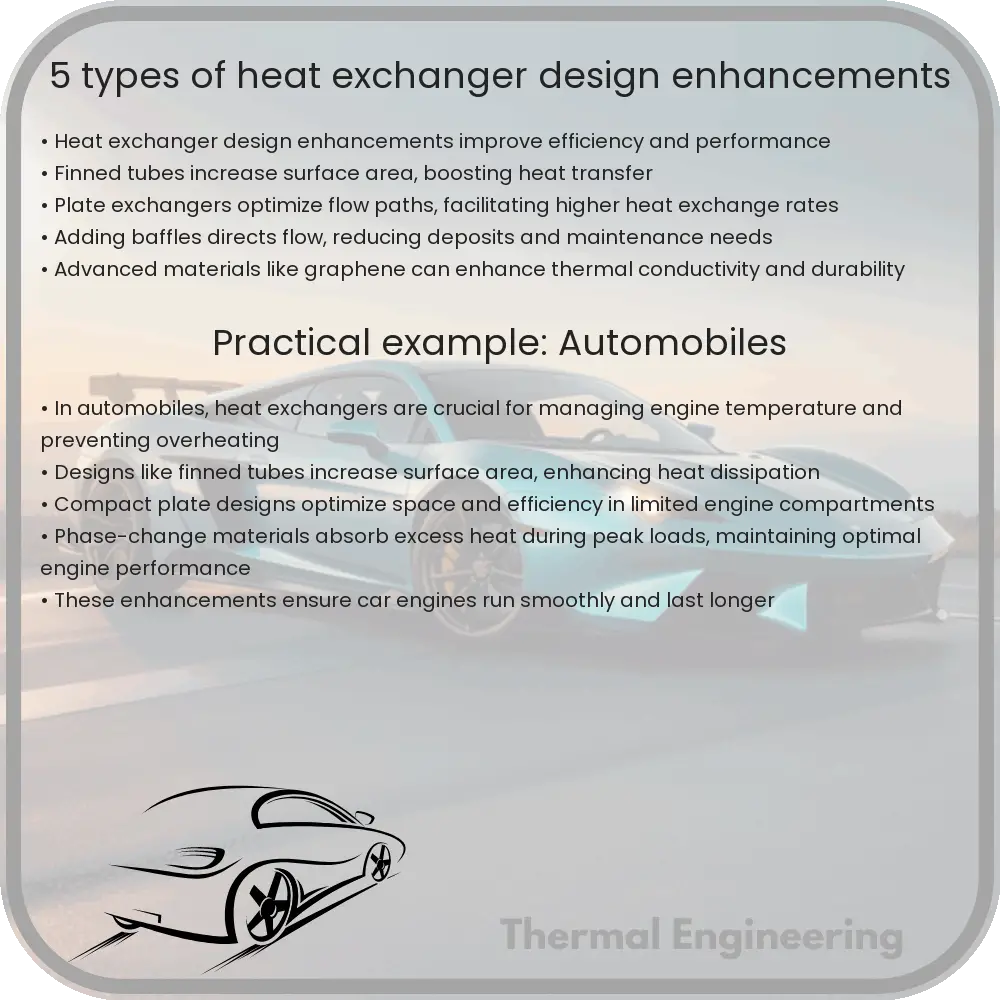
5 Types of Heat Exchanger Design Enhancements

Explore design enhancements in heat exchangers to improve efficiency, reduce costs, and optimize performance in industrial applications.

5 Types of Heat Exchanger Design Enhancements

Introduction to Heat Exchanger Design Enhancements

Heat exchangers are crucial devices in engineering, used to transfer heat between two or more fluids, between a solid and a fluid, or between solid particulates and a fluid, at different temperatures and in thermal contact. In various industries, the efficiency of heat exchangers can profoundly influence energy consumption, operating costs, and environmental impact. Design enhancements in heat exchangers aim to improve thermal efficiency, reduce fouling, and maximize energy recovery. Here, we explore five compelling types of design enhancements for heat exchangers.

1. Enhanced Surface Area

Increasing the surface area available for heat transfer is a direct method to enhance the performance of heat exchangers. This can be achieved through several designs:

  • Fin-Tube Designs: Adding fins to tubes increases the exterior surface area, which enhances the heat transfer rate. This is particularly effective in air heat exchangers where the heat transfer coefficient of air is relatively low.
  • Plate Heat Exchangers: These exchangers use corrugated plates that form complex channels through which the working fluids can flow. The corrugations increase the surface area and turbulence, thereby improving the heat transfer efficiency.

2. Use of Nanofluids

The thermal conductivity of a fluid plays a crucial role in the efficiency of heat exchangers. Nanofluids, which are fluids engineered by suspending nanometer-sized particles in a base liquid, have been shown to enhance thermal conductivity. The particles effectively increase the heat transfer surface area at the molecular level, leading to significant improvements in thermal performance.

3. Phase-change Materials (PCMs)

Incorporating PCMs in heat exchanger systems can improve thermal energy storage, thereby balancing heat loads and enhancing system stability. PCMs absorb or release heat at a constant temperature, acting as a heat reservoir. Integrating PCMs can be particularly beneficial in systems subject to cyclic thermal loads or where heat recovery is essential.

4. Flow Arrangement Modifications

Optimizing the flow arrangement can have a profound impact on a heat exchanger’s effectiveness. Common enhancements include:

  • Counterflow Arrangements: In counterflow heat exchangers, the hot and cold fluids move in opposite directions, which can achieve a greater temperature difference and a higher heat transfer rate.
  • Multi-pass and Cross-flow Configurations: Using multiple passes on one or both sides of the heat exchanger allows more time for the heat transfer process, thereby increasing efficiency. Cross-flow arrangements, where the fluids move perpendicular to each other, are also effective in certain applications.

5. Intelligent Control Systems

Advanced control systems using sensors and automated controls can significantly enhance the performance of heat exchangers. These systems monitor and adjust operating conditions in real time, optimizing the heat exchange rates based on immediate needs and external conditions. Intelligent control systems can also predict and mitigate issues like fouling, thus maintaining efficiency and prolonging the equipment’s lifecycle.

Conclusion

Enhancements in heat exchanger design are pivotal for improving energy efficiency and operational effectiveness in many industrial applications. Through innovations like increased surface areas, the use of nanofluids, integration of phase change materials, optimized flow configurations, and intelligent controls, engineers can substantially uplift the performance of heat exchangers. Each method provides unique benefits and can be tailored to meet specific operational requirements, showcasing the versatility and ongoing advancements in heat exchanger technology.