Facebook Instagram Youtube Twitter

What is the role of heat in composting processes

Understanding the crucial role of heat in the composting process for efficient decomposition and sanitization.
What is the role of heat in composting processes

The Role of Heat in Composting Processes

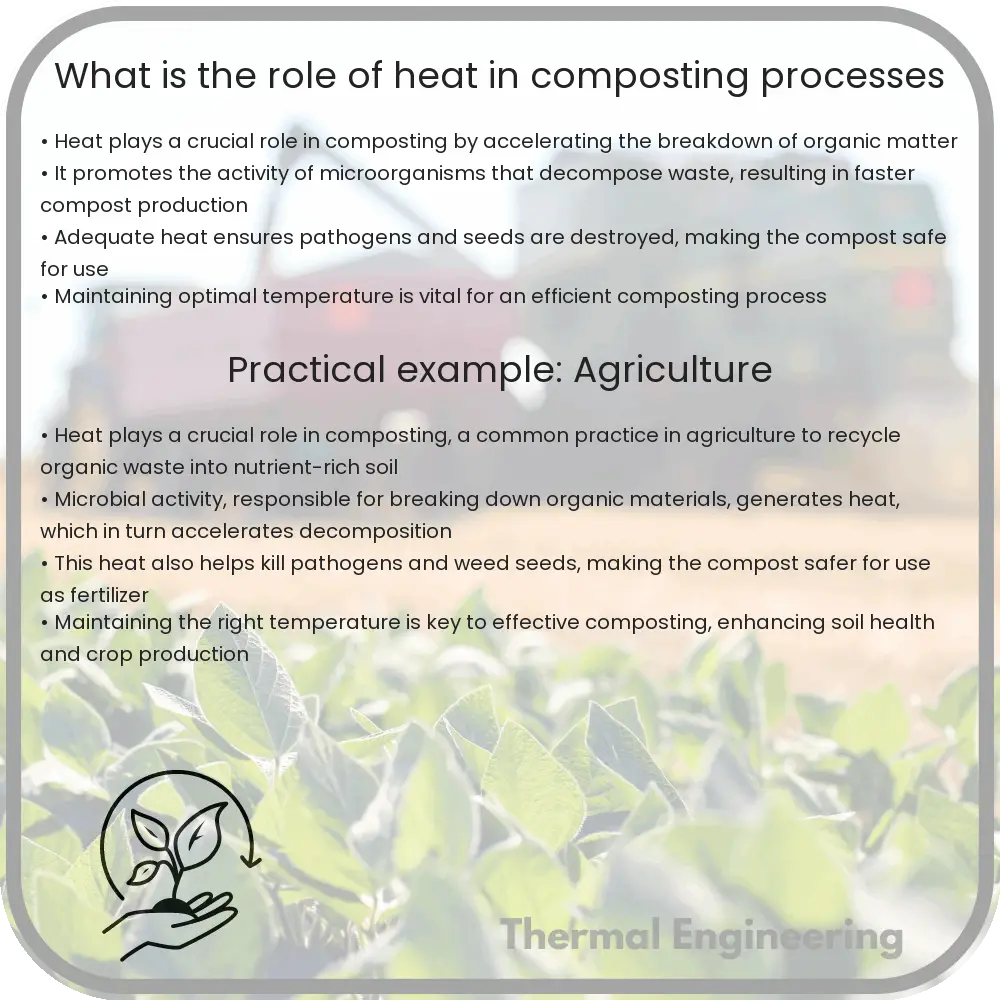
Composting is a natural process of recycling organic material such as leaves, vegetable scraps, and garden waste into a valuable organic fertilizer known as compost. One critical factor that significantly affects the efficiency of the composting process is heat. Heat in composting plays a pivotal role in determining the decomposition rate of organic materials, the quality of the finished compost, and the eradication of harmful pathogens and weed seeds.

How Heat is Generated During Composting

Heat generation in composting primarily results from the metabolic activity of microorganisms, including bacteria and fungi, that break down organic matter. As these microorganisms consume carbon-rich materials, they release energy in the form of heat. The amount of heat produced depends on the balance of carbon to nitrogen in the composting materials, the moisture content, and the oxygen availability.

Heat Categories in Composting

During the composting process, temperatures can typically range from ambient to as high as 70°C (158°F). Based on these temperatures, composting can be classified into three categories:

  • Mesophilic composting: This phase starts at ambient temperatures and rises up to 40°C (104°F). During this stage, mesophilic microorganisms thrive and begin the decomposition process.
  • Thermophilic composting: This stage occurs when temperatures rise above 40°C (104°F). Thermophilic microorganisms take over, accelerating the decomposition process. This is the most crucial phase for the breakdown of complex organic materials and the reduction of pathogens and seeds.
  • Cooling phase: As the readily decomposable material is exhausted, the compost pile cools down. This allows mesophilic microorganisms to become active again and continue the decomposition at a slower rate.

Importance of Temperature Monitoring and Control

Maintaining optimal temperature is crucial for effective composting. If the temperature is too low, the decomposition process will be slow, and pathogens may not be effectively eliminated. Conversely, if the temperature is too high, it can kill beneficial microorganisms that contribute to the composting process. Therefore, regular monitoring and turning of the compost pile are essential practices to ensure that the material is evenly decomposed and that heat is distributed adequately throughout the pile.

Benefits of Heat in Composting

The generation of heat within a compost pile offers several benefits:

  • Pathogen and weed seed destruction: High temperatures during the thermophilic phase can effectively kill harmful pathogens and weed seeds, making the compost safer for use in gardening and agriculture.
  • Increased decomposition rate: Heat accelerates the chemical reactions involved in breaking down organic matter, speeding up the overall composting process.
  • Reduction of odors: Properly managed thermophilic composting helps minimize odors, as high temperatures facilitate the breakdown of odor-causing compounds.

Conclusion

The role of heat in composting is fundamental to achieving efficient decomposition, sanitization, and stabilization of organic waste. By understanding and managing the thermal aspects of composting, gardeners, farmers, and waste managers can optimize the process to produce high-quality compost that enriches the soil and supports sustainable agricultural practices.
Can thermal treatments enhance seed germination rates

Understanding the impact of thermal treatments on seed germination rates, including methods like stratification, scarification, and thermotherapy.

Can thermal treatments enhance seed germination rates

Exploring the Effects of Thermal Treatments on Seed Germination Rates

Seeds are the primary basis for plant reproduction, critical for agricultural productivity and ecological stability. The process of germination is vital, as it determines a seed’s ability to sprout and grow into a healthy plant. Among various factors influencing germination, temperature plays a pivotal role. This article discusses how thermal treatments, which involve exposing seeds to specific temperature regimes, can enhance germination rates and improve seed vigor and health.

What is Seed Germination?

Seed germination is the process by which a seed emerges from its dormancy state and begins to grow into a new plant. This process can be divided into three main phases: water absorption (imbibition), increased metabolic activity leading to the initiation of growth, and emergence of the radicle (the first root) from the seed coat.

Thermal Treatments for Seeds

Thermal treatment of seeds refers to controlled exposure of seeds to temperatures that can affect their biochemical and physiological processes. These treatments are categorized mainly into three types:

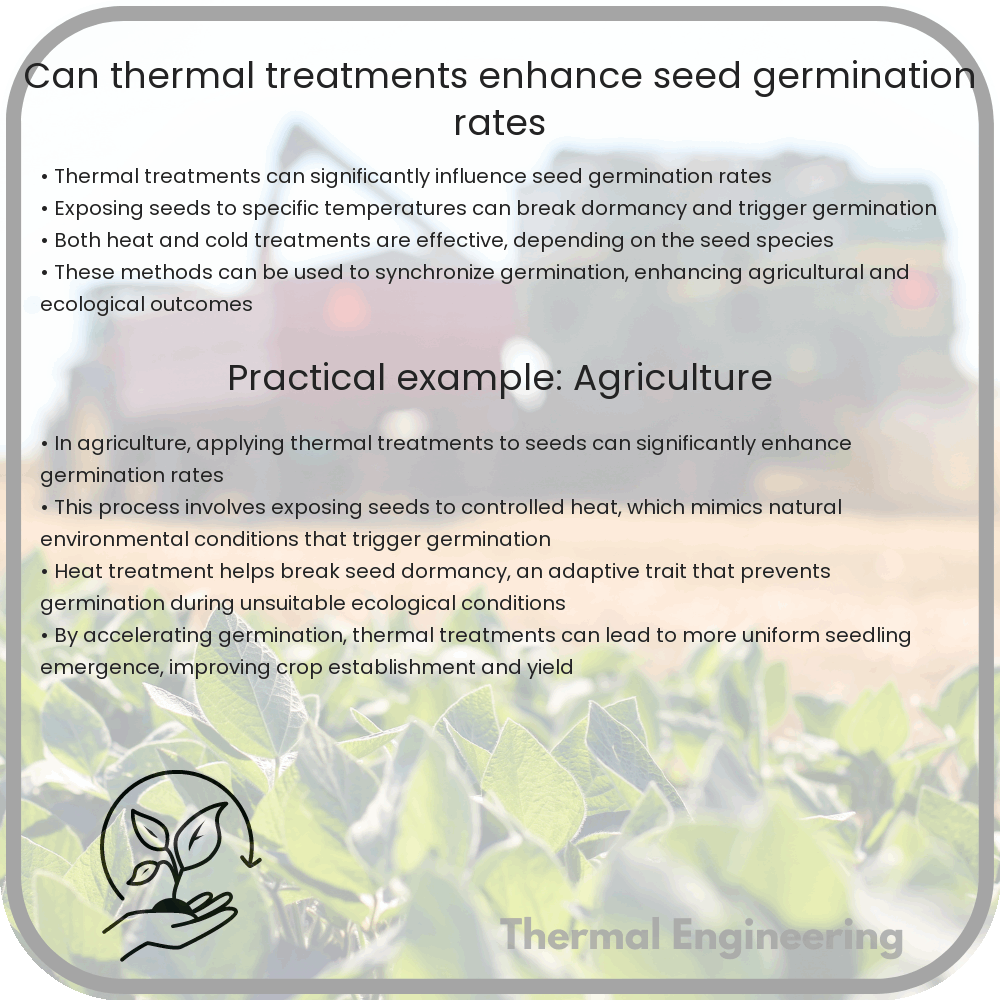
  • Stratification: Involves treating seeds to simulate natural winter conditions by exposing them to cold temperatures (about 1-5°C) for several weeks. This method is primarily effective for seeds of temperate plants that require cold exposure to break dormancy.
  • Scarification: Involves exposing seeds to higher temperatures to weaken or break the seed coat, making it easier for the embryo to sprout. Temperatures and duration can vary, often incorporating hot water or direct heat exposure.
  • Thermotherapy: This treatment uses even higher temperatures, sometimes up to 70°C, for shorter periods, primarily as a method to disinfect seeds from pathogens without damaging the seeds’ viability.

How Thermal Treatments Enhance Germination

Thermal treatments can enhance seed germination through several mechanisms:

  1. Breaking Dormancy: Many seeds remain dormant to avoid germinating under unsuitable environmental conditions. Temperature treatments can alter hormonal balances and enzymatic activity, breaking dormancy and triggering germination.
  2. Increasing Metabolic Rates: Warm temperatures generally increase metabolic rates, speeding up the biochemical processes necessary for germination.
  3. Improving Water Uptake: Heat can weaken the seed coat, enhancing water absorption which is crucial for initiating metabolic processes needed for germination.

Studies show that seeds of some species germinate best after being exposed to specific temperature cycles, which mimics natural temperature variations from day to night in their native environments.

Practical Applications

In agriculture, thermal seed treatment is used to synchronize germination, leading to more uniform crop growth. This is particularly beneficial for crops that are sensitive to environmental conditions. Additionally, healthier and faster germination generally contributes to better crop yields and more efficient land use.

However, the specific conditions under which thermal treatment is applied—such as temperature and duration—depend heavily on the plant species and its natural habitat. There is no one-size-fits-all approach, and careful calibration of the process is essential for achieving the desired results.

Conclusion

Thermal treatments can significantly enhance seed germination rates by breaking dormancy, facilitating water uptake, and increasing metabolic activities. While this method holds great potential for improving agricultural practices, precise control and understanding of each seed’s requirements are crucial for its success. Embracing such techniques can lead to advancements in agricultural productivity and contribute to sustaining global food demands.

For growers, researchers, and enthusiasts, exploring the relationship between temperature and seed germination provides an exciting opportunity to improve germination outcomes through scientifically informed practices.

How does thermal vision technology assist in search and rescue

Learn how thermal vision technology, or infrared imaging, aids search and rescue operations by detecting human heat signatures in various environments.

How does thermal vision technology assist in search and rescue

Understanding Thermal Vision Technology in Search and Rescue Operations

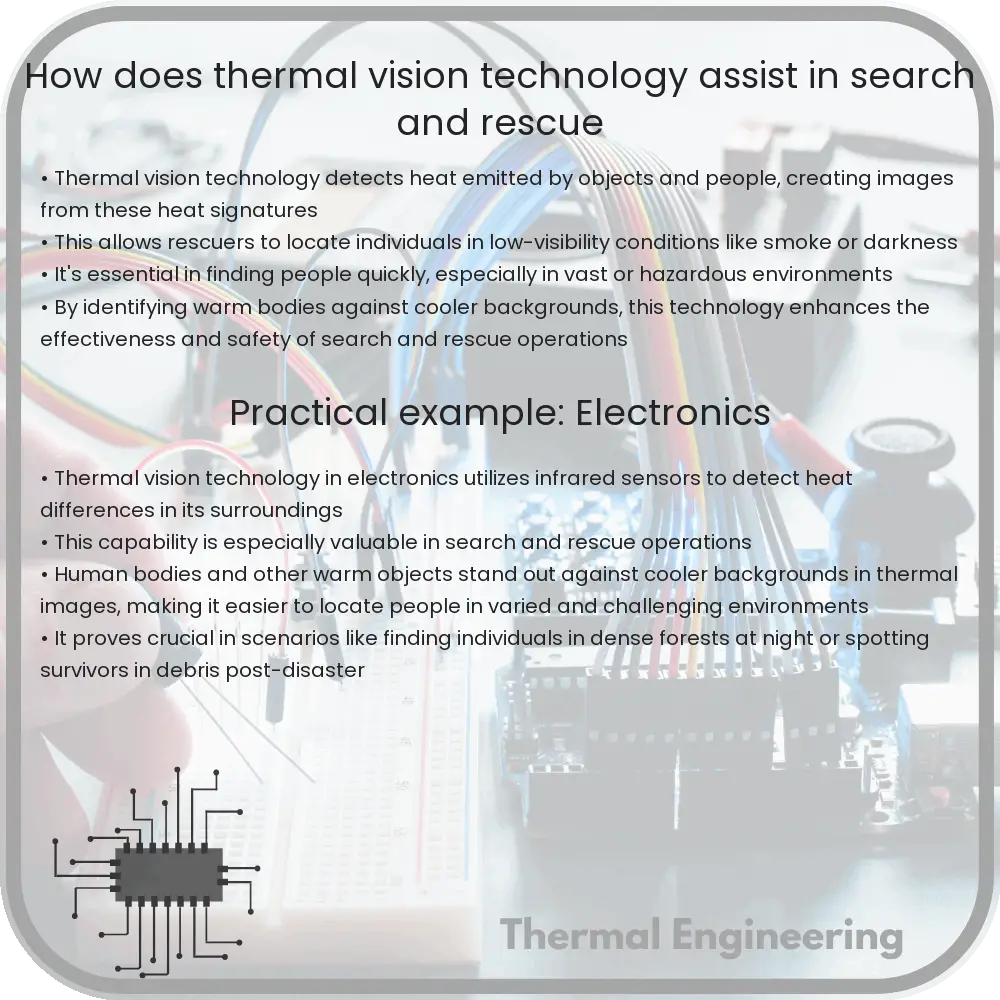
Thermal vision technology, also known as infrared imaging, plays a crucial role in enhancing the efficiency and effectiveness of search and rescue (SAR) missions. By detecting heat emitted by objects, particularly humans, thermal imaging cameras help rescuers locate individuals in challenging conditions, including smoke, fog, or darkness. This technology is invaluable in both natural disaster scenarios and in locating lost individuals in vast outdoor environments.

How Thermal Vision Works

Thermal cameras detect radiation in the infrared range of the electromagnetic spectrum (roughly 900 – 14,000 nanometers) and produce images of that radiation, called thermograms. Everything with a temperature above absolute zero emits heat. Thermal cameras can sense this heat in various environments and under different conditions, making it possible to see without any visible light.

  • Emissivity: Different materials emit radiation at different efficiencies. This property, known as emissivity, affects how well a thermal camera can “see” an object.
  • Thermal Contrast: Thermal contrast refers to the temperature difference between an object and its surroundings. Higher contrast generally makes it easier to detect objects.

Components of a Thermal Imaging Camera

Thermal imaging cameras primarily consist of the following components:

  • Infrared Sensor: At the heart of the camera, this sensor detects infrared radiation and converts it into electrical signals.
  • Optical System: Made from materials transparent to infrared rays, this system focuses the collected infrared radiation onto the sensor.
  • Display: The electric signals from the sensor are processed to create a visible image that is displayed to the user.

Applications in Search and Rescue

Thermal vision technology assists search and rescue teams in several critical ways:

  1. Person Detection in Low-Visibility Conditions: Whether through thick smoke during a fire or on a foggy night, thermal cameras help rescuers locate human subjects by the heat emitted from their bodies.
  2. Locating Victims in Debris: In the aftermath of an earthquake or explosion, thermal sensors can detect heat sources under rubble, assisting teams in pinpointing trapped individuals.
  3. Searches Over Large Areas: Mounted on aircraft or drones, thermal cameras can scan extensive areas quickly, identifying warm spots that indicate human presence.

Challenges and Limitations

While invaluable, thermal imaging technology does come with challenges that impact its effectiveness:

  • Environmental Factors: Weather conditions like rain, wind, or temperature can affect thermal signatures.
  • Insulation: Clothing and other insulating materials can mask or blur the heat signatures of individuals, making detection more difficult.
  • Resolution and Range: Limits in the resolution of thermal cameras or their detection range can also reduce effectiveness, particularly at greater distances.

In conclusion, thermal vision technology plays a vital role in search and rescue operations, significantly enhancing the ability of teams to locate individuals in dire situations quickly and efficiently. Continuing advancements in this technology are likely to improve its effectiveness and expand its applications, potentially saving more lives in future SAR missions.

What are the thermal management strategies in LED design

Learn about essential thermal management techniques in LED design for optimal performance and longevity.

What are the thermal management strategies in LED design

Understanding Thermal Management in LED Design

Light Emitting Diodes (LEDs) have revolutionized lighting systems with their efficiency and longevity. However, like all electronic devices, LEDs generate heat during operation, and excessive heat can adversely affect their performance and lifespan. Effective thermal management is thus critical in LED design to maintain optimal function and efficiency. Below, we explore the key strategies used in managing heat in LED devices.

Key Thermal Management Techniques

Managing the heat generated by LEDs is crucial to maintain their efficiency, brightness, and longevity. Here are several thermal management strategies employed in LED design:

  • Heat Sinks: The most common method to dissipate heat in LEDs is the use of heat sinks. A heat sink is a passive heat exchanger that absorbs and dissipates the heat from the LED to the surrounding environment. Materials commonly used for heat sinks include aluminum and copper due to their high thermal conductivity.
  • Thermal Interface Materials (TIMs): To enhance the thermal connection between the LED chip and the heat sink, materials known as thermal interface materials are used. These materials help to fill in the gaps and voids on the surface, enhancing the thermal transfer. Common types of TIMs include thermal pastes, pads, and adhesive tapes.
  • PCB Material: The type of Printed Circuit Board (PCB) material can impact the thermal management efficiency of LEDs. Metal-core PCBs (MCPCB), which contain a metal base layer typically made of aluminum, offer better heat dissipation than standard fiberglass PCBs. The metal core in the MCPCB helps to spread heat more effectively, thereby enhancing the overall heat management.
  • LED Housing: The design of the LED housing can also play a significant role in heat dissipation. Using materials with good thermal conductivity and designing the housing with maximum surface area can help in better air circulation and heat dissipation.
  • Active Cooling: In some high-power LED applications, passive cooling methods might be insufficient. In such cases, active cooling methods such as fans or liquid cooling systems are implemented. These systems use external energy to enhance the heat dissipation process.

Importance of Thermal Management in LEDs

Effective thermal management in LEDs is crucial for several reasons:

  • Prevents Overheating: Excess heat can cause the LED to operate at elevated temperatures, which can degrade its performance, emitting less light over time.
  • Enhances Efficiency: Keeping the LED cool helps maintain high efficiency, as the forward voltage of LEDs increases with temperature leading to higher power consumption for the same light output.
  • Improves Lifespan: Temperature is a key factor affecting the lifespan of LEDs. Efficient thermal management can significantly extend the operational life of an LED product.
  • Maintains Color Stability: Heat can affect the color stability of LEDs, leading to changes in color output over time. Proper thermal management helps maintain consistent color and brightness levels.

Conclusively, thermal management is a vital component of LED design that directly influences the performance, efficiency, and reliability of LED lighting solutions. Understanding and implementing effective thermal management strategies ensures that LEDs can be used in a wider range of applications while maintaining optimal performance.

Conclusion

As LED technology continues to evolve, so does the approach to thermal management in its design. Advances in materials science and thermal engineering are leading to more effective solutions that allow LEDs to operate cooler, last longer, and perform better. Embracing these advancements is key for engineers and designers to maximize the potential of LED technology in lighting and other applications.

Can thermal activation improve biogas production

Exploring the role of thermal activation in enhancing biogas production by pretreating feedstocks to improve efficiency and output.

Can thermal activation improve biogas production

Can Thermal Activation Improve Biogas Production?

Biogas production is a crucial aspect of sustainable energy development, providing a renewable source of energy by breaking down organic matter through anaerobic digestion. One of the key factors affecting biogas production is the treatment of feedstock before digestion. Thermal activation is one such pretreatment method that has garnered attention for its potential to enhance the efficiency and output of biogas systems. This article explores the concept of thermal activation and examines whether it can indeed improve biogas production.

Understanding Thermal Activation

Thermal activation involves the application of heat to the organic material used as feedstock in biogas plants. The primary goal of this process is to break down complex organic molecules into simpler forms, which are more readily digestible by the anaerobic bacteria responsible for biogas production. Thermal activation is typically carried out at temperatures ranging from 70°C to about 250°C.

This pretreatment can occur under different conditions:

  • Low temperature, long duration
  • High temperature, short duration

Each method impacts the structural and chemical properties of the biomass, potentially making it more accessible for microbial activity.

Impacts on Biogas Production

The efficiency of biogas production is heavily reliant on the microbial degradation of organic materials. By breaking down complex compounds such as lignocellulosic materials into simpler compounds, thermal activation can potentially increase the biodegradability of the feedstock. The main benefits observed include:

  • Increased Methane Yield: Studies have shown that thermal pretreatment can lead to an increase in methane production. This is attributed to the greater availability of fermentable sugars and other simpler molecules.
  • Reduced Digestion Time: With more accessible molecules, the digestion process can occur more rapidly, reducing the overall time needed for anaerobic digestion.
  • Decreased Inhibitor Formation: Properly controlled thermal treatment can reduce the formation of inhibitory compounds such as furans and phenols, which can hinder microbial activity.

Considerations and Challenges

While thermal activation appears promising, there are several factors and challenges that must be considered:

  • Energy Consumption: Heating the feedstock requires energy, which may offset the energy gains from increased biogas production if not managed efficiently.
  • Economic Viability: The cost of implementing thermal pretreatment needs to be balanced with the potential increase in biogas yield to assess its economic viability.
  • Optimal Treatment Conditions: Identifying the most effective temperature and duration for thermal activation is crucial, as excessive heat might degrade valuable nutrients or increase the formation of inhibitors.

Case Studies and Research

Research into the thermal activation of biogas feedstocks is ongoing, with various studies demonstrating its potential benefits. For instance, a study found that thermal pretreatment of sludge at 175°C significantly increased methane production compared to untreated sludge. Another research highlighted that treating agricultural residues at 160°C could enhance the total biogas output by up to 25%.

Conclusion

Thermal activation holds promising potential for improving biogas production, making it a worthwhile area for further research and development. By enhancing the biodegradability of feedstocks, thermal treatment can lead to higher biogas yields and more efficient digestion processes. However, practical implementation must carefully consider the trade-offs in energy consumption and costs to fully capitalize on the benefits of this technology.

How does heat transfer affect the quality of beer brewing

Learn how heat transfer influences beer brewing, enhancing flavor, clarity, and efficiency through conduction, convection, and radiation.

How does heat transfer affect the quality of beer brewing

Understanding Heat Transfer in Beer Brewing

Heat transfer is a critical component in the beer brewing process, influencing everything from the flavor to the clarity of the final product. By examining the role of heat transfer at each stage, brewers can enhance the quality and consistency of their beer.

Types of Heat Transfer in Brewing

In the context of brewing beer, three primary types of heat transfer are involved:

  • Conduction: Direct transfer of heat through a solid medium.
  • Convection: Transfer of heat by the movement of fluids, which in brewing, typically involves the movement of hot water and wort (the liquid extracted from the mashing process).
  • Radiation: Transfer of heat through electromagnetic waves. Though less significant in brewing, it can affect the temperature in various parts of a brewery.

How Heat Transfer Affects Brewing Stages

Each stage of the beer brewing process—from mashing to boiling, and cooling—relies on precise heat control:

  • Mashing: During mashing, grains are soaked in hot water to convert starches into sugars. Efficient heat transfer through conduction and convection is crucial to maintain a steady temperature, typically between 62-67°C (143-153°F). Inconsistent heat can result in inadequate starch conversion, adversely affecting the beer’s alcohol content and flavor.
  • Boiling: In boiling, the wort is heated to boiling temperatures, which serves multiple purposes including sterilization, hop extraction, and protein coagulation. Convection plays a vital role in ensuring an even boil, thereby preventing the burning of sugars and ensuring that flavors are evenly extracted from the hops.
  • Cooling: After boiling, the wort must be quickly cooled to yeast-pitching temperatures to prevent unwanted microbial growth and to facilitate the start of fermentation. Effective heat transfer during this stage, typically achieved through convection with the help of wort chillers, is essential for maintaining beer quality.

Engineering Solutions for Optimal Heat Transfer

Several engineered solutions are used to enhance heat transfer and thus improve beer quality:

  • Heat Exchangers: Utilized during both heating and cooling stages, heat exchangers (like plate heat exchangers) allow for efficient transfer of heat between fluids going in and out of the brewing process, maximizing temperature control and energy efficiency.
  • Automated Control Systems: Modern breweries often employ automated systems that monitor and adjust temperatures at various stages of the brewing process, ensuring consistent heat application and minimizing the risk of human error.
  • Insulation: Proper insulation of brewing vessels helps in maintaining the required temperatures during mashing and boiling by minimizing heat loss, resulting in more efficient heating and energy usage.

Conclusion

Effective management of heat transfer is indispensable for crafting high-quality beer. By understanding and controlling the types of heat transfer at each stage of the brewing process, brewers can ensure the taste, clarity, and quality of their beer while also enhancing efficiency and reducing costs. Continuing advancements in engineering support these efforts, helping brewers achieve both creative and technical success in their craft.

How do thermal insulators work in electronic packaging

Explore the essential role and function of thermal insulators in electronic packaging to enhance device efficiency and safety.

How do thermal insulators work in electronic packaging

Understanding Thermal Insulators in Electronic Packaging

In the ever-evolving field of electronics, thermal management is a critical aspect of design and functionality, particularly in electronic packaging. The use of thermal insulators is essential in ensuring that devices operate efficiently and safely under varying environmental conditions. This article will explore the role of thermal insulators in electronic packaging, how they work, and why they are so important.

What are Thermal Insulators?

Thermal insulators are materials that reduce or prevent the transfer of heat. They play a crucial role in electronics by managing the heat generated by electronic components during operation. Effective insulation not only protects the components but also enhances the overall performance and longevity of electronic devices.

How Do Thermal Insulators Work?

The effectiveness of a thermal insulator is primarily determined by its thermal conductivity, often denoted as ‘k’. Thermal conductivity is a measure of a material’s ability to conduct heat. Materials with low thermal conductivity are better insulators because they transfer less heat. This property is pivotal in selecting materials for use in electronic packaging.

Thermal insulators function based on three main mechanisms of heat transfer:

  • Conduction: This is the transfer of heat through a material without the material itself moving. Insulators with low thermal conductivity hinder this process.
  • Convection: This involves the movement of heat through fluids (liquids or gases). Effective insulators reduce heat loss or gain by convection by trapping air in cellular structures.
  • Radiation: Heat transferred through electromagnetic waves can also be minimized by using materials that reflect or absorb infrared radiation.

The typical approach in electronic packaging is to incorporate materials that address all three mechanisms, thus providing comprehensive thermal management.

Common Materials Used as Thermal Insulators

In the context of electronic packaging, several materials are commonly used due to their low thermal conductivity and other desirable properties such as electrical insulation and mechanical strength. These include:

  • Polymers like Polyethylene (PE), Polyvinyl Chloride (PVC), and Polystyrene
  • Ceramics such as alumina, beryllia, and boron nitride
  • Composite materials which may combine polymers with ceramic fillers to enhance insulative properties while maintaining structural integrity

Applications in Electronic Packaging

Thermal insulators are incorporated in various forms such as thermal pads, tapes, and gap fillers in electronic packaging. Their primary purpose is to:

  • Prevent excessive heat from damaging sensitive components
  • Ensure uniform distribution of heat to avoid hot spots
  • Maintain device performance even at high temperatures
  • Extend the lifespan of electronic devices

The design and placement of these insulators are critical and must be optimized based on the heat-generating characteristics of the components and the overall device architecture.

The Importance of Testing and Standards

To ensure reliability and efficiency, thermal insulators in electronic packaging must be rigorously tested. Standard tests measure material properties like thermal resistance and conductivity. Industry standards also guide the selection and implementation of thermal management solutions in electronics.

Organizations such as ASTM International and the Institute of Electrical and Electronics Engineers (IEEE) provide standards that help manufacturers design and test thermal insulators for electronic packaging.

In conclusion, thermal insulators are vital for effective thermal management in electronic packaging. Their ability to limit heat transfer by conduction, convection, and radiation ensures the durability and reliability of electronic devices. As technology progresses and devices shrink while their functionality increases, the role of thermal insulators becomes even more crucial.

Can thermal imaging guide solar panel placement

Explore how thermal imaging optimizes solar panel placement for enhanced energy efficiency.

Can thermal imaging guide solar panel placement

Can Thermal Imaging Guide Solar Panel Placement?

As the demand for renewable energy grows, optimizing the efficiency of solar panel systems has become increasingly crucial. In this quest, thermal imaging emerges as a useful tool, offering a novel approach to better understand and enhance solar panel placement. This article discusses how thermal imaging can be beneficial in optimizing the arrangement and performance of solar panels.

Understanding Thermal Imaging

Thermal imaging cameras detect radiation in the infrared range of the electromagnetic spectrum and produce images of that radiation. Since all objects emit some form of infrared radiation based on their temperatures, thermal cameras can see this radiation and present it as heat maps. Differences in temperatures are therefore visualized with varying colors, giving insight into the thermal profiles of objects or areas under scrutiny.

Thermal Imaging in Detecting Solar Panel Heat Distribution

One of the primary uses of thermal imaging in solar technology is the ability to see the heat distribution across a solar panel. Solar panels typically operate most efficiently at a certain temperature range. Overheating can reduce their efficiency, leading to a significant drop in power output. By using thermal cameras, engineers and technicians can identify hot spots or uneven heat distributions on the panel’s surface, which are indicative of potential issues such as malfunctioning cells, dirt accumulation, or shading problems.

  • Identifying Malfunctions: Hot spots can indicate that certain cells within the panel are not operating correctly. These cells might be damaged or defective, causing them to overheat.
  • Detection of Soiling: Accumulation of dirt or debris can insulate parts of the panel, trapping heat. Thermal imaging can pinpoint these areas, prompting timely cleaning to restore efficiency.
  • Evaluation of Shading: Shadows cast on panels at different times of the day may cause uneven heating. Thermal imaging helps identify these shading issues, which can then be mitigated by adjusting the placement or orientation of the panel.

Optimizing Solar Panel Placement with Thermal Imaging

When installing new solar panels, thermal imaging can play a crucial role in determining the optimal placement that maximizes sun exposure and minimizes overheating risks. Through detailed thermal maps, the following aspects can be addressed:

  1. Sun Exposure Analysis: Thermal cameras can help ascertain the areas receiving maximum sunlight over the day, taking into account changes in solar angles and potential obstacles. This is critical in placing panels in the position where they can absorb maximum solar radiation.
  2. Microclimate Assessment: Local temperature variations within a site can affect solar panel performance. Thermal imaging can reveal cooler areas less prone to overheating, which might be more suitable for panel installation.
  3. Impact Evaluation of Surrounding Environment: Nearby structures, water bodies, or vegetation can influence the microclimate. For instance, areas near water bodies might be cooler or may experience more mist, affecting solar intake and panel efficiency. Thermal imaging helps in assessing these factors during the placement planning.

Conclusion

Thermal imaging serves as a powerful tool in the solar industry, not just for maintenance and troubleshooting but also for the strategic placement of solar panels. By enabling precise detection of temperature variations and thermal anomalies, this technology assists in enhancing the efficiency and effectiveness of solar installations. Therefore, when integrated into the planning and design stages, thermal imaging can significantly influence the performance of solar energy systems, ensuring they operate at their optimum capacity.

In conclusion, utilizing thermal imaging during the planning and installation of solar panels can lead to more efficient and effective solar energy production, harnessing the full potential of this renewable energy source while addressing potential challenges proactively.

How does heat affect the stability of pharmaceuticals

Explore the effects of heat on pharmaceutical stability, including degradation mechanisms like oxidation and hydrolysis, and practical storage solutions.

How does heat affect the stability of pharmaceuticals

Understanding the Impact of Heat on Pharmaceutical Stability

Heat can significantly impact the stability and effectiveness of pharmaceuticals, affecting their safety and efficacy. Pharmaceutical stability refers to how well a drug maintains its identity, strength, quality, and purity throughout its shelf life. Heat exposure accelerates various chemical reactions and physical changes that can lead to the degradation of active pharmaceutical ingredients (APIs) and excipients. This article explores the key mechanisms of heat-induced degradation and practical implications for the storage and handling of pharmaceutical products.

Thermal Degradation Mechanisms

Increased temperatures can trigger several mechanisms that result in the degradation of pharmaceuticals, including:

  • Oxidation: Heat can increase the rate of oxidation reactions, where the drug molecules react with oxygen, leading to the formation of impurities and degradation products.
  • Hydrolysis: This process involves the breakdown of drug molecules in the presence of water, which is accelerated by heat. Hydrolysis can affect both the drug’s effectiveness and its physical properties.
  • Photodegradation: Although primarily driven by light, heat can enhance the rate of photodegradation by increasing the energy states of the molecular structures within pharmaceuticals.
  • Physical Changes: Heat can cause physical alterations such as melting, evaporation, and changes in crystallinity, which can affect the drug’s bioavailability and stability.

Effects of Heat on Drug Stability

Exposure to high temperatures can lead to various undesirable outcomes in pharmaceuticals:

  1. Loss of Potency: As the active ingredients degrade, the drug may become less effective, requiring larger doses to achieve the desired therapeutic effect.
  2. Formation of Toxic Degradation Products: Degradation can lead to the formation of toxic compounds, posing serious health risks upon ingestion.
  3. Physical Alterations: Changes in the physical structure can affect the dissolution rate and absorption of the drug in the body, impacting its effectiveness and safety.

The Arrhenius equation helps to understand and quantify the rate of chemical reactions as a function of temperature:

k = A * e-Ea/(R*T)

Where:

  • k: Reaction rate constant
  • A: Pre-exponential factor, a constant that considers the number of collisions
  • Ea: Activation energy required for the reaction (typically in joules per mole)
  • R: Universal gas constant (8.314 J/(mol*K))
  • T: Absolute temperature (in Kelvin)

This equation illustrates how even a small increase in temperature can significantly accelerate the rate of degradation.

Practical Measures for Managing Heat Exposure

To mitigate the effects of heat on pharmaceuticals, both during storage and transportation, several strategies can be implemented:

  • Temperature Control: Maintaining drugs in a controlled environment, generally between 15°C and 25°C, to minimize heat exposure.
  • Stability Testing: Conducting thermal stability testing during drug development helps in understanding how heat exposure affects a drug’s shelf life and helps in designing appropriate formulation and packaging.
  • Proper Packaging: Using materials that offer thermal insulation and protection against temperature fluctuations.
  • Educational Efforts: Informing healthcare workers and patients about the importance of proper storage conditions for medications.

Understanding the impact of heat on pharmaceutical stability is crucial for ensuring that medications remain safe and effective throughout their intended shelf life. By implementing stringent control processes and educating those involved in the handling, storage, and use of pharmaceutical products, it is possible to maintain medication efficacy and prevent adverse health outcomes resulting from degraded products.

How does thermal stratification impact lake ecosystems

The main keyword “thermal stratification” refers to the process in lakes where water forms distinct temperature layers, significantly influencing lake ecosystems.

How does thermal stratification impact lake ecosystems

Understanding Thermal Stratification and Its Impact on Lake Ecosystems

Thermal stratification plays a crucial role in the ecological dynamics of lake ecosystems. This natural process occurs when water in a lake forms distinct layers based on temperature, which significantly impacts the biological and chemical processes within the lake. Understanding these impacts helps in the management and conservation of aquatic environments.

What is Thermal Stratification?

Thermal stratification typically occurs in deeper lakes and is primarily driven by changes in water density with temperature. During warmer months, the sun heats the surface layer of the lake, making it lighter than the cooler, denser water below. This results in the formation of three distinct layers:

  1. Epilimnion: The uppermost, warmest layer which is well-oxygenated by wind and waves.
  2. Metalimnion (or thermocline): The middle layer which shows a rapid decrease in temperature with depth. It acts as a barrier to substances and heat exchange between the layers above and below.
  3. Hypolimnion: The bottom layer, coldest and typically oxygen-poor due to its separation from the surface air and minimal water movement.

Ecological Impacts of Thermal Stratification

Thermal stratification affects lake ecosystems in several ways:

  • Nutrient Distribution: In stratified lakes, nutrients such as phosphorus and nitrogen can become trapped in the lower layers after they settle out of the upper layers. This sequestration limits nutrient availability in the epilimnion, affecting the growth of phytoplankton and other aquatic plants which are essential for supporting aquatic life.
  • Oxygen Levels: Since the hypolimnion is cut off from atmospheric oxygen, the oxygen in this layer can be depleted by the decomposition processes, leading to anoxic (oxygen-free) conditions. This can be detrimental to aerobic aquatic organisms and can affect fish populations and biodiversity.
  • Temperature Sensitivity of Species: Aquatic organisms are often adapted to specific temperature ranges. Stratification can restrict species to particular layers, limiting their habitat and affecting predator-prey relationships.
  • Algal Blooms: When the epilimnion is nutrient-rich due to runoff but still isolated from the nutrient-rich deeper waters, conditions may become favorable for algal blooms, which can be harmful and disrupt normal aquatic life by producing toxins and reducing oxygen levels in the water.

Seasonal Changes and Lake Turnover

At the onset of cooler weather, the surface water cools down, becomes denser, and sinks, effectively mixing the lake’s waters in a process known as turnover. This mixing typically occurs in the spring and fall and can have rejuvenating effects on the ecosystem by redistributing nutrients and oxygen throughout the lake. However, turnover can also redistribute pollutants and other anaerobic by-products that have accumulated in the deeper layers, which can be harmful.

Conclusion

Thermal stratification is a vital, dynamic process influencing the health and function of lake ecosystems. By affecting everything from oxygen levels and nutrient distribution to the types of species that can thrive in these environments, stratification shapes the biological diversity and productivity of lakes. Understanding this process helps in predicting the effects of environmental changes on lake health and guiding conservation practices to maintain or improve water quality and support diverse aquatic life.