Facebook Instagram Youtube Twitter

How does a thermally conductive adhesive work

Learn about thermally conductive adhesives, key materials in electronics and engineering for managing heat and enhancing device performance.
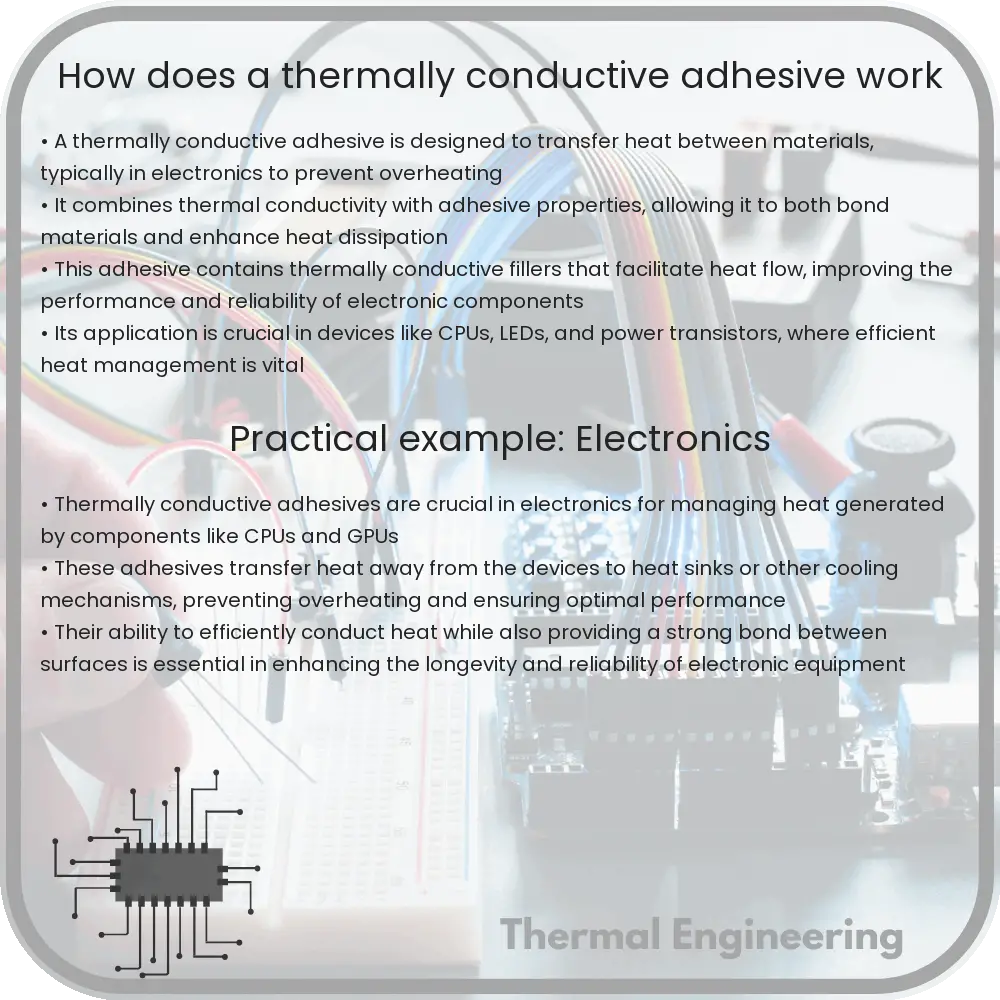
How does a thermally conductive adhesive work

Understanding Thermally Conductive Adhesives

Thermally conductive adhesives are specialized materials used to join parts together while also efficiently managing heat away from critical components. In the realms of electronics and engineering, they play a vital role in ensuring devices operate within safe thermal limits, thereby enhancing performance and durability.

Composition and Types

Thermally conductive adhesives are typically composed of a polymer matrix blended with thermally conductive fillers. Common fillers include metal oxides, ceramics (such as boron nitride or aluminum nitride), and metallic particles. These adhesives can be epoxies, silicones, acrylics or urethanes, each offering different properties in terms of flexibility, thermal conductivity, and curing mechanisms.

  • Epoxy-based adhesives: Known for their strong bond strength and high thermal conductivity.
  • Silicone-based adhesives: Provide flexibility and excellent temperature resistance.
  • Acrylic-based adhesives: Feature faster curing times and good overall performance.
  • Urethane adhesives: Often used for their toughness and impact resistance.

How They Work

Thermally conductive adhesives transfer heat through the process of conduction. At the microscopic level, the conductive particles embedded within the adhesive form a network of paths through which heat can travel. This is fundamentally described by Fourier’s Law of Heat Conduction:

\[ q = -k \cdot A \cdot \frac{dT}{dx} \]

where q is the heat transfer rate, k is the thermal conductivity of the adhesive, A is the cross-sectional area, and \(\frac{dT}{dx}\) is the temperature gradient across the adhesive.

The effectiveness of a thermally conductive adhesive depends on the thermal conductivity of the filler materials used and the interface contact between components. Good interfacial contact reduces thermal resistance and enhances the heat flow.

Applications

Thermally conductive adhesives are crucial in various applications where both bonding and heat dissipation are required:

  • Electronics: Used for attaching heat sinks to CPUs or LEDs where excessive heat could reduce performance or lifespan.
  • Automotive: Employed in sensors and electronic components that must operate reliably under high temperatures.
  • Solar Panels: Used to bond heat spreaders that dissipate heat away from photovoltaic cells, thereby improving efficiency.
  • Aerospace: Vital for attaching lightweight, heat-dissipating components.

Choosing the Right Adhesive

Selecting the appropriate thermally conductive adhesive involves considerations of the operational environment, required thermal conductivity, mechanical stresses, and curing conditions. Factors such as temperature range, type of substrates, and exposure to chemicals or moisture also play critical roles in the decision-making process.

In conclusion, thermally conductive adhesives are indispensable in the design of thermally efficient, reliable, and high-performance devices across various industries. Understanding their properties and mechanisms allows engineers to make informed choices that significantly impact the longevity and functionality of their products.

How does a thermal air curtain conserve energy

Explore the function and energy-saving benefits of thermal air curtains, which create a barrier to maintain indoor temperatures and reduce HVAC loads.

How does a thermal air curtain conserve energy

Understanding Thermal Air Curtains and Energy Conservation

A thermal air curtain, often simply known as an air curtain, is an engineering solution used to maintain interior building temperatures while allowing doors to remain open. By providing a protective barrier made of air, these devices are pivotal in both commercial and industrial settings for energy conservation. This article explores how thermal air curtains work and the principles behind their energy-saving capabilities.

How Does a Thermal Air Curtain Work?

An air curtain device consists of a fan and a directional nozzle that runs across the width of a doorway. When activated, the system blows air down across the opening at a high velocity, creating an air seal. This barrier prevents outside air from entering and conditioned indoor air from escaping.

The Role of Air Curtains in Energy Conservation

The primary function of air curtains is to maintain comfortable indoor temperatures regardless of external weather conditions, thus reducing the load on heating and cooling systems. Here’s how they contribute to energy efficiency:

  • Maintaining Interior Climate: By blocking the infiltration of outdoor air, air curtains maintain stable interior temperatures. This steadiness allows HVAC systems to operate more efficiently as they do not need to compensate for sudden temperature fluctuations.
  • Reduction in Air Transfer: Efficient air curtains can reduce the exchange of heated or cooled air by up to 80-90%. This significant reduction in air transfer decreases the energy required to reheat or recool indoor air, leading to lower energy consumption.
  • Improvement in HVAC Efficiency: With reduced air exchange, HVAC systems undergo less stress and operate under optimal conditions, extending equipment life and reducing maintenance costs.

Calculating the Energy Saving from Air Curtains

To quantify the energy savings imparted by air curtains, one can use the following basic formula:

Energy Savings (kWh) = (Volume of Air Prevented from Entering [m3/h] * Density of Air [kg/m3] * Specific Heat Capacity of Air [kJ/kg.K] * Temperature Difference [K]) / Efficiency of Heating/Cooling Units [%]

This calculation provides a rough estimate of the energy conserved due to the operation of an air curtain. It emphasizes the importance of considering factors like door size, exterior and interior temperature differences, and the specific properties of the air curtain being used.

Conclusion

Thermal air curtains are a practical and effective engineering control that provides significant energy conservation benefits in commercial and industrial settings. By understanding the basic working principles and energy-saving mechanisms of air curtains, businesses can make informed decisions about incorporating these systems into their energy management strategies. The end result is not only direct savings in energy costs but also an overall reduced environmental footprint.

In today’s energy-conscious world, finding solutions that enhance operational efficiency while conserving resources is more important than ever. Thermal air curtains stand out as a smart choice for businesses looking to achieve these goals.

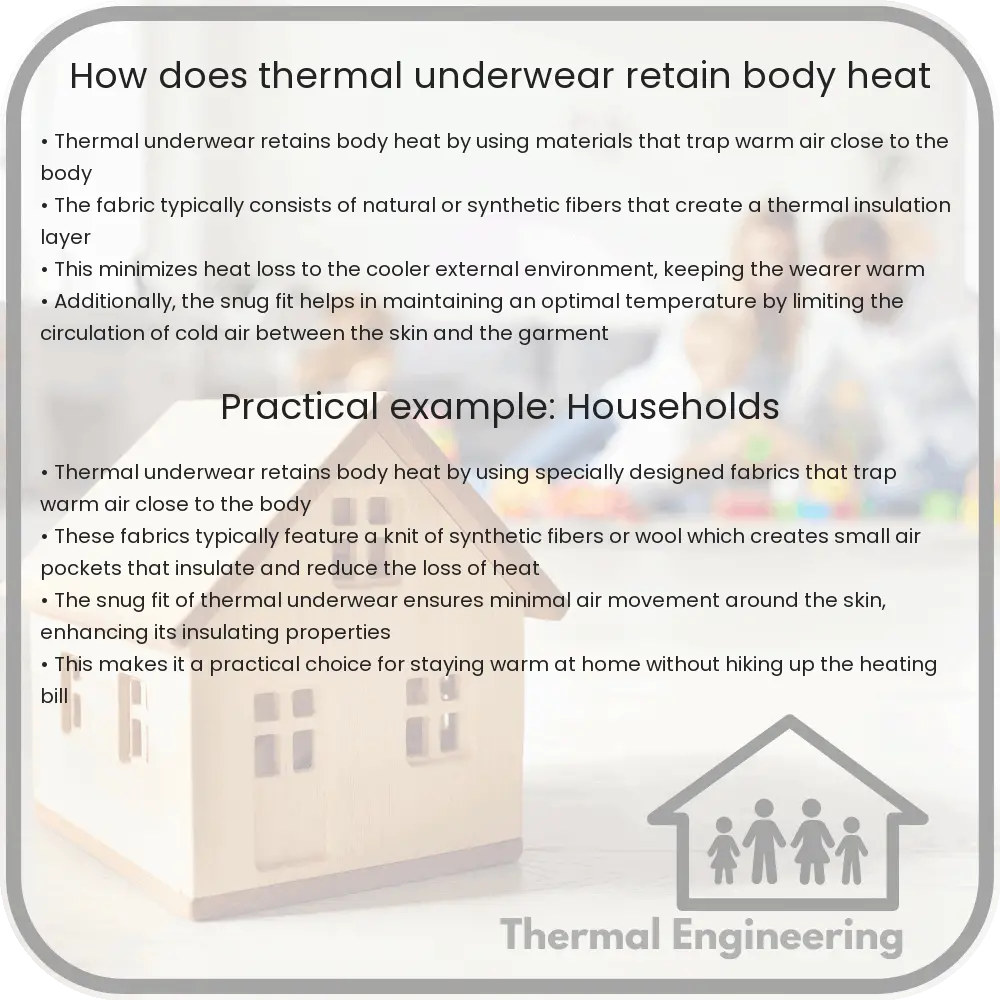
How does thermal underwear retain body heat

Learn how thermal underwear retains body heat using advanced materials and fabric technology, essential for cold environments.

How does thermal underwear retain body heat

Understanding How Thermal Underwear Retains Body Heat

Thermal underwear is a specialized type of clothing often used in cold environments to help maintain body temperature. Its ability to retain body heat is crucial for comfort and safety during cold weather activities. This article explores the engineering principles behind thermal underwear and how it effectively keeps us warm.

Materials and Fabric Technology

The key to the effectiveness of thermal underwear lies in the materials used and the structure of the fabrics. Most thermal underwear is made from a blend of materials including polyester, wool, and sometimes spandex. These materials have inherent properties that contribute to heat retention:

  • Polyester: Known for its durability and moisture-wicking properties, polyester fibers are hydrophobic, meaning they do not absorb water. This keeps moisture away from the skin, reducing heat loss caused by evaporation.
  • Wool: Wool is an excellent insulator. Its fibers contain tiny pockets of air, providing a natural barrier to cold and helping to trap body heat.
  • Spandex: Often added for flexibility, spandex allows thermal underwear to fit snugly against the body, minimizing gaps where heat could escape.

The structure of the fabric also plays a vital role. Many thermal underwear are knitted with a ‘waffle’ or grid pattern. This design creates small pockets of air within the fabric, enhancing its insulating properties.

Heat Retention Mechanism

To understand how thermal underwear retains heat, we must consider the principles of heat transfer: conduction, convection, and radiation. Thermal underwear helps to minimize these effects:

  • Conduction: Heat is transferred from a warmer object to a cooler one when they are in direct contact. The snug fit of thermal underwear keeps a thin layer of warm air close to the skin, acting as a thermal barrier.
  • Convection: Heat can also be lost to the air moving away from the body. The elastic nature of the materials used in thermal underwear fits closely, trapping warm air against the skin and reducing heat loss through convection.
  • Radiation: All objects radiate heat. The materials used in thermal underwear help reflect some of the body’s radiated heat back towards the skin, rather than letting it escape into the colder outside environment.

Moisture Management

An important aspect of retaining heat is keeping the skin dry. Moisture conducts heat away from the body much more effectively than air, resulting in rapid heat loss. Therefore, the moisture-wicking properties of thermal underwear are crucial for thermal regulation. By drawing sweat away from the skin to the outer layers of the fabric, where it can evaporate, thermal underwear keeps the skin dry and warm.

Conclusion

Through the use of advanced materials and fabric structures, thermal underwear effectively retains body heat. The combination of heat retention, moisture management, and fit makes thermal underwear an essential gear for combating the cold. Whether for daily wear during winter, outdoor sports, or expeditions in extreme conditions, thermal underwear provides a necessary barrier against the cold, keeping the body warmer and more comfortable. Understanding these principles can help individuals choose the right thermal wear for their needs, enhancing comfort and safety in cold environments.

How do thermal vents affect ocean ecosystems

Explore the profound impact of hydrothermal vents on ocean ecosystems, highlighting their role in biological and chemical processes.

How do thermal vents affect ocean ecosystems

Understanding the Role of Hydrothermal Vents in Ocean Ecosystems

Hydrothermal vents, also known as thermal vents, are openings in the seabed that discharge geothermally heated water. These vents are typically found in regions with volcanic activity, such as mid-ocean ridges where tectonic plates are diverging or converging. The impact of these vents on ocean ecosystems is profound and multifaceted, affecting both biological and chemical aspects of the marine environment.

Origin and Nature of Hydrothermal Vents

Hydrothermal vents are formed when seawater seeps into the Earth’s crust through cracks and fissures. As it reaches depths where magma is present, the water is heated and becomes superheated, dissolving minerals and metals from the surrounding rocks. This mineral-rich water eventually rises back to the ocean floor, where it is expelled, creating the vents. The water from these vents can reach temperatures of up to 400°C (752°F), but due to the high pressure at the depths where these vents are located, it does not boil.

Chemical Contributions and Modifications

The water expelled by hydrothermal vents is rich in dissolved minerals and metals, such as iron, copper, zinc, and lead. Significantly, it also contains high levels of sulfur in the form of hydrogen sulfide, which is toxic to most marine life. However, this harsh environment is home to a uniquely adapted ecosystem. Microorganisms such as chemosynthetic bacteria thrive by converting these chemical substances, especially hydrogen sulfide, into organic matter through a process called chemosynthesis, providing a food source for higher organisms.

Biological Impact and Unique Ecosystems

Hydrothermal vents host unique ecosystems with organisms that are not found anywhere else on Earth. These include giant tube worms, clams, and various types of shrimp and fish, all of which rely directly or indirectly on chemosynthesis. The primary producers in these ecosystems are the chemosynthetic bacteria, which support a diverse range of life forms through their production of organic materials from inorganic substances.

The symbiotic relationships between these bacteria and larger organisms, like tube worms, are particularly fascinating. The tube worms house these bacteria in their tissues and provide them with the necessary chemicals to perform chemosynthesis, while the bacteria supply the worms with nutrients.

Geological and Hydrological Influence

Hydrothermal vents affect the physical and chemical properties of the surrounding ocean waters. They contribute to the global heat transfer between the earth’s interior and the ocean, influencing ocean currents and temperatures. Furthermore, the minerals and metals dispersed by the vents can contribute to the nutrient cycles within the ocean, having impact far beyond their immediate surroundings.

Conservation and Future Research

The unique ecosystems surrounding hydrothermal vents are of great interest to scientists and environmentalists, not only due to their exotic life forms but also because of their isolation and vulnerability. These systems are subject to threats from deep-sea mining and changes in ocean chemistry due to global environmental changes. Understanding and protecting these environments is crucial, as they could reveal more about early life conditions on Earth and provide insights into life in extreme conditions.

In conclusion, hydrothermal vents play a critical role in shaping the biological, chemical, and physical aspects of their surrounding ocean ecosystems. Their study not only helps in understanding more about ocean dynamics and life under extreme conditions but also underscores the interconnectedness of Earth’s systems.

How does a thermal wheel recover heat

Learn how thermal wheels, or rotary heat exchangers, efficiently recover energy in building ventilation systems, enhancing sustainability.

How does a thermal wheel recover heat

Understanding How a Thermal Wheel Recovers Heat

Thermal wheels, also known as rotary heat exchangers or heat recovery wheels, play a crucial role in energy recovery systems in buildings. These devices provide an efficient way to transfer heat and moisture between outgoing and incoming air streams in ventilation systems. This not only reduces energy consumption but also enhances indoor air quality and comfort. In this article, we will explore the mechanism behind thermal wheels and their benefits in engineering applications.

How It Works

A thermal wheel consists of a large circular honeycomb matrix of heat-absorbing material that slowly rotates between the incoming and outgoing air streams in an air handling unit (AHU). As it rotates, the wheel absorbs heat and moisture from the exhaust air and transfers it to the incoming fresh air. This process can be broken down into four key stages:

  • Exhaust Air Heating Phase: As the thermal wheel spins, part of it moves through the exhaust air stream, where it absorbs heat and moisture from the air.
  • Heat Transfer Phase: The wheel continues to rotate and carries the absorbed heat and moisture into the incoming air stream.
  • Cooling Phase: The now cooler exhaust air stream helps in cooling down the wheel’s matrix as it continues to rotate back into the exhaust side.
  • Regeneration Phase: By the time the wheel comes back around to the exhaust air stream, it has released much of the heat and moisture to the incoming air, making it ready to absorb more heat.

The effectiveness of a thermal wheel is dependent on several factors, such as wheel speed, surface area of the heat-absorbing material, and thermal conductivity of the material.

Benefits of Using a Thermal Wheel

  1. Energy Efficiency: By recovering heat from the exhaust air, thermal wheels reduce the need for additional heating or cooling, saving on energy costs.
  2. Improved Air Quality: These systems can help in maintaining better humidity levels and comfort indoors.
  3. Reduced Environmental Impact: Lower energy usage translates into reduced greenhouse gas emissions and a smaller carbon footprint.
  4. Cost-Effective: Despite the initial installation cost, the energy savings provided by thermal wheels typically offer a quick return on investment.

Applications in Real World

Thermal wheels are widely used across various sectors, including commercial buildings, industrial facilities, and residential complexes. Anywhere that uses a system to exchange air with the outside can benefit from the inclusion of a thermal wheel to recover energy. They are particularly beneficial in climates where there is a significant difference between indoor and outdoor temperatures, maximizing both the heating and cooling potential of the energy recovered.

Conclusion

The thermal wheel is a testament to how engineering can combine simplicity with efficiency. By integrating such systems, modern buildings can greatly enhance their energy performance and sustainability, aligning with global energy and environmental goals. For engineers, architects, and builders, understanding and using technologies like the thermal wheel is an important step towards designing more energy-efficient and sustainable buildings for the future.

How does thermal refining improve metal quality

Uncover the details of thermal refining, a key metallurgical process that enhances metal properties and performance.

How does thermal refining improve metal quality

Understanding Thermal Refining and Its Impact on Metal Quality

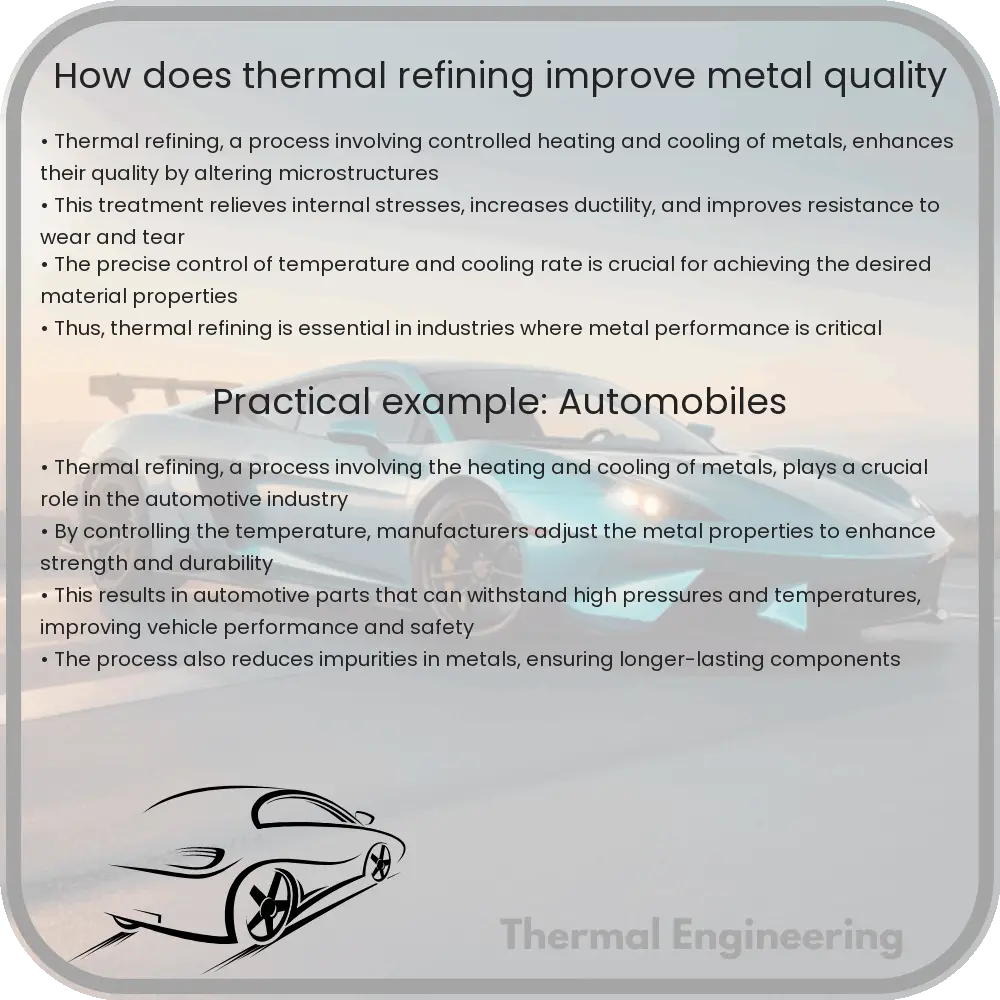
Thermal refining, also known as heat treatment, is a crucial process in metallurgy, designed to improve the physical and chemical properties of metals. This treatment enhances the usability of metals in various industrial applications by increasing their strength, toughness, and wear resistance, while also reducing their brittleness. This process not only refines the qualities of the metal but also ensures that it can be used in more demanding environments and applications.

The Process of Thermal Refining

Thermal refining typically involves three main steps: heating, holding, and cooling the metal. Each step is crucial in altering the microstructure of the material, which in turn, affects its overall properties and performance.

  • Heating: The metal is heated to a precise temperature where its structure becomes malleable. The temperature and rate of heating depend on the type of metal and the desired properties.
  • Holding: At this temperature, the metal is held for a specific amount of time to allow transformations within its microstructure. This is also known as ‘soaking’.
  • Cooling: The metal is then cooled at a controlled rate. Rapid cooling (quenching), slow cooling (furnace cooling), or a controlled sequence of both can be used depending on the desired outcome.

Types of Heat Treatment Processes

There are several types of heat treatment processes, each tailored to achieve specific property enhancements:

  • Annealing: This process softens the metal, making it more workable and reducing stress. It involves heating the metal above its recrystallization temperature and then slowly cooling it.
  • Normalizing: Similar to annealing, this process makes the metal tougher. The metal is heated slightly higher than in annealing and then allowed to cool in air.
  • Hardening: To increase the hardness and strength of the metal, it is heated to a high temperature and then rapidly cooled or quenched. Common quenching mediums include water, oil, or air.
  • Tempering: Often performed after hardening, tempering reduces brittleness and enhances the toughness of the metal. The metal is heated to a temperature below its hardening temperature and held before being cooled.

Benefits of Thermal Refining

Through modifying the microstructure of metals, thermal refining enhances numerous qualities necessary for demanding industrial applications:

  • Increase in strength: By altering grain sizes and forming new phases, metals become stronger and can withstand higher stresses.
  • Improved toughness: Heat treatments adjust the toughness of a metal, making it resilient against sudden impacts.
  • Enhanced wear resistance: Hardened surfaces are more resistant to wear and erosion, which is vital in mechanical components.
  • Controlled brittleness: Metals can be made less brittle through tempering, which avoids sudden failure under stress.

Thermal refining is, therefore, a vital process in metalworking that significantly improves the performance and longevity of metal products. By understanding and applying the right heat treatment techniques, engineers can design components that meet stringent standards and endure harsh operational conditions.

How does thermal stratification occur in lakes

Learn about thermal stratification in lakes, how it forms, its effects on water quality, and its ecological impact.

How does thermal stratification occur in lakes

Understanding Thermal Stratification in Lakes

Thermal stratification is a phenomenon that plays a crucial role in the ecological balance and water quality of lakes. Essentially, it refers to the way water layers of different temperatures form within a lake. Understanding how thermal stratification occurs and its effects is essential for environmental management, aquatic life conservation, and even in fields such as fishing and water sports.

How Thermal Stratification Occurs

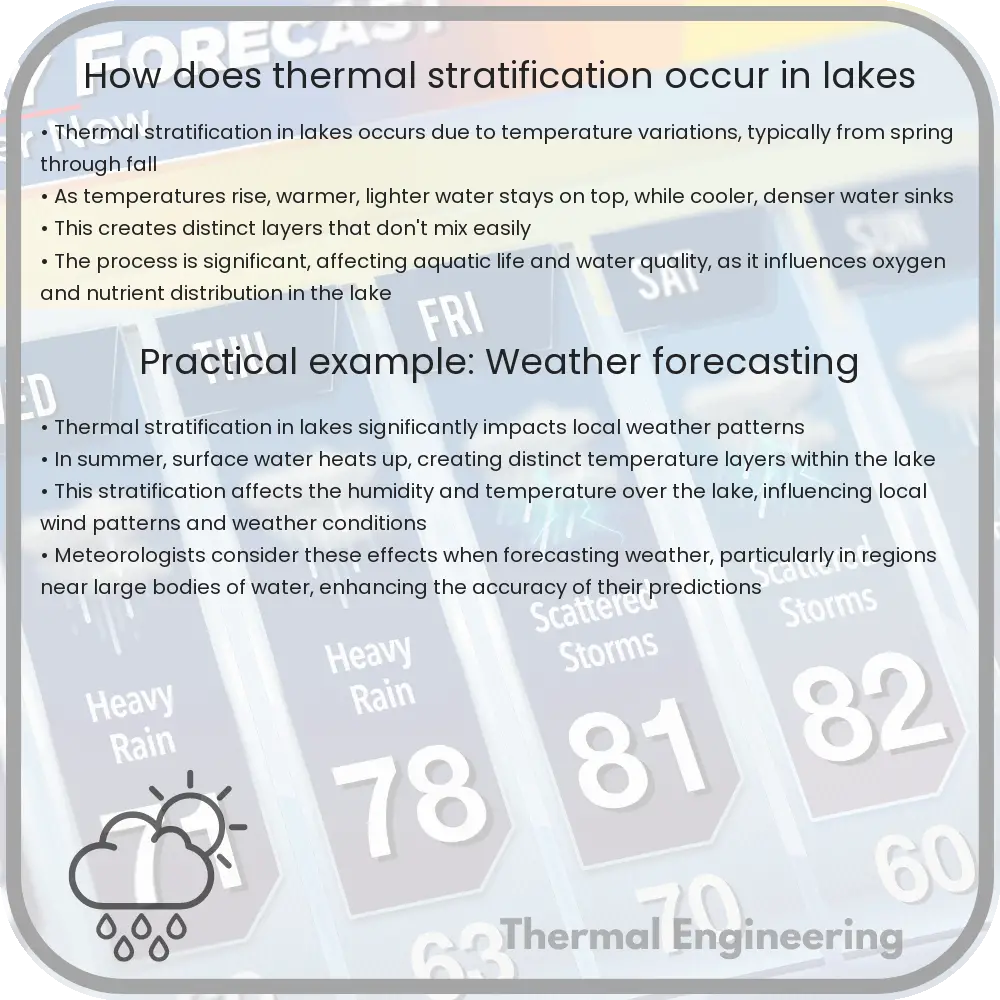
The process of thermal stratification is primarily driven by solar heating and the unique properties of water. During sunny days, the sun’s rays penetrate the surface of a lake, warming the upper layers of the water. Since warm water is lighter (less dense) than cold water, it tends to stay on the surface, while cooler, denser water sinks to the bottom. This creates distinct layers of water at different temperatures.

The Role of Water Density

Water density is central to understanding thermal stratification. The density of water varies with temperature: it decreases as water warms up and increases as it cools down. This variation in density with temperature is what leads to the formation of separate layers in a lake:

  • Epilimnion: This is the top layer, which is the warmest and typically has the highest levels of oxygen due to its interaction with the atmosphere and photosynthetic activity from aquatic plants.
  • Metalimnion: Also known as the thermocline, this middle layer experiences a rapid temperature change with depth. It acts as a barrier to the transfer of heat between the layers above and below.
  • Hypolimnion: This is the deepest layer, generally the coldest part of the lake, and is cut off from surface processes. Dissolved oxygen levels here can be much lower than in the upper layers, particularly in eutrophic lakes.

Seasonal Changes and Mixing

Lakes in temperate regions often undergo seasonal thermal stratification. In spring and summer, the upper layer of the lake becomes warm and stable, leading to stratification. However, during the colder months of autumn and winter, the surface water cools, becomes denser, and sinks. This process, known as turnover, helps to mix the waters of the lake, redistributing nutrients and oxygen throughout the different layers.

Complete mixing typically occurs in the spring and fall, when the temperature differences between layers are minimized. However, the extent and duration of mixing can vary significantly depending on the geographic location of the lake, its size, and depth, as well as weather conditions.

Ecological Impacts of Thermal Stratification

Thermal stratification can significantly impact the ecology of a lake. The formation of a stable thermocline can prevent oxygen-rich surface waters from mixing with deeper, nutrient-rich waters. This can lead to reduced oxygen levels in the deeper parts of the lake, affecting fish and other aquatic organisms that depend on oxygen.

In addition, stratification can influence the distribution of phytoplankton and aquatic plants, which play integral roles in the aquatic food web. By understanding and monitoring thermal stratification, environmental scientists and engineers can better manage freshwater resources, preserving lake ecosystems and ensuring the health of the aquatic life.

Thus, thermal stratification is not just a curious phenomenon but a critical factor in lake management and ecological balance. Recognizing and understanding this process is vital for anyone involved in environmental science, limnology, or lake management.

How does a thermal transmittance meter measure insulation

Learn how a thermal transmittance meter measures insulation effectiveness in buildings by evaluating U-values for better energy efficiency.

How does a thermal transmittance meter measure insulation

Understanding Thermal Transmittance Meter: Measuring Insulation Effectiveness

Insulation is crucial for maintaining energy efficiency in buildings. It prevents heat loss during cold months and keeps interiors cool in the heat, significantly reducing energy costs. A key tool used in assessing the effectiveness of insulation is the thermal transmittance meter. This article explains how this device works and why it’s important in building maintenance and construction.

What is Thermal Transmittance?

Thermal transmittance, also known as U-value, is a measure of how well a material allows heat to pass through it. Materials with low U-values are better insulators than those with high values. The U-value is expressed in watts per square meter Kelvin (W/m2K), encapsulating the rate of heat transfer through a structure divided by the area and temperature difference across the structure.

How Does a Thermal Transmittance Meter Work?

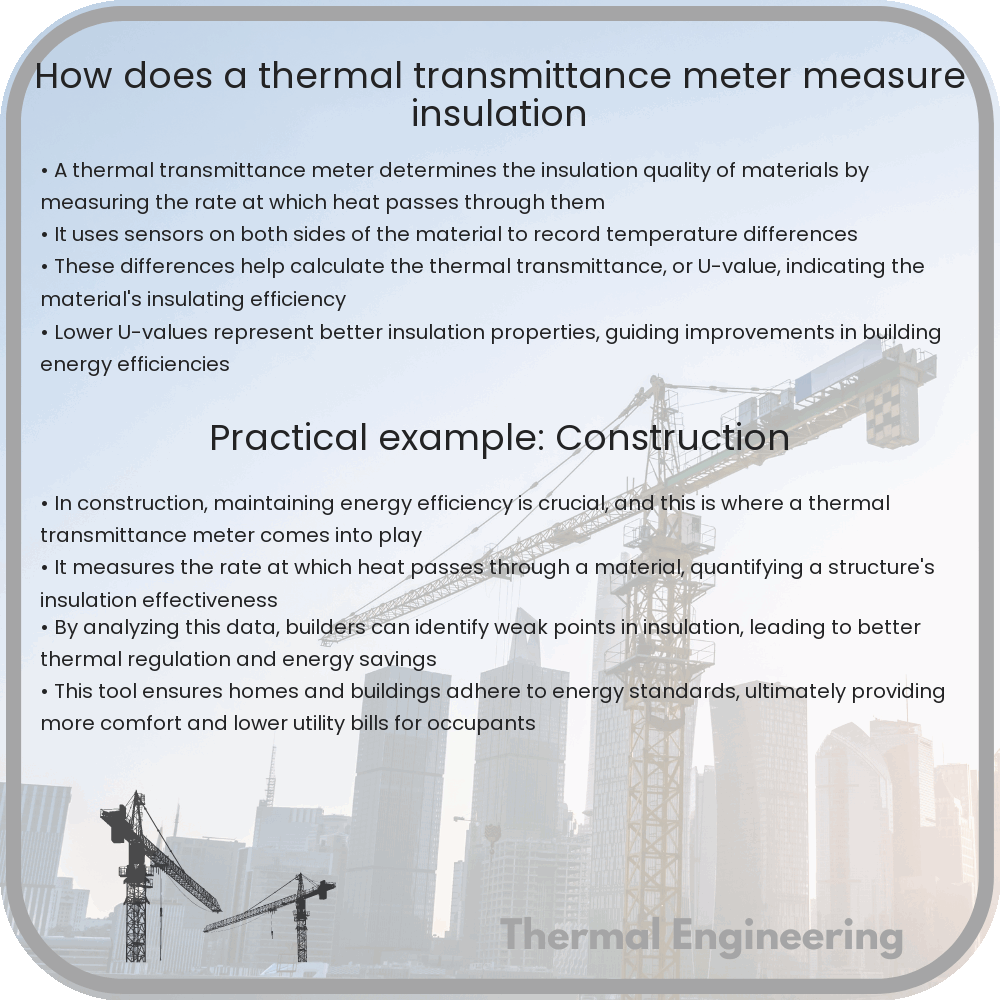
A thermal transmittance meter measures the U-values of building elements like walls, floors, and roofs to evaluate their insulation performance. Here’s a look at the process:

  • Setup: The meter is equipped with heat flux sensors, which are placed on both sides of the building element to measure the heat flow through the material.
  • Temperature Sensors: Temperature sensors are also set up on both sides of the material to collect data on the temperature difference across the element.
  • Data Collection: Once activated, the meter collects data over a certain period, typically over several hours, to ensure accuracy despite any external temperature changes or sunlight effects.
  • Calculation: Using the heat flux and temperature data, the meter calculates the thermal transmittance or U-value using the formula:

    U = (q / ΔT)

    where q is the heat flux (W/m2) and ΔT is the temperature difference (K) across the material.

Advantages of Using a Thermal Transmittance Meter

Using a thermal transmittance meter comes with several benefits in the field of construction and building maintenance:

  • Accuracy: Provides a direct and precise measurement of the insulation’s effectiveness.
  • Non-destructive: The measurement process does not damage the building elements, making it an excellent tool for inspection and regular checks.
  • Compliance Verification: Helps in verifying compliance with building regulations and environmental standards that dictate specific U-value limits.
  • Energy Efficiency Improvement: Identifies poorly insulated areas, directing enhancement efforts for better energy efficiency.

Applications in Real-World Scenarios

A thermal transmittance meter is used extensively in various applications, including:

  • Building Inspection: Used during building inspections to ensure that existing buildings meet the required insulation standards.
  • Renovation Projects: Helps in identifying the parts of a building that need additional insulation, guiding the renovation works.
  • Research and Development: Utilized in R&D for developing new insulating materials and improving the insulation properties of existing materials.

In conclusion, the thermal transmittance meter is a fundamental tool in the engineering field, providing accurate, efficient, and non-invasive measurements of material insulation properties. This facilitates not only compliance with energy standards but also helps in maximizing a building’s energy efficiency, directly contributing to environmental sustainability and reduced operational costs.

How does a thermal ionization mass spectrometer work

Learn about Thermal Ionization Mass Spectrometry (TIMS), a precise technique for isotope measurement used in geology, chemistry, and nuclear sciences.

How does a thermal ionization mass spectrometer work

Understanding the Thermal Ionization Mass Spectrometer (TIMS)

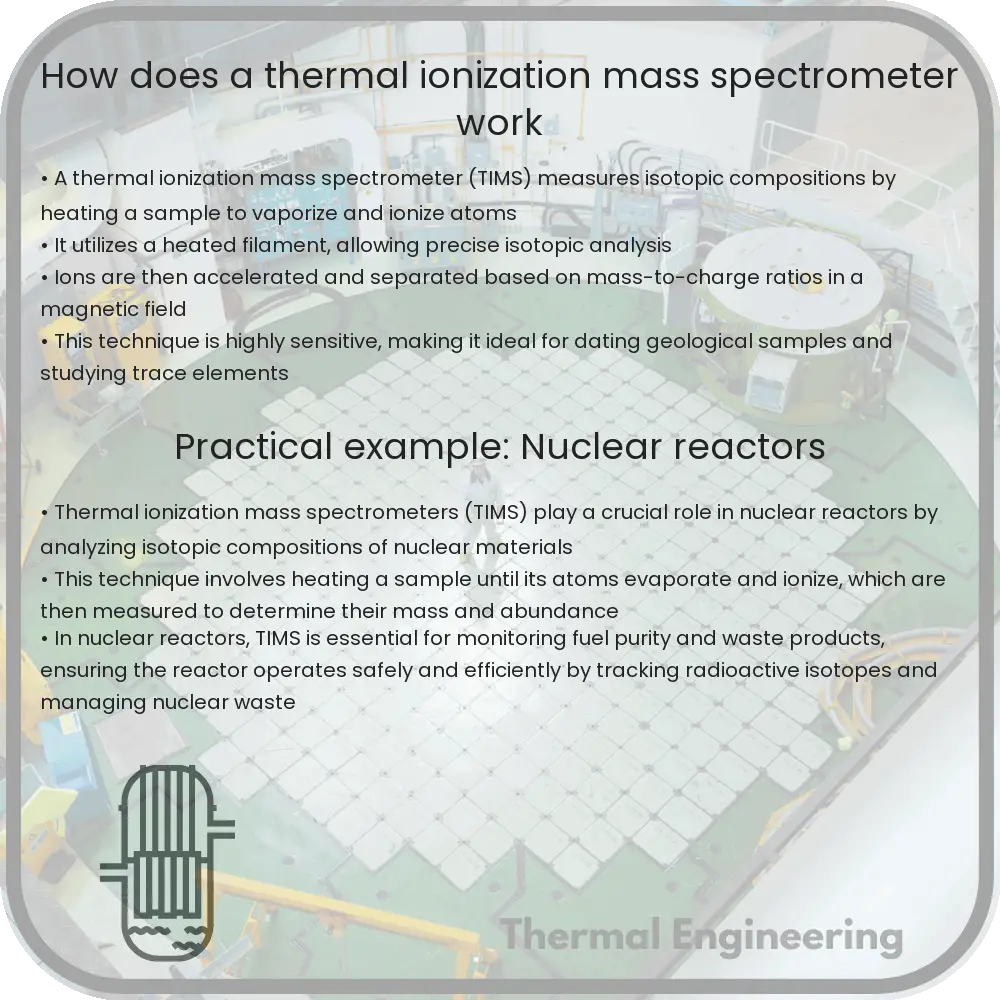
Thermal Ionization Mass Spectrometry (TIMS) is a highly sensitive analytical technique used primarily for precise measurement of isotopic compositions within materials. This method is especially valuable in the fields of geology, chemistry, and nuclear science, for determining ages of rocks and minerals (geochronology) through isotopic dating, as well as for analyzing isotopic compositions in nuclear materials.

Principle of Operation

The core function of a TIMS lies in its ability to ionize samples via thermal ionization and then measure the masses of these ions with high precision. The process can be broken down into a few key steps:

  1. Sample Preparation: The material under study is chemically processed and loaded onto a metallic filament in a liquid or solid form. Common filament materials include rhenium or tungsten due to their high melting points.
  2. Thermal Ionization: The filament is then placed into the ion source of the mass spectrometer and heated to a high temperature using an electrical current. This causes the sample material to lose electrons (ionize), primarily forming positive ions.
  3. Ion Acceleration and Mass Analysis: The generated ions are accelerated through a potential difference and focused into a beam. This ion beam passes through a magnetic field that disperses the ions according to their mass-to-charge ratio (m/z). Different isotopes of the same element, having slightly different masses, follow slightly different paths.
  4. Detection: The dispersed ion beam impacts a detector array where the abundance of each isotope is measured. Since the paths and detection points depend specifically on the isotopes’ m/z ratios, the instrument can precisely measure the isotopic ratios in the sample.

Key Components of a TIMS

  • Ion Source: The section where the sample is ionized at high temperatures.
  • Accelerator: This component uses electric fields to accelerate ionized particles.
  • Magnet Sector: A magnetic field used to separate ions based on their mass-to-charge ratio.
  • Detector System: Usually comprises Faraday cups or electron multipliers that measure the quantity of ions by converting them into an electrical signal.

Applications of Thermal Ionization Mass Spectrometry

Due to its high precision and accuracy in measuring isotopic ratios, TIMS has widespread applications:

  • Geochronology: Dating of geological samples by determining ratios of isotopes such as uranium/lead or rubidium/strontium.
  • Geochemistry: Analysis of isotopic composition in various minerals and their origins.
  • Nuclear Forensics: Identification of source and history of nuclear materials, particularly in non-proliferation contexts.
  • Environmental Science: Tracing sources of pollution and environmental changes through isotopic signatures.

Thus, the sophistication and capabilities of Thermal Ionization Mass Spectrometry make it an indispensable tool in scientific research, providing insights that are critical in numerous fields of study.

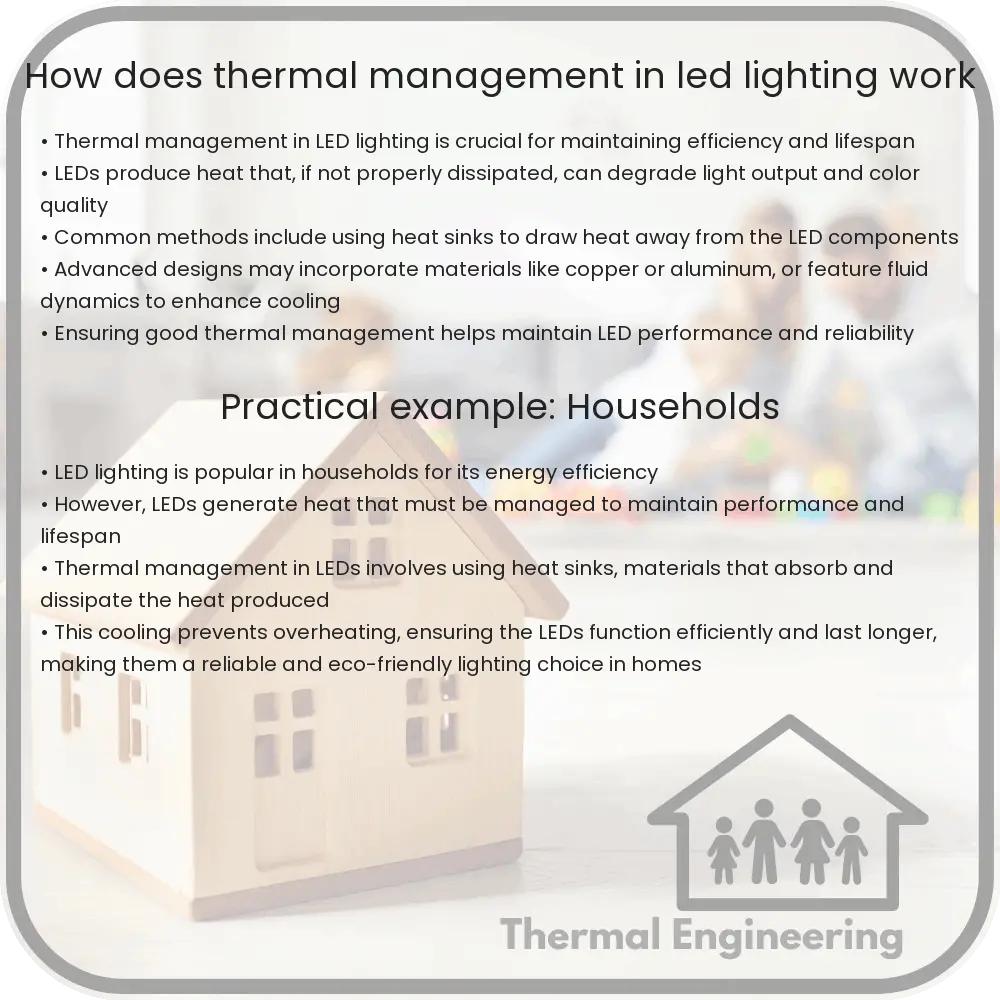
How does thermal management in LED lighting work

Explore the essential role and methods of thermal management in LED lighting to enhance performance and lifespan.

How does thermal management in LED lighting work

Understanding Thermal Management in LED Lighting

Light Emitting Diodes (LEDs) are a popular choice for lighting due to their efficiency and longevity. However, like all electronic devices, LEDs generate heat during operation. Effective thermal management in LED lighting is crucial for maintaining efficiency, performance, and extending the lifespan of the light. In this article, we’ll explore the basics of how thermal management in LED lighting works.

The Source of Heat in LEDs

Although LEDs are more efficient than traditional incandescent lamps, they still generate heat. The primary source of this heat is the junction within the LED. The junction is the part of the LED where the electric energy is converted into light energy. Not all the electrical energy is converted into light; a significant portion is converted into heat.

Impacts of Excessive Heat

Excessive heat can adversely affect LEDs in several ways:

  • Reduced Efficiency: As the temperature of the LED increases, the efficiency at which it converts electricity into light decreases.
  • Color Shift: High temperatures can also lead to a shift in the color of the LED light, typically towards the blue end of the spectrum.
  • Reduced Lifespan: Perhaps the most significant impact of excessive heat is the reduction in the lifespan of the LED. The components of an LED can degrade faster when operating at higher temperatures.

Thermal Management Solutions

Managing the heat generated by LEDs is essential for maintaining their performance and lifespan. Here are some common thermal management strategies used in LED lighting:

  1. Heat Sinks: The most widely used method for cooling LEDs is adding a heat sink. A heat sink is a passive heat exchanger that absorbs and dissipates heat from the LED. Typically, it is made from a thermally conductive material like aluminum. The design of the heat sink, including its size, shape, and the material, significantly affects its efficiency.
  2. Thermal Interface Materials (TIMs): TIMs are materials placed between the LED and the heat sink to enhance the thermal transfer efficiency. These materials help fill any air gaps between the heat sink and the LED, lowering the thermal resistance and allowing more effective heat transfer.
  3. Active Cooling Systems: In high-power LED applications where passive cooling might not be sufficient, active cooling systems such as fans or liquid cooling are employed. These systems use energy to actively remove heat from the LED, maintaining an optimal operating temperature.
  4. PCB Design: The design of the Printed Circuit Board (PCB) on which LEDs are mounted can also affect thermal management. Using thermally conductive PCB materials can help spread the heat more evenly and reduce hot spots.

Conclusion

Thermal management is a critical aspect of LED lighting technology. By effectively dispersing the heat generated by the LEDs, manufacturers can enhance the performance, efficiency, and durability of their products. Whether through passive methods like heat sinks and advanced PCB designs, or through active cooling systems, managing heat is essential for the sustainable operation of LED lights.

Understanding these basic principles aids in appreciating the engineering behind LED lighting and its importance in developing sustainable and efficient lighting solutions.