Facebook Instagram Youtube Twitter

Ceramic Coatings | Heat Barrier, Surface Protection

Learn about ceramic coatings, their role as heat barriers, and their protective qualities against wear and corrosion in various industrial applications.
Ceramic Coatings | Heat Barrier, Surface Protection

Understanding Ceramic Coatings: Heat Barriers and Surface Protection

Ceramic coatings are specialized coatings composed primarily of silicate materials that are applied to surfaces to improve their resistance to heat, corrosion, and abrasion. These coatings are notable for their durability and the protection they provide in harsh environmental conditions, making them a popular choice in various industries, including automotive, aerospace, and manufacturing.

Principles of Heat Resistance

Ceramic coatings protect surfaces by significantly reducing heat transfer. This is primarily due to their low thermal conductivity. For instance, typical metals like copper have a high thermal conductivity of about 400 W/(m*K), which means they transfer heat quickly. In contrast, ceramic materials such as alumina or silica have much lower thermal conductivities, generally less than 5 W/(m*K), making them excellent heat barriers.

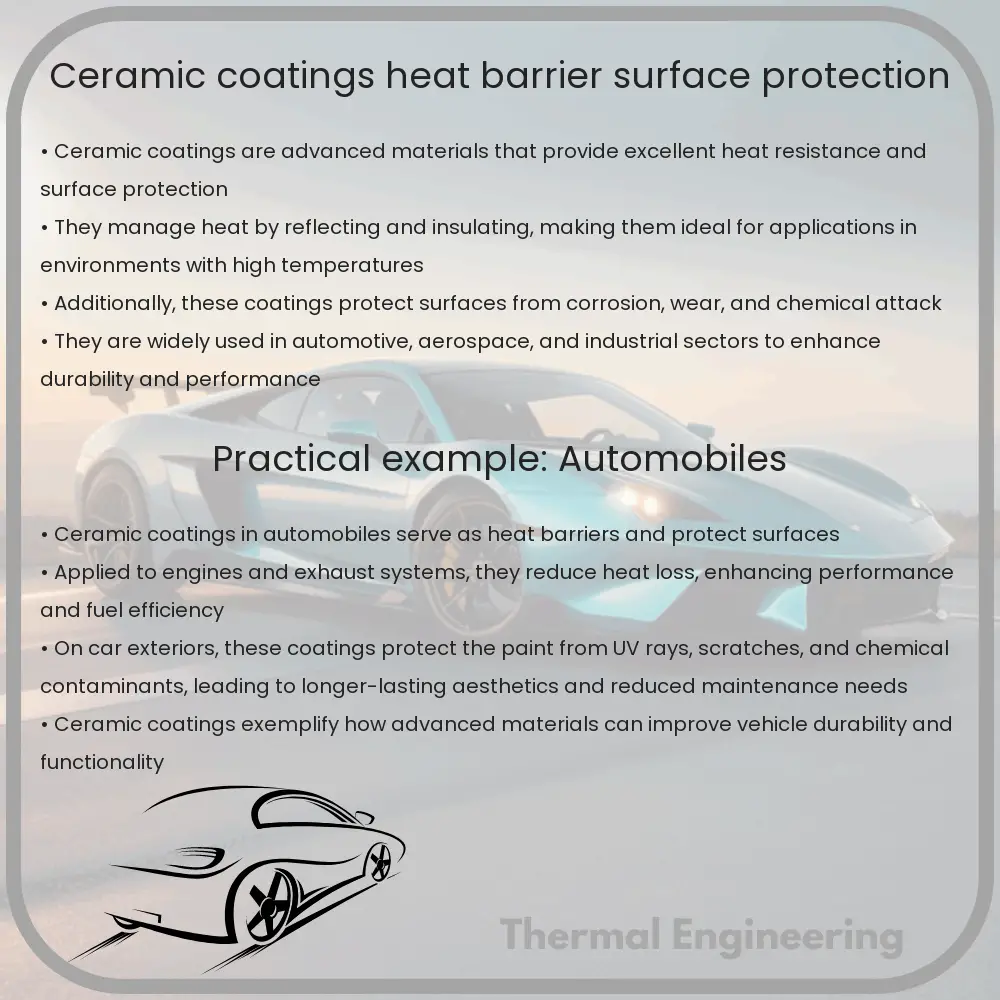
When applied to components, especially in engines and exhaust systems, ceramic coatings reduce the surface temperature, which can lead to an improvement in performance and longevity of the component. Lower temperatures can also lead to increased thermal efficiency as less heat is lost to the surroundings.

Surface Protection Qualities

Beyond their heat-resistant capabilities, ceramic coatings also offer superior protection against corrosion and wear. This is because these coatings provide a hard layer that acts as a barrier against environmental factors such as moisture, UV rays, and chemicals.

The coating achieves this by bonding chemically to the substrate at a molecular level, a process that typically requires curing at high temperatures. Once cured, this bond significantly reduces the risk of chipping, peeling, or fading, ensuring that the substrate remains protected for an extended period.

Applications in Various Industries

  • Automotive Industry: Ceramic coatings are widely used in the automotive sector to protect car paint from fading and to shield engine parts from heat and corrosion. This not only improves the vehicle’s performance but also extends the lifespan of its components.
  • Aerospace Industry: These coatings are employed in the aerospace field to protect aircraft parts from extreme temperatures and environmental stress, thus ensuring safety and efficiency during flights.
  • Industrial Machinery: In manufacturing, ceramic coatings are applied to machinery that is exposed to corrosive substances or high temperatures to minimize wear and tear and prevent failure during operation.

Advantages of Ceramic Coatings

  1. Durability: Ceramic coatings are extremely durable against physical and chemical attacks. This durability translates into a longer life expectancy of the coated surface.
  2. Thermal Protection: They effectively protect components by reflecting and dissipating heat, thereby enhancing the performance and efficiency of the system.
  3. Environmental Resistance: Such coatings provide excellent resistance to UV rays, corrosion, and harsh chemicals, which is crucial for outdoor applications.
  4. Aesthetic Preservation: For surfaces like car paint, ceramic coatings help maintain the original look by protecting against scratches, dirt, and water spots.

Conclusion

Ceramic coatings represent a significant technological advancement in material science, offering a combination of heat resistance, durability, and environmental protection. Their versatile properties ensure they play a critical role across multiple industries, protecting equipment and extending service lives, ultimately leading to cost savings and enhanced safety. As technology advances, the development of new ceramic materials and application techniques will further expand their uses and effectiveness.
Polyester Fiber | Insulation, Thermal Comfort in Textiles

Learn about polyester fiber’s role in insulation and enhancing thermal comfort in textiles, including its properties, uses, and environmental impact.

Polyester Fiber | Insulation, Thermal Comfort in Textiles

Understanding Polyester Fiber: A Key Material in Insulation and Enhancing Thermal Comfort in Textiles

Polyester fiber is one of the most versatile textile fibers used today, owing to its unique properties like strength, durability, and resistance to stretching and shrinking. In this article, we will dive into the characteristics of polyester that make it suitable for insulation and enhancing thermal comfort in textiles.

Properties of Polyester Fiber

Polyester is a synthetic fiber, derived from a chemical reaction involving petroleum, air, and water. This process leads to the formation of a polymer, which is then spun into fibers. Due to its synthetic nature, polyester fibers exhibit a wide range of physical and chemical properties which can be manipulated according to its intended usage. One of polyester’s main advantages is its hydrophobic nature, allowing it to repel water, thereby drying quickly. Moreover, it is highly durable and retains its shape well, making it an ideal choice for robust clothing and textile applications.

Polyester in Insulation

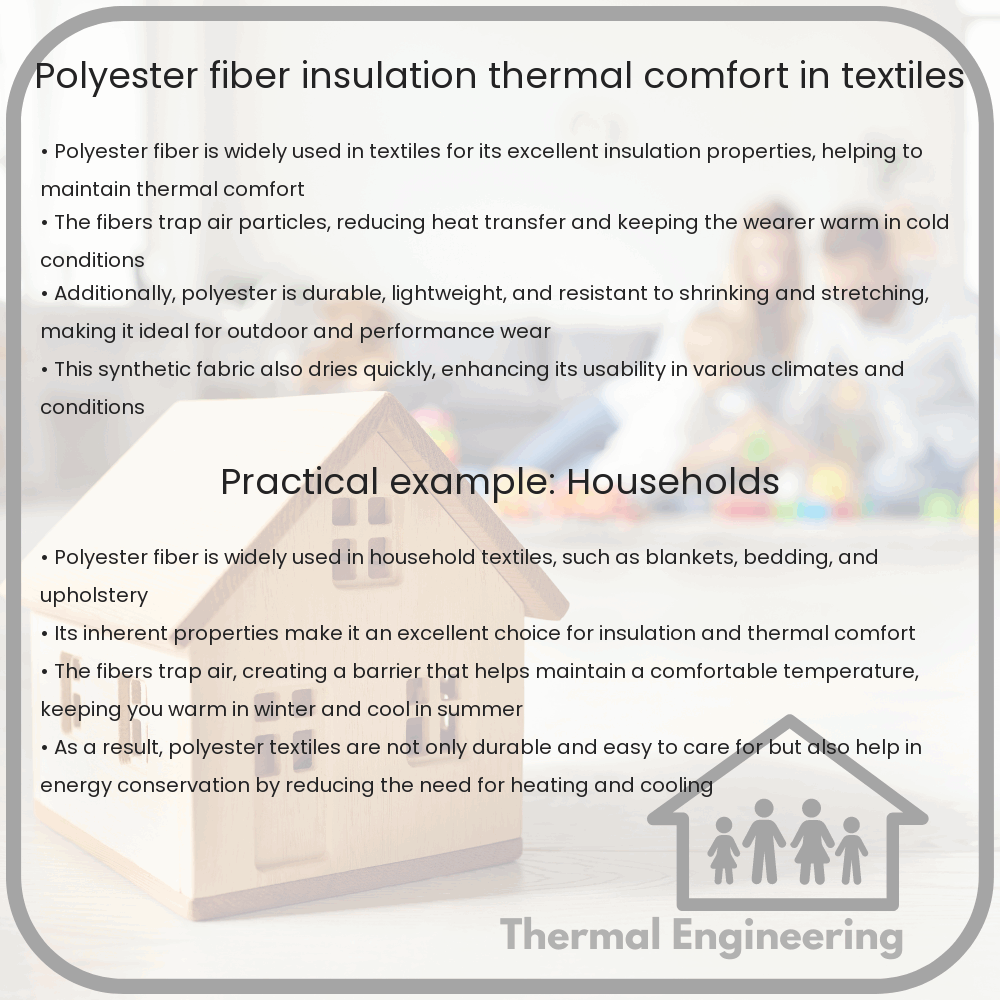
One of the prominent utilizations of polyester fiber is in the field of insulation. The structure of polyester fibers can trap air particles, creating an insulating barrier. This is particularly advantageous in building insulation and for winter garments, where warmth retention is critical. Polyester insulation is often compared with natural fibers like wool, as well as other synthetic fibers, for its effectiveness in maintaining comfortable indoor temperatures and reducing energy costs.

Thermal Comfort in Textiles

The concept of thermal comfort in textiles primarily deals with how textiles affect the heat exchange between the human body and its environment. Polyester plays a significant role in thermal comfort by balancing insulation and breathability, which maintains the wearer’s comfort in a variety of climates. Polyester fibers can be woven tightly in order to increase warmth or loosely to boost air circulation, demonstrating polyester’s adaptability in producing seasonal clothing.

Applications of Polyester Fiber in Everyday Life

  • Clothing: Due to its chemical and thermal resistance, polyester is widely used in clothing. Its ability to withstand various climates and low maintenance makes it particularly attractive for outdoor wear.
  • Home Insulation: Polyester batts are commonly used for thermal insulation in walls and ceilings in homes. It is non-toxic and less itchy compared to other insulating fibers, making it safer and more comfortable to install.
  • Sleeping Bags and Outdoor Gear: The insulating properties of polyester are perfect for sleeping bags and outdoor gear which require maintaining warmth in colder conditions.
  • Automotive and Acoustic Insulation: Polyester fibers are also significant in automotive parts and acoustic panels, where they provide temperature control and sound absorption.

Environmental Impact and Sustainability

Despite its wide applications and benefits, the environmental impact of polyester is significant due to its petroleum-based origin. The production of polyester uses large amounts of energy and water, and it is non-biodegradable. However, steps are being taken to mitigate these effects with the development of recycled polyester, which is made from existing polyester fabric and PET bottles. This not only reduces dependence on raw materials but also decreases waste and energy consumption.

In conclusion, polyester fiber is integral in the field of insulation and ensuring thermal comfort in textiles, with a broad spectrum of applications ranging from everyday clothing to specialized industrial materials. While it offers numerous benefits like durability and moisture resistance, the journey towards sustainable practices in its production is still progressing.

Kapton Tape | Heat Resistance, Electrical Insulation

Learn about Kapton tape, its uses in aerospace and electronics, and its unique heat resistance and electrical insulation properties.

Kapton Tape | Heat Resistance, Electrical Insulation

Understanding Kapton Tape: Heat Resistance and Electrical Insulation

Kapton tape, a remarkable material known for its durability and versatility, plays a crucial role in various engineering applications, specially where high heat resistance and excellent electrical insulation are required. This polyimide film was developed by DuPont in the 1960s and has become indispensable in a number of high-stakes environments such as in aerospace, electronics, and automotive industries.

Heat Resistance

Kapton tape can withstand extreme temperatures, making it highly suitable for applications that are exposed to high heat. It can operate at temperatures as low as -269°C and as high as 400°C without degrading. This property makes Kapton tape an ideal choice for insulating circuit boards, protecting sensitive components during soldering processes, and even insulating spacecraft against the harsh conditions of space.

The science behind its high heat tolerance lies in the stability of the polyimide polymer which makes up the tape. Polyimides maintain their excellent mechanical properties over a large temperature range due to their aromatic and imide functional groups, which provide strong molecular stability and high heat resistance.

Electrical Insulation

Another standout feature of Kapton tape is its excellent electrical insulation properties. It has a high dielectric strength, typically around 8000 volts per mil. This characteristic is crucial in preventing electrical discharges and short circuits in a variety of electrical and electronic equipment.

  • Dielectric Strength: Maintains a high level of insulation even when subjected to high temperatures.
  • Thin and Lightweight: Does not add significant bulk or weight to assemblies, which is particularly valuable in aerospace and electronic applications.
  • Chemical Resistance: Resistant to many solvents and acids, which enhances its durability in hostile environments.

The use of Kapton tape is particularly prevalent in the construction of electronic components such as capacitors and gold leaf shielding in spacecraft. Its ability to maintain insulative properties at varied temperatures helps in the efficient functioning of these components in varying and extreme environmental conditions.

Applications of Kapton Tape

  1. Aerospace: Used in satellites and spacecraft due to its resistance to ultraviolet (UV) and atomic oxygen which are prevalent in space environments.
  2. Electronics: Commonly used to hold parts in place during wave soldering and other high-temperature processes associated with electronic assembly.
  3. Automotive: Helps in insulation of electrical systems and components, which are subject to high temperatures, such as in engine compartments.

Understanding the properties and applications of Kapton tape helps in appreciating its role in modern technology. Its development marked a significant advancement in materials engineering, combining heat resistance, electrical insulation, and chemical stability in one effective material. As technologies evolve and operating conditions become more demanding, the role of materials like Kapton tape is likely to become even more critical.

Whether it’s enabling the exploration of outer space or ensuring the reliable operation of your everyday electronic devices, Kapton tape continues to be an essential component in various fields of engineering.

Sapphire | High Thermal Conductivity, Optical Applications

Learn about sapphire’s high thermal conductivity and its applications in electronics and optics, featuring its use in extreme environments.

Sapphire | High Thermal Conductivity, Optical Applications

Introduction to Sapphire: A Material with High Thermal Conductivity and Diverse Optical Applications

Sapphire, scientifically known as aluminum oxide (Al2O3), is more commonly recognized for its brilliance in jewelry. However, beyond its aesthetic appeal, sapphire possesses remarkable physical properties that make it invaluable in various engineering and technological fields. One of the most significant of these properties is its high thermal conductivity, paired with exceptional optical characteristics.

High Thermal Conductivity of Sapphire

Thermal conductivity is a measure of a material’s ability to conduct heat. Among insulating materials, sapphire stands out with a thermal conductivity that ranges from 25 to 30 W/m*K at room temperature, an attribute that is markedly superior when compared to other oxides, such as quartz. This high thermal conductivity makes sapphire an excellent choice for applications where heat dissipation is crucial, such as in electronic substrates and heat exchanger systems.

Optical Applications of Sapphire

Sapphire’s optical properties are as compelling as its thermal characteristics. It is transparent over a very wide range of wavelengths, from the ultraviolet (UV) at around 150 nm to the far infrared at 5.5 μm. This makes it an ideal material for various optical components including lenses, windows, and prisms in scientific instruments exposed to intense light sources or harsh environments.

  • High Durability: Sapphire ranks 9 on the Mohs scale of mineral hardness—just below diamond. This high durability, along with its high melting point (2030°C), allows sapphire to remain stable under extreme conditions, making it suitable for high-durability windows in spacecraft and high-pressure chambers.
  • Scratch Resistance: The strong crystal structure of sapphire makes it highly resistant to scratching, which is particularly advantageous in protective applications like watch faces and smartphone screens.
  • Non-Reactivity: Sapphire is chemically inert and resistant to attack by strong acids, allowing its use in corrosive environments where optical clarity and durability are necessary.

Conclusion

The combination of high thermal conductivity and superior optical properties makes sapphire a versatile and valuable material in both everyday and high-tech applications. Its ability to operate under conditions that would compromise many other materials confirms its role as a critical material in the fields of engineering and technology. The ongoing innovations in manufacturing and synthetic production of sapphire are likely to expand its applications even further, promising an intriguing future for this remarkable material.

Mullite | Thermal Shock Resistant, Kiln Linings

Learn about mullite, a ceramic known for its high melting point and thermal shock resistance, crucial in industrial and engineering applications.

Mullite | Thermal Shock Resistant, Kiln Linings

Understanding Mullite: The Powerhouse of Thermal Shock Resistance

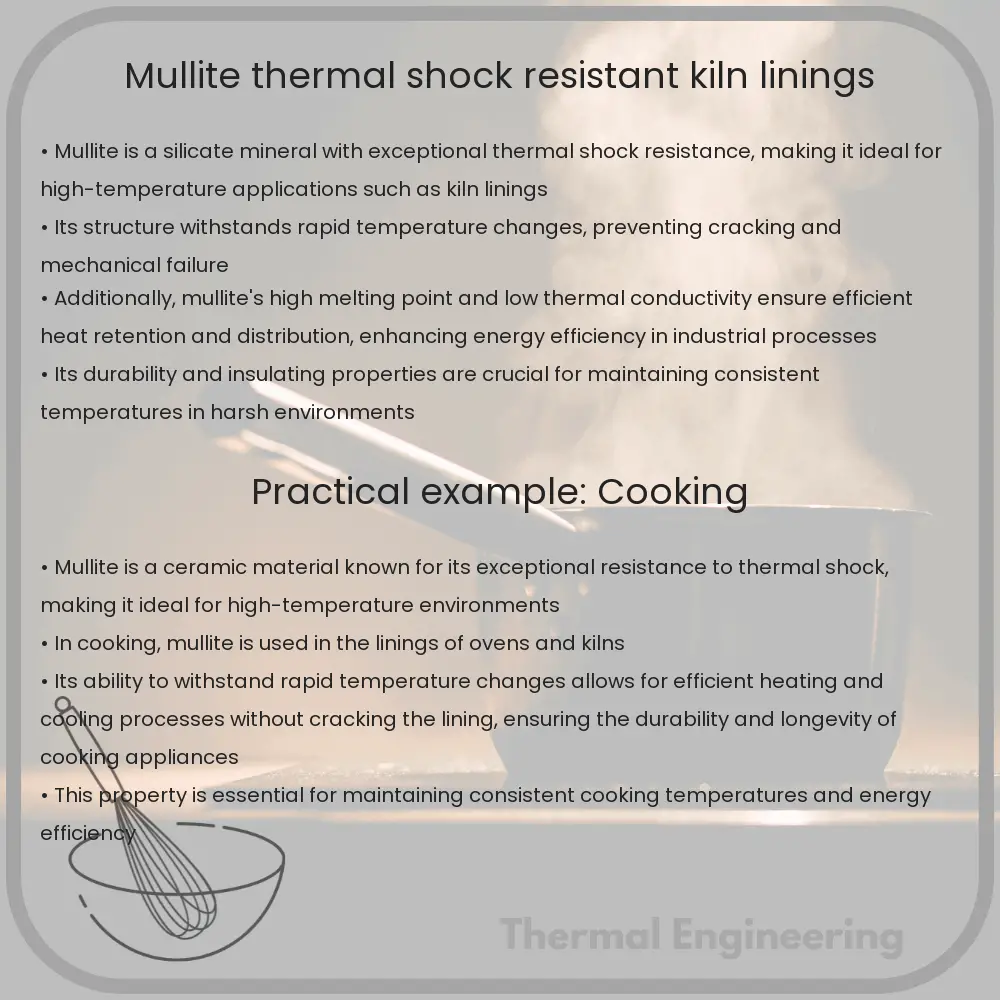
Mullite, or 3Al2O3∙2SiO2, is an incredibly significant ceramic material, renowned for its resistance to high temperatures and thermal shocks. This material is primarily used in environments where mechanical, thermal, and chemical stability is essential under high temperatures. Understanding the properties and applications of mullite can provide insights into its critical role in modern engineering and industrial processes.

Properties of Mullite

Mullite is a rare silicate mineral with a needle-like crystal structure that contributes to its remarkable properties. It possesses a unique combination of low thermal expansion, high melting point, and excellent mechanical strength, which makes it an ideal candidate for various demanding applications. The key properties of mullite include:

  • High Melting Point: Mullite has a melting point of approximately 1850°C (3362°F), which allows it to maintain stability under high-temperature conditions.
  • Low Thermal Conductivity: Its low thermal conductivity minimizes heat loss, making it an efficient material for thermal insulation.
  • Excellent Thermal Shock Resistance: Mullite’s ability to withstand rapid temperature changes without cracking is perhaps its most notable characteristic. This is crucial in applications such as kiln linings where frequent temperature fluctuations occur.
  • Chemical Resistance: Mullite is also chemically stable and resistant to corrosion by most acids and alkalis, increasing its durability and lifespan in hostile environments.
  • Good Mechanical Strength: It maintains structural integrity under stress, contributing to its reliability in structural applications.

Applications of Mullite in Engineering

Mullite’s impressive properties make it highly valued in various engineering sectors. Some of the primary applications include:

  • Kiln Linings: Mullite is extensively used in the linings of kilns and furnaces. Its thermal shock resistance is crucial in this application, as it helps prevent cracking caused by rapid temperature changes.
  • Thermal Barrier Coatings: In aerospace engineering, mullite is used in thermal barrier coatings on turbine blades in jet engines. These coatings protect the metal blades from the extreme heat generated during operation.
  • Refractory Materials: The high melting point and strength of mullite make it an ideal component in refractory materials used in metal casting, glass manufacturing, and ceramics production.

Conclusion

Mullite’s combination of thermal, mechanical, and chemical stability makes it an indispensable material in fields requiring high-temperature resilience. From improving the efficiency and longevity of kilns to protecting jet engine turbine blades, mullite’s role in advancing industrial and engineering solutions is undeniable. As technological demands evolve, the versatile applications of mullite are likely to expand, further emphasizing its importance in modern engineering.

Whether for educational purposes or practical applications, a deeper understanding of materials like mullite can significantly enhance the capabilities and durability of engineering designs and solutions. Therefore, promoting further research and exploration of this robust material could lead to even more innovative uses in the future.

Stainless Steel Fibers | Heat Resistance, Concrete Reinforcement

Learn about stainless steel fibers, their heat resistance, applications in high-temperature environments, and benefits in concrete reinforcement.

Stainless Steel Fibers | Heat Resistance, Concrete Reinforcement

Understanding Stainless Steel Fibers

Stainless steel fibers are a versatile material frequently used in various engineering and industrial applications, primarily for their high heat resistance and structural reinforcement properties. These fibers are made from stainless steel, an alloy primarily composed of iron, carbon, and a minimum of 10.5% chromium, which provides considerable resistance to oxidation and corrosion.

Heat Resistance of Stainless Steel Fibers

One of the standout properties of stainless steel fibers is their ability to resist high temperatures. This quality makes them particularly useful in applications where materials are required to maintain strength and integrity under sustained heat exposure. The chromium content in stainless steel forms a passive layer of chromium oxide on the surface, which effectively protects the material from heat and oxidation.

Applications in High-Temperature Environments

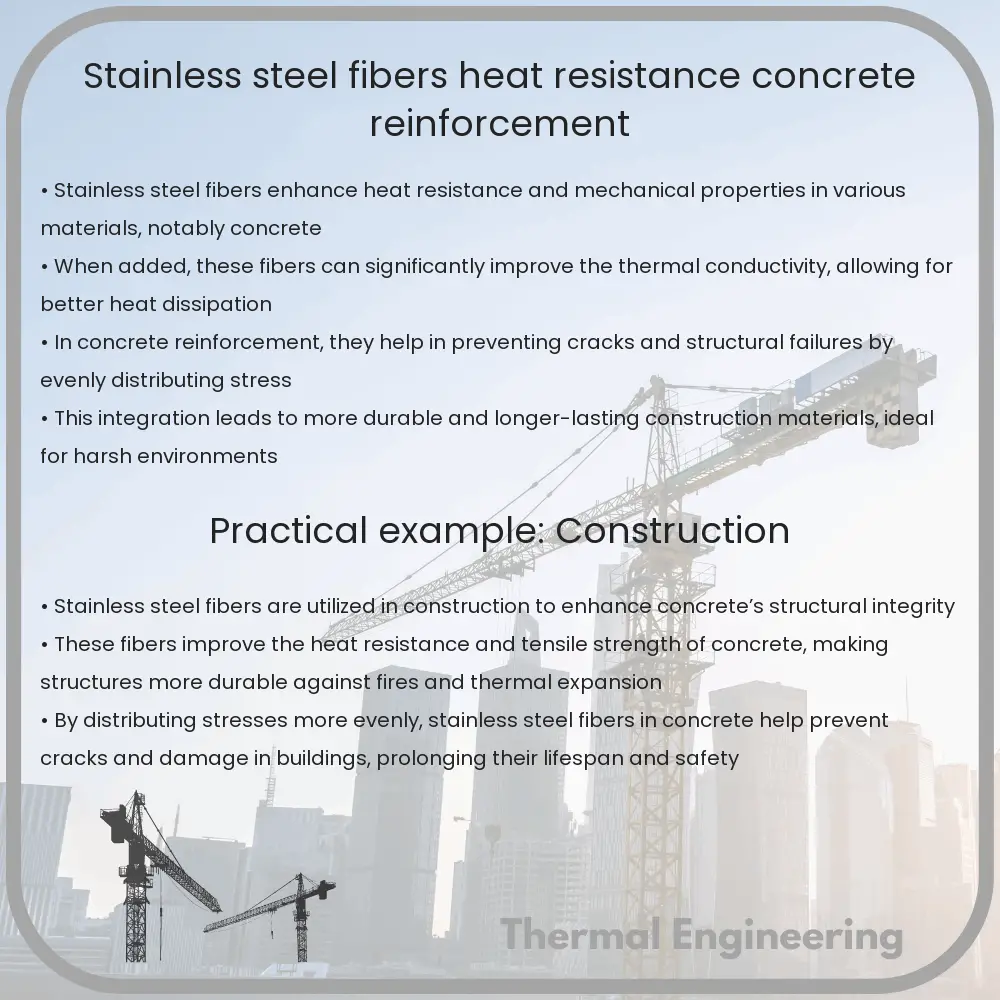
  • Fireproofing: Stainless steel fibers are added to materials like concrete to enhance their fire-resistance properties. This combination is used in building constructions, offering additional safety in fire-prone scenarios.
  • Refractory materials: Frequently used in furnaces, kilns, and reactors, stainless steel fibers reinforce refractories against high thermal cycles, improving thermal shock resistance and mechanical stability.

Concrete Reinforcement

In the realm of civil engineering, the integration of stainless steel fibers into concrete—known as fiber-reinforced concrete—leads to significantly enhanced material properties. This composite material is more durable and exhibits improved crack resistance under both mechanical and thermal stresses.

Benefits of Stainless Steel Fibers in Concrete

  • Increased tensile strength: Distributing stainless steel fibers throughout the concrete enhances its tensile and flexural strength, resisting cracking and fragmentation.
  • Improved ductility: The inclusion of fibers helps maintain the structural integrity of concrete under deformation, adding to its ductility and toughness.
  • Better crack control: High ductility and tensile strength contribute to more effective distribution and control of cracks within the concrete structure.

Common Configurations and Size

The effectiveness of stainless steel fibers in concrete depends on their length, diameter, aspect ratio (length to diameter ratio), and volume fraction used in the composite. Common diameters of stainless steel fibers used in concrete reinforcement range from 0.25 to 0.75 mm, with aspect ratios usually between 30 and 100. The choice of size and ratio depends significantly on the specific structural requirements and the balance between cost and performance efficacy.

Environmental and Cost Considerations

While stainless steel fibers improve the structural characteristics of concrete, they also pose challenges, including higher material costs and environmental impact associated with steel production. However, the long-term durability and maintenance reduction can offset these initial drawbacks, presenting a cost-effective solution in many scenarios.

Conclusion

Stainless steel fibers are an integral component of modern engineering materials, offering significant advantages in terms of heat resistance and structural reinforcement, especially in concrete applications. Their deployment in various industries demonstrates the balance between innovation and practical performance improvements, underlining their importance in contemporary engineering solutions.

Cenospheres | Lightweight, Thermal Insulation, Fillers

Learn about cenospheres, the lightweight, hollow byproducts of coal combustion, used widely in engineering and industrial applications.

Cenospheres | Lightweight, Thermal Insulation, Fillers

Understanding Cenospheres: Composition, Uses, and Benefits

Cenospheres are fascinating byproducts of coal combustion in thermal power plants. These hollow, lightweight spheres comprised primarily of silica and alumina are embedded in the fly ash generated during coal burning. They bring beneficial properties to numerous engineering and industrial applications, most notably as fillers in lightweight concrete, insulation materials, and automotive components.

Composition and Formation

The typical composition of cenospheres makes them a unique component in materials engineering. Mostly consisting of silica (SiO2) and alumina (Al2O3), these elements give cenospheres high strength-to-weight ratios and thermal resistance. During the combustion of coal, the intense heat melts minerals into a molten state. As the temperature cools, gases form within these droplets, pushing outward to create spherical shells that then harden into cenospheres.

Applications of Cenospheres

  • Lightweight Aggregate: Due to their low density, cenospheres are widely used as a lightweight filler in concrete, plaster, and other composite materials, effectively reducing the overall weight of construction products.
  • Thermal Insulation: With natural thermal insulation properties, cenospheres enhance the heat resistance of anything from building materials to automotive parts. This makes structures more energy-efficient by reducing the need for additional cooling or heating.
  • Reduction of Shrinkage and Cracking: The incorporation of cenospheres in cement and resins helps to reduce shrinkage and cracking during setting, thereby improving the durability of the finished products.
  • Automotive Industries: Cenospheres are utilized in manufacturing tires and engine parts due to their ability to withstand high temperatures and stresses, along with reducing the weight of the components.

Benefits of Using Cenospheres

Integrating cenospheres into materials provides several environmental and cost-effective advantages:

  1. Reduced Material Costs: As cenospheres are a by-product of coal burning, they are relatively inexpensive to harvest and utilize, thus reducing the overall cost of materials.
  2. Environmental Impact: Utilizing cenospheres as fillers helps in waste management of fly ash, thereby contributing to environmental sustainability by reducing landfill disposal.
  3. Enhanced Properties: Cenospheres enhance various physical properties of materials, including reduced density, improved insulation, and increased resistance to heat and chemicals.

In conclusion, cenospheres are a prime example of how a by-product can be re-purposed to deliver a wide range of benefits in construction, manufacturing, and other industries. Their unique properties of being lightweight, thermally insulative, and environmentally beneficial make them an attractive choice for many applications.

Thermal Conductive Adhesives | Electronic Applications, Heat Dissipation

Learn about thermal conductive adhesives: substances that enhance thermal conductivity in electronics by aiding in heat dissipation while providing mechanical bonding.

Thermal Conductive Adhesives | Electronic Applications, Heat Dissipation

Introduction to Thermal Conductive Adhesives

Thermal conductive adhesives are crucial in modern electronics, providing both mechanical bonding and thermal management. They facilitate effective heat dissipation from components like processors, LEDs, and power converters, helping maintain operational temperature, enhance performance, and extend device longevity. This article explores the role and importance of thermal conductive adhesives in electronic applications.

What Are Thermal Conductive Adhesives?

Thermal conductive adhesives are substances that feature enhanced thermal conductivity. They are designed to adhere components together while ensuring a robust pathway for heat transfer. These adhesives are typically made from a base matrix of polymer like epoxy or silicone, filled with thermally conductive materials such as silver, aluminum oxide, or boron nitride. By combining mechanical support with efficient heat conduction, they are an ideal solution in electronic and electrical systems where space is limited and airflow may be restricted.

Types of Thermal Conductive Adhesives

  • Epoxy-Based Adhesives: These are rigid and provide high thermal conductivity and strong mechanical bonds. They are commonly used in high-power applications.
  • Acrylic-Based Adhesives: Typically quicker to cure than epoxies, acrylics offer strong bond strength and flexibility in application.
  • Silicone-Based Adhesives: Known for their flexibility and exemplary performance at high temperatures, these adhesives are preferred in applications involving thermal cycling stress.

Applications in Electronics

Thermal conductive adhesives find a varied range of applications in electronic and electrical systems:

  • LED Lighting: Used to bond heat sinks to LED boards, enhancing heat dispersion and longevity of the LEDs.
  • Computer Components: Critical for attaching heat sinks to CPU, GPU, or other heat generating components, thus safeguarding them from overheating.
  • Power Electronics: Employed to bond components in power converters and inverters, managing the thermal load generated by these high-power devices.

Importance of Heat Dissipation

Effective heat management is essential in electronic devices due to several reasons:

  • Reliability: High temperatures can accelerate the aging and failure of electronic components. Managing heat effectively enhances reliability and lifespan.
  • Performance: Temperature can affect the electrical properties of components, impacting device performance. Maintaining a cooler operational environment helps in preserving optimal performance.
  • Safety: Excessive heat generation can lead to safety issues, including burns or fires. Proper thermal management mitigates these risks.

Conclusion

Thermal conductive adhesives are pivotal in modern electronics, addressing the dual requirements of mechanical bonding and thermal management. By efficiently removing heat from components, these adhesives contribute significantly to the reliability, performance, and safety of electrical devices. As electronics continue to advance, the development of more sophisticated thermal conductive adhesive technologies will correspondingly evolve to meet these critical needs.

Polybenzimidazole (PBI) | High Thermal Stability, Firefighting Gear

Learn about Polybenzimidazole (PBI), a synthetic polymer notable for exceptional heat resistance and stability, ideal for high-temperature applications.

Polybenzimidazole (PBI) | High Thermal Stability, Firefighting Gear

Understanding Polybenzimidazole (PBI): Composition and High Thermal Stability

Polybenzimidazole (PBI) is an exceptionally heat-resistant, synthetic polymer that’s widely recognized for its remarkable thermal and chemical stability. It was initially developed by the U.S. Air Force and the Celanese Corporation in the early 1960s. PBI is distinguished by its benzimidazole ring structures integrated into its main polymer chain, which confer resilience at very high temperatures.

Chemical Structure and Properties

The molecular backbone of PBI consists of recurring units containing imidazole rings fused with benzene rings. This robust structure contributes to its superior thermal stability, making it resistant to degradation up to temperatures of 760°C. PBI is inherently flame resistant and does not ignite or melt, which is why it offers excellent performance in extreme heating conditions.

Applications in Firefighting Gear

Dedicated to the safety of individuals exposed to extreme heat, PBI fiber and fabric are critical components in protective gear, especially for firefighters. Here are the various applications:

  • Firefighting Suits: The primary use of PBI in firefighting suits involves combating high temperatures and fire hazards. Suits made of PBI fabric offer not just resistance to flames but also provide good mechanical strength. This helps in protecting the firefighters not just from the flames but also from tears and abrasions while they navigate through rough and hazardous environments.
  • Hoods and Gloves: In addition to suits, PBI fabrics are used in making hoods and gloves for firefighters. These additional components of the firefighting gear ensemble ensure comprehensive protection, shielding nearly every part of the body.
  • Boots: PBI is also a material in the boots worn by firefighters which adds an extra layer of thermal protection and durability, vital for walking through fire and debris.

Advantages of PBI in Protective Clothing

The prominence of PBI in safety gear can be attributed to several unique characteristics:

  1. Non-flammable Nature: As a material that neither ignites nor melts, PBI provides reliable protection in environments exposed to flames.
  2. Thermal Stability: PBI retains its integrity under extreme temperatures, which is essential for firefighting where exposure to high heat is frequent.
  3. Chemical Resistance: Resistance to chemicals is another advantage, ensuring that the material does not deteriorate in hazardous environments filled with potentially corrosive substances.
  4. Durability: The physical strength of PBI ensures that it holds up under physical stress and does not wear down easily, making it cost-effective over time due to less frequent replacements.

Conclusion

Polybenzimidazole (PBI) stands out in the world of engineering materials due to its remarkable properties tailored for high heat and hostile environments. It is a premier choice for protective gear, particularly in firefighting applications, due to its unparalleled non-flammability, thermal stability, and chemical resistance. As advancements continue in material sciences, the applications of PBI are likely to expand, further securing its role as a critical material in safety and protection technologies.

Magnesium Silicate | High Temp Insulation, Fireproofing

Learn about magnesium silicate’s role in high-temperature insulation and fireproofing, including its composition, properties, and applications.

Magnesium Silicate | High Temp Insulation, Fireproofing

Understanding Magnesium Silicate in High-Temperature Insulation and Fireproofing

Magnesium silicate, with its remarkable properties, plays an essential role in the field of high-temperature insulation and fireproofing. This inorganic compound is widely used in various industrial applications due to its thermal resistance, durability, and fireproof characteristics.

Composition and Properties of Magnesium Silicate

Magnesium silicate, often referred to by its mineral name, talc, is composed of magnesium, silicon, and oxygen, with a chemical formula of Mg3Si4O10(OH)2. This composition contributes to its unique set of properties such as low electrical conductivity and high thermal resistance, which make it an excellent candidate for use in high-temperature insulation and fireproofing applications.

Applications in High-Temperature Insulation

Magnesium silicate is extensively used in high-temperature insulation materials. Here are some primary applications:

  • Industrial Furnaces: It serves as an insulation layer inside industrial furnaces, capable of withstanding temperatures exceeding 1000°C.
  • Piping and Ductwork: Applied around pipes and ducts, it effectively reduces thermal transfer, helping maintain optimal operating temperatures and energy efficiency.

Fireproofing Capabilities

The inherent fire resistance of magnesium silicate makes it a vital material in fireproofing. Its non-combustible nature enables it to act as a protective barrier, preventing the spread of fire and providing crucial time for emergency response. This property is utilized in:

  1. Structural Steel Coatings: Applying magnesium silicate to structural steel can significantly increase the fire resistance of building frames, essential for maintaining structural integrity during a fire.
  2. Fire Doors and Panels: It is a key component in the manufacture of fire-resistant doors, panels, and partitions, enhancing the fire safety of buildings.

Environmental and Health Considerations

While magnesium silicate offers many benefits, it is also important to consider its environmental and health impacts. Talc, which contains magnesium silicate, can sometimes contain asbestos fibers, which are hazardous to human health. However, the industrial-grade talc used in fireproofing and insulation is typically asbestos-free, adhering to strict regulatory standards to ensure it does not pose a health risk.

Conclusion

Magnesium silicate’s resistance to high temperatures and its fireproofing capabilities make it a crucial material in industrial and safety applications. Despite potential health concerns, properly processed and applied magnesium silicate provides effective and reliable solutions in demanding environments. By understanding and harnessing its properties, engineers and safety professionals can improve the safety and efficiency of their projects significantly.