Facebook Instagram Youtube Twitter

Silver | Superior Thermal & Electrical Conductivity

Learn how silver’s unrivaled thermal and electrical conductivity make it a key player in engineering and technology applications.

Silver | Superior Thermal & Electrical Conductivity

Silver: Champion of Thermal & Electrical Conductivity

Silver, a lustrous white metal, renowned for its beauty and practical utility, holds the crown for the highest thermal and electrical conductivity of all metals. This makes it an essential material in various engineering applications, from electronics to thermal engineering.

Understanding Electrical Conductivity

Electrical conductivity is a measure of a material’s ability to conduct an electric current. Silver excels in this aspect due to its atomic structure, which allows electrons to move freely across its surface. The electrical conductivity of silver is impressively high, calculated at approximately 63 x 106 S/m (siemens per meter) at 20°C. This value sets it as a benchmark against which other conductors are often compared. For instance, copper, widely used for electrical applications, has a conductivity of about 58 x 106 S/m, slightly lower than silver.

Thermal Conductivity Explained

Thermal conductivity refers to the ability of a material to conduct heat. Silver also stands out in this domain, offering a thermal conductivity of around 429 W/(m·K) (watts per meter Kelvin) at room temperature. This superior thermal conductivity makes silver an ideal material for uses in areas where high heat transfer is required, such as in heatsinks, radiators, and other cooling devices in electronic and electrical components.

Applications of Silver in Engineering

  • Electronics: Due to its excellent electrical conductivity, silver is often used in high-quality connectors, switches, and contacts in electronics. Its superior performance ensures minimal voltage drop and lower energy losses in circuits.
  • Solar Panels: Silver-based pastes are used in photovoltaic cells for collecting and transporting electrons generated by solar energy, enhancing the efficiency of solar panels.
  • Thermal Management: The high thermal conductivity of silver makes it suitable for applications in thermal management systems used in high-performance electronics, where efficient heat dissipation is crucial.

Why Isn’t Silver Used More Widely?

Despite its outstanding properties, the use of silver is often limited by its cost and availability. Silver is more expensive and less abundant than other metals like copper, which is why copper is more commonly used in electrical applications despite its slightly lower conductivity.

The Future of Silver in Engineering

The unique properties of silver ensure that it will continue to be valuable in specialized applications where performance cannot be compromised. Ongoing research in materials science may also lead to more cost-effective ways to use silver or enhance its properties, further expanding its role in engineering innovations.

Clearly, silver’s superior thermal and electrical conductivity make it an exceptional material in fields where high efficiency and reliability are paramount. It’s a fascinating example of how the intrinsic properties of elements can be utilized to solve complex engineering challenges.
Boron Nitride | High Thermal Conductivity, Electrical Insulator

Explore the versatile properties of Boron Nitride (BN), a high-performance ceramic with superb thermal conductivity and electrical insulation.

Boron Nitride | High Thermal Conductivity, Electrical Insulator

The Remarkable Properties of Boron Nitride

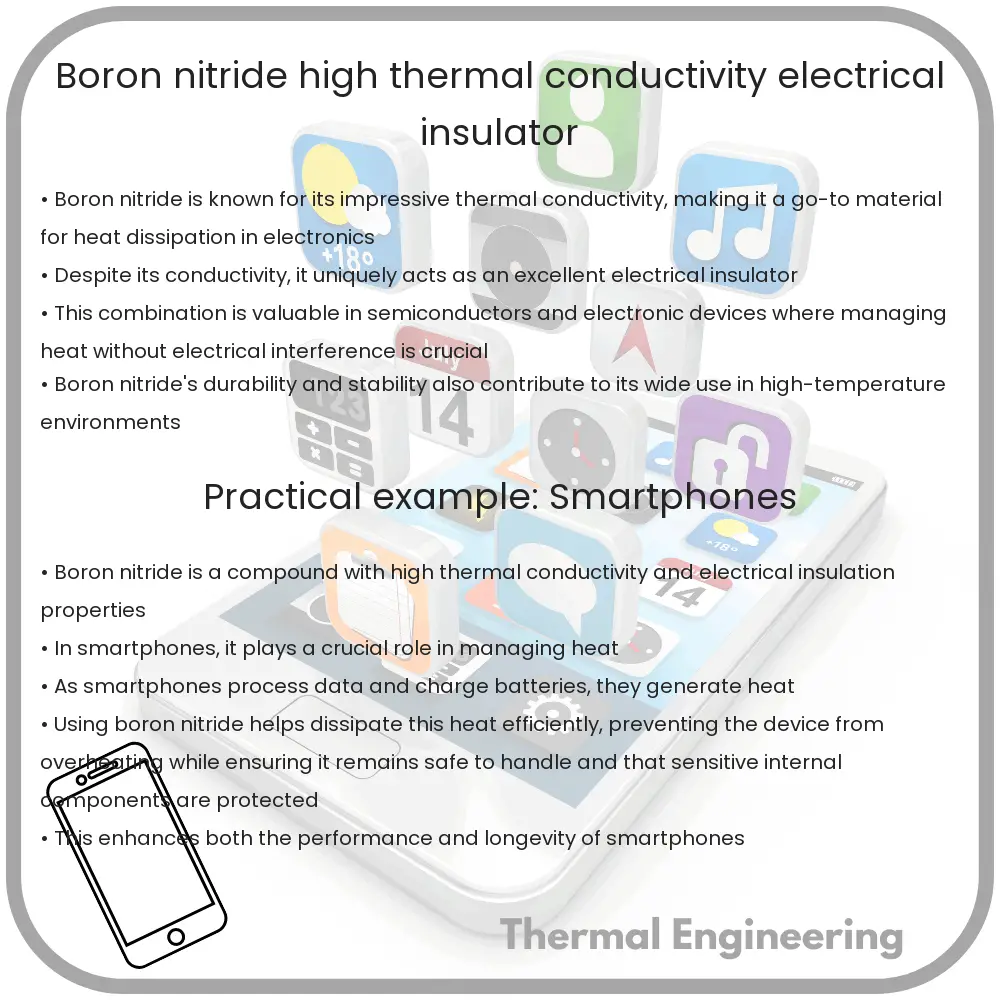
Boron nitride (BN) is an advanced ceramic material that offers a unique combination of chemical, mechanical, and thermal properties. It is structurally similar to carbon, sharing the same types of lattice structures including hexagonal and cubic forms, akin to graphite and diamond, respectively. One of the key characteristics of boron nitride is its high thermal conductivity combined with excellent electrical insulating properties. This makes boron nitride an invaluable material in various high-performance applications.

High Thermal Conductivity

Thermal conductivity is a measure of a material’s ability to conduct heat. Boron nitride is notable for its high thermal conductivity, particularly in its cubic form, which is often compared to diamond in terms of thermal efficiency. The hexagonal form (h-BN), resembling graphite, also exhibits very good thermal conductivity, far superior to most insulating materials. This property is extremely beneficial for applications that require rapid heat dissipation, such as in heat sinks, power electronics, and high-temperature equipment.

  • Hexagonal Boron Nitride (h-BN): Typically shows thermal conductivities in the range of 20-600 W/mK, depending on purity and orientation.
  • Cubic Boron Nitride (c-BN): Boasts one of the highest thermal conductivities of all materials, up to 1300 W/mK, rivaling synthetic diamond.

Electrical Insulator

Despite its high thermal conductivity, boron nitride is an excellent electrical insulator. This property makes it particularly valuable in the electronics industry, where it is essential to manage heat without conducting electricity. In semiconductor devices, h-BN can be used as a dielectric layer or as a substrate to ensure effective insulation between electrically active parts while facilitating heat dissipation.

  • Breakdown Voltage: Boron nitride exhibits a high electrical breakdown voltage, typically over 500 V/mil.
  • Dielectric Strength: It has a very high dielectric strength, around 50-700 kV/mm, making it an ideal choice for high-power applications.

Applications of Boron Nitride

The unique properties of boron nitride have led to its use in a variety of demanding applications:

  1. Electronics: As an insulating layer in transistors, ICs, and for heat dissipation in power electronics.
  2. High-Temperature Equipment: Used in components that must resist thermal shock and maintain integrity under high thermal stress.
  3. Industrial Coatings: Applied as a protective coating due to its resistance to heat and chemical corrosion.

Conclusion

Boron nitride’s combination of high thermal conductivity with great electrical insulation capabilities makes it an attractive material for the future of high-performance materials. Its versatile applications highlight its importance in advancing current technologies, opening avenues for new innovations in electronics, aerospace, and beyond.

Understanding and harnessing the potential of boron nitride will continue to be a critical area of research as technologies evolve and demands for more efficient thermal management and insulation solutions grow.

Ceramic Fibers | High Temperature Insulation, Fireproofing

Learn about ceramic fibers, their composition, properties, and applications in high-temperature insulation and fireproofing.

Ceramic Fibers | High Temperature Insulation, Fireproofing

Understanding Ceramic Fibers: Applications in High-Temperature Insulation and Fireproofing

Ceramic fibers are a type of synthetic vitreous fiber (SVF), used primarily for their outstanding thermal insulation properties and resistance to high temperatures. These fibers are typically composed of alumina, silica, and sometimes other metal oxides. Their remarkable characteristics make them invaluable in a variety of industrial applications, particularly in high-temperature environments.

Composition and Production

The primary components of most ceramic fibers are alumina (Al2O3) and silica (SiO2). These materials are melted together at very high temperatures, usually over 2000°C. The molten material is then spun or blown to form fibers. This process results in fibers that can be both lightweight and low in thermal conductivity, allowing them to function effectively as insulation materials.

Properties of Ceramic Fibers

The key properties of ceramic fibers that make them suitable for high temperature insulation and fireproofing include:

  • Low Thermal Conductivity: Ceramic fibers have low thermal conductivity, which means they are effective at minimizing the transfer of heat. This property is particularly valuable in industries where heat conservation is crucial.
  • High Temperature Stability: These fibers can withstand temperatures ranging from about 650°C up to 1400°C (or higher, depending on the composition), making them suitable for use in furnaces, kilns, and reactors.
  • Low Heat Storage: Ceramic fibers can quickly heat up and cool down due to their low heat storage capacity. This feature helps in improving the energy efficiency of systems in which they are used.
  • Thermal Shock Resistance: They are resistant to thermal shock, meaning they can withstand sudden changes in temperature without suffering damage.
  • Chemical Stability: Generally, ceramic fibers display excellent resistance to chemical attack, especially from most alkalis and acids at high temperatures.

Applications of Ceramic Fibers

Ceramic fibers are utilized in a variety of applications owing to their thermal insulation properties and thermal stability. Some of these applications include:

  1. Refractory Linings: Ceramic fibers are used in the linings of furnaces, kilns, and reactors to provide insulation and improve energy efficiency.
  2. Fire Protection: Given their resistance to high temperatures, ceramic fibers are employed in fireproofing for buildings and fire barriers in airplanes and ships.
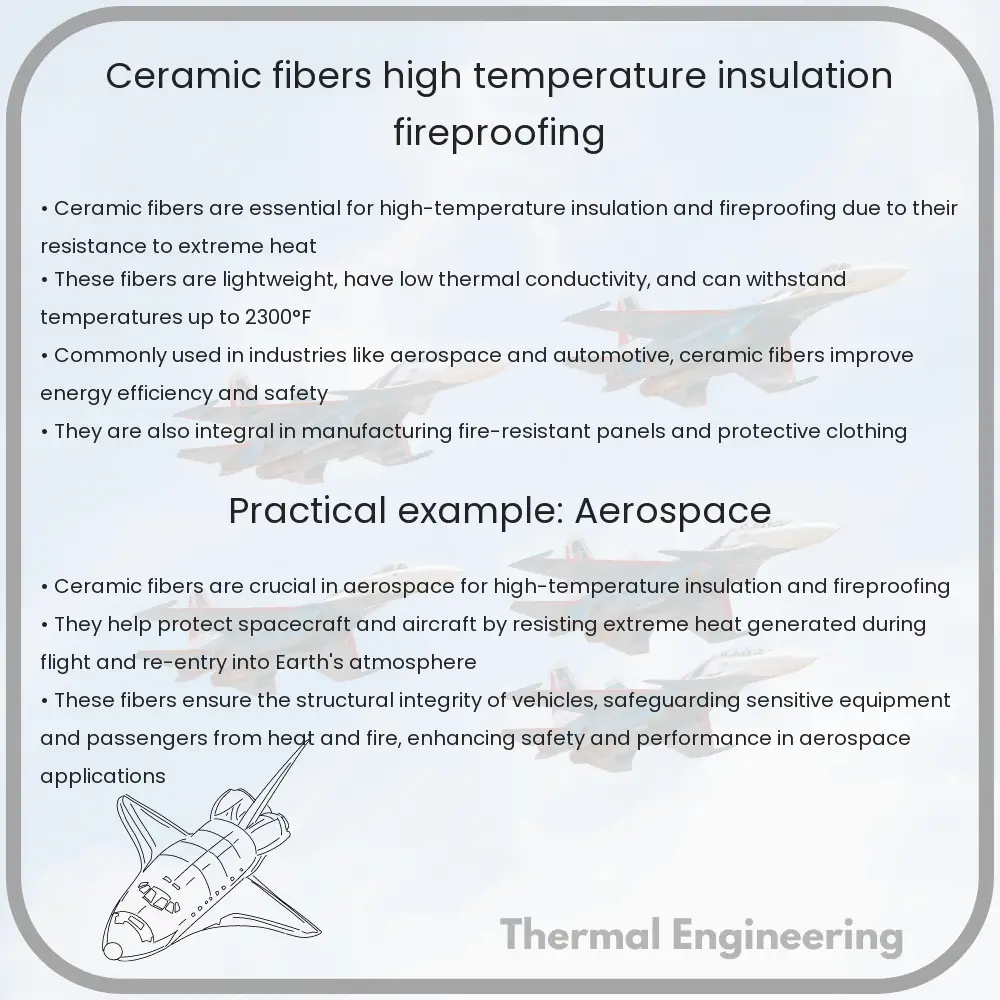
  3. Aerospace Insulation: The aerospace industry uses ceramic fibers for the insulation of spacecraft due to their light weight and ability to withstand the extreme temperatures of space travel.
  4. Automotive Exhaust Systems: Ceramic fibers are also used in the insulation of automotive exhaust systems to reduce heat transfer, thereby protecting components and improving vehicle performance.

Environmental and Health Considerations

While the benefits of using ceramic fibers in various applications are significant, health considerations must be taken into account. Inhalation of ceramic fibers can pose health risks such as respiratory problems. Consequently, appropriate protective measures and handling procedures are recommended during the manufacturing and application processes.

In conclusion, ceramic fibers play a crucial role in many industries where high temperature insulation and fireproofing are required. Their unique properties, including low thermal conductivity and high temperature stability, make them ideal for a broad range of applications. Nonetheless, safety precautions are essential to mitigate any health risks associated with their use.

Thermal Grease | Improved Heat Conduction, CPU Cooling

Learn about thermal grease, its composition, application methods, and importance in CPU cooling for optimal electronic performance.

Thermal Grease | Improved Heat Conduction, CPU Cooling

Understanding Thermal Grease and Its Role in CPU Cooling

Thermal grease, also known as thermal paste, is a critical component in the maintenance of optimal operating temperatures in computer processors and other electronics. This substance fills the microscopic imperfections on the surfaces of the heat sink and the CPU, which are not perfectly flat, to enhance the heat transfer efficiency between the two components.

Composition and Functionality

Thermal grease is typically composed of a matrix of heat-conductive materials, such as metal oxides, nitrides, or silicone compounds, suspended in a viscous or greasy binder. This formulation allows for effective heat transfer from the hotter component (CPU or GPU) to the cooler component (heat sink), which then dissipates the heat into the surrounding environment through radiation, convection, or conduction.

Application Techniques

The correct application of thermal grease is crucial for its effective performance. Here are common methods used:

  1. Dot Method: A small pea-sized dot of paste is placed in the center of the CPU, and the pressure from the heat sink spreads the paste.
  2. Line Method: A thin line of paste is applied across the CPU surface, which works well for CPUs with multiple cores lined up in a row.
  3. Spread Method: Thermal paste is manually spread in a thin layer over the chip surface using a tool, ensuring even coverage before the heat sink is applied. This method requires caution to avoid air bubbles, which can inhibit thermal conductivity.

Importance of Reapplication

Over time, thermal grease can dry out, lose its thermal conductivity or become contaminated with dust and debris. It is recommended to reapply thermal paste every few years to maintain optimal thermal performance and protect the CPU from overheating, potentially prolonging the life of your computer hardware.

Choosing the Right Thermal Grease

When selecting thermal grease, consider the following factors:

  • Thermal Conductivity: This is measured in watts per meter-Kelvin (W/m*K). Higher conductivity ratings generally provide better heat transfer.
  • Viscosity: Thicker pastes might be more difficult to spread but can fill larger gaps. However, too thick a paste can hinder the close contact necessary between the CPU and heat sink.
  • Electrical Conductivity: Non-conductive pastes are safer to use as they prevent electrical shorts if accidentally spread beyond the intended area.
  • Longevity: Some pastes are designed to last longer without drying out, making them more suitable for applications where frequent maintenance is difficult.

Conclusion

In summary, thermal grease plays a pivotal role in system cooling by facilitating enhanced heat transfer between the CPU and the heat sink. Proper application and periodic replacement of thermal grease can significantly improve the performance and lifespan of electronic components. Selecting the right type of thermal grease, based on its thermal conductivity, composition, and other properties, can further optimize the cooling effectiveness in different computing environments.

Diamond | High Thermal Conductivity, Electronic Uses

Explore the properties and uses of diamond in thermal conductivity and electronics, highlighting its role in advanced applications.

Diamond | High Thermal Conductivity, Electronic Uses

Diamond: A Marvel in Thermal Conductivity and Electronic Applications

Diamond, a crystalline form of carbon, is not only renowned for its aesthetic appeal as a gemstone but also holds exceptional scientific interest due to its remarkable physical properties. Among these properties, diamond’s high thermal conductivity and potential uses in electronic devices stand out, making it a focal point in materials science and engineering research.

Understanding Thermal Conductivity in Diamond

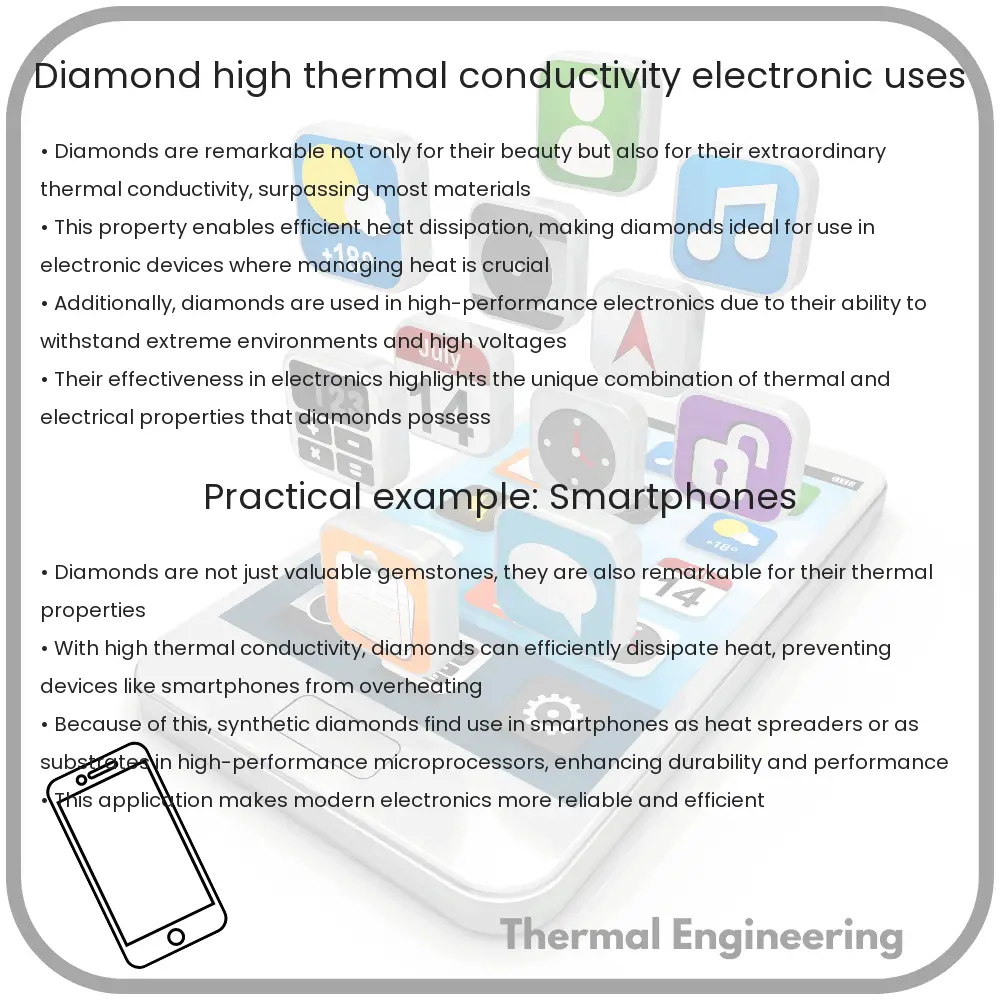
Thermal conductivity is a measure of a material’s ability to conduct heat. Diamond exhibits the highest thermal conductivity of all known materials, reaching up to 2000 W/mK at room temperature. This extraordinary characteristic is primarily due to the strong covalent bonding between carbon atoms in the diamond lattice and the stiff lattice structure itself, which allows for rapid and efficient transfer of vibrational energy (heat) through the crystal.

  • Strong Covalent Bonds: Each carbon atom in diamond is tetrahedrally bonded to four other carbon atoms, creating a robust and rigid three-dimensional network.
  • Stiff Lattice Structure: The tight bonding arranges the atoms in a way that minimizes disruptions in the lattice, facilitating a smooth path for phonons (quantized modes of vibration) responsible for heat transfer.
  • High Debye Temperature: Diamond’s high Debye temperature (approximately 2200 K) further enhances its ability to conduct heat, keeping phonon scattering at a minimum at room temperature.

Due to its superior thermal conductivity, diamond is highly sought after in applications where heat management is critical, such as in heat sinks and thermal spreaders used in electronic devices, lasers, and high-power transistors.

Diamond in Electronic Uses

Aside from its thermal attributes, diamond’s electronic properties are also of significant interest, particularly its wide bandgap, high breakdown voltage, high carrier mobilities, and resistance to radiation. These properties make diamond an ideal candidate for a variety of electronic applications:

  • Wide Bandgap Semiconductor: Diamond has a bandgap of about 5.5 eV, making it capable of operating at much higher temperatures and power levels than silicon-based devices.
  • High Breakdown Voltage: The material’s ability to withstand high voltages without breaking down makes it suitable for power devices used in high-voltage applications.
  • Radiation Hardness: Diamond’s robust structure withstands radiation, a valuable characteristic for electronic devices used in space exploration, nuclear environments, and medical imaging.

Moreover, synthetic diamond production through processes such as Chemical Vapor Deposition (CVD) and High Pressure High Temperature (HPHT) synthesis has made these applications more accessible. Researchers continue to explore and enhance doping methods to better control the electrical properties of diamond, thus broadening its practical uses in electronics and optoelectronics.

Conclusion

The potent combination of unparalleled thermal conductivity and favorable electronic characteristics makes diamond a standout material in advanced engineering applications. As manufacturing techniques evolve and cost-effective production becomes more achievable, we can anticipate increased utilization of diamond-based solutions in high-tech sectors, driving forward innovations in electronics, aerospace, and beyond.

Carbon Nanotubes | Exceptional Thermal Conductance

The keyword “Carbon Nanotubes” refers to cylindrical nanostructures of carbon atoms with exceptional thermal conductance and strength, used in advanced materials applications.

Carbon Nanotubes | Exceptional Thermal Conductance

Carbon Nanotubes: Pioneers in Thermal Conductance

Carbon nanotubes (CNTs) have garnered significant attention in the realm of materials science due to their exceptional properties, particularly in terms of thermal conductance. This remarkable ability makes them potential candidates for a variety of applications, including the enhancement of thermal management systems in electronics and other high-performance materials. In this article, we explore why CNTs exhibit such high levels of thermal conductance and how this feature sets them apart in the engineering world.

Structure of Carbon Nanotubes

Before delving into the thermal properties of CNTs, it is essential to understand their unique structure. Carbon nanotubes are allotropes of carbon, similar to graphite and diamonds, but their molecular arrangement is distinct. They are composed of carbon atoms arranged in a cylindrical nanostructure, categorized mainly into two types: single-walled nanotubes (SWNTs) and multi-walled nanotubes (MWNTs). This cylindrical makeup provides the foundation for their unusual strength and thermal properties.

Thermal Conductance in Carbon Nanotubes

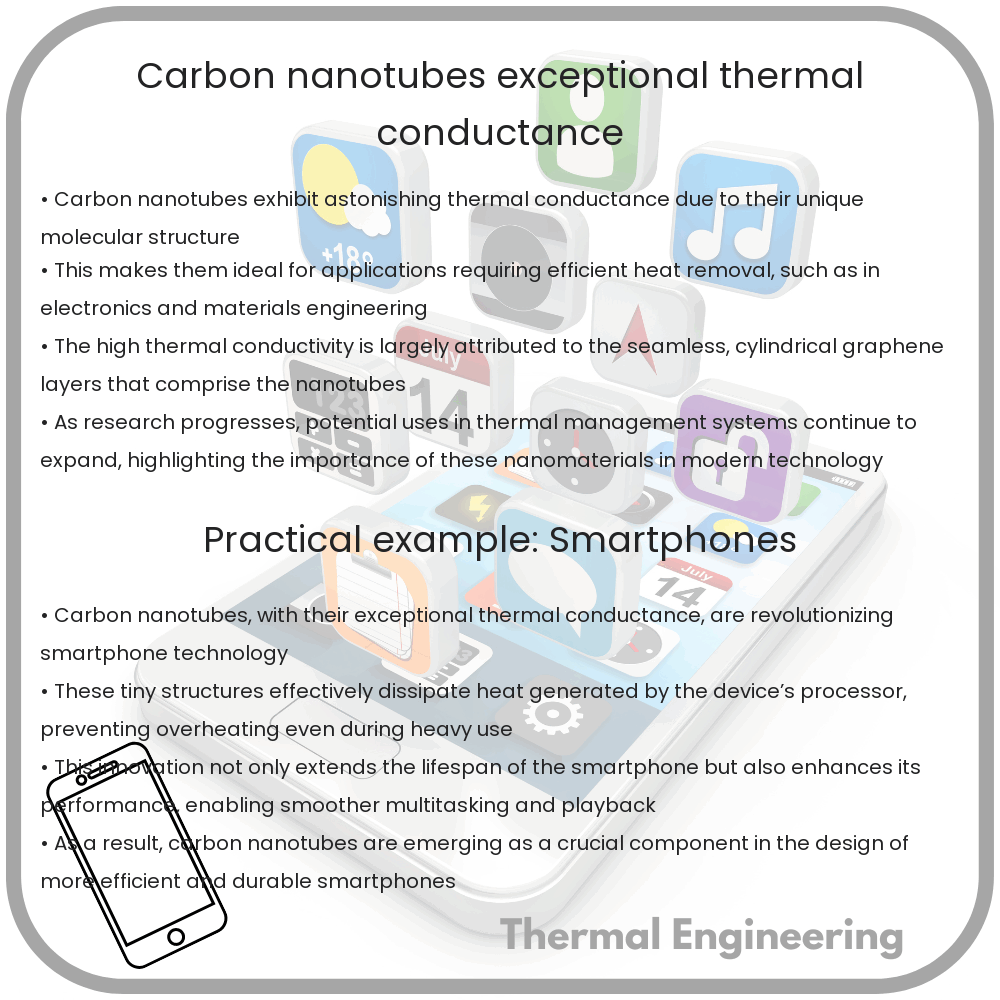
The superior thermal conductance of carbon nanotubes can be attributed primarily to the strong covalent bonds between carbon atoms and the nanotubes’ phonon transport capabilities. Phonons refer to the quanta of sound or a vibrational wave, which play a crucial role in heat transfer in CNTs and other crystalline materials.

Mechanisms of Heat Transfer

Heat transfer in carbon nanotubes occurs primarily through a lattice vibration mechanism known as phonon transport. Unlike metals, where electrons carry heat, in CNTs, phonons are responsible for this transfer. The effectiveness of phonon-based heat transfer is significantly enhanced in CNTs due to their seamless, defect-free structure which allows for ballistic transport of phonons.

  • Ballistic Transport: The phenomenon where phonons propagate without scattering, maintaining a high thermal conductance over larger distances than typical in other materials.
  • Scattering Impacts: In some cases, impurities, defects, or tube-tube junctions in multi-walled nanotubes can cause phonon scattering, which impedes thermal conductance. However, in high-quality single-walled CNTs, this scattering is minimal.

Comparative Analysis with Other Materials

When compared to other materials like copper, which is commonly used for thermal management due to its good conductive properties, carbon nanotubes can exhibit over 10 times the thermal conductance. Specifically, measurements have shown that the thermal conductivity of single-walled carbon nanotubes can exceed 3000 W/(m*K), a stark contrast to copper’s 400 W/(m*K).

Applications of Carbon Nanotubes in Thermal Management

The exceptional thermal conductance of carbon nanotubes opens up new avenues in engineering applications, particularly in the fields of electronics cooling, composite materials, and thermal interface materials. In electronics, CNTs can be used to dissipate heat efficiently, thereby improving the reliability and performance of electronic devices. Additionally, their integration into composite materials can enhance the thermal management properties of the host material without significantly increasing its weight.

Conclusion

The unmatched thermal conductance of carbon nanotubes makes them a revolutionary material in thermal management systems. As research continues to optimize the production and application of CNTs, their full potential can further transform technology, paving the way for more efficient thermal management solutions across various industries.

Phase Change Materials | Thermal Storage, Energy Efficiency

Learn about Phase Change Materials (PCMs), key in thermal storage and enhancing energy efficiency through heat absorption and release.

Phase Change Materials | Thermal Storage, Energy Efficiency

Understanding Phase Change Materials and Their Role in Thermal Storage and Energy Efficiency

Phase Change Materials (PCMs) are substances with a high heat of fusion which, during their transition from one state to another, are able to store and release large amounts of energy. Typically, these transitions occur from solid to liquid and vice versa, making PCMs an integral component in thermal storage systems aimed at improving energy efficiency.

Basic Principles of Phase Change Materials

At its core, a PCM works by absorbing and releasing thermal energy during the process of melting and solidifying. When a PCM melts, it absorbs a substantial amount of heat from its environment; conversely, when it solidifies, it releases this stored heat back into its surroundings. This property of PCMs is primarily utilized in thermal energy storage systems, which play a crucial role in balancing energy demand and supply and increasing energy efficiency.

Types of Phase Change Materials

  • Organic PCMs: These include materials like paraffins and fatty acids. They are characterized by their congruent melting, chemical stability, and little or no supercooling. Paraffin waxes melt at a consistent temperature and are compatible with most building materials, making them popular in building applications.
  • Inorganic PCMs: Common inorganic PCMs include salt hydrates. They generally have higher latent heat storage capacity than organic PCMs and are more cost-effective. However, they can suffer from phase segregation and supercooling.
  • Biobased PCMs: Recently, there has been growing interest in PCMs derived from bio-based sources due to their environmental benefits. These are typically fatty acids obtained from animal or plant sources.

Applications of Phase Change Materials

  1. Building Energy Efficiency: In buildings, PCMs are integrated into walls, floors, and ceilings to help stabilize temperature fluctuations, store excess solar energy during the day and release it at night, thereby reducing reliance on traditional heating and cooling systems.
  2. Solar Energy Storage: PCMs can be used to store excess energy generated by solar panels during the day. This stored energy can then be used at night, enhancing the efficiency of solar energy systems.
  3. Temperature Regulation in Electronics: Due to their ability to manage heat, PCMs are also applied in the thermal management of electronics to protect sensitive components from overheating, thus extending their lifespan and improving performance.

Challenges and Future Directions

Despite their advantages, the application of PCMs faces several challenges. The cost of high-quality PCMs can be prohibitive, and issues like leakage during the phase transition (for low-viscosity PCMs) need to be addressed. Moreover, the integration of PCMs into existing systems poses compatibility and durability challenges.

Future research in PCM technology is likely to focus on improving the materials’ thermal conductivity, developing more robust containers that prevent leakage, and enhancing compatibility with various building materials and systems. Innovations in PCM-enhanced materials, such as microencapsulated PCMs that can be mixed with building materials, are likely to broaden their applicability and efficiency.

In conclusion, Phase Change Materials represent a pivotal technology for thermal storage and energy efficiency. With continued advancements and integration, PCMs have the potential to significantly impact energy usage patterns across various industries, contributing to more sustainable energy solutions.

Heat transfer in particulate suspensions

An insightful exploration of heat transfer in particulate suspensions, revealing the impact of particle properties and fluid dynamics on industrial applications.

Heat transfer in particulate suspensions

Understanding Heat Transfer in Particulate Suspensions

Heat transfer in particulate suspensions is a fascinating topic that combines principles of thermodynamics, fluid dynamics, and particle science. It has significant applications in various industries, including chemical manufacturing, pharmaceuticals, and energy systems. This article breaks down the concept, mechanisms, and factors affecting heat transfer in suspensions of particles in fluids.

What Are Particulate Suspensions?

Particulate suspensions refer to mixtures where small solid particles are dispersed within a liquid or gas. The properties and behavior of these suspensions depend greatly on the interaction between the particles and the surrounding fluid medium.

Mechanisms of Heat Transfer

Heat transfer in particulate suspensions can occur through three principal mechanisms:

  • Conduction: Direct heat transfer between particles and the fluid as they come into contact.
  • Convection: Movement of the fluid causes the transfer of heat, enhancing the overall heat transfer rate.
  • Radiation: Depending on the temperature and properties of the particles, heat can also be transferred through electromagnetic waves.

Each of these mechanisms contributes differently depending on the physical properties of the particulate suspension.

Key Factors Influencing Heat Transfer

The efficiency of heat transfer in particulate suspensions is influenced by several factors:

  1. Particle Size and Distribution: Smaller particles have a higher surface area to volume ratio, which can enhance heat transfer rates.
  2. Fluid Velocity: Higher velocities increase convective heat transfer but may lead to challenges in maintaining stable suspensions.
  3. Particle Material: Thermal conductivity of the particles affects how efficiently they can transfer heat.
  4. Concentration of Particles: Higher concentrations can lead to improved heat transfer but also increase the risk of particle agglomeration and sedimentation.
  5. Temperature Gradient: A larger difference between the temperature of the particles and the fluid can result in more efficient heat transfer.

Mathematical Description of Heat Transfer

The overall heat transfer in particulate suspensions can be approximated using the effective thermal conductivity (\(k_{eff}\)) of the suspension. \(k_{eff}\) can be modeled by considering the individual conductivities of the solid particles and the fluid, along with the volume fraction of the particles \( (\phi) \):

\[ k_{eff} = k_f + \phi (k_s – k_f) \]

Where:

  • \(k_s\) is the thermal conductivity of the solid particles,
  • \(k_f\) is the thermal conductivity of the fluid,

This simple model can be adjusted and improved upon by considering additional factors such as particle shape, random packing structure, and dynamic effects within the fluid.

Applications and Practical Considerations

Effective heat transfer in particulate suspensions is crucial in designing industrial equipment such as heat exchangers, reactors, and thermal storage systems. Understanding the unique characteristics of particulate heat transfer helps engineers optimize processes for better efficiency and safety.

In practice, maintaining the stability of the suspension and preventing issues like particle settling or fouling of equipment are pivotal. Engineers must also consider the erosion or corrosion potential of solid particles in sensitive systems.

By mastering the dynamics of heat transfer in particulate suspensions, industries can enhance system performance, reduce energy consumption, and achieve higher process sustainability.

In conclusion, while the science behind heat transfer in particulate suspensions is complex, its understanding is essential for the effective and efficient design and operation of many engineering systems. Continual research and technological improvements in this area promise even greater advancements and applications in the future.

Pyrolytic Graphite | Anisotropic Heat Spread, High Tech

Learn about pyrolytic graphite, a material known for its high thermal conductivity and unique anisotropic properties.

Pyrolytic Graphite | Anisotropic Heat Spread, High Tech

Understanding Pyrolytic Graphite

Pyrolytic graphite, a synthetic material known for its outstanding thermal conductivity and unique anisotropic properties, stands out in a range of high-tech applications. Created by the chemical vapor deposition of hydrocarbon gases at high temperatures, this material exhibits some of the most extreme anisotropic properties in materials engineering, making it invaluable in fields like electronics, aerospace, and thermodynamic research.

Formation and Structure

Pyrolytic graphite is produced through a process called chemical vapor deposition (CVD). In this process, hydrocarbon gas is decomposed at high temperatures in a vacuum on a substrate, allowing the graphite to be deposited layer by layer. This controlled process results in a material with highly oriented graphite crystals. The structure is what gives pyrolytic graphite its unique properties, including its exceptional anisotropy in thermal and electrical conductivities.

Anisotropic Heat Spread

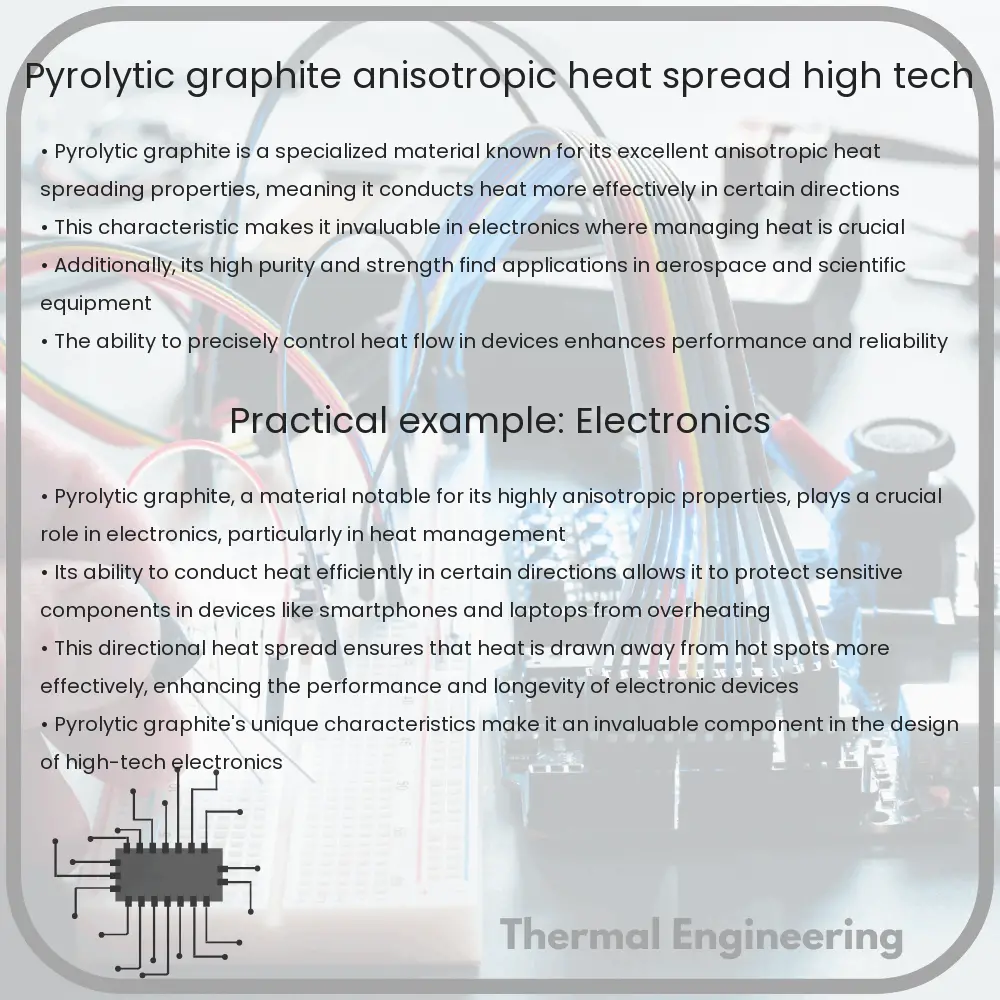
The anisotropic nature of pyrolytic graphite refers to its directional dependency of physical properties. Thermal conductivity in pyrolytic graphite is significantly higher in the plane parallel to the deposition layer (about 1500-2000 W/m*K), compared to its perpendicular direction (about 5-8 W/m*K), making it one of the most effective conductors of heat in-plane and a good insulator out-of-plane.

This distinct thermal behavior can be exploited in applications requiring efficient heat dissipation across a surface, such as in electronic devices where managing heat is crucial for performance and longevity. The high thermal conductivity helps to spread and dissipate heat generated by electronic components quickly and efficiently over the surface of the graphite.

Applications in High-Tech Industries

  • Electronics Cooling: Pyrolytic graphite sheets are used to manage heat in various electronic devices, including smartphones, LEDs, and high-power transistors. Its ability to conduct heat away from hot spots helps in enhancing the performance and durability of these devices.
  • Aerospace: Its high thermal stability and strength-to-weight ratio make pyrolytic graphite an ideal component in spacecraft and satellite structures, where extreme temperature fluctuations are common.
  • Scientific Instruments: Used in equipment such as mass spectrometers and ultra-high vacuum furnaces, pyrolytic graphite’s properties ensure precision and efficiency in environments where thermal stability is required.

Challenges and Future Prospects

Despite its advantages, working with pyrolytic graphite can be challenging due to its brittleness and difficulty in machining. Recent developments, however, focus on composite materials that incorporate pyrolytic graphite to utilize its thermal properties while overcoming its structural limitations.

As technologies evolve, and the need for efficient thermal management continues to grow, pyrolytic graphite will likely play an increasingly important role in future engineering solutions. Research into improving its properties and integrating it with other materials could lead to even broader applications and effectiveness in high-performance spaces.

Indeed, pyrolytic graphite is a material that exemplifies how advancements in materials engineering can drive technology forward, offering solutions that were once thought impossible and opening up new avenues in design and application.

Copper | Excellent Heat Conductor, Electrical Uses

Uncover the unique properties, applications, and environmental benefits of copper in technology and engineering.

Copper | Excellent Heat Conductor, Electrical Uses

The Remarkable Properties of Copper

Copper is a versatile metal with a host of distinctive qualities that make it invaluable in a variety of applications. This reddish-brown element is not only aesthetically pleasing but also boasts outstanding conductivity for heat and electricity, resistance to corrosion, ductility, and malleability. These properties render copper an integral material in fields ranging from electrical engineering to thermal equipment manufacturing.

Why Copper is an Excellent Heat Conductor

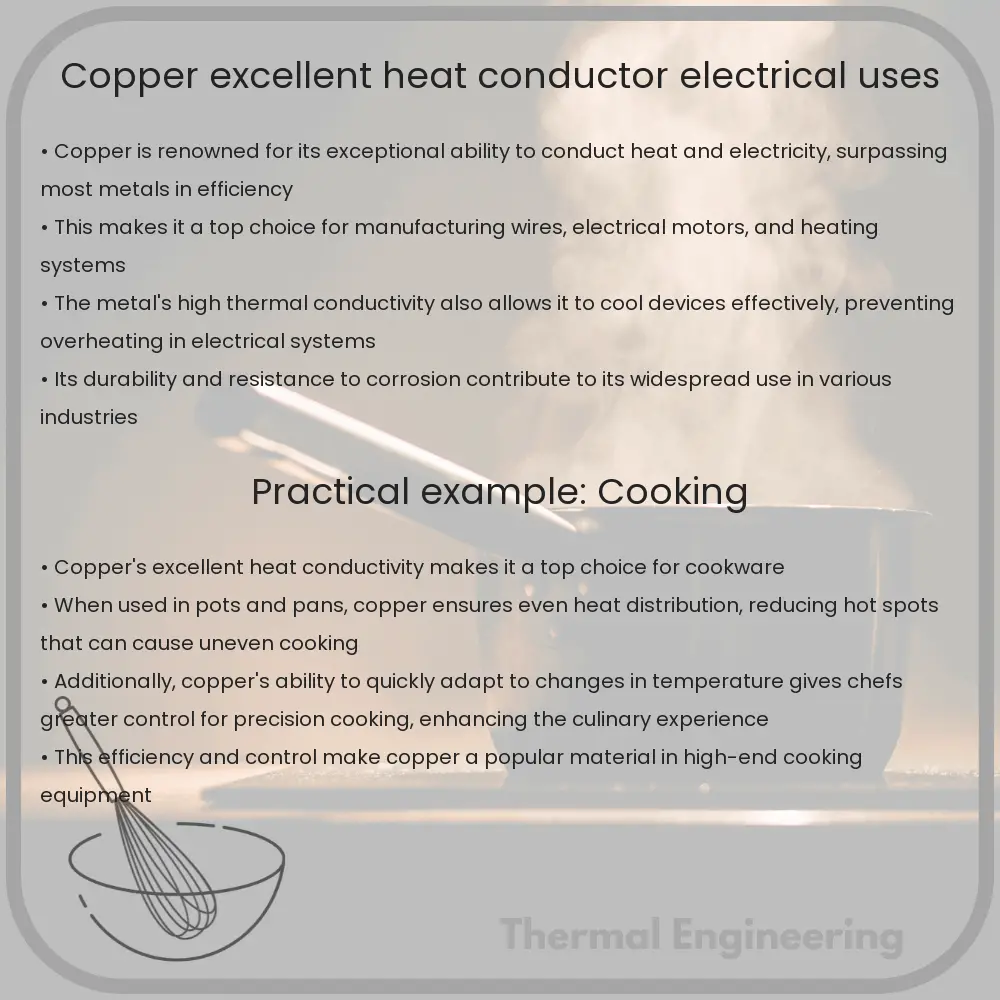
Copper’s ability to conduct heat effectively makes it a primary choice for use in thermal equipment. The thermal conductivity of copper is about 401 W/(m·K) at room temperature, which ranks it second only to silver among pure metals. This means that copper can quickly transfer heat, making it ideal for use in heat sinks, heat exchangers, heating coils, and other applications that require efficient heat distribution.

  • Heating Systems: Copper tubes are used in domestic heating systems due to their high thermal conductivity, which allows heat to be distributed evenly and efficiently throughout a building.
  • Cookware: The excellent heat distribution properties of copper make it a preferred material for cookware such as pots and pans, helping to cook food evenly.

Copper’s Pivotal Role in Electrical Applications

With an electrical conductivity second only to silver, copper is a staple in the electrical industry. Copper’s conductivity is approximately 5.96 x 10⁷ S/m at 20°C. This high conductivity, combined with its ductility and resistance to corrosion, makes copper the material of choice for a wide range of electrical components.

  1. Electrical Wiring: Most household and industrial wiring is made from copper. Its high conductivity ensures that electrical appliances operate efficiently and reliably.
  2. Electromagnets: Due to its excellent electrical properties, copper is often used in the coils of electromagnets, where large amounts of copper wire enable strong magnetic fields to be generated with less energy lost as heat.
  3. Power Generation and Transmission: Copper is crucial in the manufacture of generators, motors, transformers, and the wiring used in power transmission lines. Its ability to conduct electricity with minimal loss is essential for maintaining energy efficiency over long distances.

Advantages of Using Copper Over Other Metals

Choosing copper over less conductive metals can result in increased efficiency, reduced sizes of electronic devices, and improved performance. Furthermore, copper’s resistance to corrosion contributes to longer lifespans for products, reducing replacement costs and waste. Its ability to be easily shaped (malleable) and stretched into wires (ductile) also simplifies the manufacturing process.

Environmental Impact and Sustainability of Copper

Copper is not only highly useful and efficient but also sustainable. It is 100% recyclable without any loss of properties, making it a favorable choice from an environmental perspective. Recycling of copper requires up to 85% less energy than primary production. Worldwide, nearly one-third of copper used comes from recycled sources, significantly reducing the carbon footprint associated with its use.

In conclusion, copper’s excellent conductive properties for heat and electricity, combined with its mechanical attributes and environmental benefits, secure its position as a vital material in engineering and technology.