Learn how thermochromic sensors detect overheating through color change, ensuring safety in various applications.
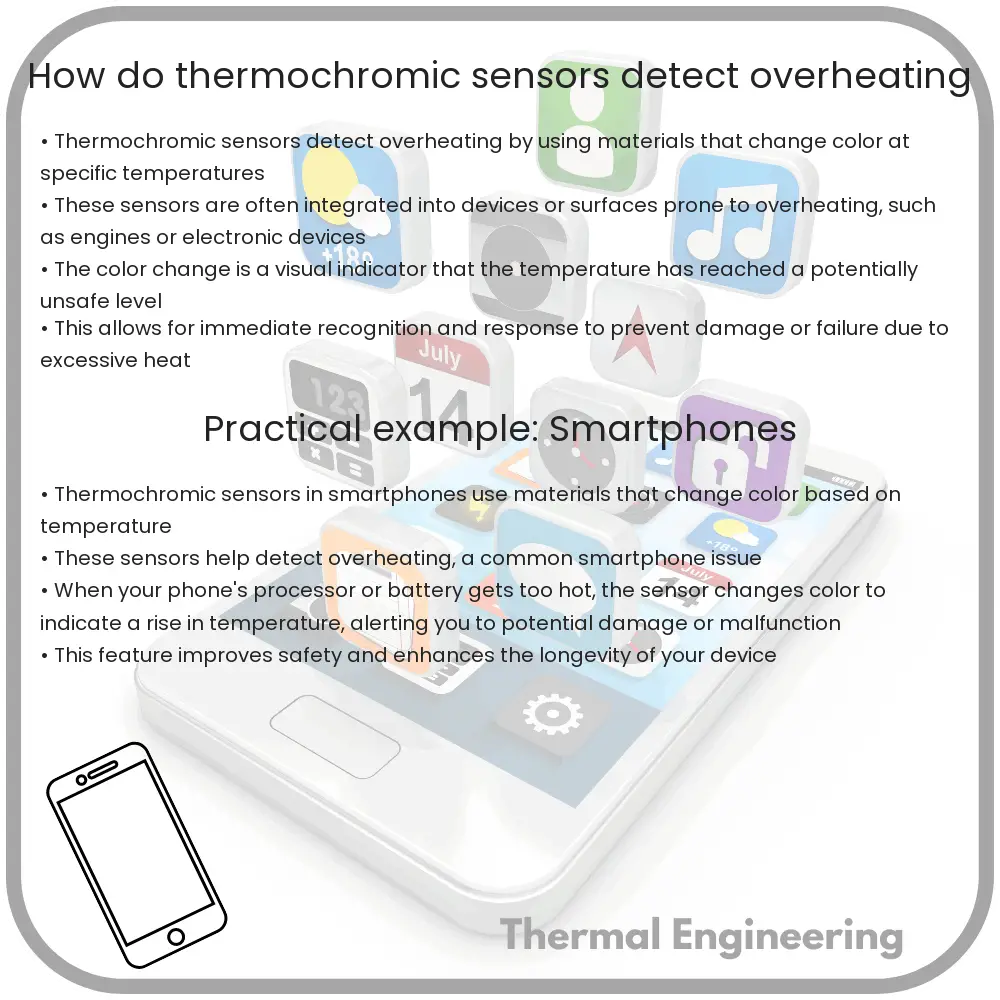
Understanding Thermochromic Sensors and Overheating Detection
Thermochromic sensors play a crucial role in various applications by providing a visual response to temperature changes. These sensors are particularly vital in scenarios where overheating is a risk, as they can provide immediate visual cues to prevent damage or ensure safety. This article explores how thermochromic sensors work and their applications in detecting overheating.
What are Thermochromic Materials?
Thermochromic materials are substances that change color in response to a change in temperature. This fascinating property can be observed in two main types of thermochromic materials: liquid crystals and leuco dyes. Liquid crystals are sensitive to a specific temperature range and are known for their precise color change, making them ideal for applications requiring accurate temperature readings. On the other hand, leuco dyes are more robust and can be incorporated into a broader range of materials but offer a less precise temperature change indication.
How Do Thermochromic Sensors Detect Overheating?
The operation of thermochromic sensors in detecting overheating can be outlined in several key steps:
- Sensitivity to Temperature: Thermochromic materials embedded in the sensor are formulated to respond at a threshold temperature. This temperature is carefully selected based on the specific safety and operational requirements of the equipment or process being monitored.
- Color Change Mechanism: When the ambient temperature reaches the material’s threshold level, the molecular structure of the thermochromic substance changes. This structural alteration affects the way light is absorbed and reflected by the material, resulting in a visible color change.
- Visual Feedback: The distinct color change which can be perceived visually or through a color-sensitive device, immediately signals that the temperature has exceeded normal operating conditions. This cue prompts for a necessary action to be taken, such as equipment shutdown, to prevent potential hazards or damage.
Applications of Thermochromic Sensors in Overheating Detection
- Electrical Safety: In electrical circuit boards, thermochromic sensors can indicate overheating components or tracks, thus preventing short circuits or electrical fires.
- Industrial Equipment: These sensors are used in motors, bearings, and other machinery prone to overheating due to friction or overuse, ensuring timely maintenance and avoiding operational disruptions.
- Consumer Products: Thermochromic materials are found in household items like kettles and irons, where they provide external visual cues to prevent user contact with hot surfaces, thus ensuring safety.
Conclusion
Thermochromic sensors are an essential tool in safety and maintenance protocols across various industries. By providing a simple yet effective means to detect overheating, they help in averting serious mechanical failures and ensuring safe operational environments. As advancements in material science continue, the sensitivity and applications of thermochromic sensors are expected to expand, further enhancing their utility in temperature monitoring.