Facebook Instagram Youtube Twitter

Energy-efficient thermal management in data centers

Explore energy-efficient thermal management strategies and technologies in data centers to improve system reliability and reduce operational costs.

Energy-efficient thermal management in data centers

Understanding Energy-Efficient Thermal Management in Data Centers

Data centers are critical infrastructures that store, process, and distribute large amounts of digital information. As the demand for data processing grows, so does the heat generated by the countless servers housed within these facilities. Managing this heat in an energy-efficient manner not only prolongs the lifespan of the hardware but also significantly reduces energy consumption and operational costs. This article explores the strategies and technologies that are used to achieve effective thermal management in data centers.

Why is Efficient Thermal Management Important?

Within a data center, servers and other computing hardware generate heat as a byproduct of their operation. Excessive heat can lead to hardware malfunction, reduced efficiency, and even failure, resulting in downtime and costly repairs or replacements. Efficient thermal management helps maintain an optimal operating temperature, thus ensuring hardware reliability and longevity.

Key Strategies for Effective Thermal Management

  • Airflow Management: Effective airflow management ensures that cool air is delivered to the required components effectively. This involves organizing IT equipment in such a way that separates hot and cold air streams. Techniques such as hot/cold aisle containment can prevent the mixing of hot and cold air, making cooling efforts more effective and efficient.
  • Temperature and Humidity Controls: Maintaining the right temperature and humidity level is crucial for operational efficiency. ASHRAE recommends temperatures of 18–27°C and humidity levels of 20–80% RH for data center environments depending on the class of the data center.
  • Energy-Efficient Cooling Systems: Traditional CRAC (Computer Room Air Conditioning) units are being replaced or supplemented with more energy-efficient systems like free cooling, which utilises the outside air as a cooling method during cooler times, significantly reducing energy consumption.

Advanced Cooling Technologies

As data centers evolve, so do the cooling technologies aimed at improving energy efficiency. Some of the emerging and highly effective cooling technologies include:

  • Liquid Cooling: Instead of air, liquid cooling uses a coolant to absorb heat from server components. The heated liquid is then cooled through external radiators and recirculated. This method is especially effective for high-density setups where air cooling might not suffice.
  • Chilled Beam Systems: These systems use convection and radiation to cool spaces. Water circulates through coils in a beam (a radiant cooling system), absorbing heat within the data center. Because they do not rely heavily on air movement, these systems can be more energy-efficient and less disruptive than traditional forced-air systems.
  • Phase Change Materials (PCMs): PCMs absorb and store excessive heat as they melt, transitioning from solid to liquid. Once the ambient temperature decreases, the PCM solidifies, releasing the stored heat. Integrating PCMs can stabilize temperature fluctuations within data centers efficiently.

Conclusion

Energy-efficient thermal management in data centers is crucial to minimize environmental impact, reduce operational costs, and maintain system reliability and performance. By applying strategic airflow designs, controlling environmental parameters, and utilizing advanced cooling technologies, data centers can achieve substantial energy efficiency improvements. As technology evolves, continual adaptation and integration of innovative cooling methods will play a significant role in the sustainable growth of data centers globally.
Hydrogen Chloride | Acid Production, Thermal Conductivity

Learn about Hydrogen Chloride (HCl), its production, uses in acid manufacturing, and thermal conductivity in our comprehensive guide.

Hydrogen Chloride | Acid Production, Thermal Conductivity

Introduction to Hydrogen Chloride

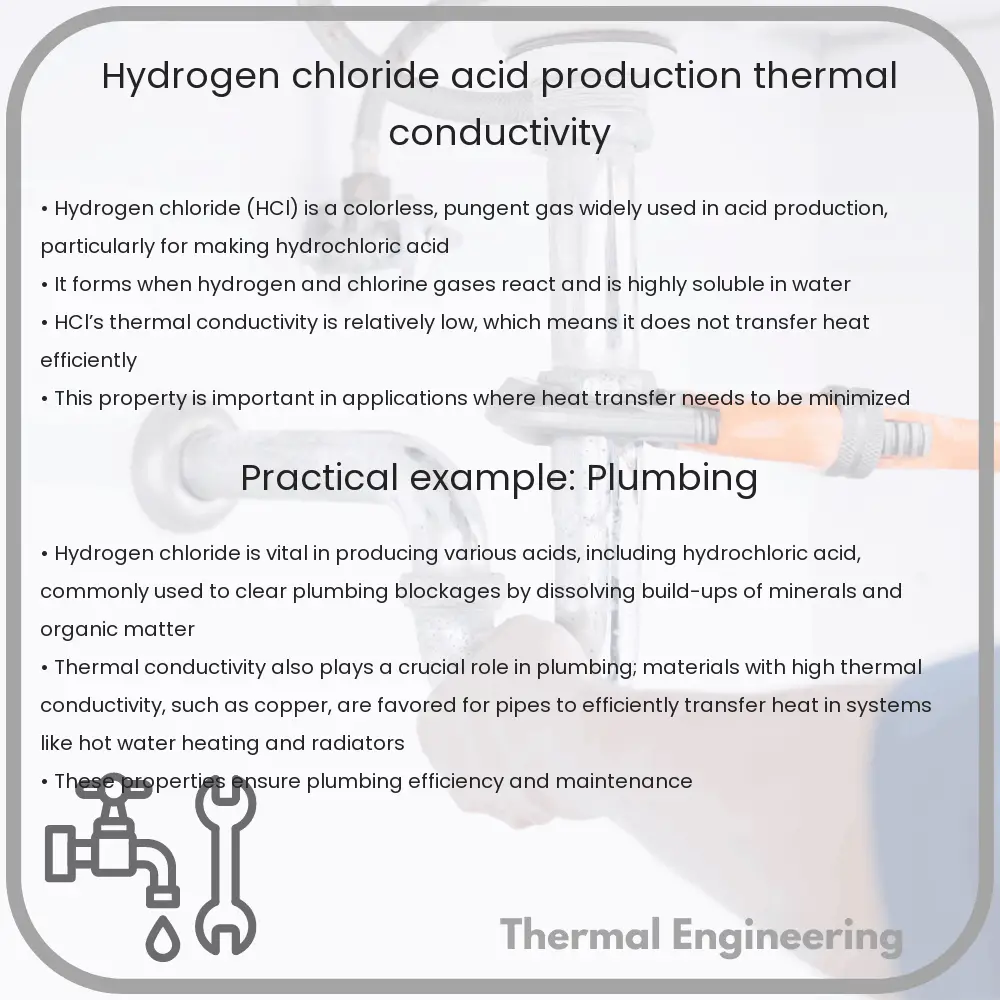
Hydrogen chloride (HCl) is a diatomic molecule consisting of a hydrogen atom and a chlorine atom. It is a colorless, poisonous, highly acidic gas that forms white fumes of hydrochloric acid upon contact with atmospheric moisture. Hydrogen chloride is commonly used in the production of hydrochloric acid, and it has a variety of industrial applications.

Production of Hydrogen Chloride

Hydrogen chloride can be produced through several methods, primarily involving the synthesis of hydrogen and chlorine gases. One of the major industrial methods is the direct combination of these two gases.

  • Direct Synthesis: This process involves burning hydrogen gas in chlorine gas, which results in the formation of hydrogen chloride. The chemical reaction can be represented as:

    H2 + Cl2 → 2 HCl

  • Hydrochlorination of Metals: Metals such as iron, zinc, or aluminum can react with hydrochloric acid, yielding hydrogen chloride as a byproduct.
  • Salt-Sulfuric Acid Process: In this method, sodium chloride (table salt) is treated with sulfuric acid, producing sodium bisulfate and releasing hydrogen chloride gas.

    NaCl + H2SO4 → NaHSO4 + HCl

Acid Production Using Hydrogen Chloride

One of the primary uses of hydrogen chloride is in the manufacture of hydrochloric acid, one of the most widely used acids in industry. The production is straightforward:

When hydrogen chloride gas is dissolved in water, it forms hydrochloric acid:

HCl(g) + H2O(l) → H3O+ + Cl–

This reaction is exothermic, releasing heat and forming a strong acid solution.

Thermal Conductivity of Hydrogen Chloride

Thermal conductivity is a material property that indicates the ability of a material to conduct heat. For gases like hydrogen chloride, this property is crucial in applications involving heat exchange and chemical process design. Hydrogen chloride has a thermal conductivity of approximately 0.024 W/m*K at 0°C. This relatively low thermal conductivity means that HCl is not efficient in transferring heat compared to metals, but it is comparable to other gases.

Conclusion

Hydrogen chloride plays a vital role in the chemical industry, particularly in the production of hydrochloric acid. Its properties, including the method of production and thermal conductivity, make it essential in various industrial processes. Understanding these aspects of hydrogen chloride helps in optimizing its applications and handling safely in industrial settings.

Iso-Butane | Refrigeration, Thermal Conductivity & Uses

Learn about iso-butane (isobutane) C4H10, its crucial role as a refrigerant in the R-600a designation, and other diverse applications including thermal conductivity and uses in various industries.

Iso-Butane | Refrigeration, Thermal Conductivity & Uses

Understanding Iso-Butane: Applications in Refrigeration, Thermal Conductivity, and Other Uses

Iso-butane, or isobutane, a chemical compound with the molecular formula C4H10, is an isomer of butane that features a branched molecular structure. This seemingly small structural variation from butane significantly influences its physical and chemical properties, making it exceptionally useful in various engineering applications. This article explores the role of iso-butane in refrigeration, its thermal conductivity characteristics, and its other practical uses.

Application in Refrigeration

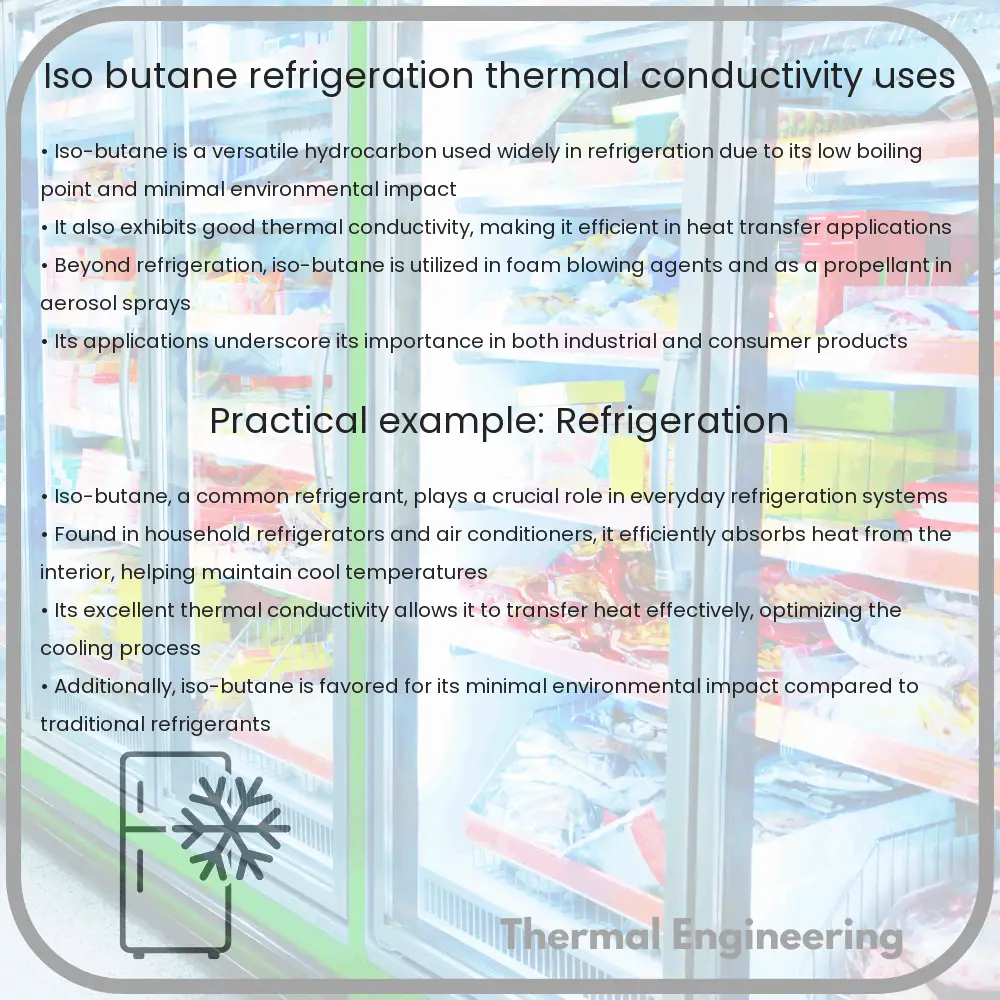
One of the most prominent uses of iso-butane is as a refrigerant. In the realm of refrigeration, it is identified with the refrigerant designation R-600a. It’s popular in this role due to its excellent thermodynamic properties, low environmental impact, and relative safety in terms of toxicity. Iso-butane is a common choice for domestic refrigerators, freezers, and air conditioning systems. The switch to iso-butane and other hydrocarbons from previously used CFCs and HFCs has been driven by environmental concerns, particularly the impact of these older refrigerants on the ozone layer and their high global warming potential (GWP).

  • Environmental Impact: Iso-butane has a very low global warming potential (GWP of 3), making it a more environmentally friendly option compared to traditional refrigerants.
  • Efficiency: The use of iso-butane in refrigeration systems often results in lower energy consumption due to its efficient heat transfer capabilities.

Thermal Conductivity

The thermal conductivity of iso-butane is another key property that makes it suitable for certain applications. Thermal conductivity is a measure of a material’s ability to conduct heat. For iso-butane, this property varies depending on temperature and pressure but generally lies in the range of approximately 0.015 W/m*K at standard atmospheric conditions.

Understanding the thermal conductivity of iso-butane helps in designing more efficient heat exchange systems, where the transfer of heat is crucial. In engineering applications, particularly where cooling or heating is involved, optimizing thermal conductivity is essential for performance and energy efficiency.

Other Uses of Iso-Butane

Beyond refrigeration and its role in thermal management systems, iso-butane finds several other applications in various industries:

  • Propellant: Iso-butane is widely used as a propellant in aerosol sprays. Its volatility makes it effective in dispersing products from cans.
  • Foaming Agent: It is used in the production of foam rubber and polyurethane foam, serving as a blowing agent that helps create the cellular structure.
  • Fuel: Similar to butane, iso-butane is utilized as a fuel in portable camping stoves and cigarette lighters due to its easy liquification and transportability.
  • Chemical Synthesis: It also has a role in the chemical industry as a feedstock for the synthesis of isobutylene, which is used in the production of butyl rubber and other chemicals.

The versatility of iso-butane highlights its importance across different sectors. It is crucial, however, to manage its use carefully due to its flammability and potential health impacts when inhaled in concentrated forms. Nonetheless, its wide range of applications, coupled with its environmental benefits over other hydrocarbons, ensures its ongoing relevance in modern engineering solutions.

Methyl Chloride | Refrigerant, Thermal Conductivity

Learn about methyl chloride (CH3Cl), its use as a refrigerant, and its thermal conductivity in refrigeration applications.

Methyl Chloride | Refrigerant, Thermal Conductivity

Understanding Methyl Chloride as a Refrigerant

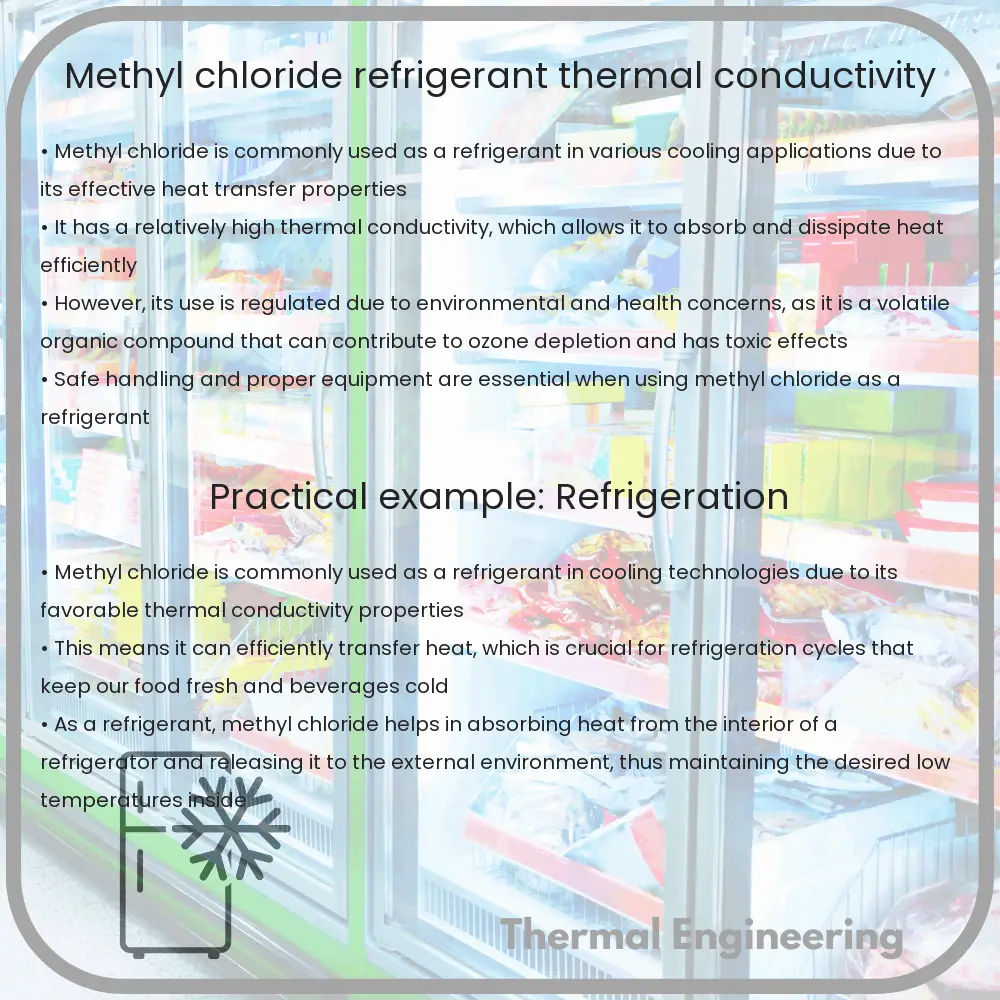
Methyl chloride, also known as chloromethane and by its chemical formula CH3Cl, plays a significant role in the field of refrigeration engineering. This chemical compound, categorized under Halomethanes, was one of the first chemicals to be used as a refrigerant. With a boiling point of -23.8 degrees Celsius, methyl chloride is suitable for medium-temperature refrigeration applications.

Properties and Applications

As a refrigerant, methyl chloride offers several characteristics that make it useful, especially in specific applications that require temperatures that are not extremely low. It is most noteworthy for its thermal conductivity, an essential property in the efficiency of refrigeration cycles. Thermal conductivity refers to a material’s ability to conduct heat, and in the case of methyl chloride, it typically ranges within acceptable limits for effective heat exchange processes.

The physical properties of methyl chloride allow it to be used in:

  • Home appliance refrigeration systems designed for medium temperature ranges.
  • Industrial refrigeration where moderate cooling is sufficient.
  • Specialized applications such as in the production of silicones in sealants, adhesives, and molds.

Thermal Conductivity of Methyl Chloride

Thermal conductivity is a crucial factor in the effectiveness of a refrigerant. It influences how quickly and efficiently heat can be absorbed and expelled during the refrigeration cycle. The thermal conductivity of methyl chloride is approximately 0.0096 W/m*K, a measure that makes it competitive with other refrigerants typically used in similar applications.

Accurate knowledge of the thermal conductivity helps engineers design more efficient refrigeration systems by optimizing the size and structure of components like heat exchangers and evaporators, which directly impact the system’s overall energy efficiency.

Environmental and Safety Considerations

While methyl chloride was widely used in the past, its application has decreased due to environmental and health concerns. Methyl chloride contributes to ozone layer depletion and possesses high global warming potential (GWP). It is also flammable and toxic, necessitating careful handling and strict adherence to safety protocols to prevent accidental release and exposure.

Today, the use of methyl chloride as a refrigerant is heavily regulated, and it has been largely replaced by more environmentally friendly alternatives in many countries. However, it is still used in certain industrial applications due to its specific properties and effectiveness.

Conclusion

Methyl chloride’s role in refrigeration showcases the importance of chemical engineering in developing and managing technologies that impact our everyday lives. While it offers beneficial properties as a refrigerant, the shift towards more sustainable solutions illustrates the ongoing evolution within the field of refrigeration engineering. Understanding the properties, applications, and implications of materials like methyl chloride is essential for developing safer and more environmentally friendly refrigeration technologies.

As the field continues to advance, the exploration of alternatives and enhancements in refrigeration technology remains a critical area of study and professional practice in engineering.

Vinyl Chloride | Polymer Production, Thermal Stability

Vinyl chloride, known chemically as chloroethene, is a key compound in creating PVC, used widely in numerous industries.

Vinyl Chloride | Polymer Production, Thermal Stability

Introduction to Vinyl Chloride

Vinyl chloride, chemically known as chloroethene, is a crucial organic compound with the formula C2H3Cl. It is a colorless gas with a mild, sweet odor, primarily used in the production of polyvinyl chloride (PVC), a valuable plastic employed extensively in construction, healthcare, electronics, and several other industries.

Production of Vinyl Chloride

The production of vinyl chloride can be broadly classified into two processes: the ethylene dichloride (EDC) route and the acetylene route.

  • Ethylene Dichloride Route: This is the predominant method where ethylene and chlorine react to form ethylene dichloride (EDC). The EDC is then thermally cracked in a process called pyrolysis to produce vinyl chloride. The reaction can be summarized as:
    Ethylene + Chlorine → Ethylene Dichloride (EDC)
    EDC → Vinyl Chloride + HCl
  • Acetylene Route: This older method involves reacting acetylene with hydrogen chloride in the presence of a catalyst, such as mercuric chloride, to produce vinyl chloride:
    Acetylene + HCl → Vinyl Chloride

The production processes need to be carefully controlled to optimize yield and reduce hazardous by-products such as dioxins.

Thermal Stability of Vinyl Chloride

Vinyl chloride’s thermal stability is an important consideration in its polymers’ production and applications. At high temperatures, vinyl chloride can decompose, releasing harmful substances like hydrogen chloride and further chlorinated by-products:

2 C2H3Cl → 2 C2H2 + 2 HCl + Cl2

This decomposition reaction is not only hazardous but also detrimental to the quality of PVC produced. Thus, vinyl chloride is polymerized at carefully controlled temperatures to prevent its decomposition and ensure the production of high-quality PVC.

Polymerization of Vinyl Chloride

Polyvinyl chloride (PVC) is manufactured by the polymerization of vinyl chloride monomer (VCM). The two main polymerization methods used are:

  • Suspension Polymerization: This is the most common technique where VCM is dispersed in water with the aid of suspending agents. Initiators are added to start the reaction under heat and pressure to form PVC.
  • Emulsion Polymerization: VCM is emulsified in water with emulsifiers and polymerized using water-soluble initiators. This method generally produces a finer PVC resin with different handling properties.

Both methods require precise control of temperature, pressure, and catalysts to ensure efficient polymer yield and desired polymer properties.

Applications and Conclusion

PVC produced from vinyl chloride is used in a variety of products such as pipes, window frames, cables, and flooring. Its popularity stems from its durability, resistance to environmental degradation, and versatility. Understanding vinyl chloride’s production, thermal stability, and polymerization is crucial for engineers and manufacturers to optimize processes, enhance safety, and improve product performance. As research and technology evolve, further advances in the processing and applications of vinyl chloride are expected, contributing to even broader uses and more efficient production techniques.

Chlorine Dioxide | Bleaching, Thermal Stability & Uses

Explore the properties, production, and applications of Chlorine Dioxide, a potent oxidizing agent used in water treatment and paper bleaching.

Chlorine Dioxide | Bleaching, Thermal Stability & Uses

Introduction to Chlorine Dioxide

Chlorine dioxide (ClO2) is a yellowish-green gas known for its potent oxidizing properties. It is a unique and versatile chemical compound that differs significantly from elementary chlorine, both in its chemical structure and in its behavior. It has a variety of applications in industries ranging from water treatment to paper production.

Chemical Properties and Production

Chlorine dioxide is a small, volatile and highly reactive molecule. It exists as a free radical in most conditions. Despite its name, it does not actually contain chlorine but rather, it consists of one chlorine atom bonded to two oxygen atoms. This composition enables chlorine dioxide to act as an effective oxidizer.

It is most commonly produced through the reduction of sodium chlorate by hydrochloric acid or through the oxidation of sodium chlorite with chlorine gas. The typical reaction for generating chlorine dioxide industrially is as follows:

2 NaClO3 + 4 HCl → 2 ClO2 + 2 NaCl + 2 H2O

Bleaching Applications

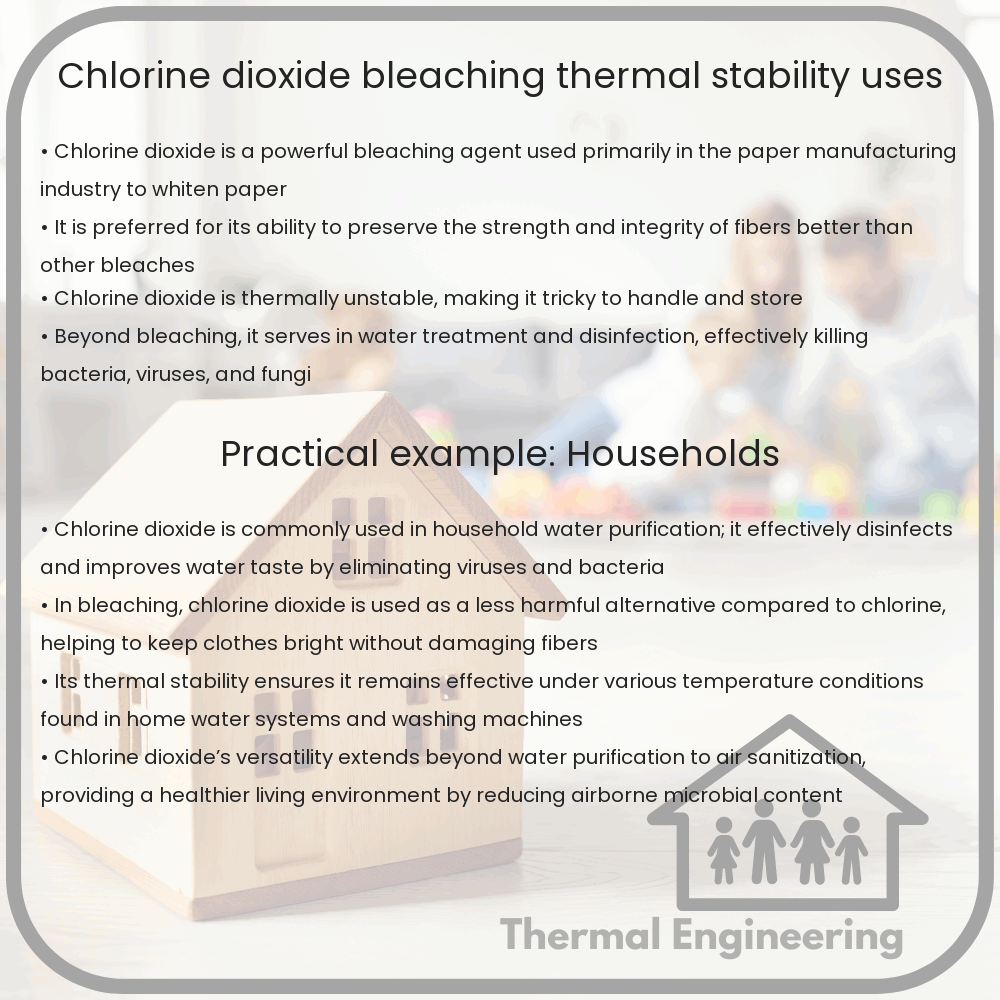
One of the primary uses of chlorine dioxide is as a bleaching agent in the paper and pulp industry. Unlike chlorine, chlorine dioxide does not chlorinate organic compounds, which leads to the formation of fewer chlorinated organic compounds and, consequently, reduces the environmental impact. This makes it an environmentally preferable bleaching agent for maintaining the brightness of paper products.

  • It selectively oxidizes lignin without degrading the cellulose fiber.
  • The result is a high-quality, bright paper product with improved strength and durability.

Thermal Stability

Chlorine dioxide is known for its thermal instability. It decomposes rapidly when exposed to heat, light, or when it comes into contact with certain materials. Its decomposition can release oxygen, thereby posing both fire and explosion risks under certain conditions.

The decomposition reaction of chlorine dioxide can be represented as follows:

2 ClO2 → 2 ClO2 + O2

This sensitivity requires careful handling and storage solutions, usually involving dilute aqueous solutions kept in cold, dark environments.

Other Uses of Chlorine Dioxide

Aside from its application in the paper industry, chlorine dioxide is also widely used for water treatment. Its ability to effectively kill bacteria, viruses, and protozoa, including hardy cysts that can evade other disinfectants, makes it valuable for both drinking and wastewater treatment.

  • It is used in the disinfection of municipal water supplies, where it helps in the control of waterborne pathogens without forming harmful byproducts like trihalomethanes (THMs).
  • Additionally, it is used in food processing for sanitizing equipment, water systems, and even for washing fruits and vegetables.
  • In medical facilities, chlorine dioxide gas is used for the decontamination of rooms and equipment.

Chlorine dioxide’s broad spectrum efficacy and relatively low risk of harmful byproducts make it a preferred choice in many applications requiring sanitization and disinfection.

Conclusion

Chlorine dioxide remains a critical chemical in various industrial applications due to its powerful oxidative properties and its environmentally friendly profile when compared to traditional chlorine treatments. Despite its challenges, particularly in terms of handling and safety due to its thermal instability, ongoing research and technological advancements continue to expand its applications, making it an indispensable tool in industries requiring efficient oxidation and disinfection solutions.

Ethylene Oxide | Sterilization, Thermal Reactivity

Learn about ethylene oxide’s use in sterilization and its thermal reactivity characteristics.

Ethylene Oxide | Sterilization, Thermal Reactivity

Understanding Ethylene Oxide: Sterilization and Thermal Reactivity

Ethylene oxide (EO or EtO) is a colorless, flammable gas widely used for sterilizing medical equipment and supplies. Its effectiveness and ability to sterilize at low temperatures make it essential in healthcare settings, particularly for items that cannot withstand the heat of steam sterilization. This article explores the use of ethylene oxide in sterilization processes and its thermal reactivity characteristics.

Sterilization Process

Ethylene oxide sterilization is a chemical process that involves exposing products to EO gas under controlled conditions. The method is especially valuable for sterilizing heat-sensitive medical and pharmaceutical supplies such as surgical instruments, plastic components, and electronic devices.

  • Procedure: The process typically includes pre-conditioning, gas introduction, exposure, and post-processing to remove residues from the items.
  • Effectiveness: EO gas kills all known viruses, bacteria, and fungi, including their spores, by interfering with the normal metabolism of protein and reproductive processes. This broad-spectrum effectiveness is why it’s a preferred sterilant for intricate medical devices.
  • Safety Measures: Ethylene oxide is toxic, mutagenic, and potentially carcinogenic. Therefore, strict safety regulations govern its use to prevent human exposure and environmental release. Adequate aeration after processing ensures the safe removal of residual EO from sterilized items and packaging materials.

Thermal Reactivity

The thermal reactivity of ethylene oxide is another critical aspect due to its flammable nature. Knowledge of its behavior under heat is essential for safe handling and storage.

  • Autoignition Temperature: EO has a relatively low autoignition temperature of about 429°C (804°F). It means that the gas can ignite spontaneously if exposed to temperatures above this point.
  • Explosive Range: Ethylene oxide is explosive in air concentrations from about 3% to 100% by volume. This wide range highlights the need for effective ventilation and leak detection systems in areas where EO is used or stored.
  • Decomposition: Upon heating, EO can decompose, producing both flammable and toxic products such as carbon monoxide and carbon dioxide. The reaction kinetics can be complex and are influenced by factors like temperature and the presence of catalysts.

In conclusion, while ethylene oxide is an extremely effective sterilizing agent, its thermal reactivity requires careful management to ensure safety. Understanding both the benefits and risks associated with the use of EO helps in achieving both effective sterilization outcomes and maintaining a safe operating environment.

Your understanding of these processes ensures that applications and handling of ethylene oxide remain within safe operational guidelines, crucial for both medical settings and chemical manufacturing industries.

Propylene Gas | Heating, Thermal Properties & Industrial Use

Learn about propylene gas, covering its heating characteristics, thermal properties, and diverse industrial applications.

Propylene Gas | Heating, Thermal Properties & Industrial Use

Understanding Propylene Gas: Heating, Thermal Properties & Industrial Use

Propylene, also known as propene or methyl ethylene, is a colorless, flammable gas with a faint petroleum-like odor. As a fundamental building block in the chemistry of various synthetic materials, it holds significant industrial importance. In this article, we will explore the heating characteristics, thermal properties, and widespread industrial applications of propylene gas.

Thermal Properties of Propylene

Propylene is categorized as an alkene with the molecular formula C3H6. It exhibits several important thermal properties that are crucial for its use in industrial applications:

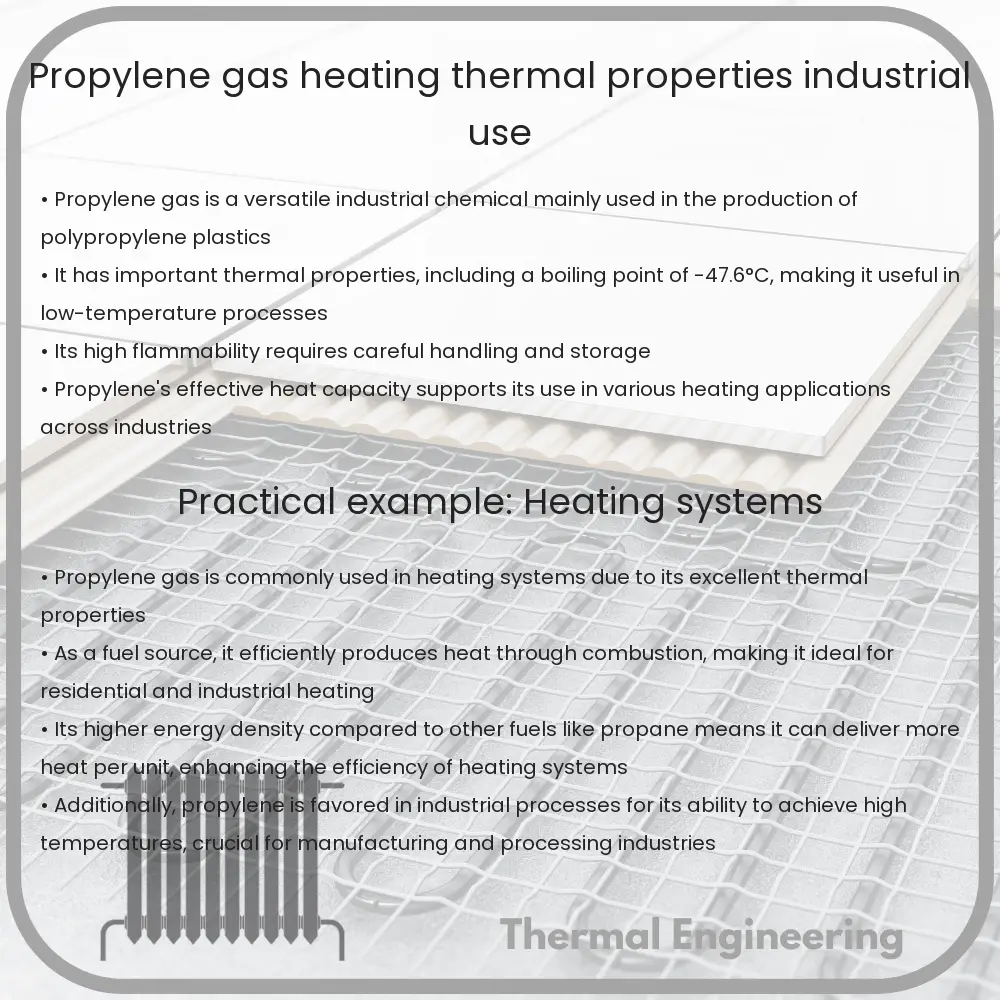
  • Boiling and Melting Points: Propylene has a boiling point of about -47.6°C and a melting point of about -185.2°C.
  • Heat of Combustion: The gas releases a considerable amount of energy during combustion, characterized by its higher heating value (HHV) of approximately 48.95 MJ/kg and a lower heating value (LHV) of around 46.35 MJ/kg.
  • Thermal Conductivity: At room temperature, propylene has a thermal conductivity of about 0.0175 W/m∙K, which influences how it transfers heat energy through the material.
  • Specific Heat Capacity: The specific heat capacity at 25°C is about 1.48 kJ/kg∙K, indicating the amount of heat necessary to raise the temperature of one kilogram of propylene by one Kelvin.

These thermal properties are fundamental when considering propylene for various heating applications and processes in industries.

Heating Applications of Propylene

Due to its energy-rich nature, propylene is extensively used as a fuel gas in industries. It offers advantages such as a high flame temperature and moderate combustion speed, making it suitable for:

  • Oxy-fuel Welding and Cutting: Propylene is often utilized as an alternative to acetylene in cutting and welding applications because it can produce a similar flame temperature, effectively cutting metals like steel.
  • Heating Furnaces: In steel-making and metal-working industries, propylene is used in furnaces where high temperatures are necessary for processes like annealing, tempering, and heat treatment.

Industrial Uses of Propylene

The versatility of propylene extends beyond its thermal applications. It is a key raw material in the production of numerous chemical compounds and products:

  • Polypropylene Manufacture: Propylene is polymerized to form polypropylene, a widely-used plastic found in packaging, automotive parts, textiles, and consumer goods.
  • Propylene Oxide Production: Propylene is a primary feedstock for producing propylene oxide, an essential component in the production of polyether polyols, which are used in making polyurethane plastics.
  • Acrylonitrile and Cumene Production: It is also used to produce acrylonitrile and cumene, which are intermediates in the manufacture of acrylic fibers, plastics, and other industrial chemicals.

In summary, propylene gas is a critical component in various heating applications due to its excellent combustion characteristics and thermal properties. Additionally, it is indispensable in numerous industrial chemical processes, making it a key commodity in the global market. Understanding the fundamental aspects of propylene helps in optimizing its use and enhancing safety measures during its application in various industries.

Arsine Gas | Semiconductor Industry & Thermal Properties

Explore the use, properties, and safety protocols of arsine gas in the semiconductor industry, focusing on its critical role in silicon doping and MOVPE.

Arsine Gas | Semiconductor Industry & Thermal Properties

Understanding Arsine Gas in the Semiconductor Industry

Arsine gas (AsH3) is a colorless, flammable, and highly toxic compound used primarily in the semiconductor industry. This article explores its critical role, thermal properties, and safety considerations in semiconductor manufacturing.

Role of Arsine Gas in Semiconductor Manufacturing

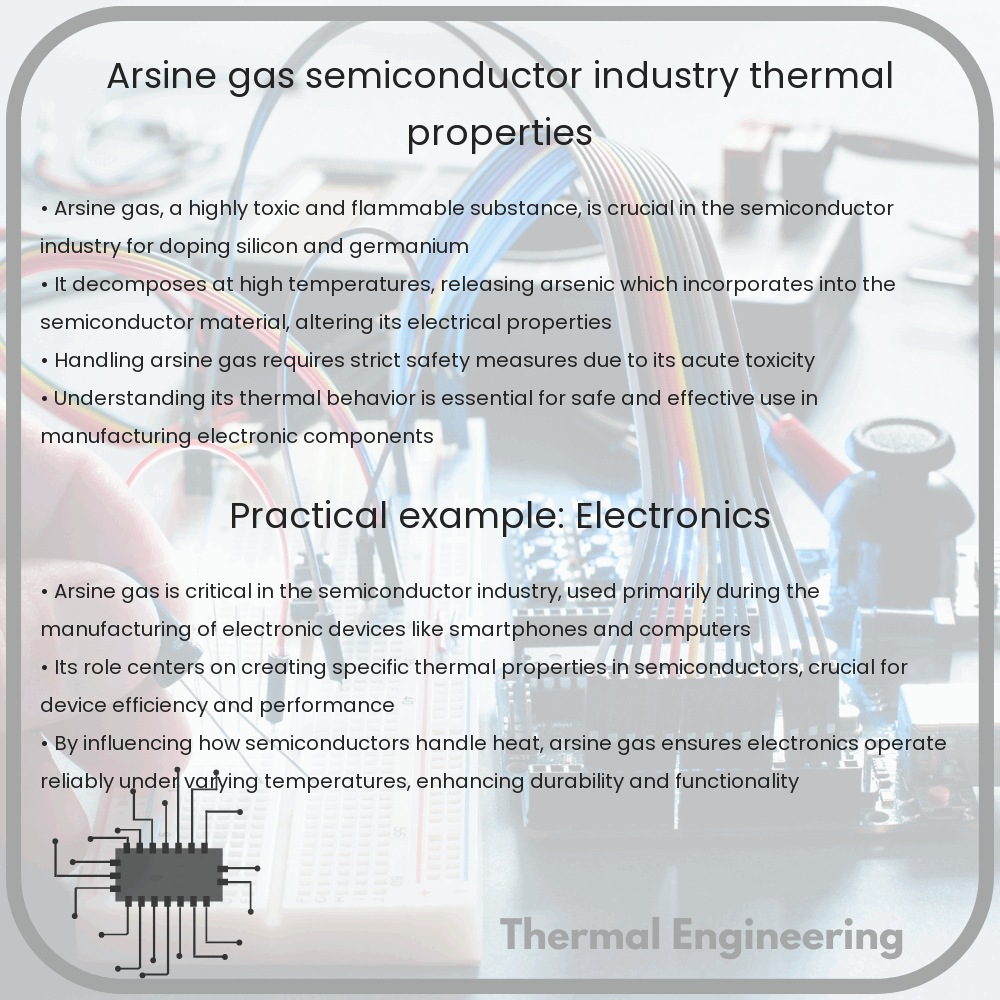
In the production of semiconductors, arsine gas is chiefly used for the doping of silicon wafers to enhance their electrical properties. Doping is a process where impurities are intentionally introduced to a pure semiconductor, which alters its electrical conductivity. Arsine is used to introduce arsenic atoms into the semiconductor material, which is critical for creating n-type semiconductors—materials that support increased electron flow.

  • High Purity Requirements: The semiconductor industry requires arsine of exceptionally high purity. Impurities can influence the electrical properties of the semiconductor, leading to defects in electronic devices.
  • Metalorganic Vapor Phase Epitaxy (MOVPE): Arsine is also used in MOVPE, a method for depositing crystalline layers to form semiconductor multilayer structures. Arsine serves as a source of arsenic in this process.

Thermal Properties of Arsine Gas

The thermal properties of arsine gas are important for its safe storage and handling in industrial settings. Arsine has a boiling point of -62.5°C and a melting point of -116°C, indicating its gaseous state at room temperature. Understanding these properties is crucial for preventing conditions that might lead to its accidental release or decomposition:

  • Heat Capacity: The specific heat capacity of arsine helps predict how it will react to changes in temperature, which is critical for processes that involve heat, such as MOVPE.
  • Thermal Conductivity: This property affects how quickly heat can pass through arsine gas, influencing the design of systems intended to contain or transport the gas safely.

Safety Considerations

Due to its toxicity and flammability, handling arsine requires stringent safety protocols:

  • Toxicity: Arsine is a potent toxin and exposure can result in severe health impacts, including hemolysis (destruction of red blood cells), renal failure, and in severe cases, death.
  • Leak Detection: Facilities using arsine typically install sophisticated leak detection systems to quickly identify any release, minimizing exposure and potential harm.
  • Protective Equipment: Workers handling arsine gas must use appropriate personal protective equipment (PPE), including respirators and protective clothing, to protect against inhalation and skin exposure.

In conclusion, while arsine gas is essential for doping processes in semiconductor manufacturing due to its ability to introduce arsenic atoms efficiently, it must be handled with extreme caution due to its toxic and flammable nature. Understanding its thermal properties aids in the safe management and application of this hazardous but invaluable material.

Hydrogen Cyanide | Heat Treatment & Industrial Uses

Explore the properties, heat treatment roles, and industrial uses of hydrogen cyanide, a critical yet hazardous chemical compound.

Hydrogen Cyanide | Heat Treatment & Industrial Uses

Understanding Hydrogen Cyanide: Properties, Heat Treatment, and Industrial Uses

Hydrogen cyanide (HCN) is a colorless, highly toxic, and flammable chemical compound that plays a significant role in various industrial processes. It is known for its distinctive bitter almond odor, although not all individuals can detect this smell due to a genetic trait. Understanding both the properties of hydrogen cyanide and its applications, especially in heat treatment and other industrial uses, is crucial for ensuring safe and efficient usage.

Properties of Hydrogen Cyanide

HCN is formed by the chemical combination of hydrogen, carbon, and nitrogen. Its boiling point is relatively low at 25.6 degrees Celsius, which means it is usually handled as a gas or liquid under pressure. The compound is slightly lighter than air, making it potentially hazardous as it can accumulate in higher areas of industrial settings if not properly ventilated.

The toxicity of hydrogen cyanide is primarily due to its ability to inhibit cytochrome c oxidase, an essential enzyme in the mitochondria of cells. This inhibition blocks the cellular oxygen metabolism leading to asphyxiation at the cellular level, which can be fatal without immediate intervention.

Heat Treatment Processes Involving Hydrogen Cyanide

Hydrogen cyanide is utilized in a variety of heat treatment processes, particularly in the hardening of steel. The primary methods include:

  • Carbonitriding: A thermochemical process in which steel is heated in an atmosphere containing carbon (from propane, methane, or carbon monoxide) and nitrogen (from ammonia or hydrogen cyanide). This process enriches the surface layer of the steel with both carbon and nitrogen, thereby increasing its hardness and wear resistance. The presence of hydrogen cyanide can accelerate the absorption of nitrogen and enhance the overall effectiveness of the treatment.
  • Cyaniding: Similar to carburizing, cyaniding involves heating steel in a molten bath of sodium cyanide, which often includes hydrogen cyanide as a constituent or byproduct. It imparts a high surface hardness by introducing carbon and nitrogen to the outer layers, ideal for wear-prone parts like gears and sprockets.

It’s crucial to control the temperature and duration of exposure in these processes to achieve the desired mechanical properties without compromising the structural integrity of the steel.

Industrial Uses of Hydrogen Cyanide

Beyond heat treatment, hydrogen cyanide is used in a wide range of industrial applications:

  • Production of Adiponitrile: This is a key precursor in the manufacture of Nylon-6,6. Adiponitrile is produced via the hydrocyanation of butadiene, and hydrogen cyanide is a primary component of this process.
  • Acrylic Fibers and Plastics: Acrylonitrile, which is used to make acrylic fibers, synthetic rubber, and plastics, is produced by ammoxidation of propylene using hydrogen cyanide.
  • Pharmaceuticals and Agrochemicals: Hydrogen cyanide is also used in the synthesis of several organic compounds that form the basis of various pharmaceuticals and pesticides.

Moreover, due to its chemical reactivity, hydrogen cyanide is also employed in smaller-scale laboratory syntheses of various organic compounds, though safety measures need to be strictly adhered to due to its high toxicity.

Handling and Safety

The handling of hydrogen cyanide requires strict safety protocols to protect workers from its toxic effects. Industrial setups must ensure proper ventilation, use of protective equipment, and continuous monitoring of air quality. Quick response measures and antidotes (like sodium thiosulfate and hydroxocobalamin) must be readily available in case of accidental exposure.

In conclusion, while hydrogen cyanide is a valuable industrial chemical, its hazardous nature demands careful management and usage. Understanding its properties and applications helps industries utilize this compound effectively while ensuring the safety of all personnel involved.