Facebook Instagram Youtube Twitter

How does thermal bioclimatology affect urban planning

Explore how thermal bioclimatology impacts urban planning by enhancing sustainability, comfort, and health in city environments.

How does thermal bioclimatology affect urban planning

Understanding Thermal Bioclimatology in Urban Planning

Thermal bioclimatology is a critical field of study that explores the interactions between climatic conditions and living organisms, focusing particularly on how thermal environments affect human health and behavior. This understanding plays an increasingly vital role in urban planning, as cities worldwide grapple with issues such as urban heat islands, energy consumption, and climate adaptation. The goal is to create urban environments that are comfortable, sustainable, and resilient in the face of changing climate conditions.

What is Thermal Bioclimatology?

At its core, thermal bioclimatology examines how thermal conditions — primarily temperature and humidity — interact with biological organisms. In the context of urban planning, the focus shifts to understanding how these factors influence human comfort, health, and activity levels in densely populated areas. By studying thermal bioclimatology, urban planners can design cities that better accommodate natural thermal processes, enhancing the living environment for their inhabitants.

Impacts on Urban Planning

Thermal bioclimatology impacts urban planning in several key ways:

  • Urban Heat Island Mitigation: Urban areas often experience higher temperatures than their rural surroundings, a phenomenon known as the Urban Heat Island (UHI) effect. This occurs due to the extensive use of heat-absorbing materials such as concrete and asphalt, and the scarcity of vegetative cover. Thermal bioclimatology provides insights into how to mitigate this effect through strategic planning such as increasing green spaces, using reflective building materials, and enhancing natural ventilation.
  • Energy Consumption: The design of buildings and the layout of cities based on thermal bioclimatic data can significantly influence energy consumption patterns. Effective design can reduce the need for artificial heating and cooling, thus lowering energy use and associated emissions.
  • Public Health: Excessive heat can lead to a range of health issues, including heat stress and exacerbated chronic conditions such as cardiovascular disease. Urban planners use thermal bioclimatic data to create environments that minimize heat exposure and promote public health.
  • Comfort and Productivity: Thermal comfort is crucial for the well-being and productivity of urban residents. Urban designs informed by bioclimatic conditions can improve comfort levels by considering factors like air flow, shade, and building orientation.

Strategies in Urban Planning

To incorporate thermal bioclimatology effectively into urban planning, several strategies can be employed:

  • Green Infrastructure: Planting trees and creating parks not only add aesthetic value but also cool urban areas through shade and evapotranspiration, helping to regulate urban microclimates.
  • Building Orientation: Aligning buildings to optimize sunlight during the winter and minimize heat gain during the summer can contribute to natural thermal regulation.
  • Reflective and High-Albedo Materials: Using materials that reflect rather than absorb sunlight can reduce heat absorption in buildings and pavements, lower temperatures, and reduce cooling loads.
  • Smart Urban Layouts: Designing city layouts to enhance natural ventilation can help reduce reliance on mechanical cooling systems and improve air quality.

Conclusion

Thermal bioclimatology is essential to contemporary urban planning. By understanding and applying the principles of how thermal environments interact with human life, planners and architects can design cities that are not only more comfortable and energy-efficient but also healthier and more adaptable to climatic changes. As urban areas continue to grow, integrating thermal bioclimatic considerations into planning processes will be crucial for developing sustainable and resilient urban environments.

What is the impact of thermal cycling on solar panels

Understanding the impact of thermal cycling on solar panels, which involves the expansion and contraction of materials due to daily temperature changes.

What is the impact of thermal cycling on solar panels

Understanding the Impact of Thermal Cycling on Solar Panels

Solar panels, integral for harvesting solar energy, are subjects to various environmental stressors which can affect their efficiency and lifespan. Among these stressors, thermal cycling is a predominant factor that can lead to significant durability challenges. Thermal cycling refers to the repeated temperature changes that solar panels experience as they are exposed to the cycles of day and night, as well as seasonal variations.

Causes and Effects of Thermal Cycling

Throughout the day, solar panels absorb sunlight and convert it into electricity, which causes them to heat up. At night, the temperature drops, causing the materials in the solar panels to cool down. This daily cycle of heating and cooling causes expansion and contraction in the solar panel materials. The main impacts of this thermal cycling include:

  • Material Fatigue: Repeated expansion and contraction can cause fatigue in the materials used to construct solar panels. This includes the solar cells themselves, as well as the encapsulant layers and the backsheet. Over time, this can lead to cracks, delamination (where layers start to separate), and even cell breakage.
  • Thermal Mismatch: Different materials in the solar panel expand and contract at different rates. This mismatch can induce stress at the interfaces between materials, such as between the glass cover and the solar cells, potentially leading to structural failures.
  • Junction Box and Electrical Connection Issues: The components responsible for electrical connections, such as solder joints and the junction box, may also be affected by thermal cycling. The repeated expansion and contraction can weaken these connections, leading to increased electrical resistance or outright failure.

Minimizing the Impact

Manufacturers use various strategies to reduce the effects of thermal cycling on solar panels:

  • Material Selection: Using materials with similar thermal expansion coefficients can minimize the stresses caused by thermal mismatch.
  • Improved Design: Structuring components to better accommodate thermal movement, such as by incorporating stress-relief features in the mountings or panel frame.
  • Robust Encapsulation: Using higher quality encapsulating materials can help cushion the solar cells and protect against environmental exposure, delaying the onset of fatigue and delamination.
  • Enhanced Testing: More rigorous testing procedures, including accelerated life testing that simulates years of thermal cycling, can help identify potential failures before mass production.

Conclusion

Thermal cycling represents a significant challenge to the durability and efficiency of solar panels. Understanding and mitigating the effects of thermal expansion and contraction through careful design and material selection can greatly enhance the reliability and lifespan of solar energy systems. With ongoing advancements in technology and materials science, the resilience of solar panels against such environmental stressors continues to improve, promising a more sustainable and efficient future for solar power.

How does thermal elastography detect tissue abnormalities

Thermal elastography is an imaging technique combining thermal imaging and elastography to detect tissue abnormalities by mapping tissue elasticity.

How does thermal elastography detect tissue abnormalities

Understanding Thermal Elastography for Detecting Tissue Abnormalities

Thermal elastography is an innovative imaging technique used in medical diagnostics to detect tissue abnormalities such as tumors or fibrosis. This technique uniquely combines thermal imaging with the principles of elastography to map the elastic properties of soft tissues, which can be indicative of various pathologies.

How Thermal Elastography Works

At its core, thermal elastography involves the assessment of how heat propagates through tissues when they are mechanically stimulated. Tissues with different mechanical properties will respond differently to both the mechanical stimulation and the subsequent thermal diffusion, which is key to this technique.

  1. Mechanical Stimulation: A mechanical force is applied to the tissue, either through vibration or through a direct mechanical stimulus. This causes the tissue to deform.
  2. Thermal Response Recording: An infrared camera or another form of thermal imaging equipment is used to record the heat patterns of the tissue as it deforms. The heat patterns change depending on the tissue’s underlying elastic properties.
  3. Data Analysis: The recorded thermal images are then analyzed using complex algorithms to interpret the heat patterns in relation to tissue elasticity. Areas of abnormal stiffness or elasticity emerge as distinct patterns that can indicate disease.

The efficiency of thermal elastography hinges on its ability to detect subtle changes in tissue stiffness that are often a characteristic of many types of diseased tissues, such as cancerous tumors being typically stiffer than the surrounding normal tissue.

Applications in Medical Diagnostics

Thermal elastography has a significant impact on medical diagnostics by providing a non-invasive, real-time method for identifying potential abnormalities in various tissues, including breast, liver, and thyroid tissues. This tool is particularly valuable for:

  • Early Detection: Identifying disease at an early stage, which is crucial for conditions like cancer where early detection can substantially improve prognosis.
  • Treatment Monitoring: Monitoring how diseases respond to treatment, enabling adjustments to therapies as needed to optimize patient outcomes.
  • Reducing Invasiveness: Providing a non-invasive alternative to techniques such as biopsy, which can be discomforting and carry risks of complications.

Advantages Over Conventional Methods

Thermal elastography offers several advantages over more traditional diagnostic methods:

  • Non-invasive: Unlike biopsies, it does not require tissue removal and thus reduces patient discomfort and recovery time.
  • Real-time Results: Offers the ability to see tissue response in real time, unlike methods that require long processing times or use of contrast agents.
  • Sensitivity: Highly sensitive to variations in tissue stiffness, potentially more so than conventional ultrasound or MRI elastography techniques.

In conclusion, thermal elastography is a burgeoning field in medical diagnostics that leverages the principles of heat transfer and tissue elasticity to provide critical insights into tissue health. With ongoing improvements in technology and analysis techniques, this method promises to enhance diagnostic capabilities and improve patient outcomes with its non-invasive, sensitive, and immediate feedback mechanisms.

How do thermal desorption tubes sample air contaminants

Learn about thermal desorption tubes, crucial for analyzing air quality and detecting volatile organic compounds (VOCs) through efficient air sampling methods.

How do thermal desorption tubes sample air contaminants

Understanding Thermal Desorption Tubes and Air Sampling

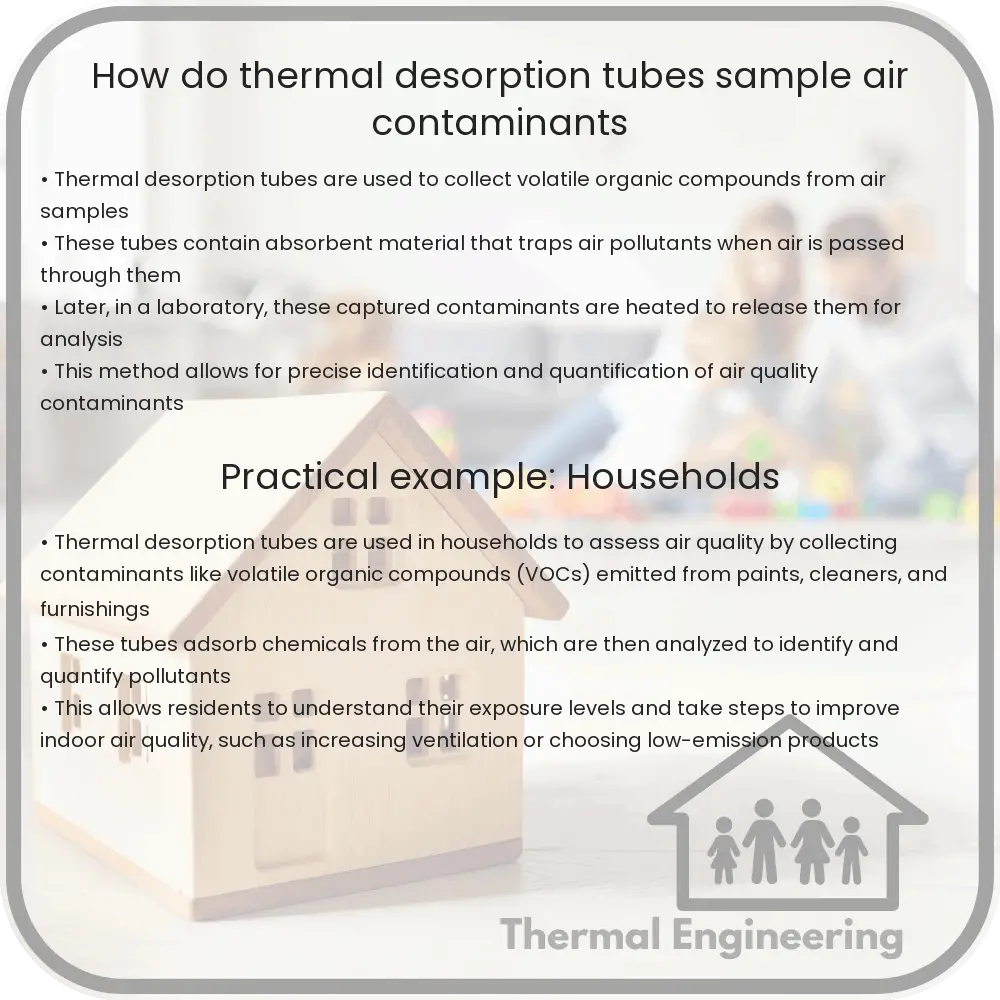
Thermal desorption tubes are an essential tool used in the study and measurement of volatile organic compounds (VOCs) in the air. These tubes provide a reliable method for sampling air contaminants, which is crucial for environmental monitoring, occupational health studies, and various forms of air quality research.

What are Thermal Desorption Tubes?

Thermal desorption tubes are small, cylindrical devices filled with an adsorbent material such as Tenax, silica gel, or activated carbon. These materials are selected for their ability to trap airborne chemical molecules at ambient temperatures efficiently.

How Do Thermal Desorption Tubes Work?

The principle behind thermal desorption tubes involves two main steps: adsorption and desorption.

  • Adsorption: During this phase, air is pulled through the tube by a sampling pump, and contaminants in the air are captured and concentrated by the adsorbent material. The ability to trap different chemicals depends on the nature of the adsorbent and the compounds’ physical and chemical properties.
  • Desorption: Once sampling is complete, the tubes are heated in a controlled environment, typically in a laboratory using a thermal desorption unit. The increase in temperature causes the trapped compounds to vaporize. This process reverses the adsorption effect, releasing the compounds into a gas phase.

Following desorption, the vaporized compounds are usually funneled into a gas chromatograph for analysis. This technique allows researchers to identify and quantify the types of contaminants present in the air sample initially collected.

Advantages of Using Thermal Desorption Tubes

Thermal desorption tubes offer several advantages that make them a preferred choice for air sampling in various fields:

  1. Sensitivity: These tubes can detect very low levels of VOCs, making them ideal for environments where pollutant levels are not visually apparent.
  2. Versatility: They can be used to sample a wide range of organic compounds, providing flexibility in the types of environments and situations they can be applied.
  3. Practicality: The tubes are portable, easy to use, and require minimal setup, which is beneficial for field studies and rapid assessments.
  4. Quantitative Analysis: When coupled with analytical techniques like gas chromatography, thermal desorption tubes provide quantitative data that is critical for regulatory compliance and health safety evaluations.

Applications of Thermal Desorption Tubes

Thermal desorption tubes are widely used across many sectors, including:

  • Environmental Monitoring: Assessing outdoor air quality and the impact of pollutants emitted by industrial activities.
  • Occupational Health: Monitoring workplace air to ensure safety standards are met and to protect workers from potential health hazards due to airborne chemicals.
  • Indoor Air Quality: Measuring levels of VOCs inside buildings and homes to evaluate the impact of indoor air on human health.

In conclusion, thermal desorption tubes are a powerful tool in the arsenal of environmental engineers and researchers. They not only help in mapping air contaminant levels but also play a critical role in designing interventions for pollution control and public health protection.

Thermal shock in ceramics

Understand the phenomenon of thermal shock in ceramics, highlighting its impact and management in various industrial applications.

Thermal shock in ceramics

Understanding Thermal Shock in Ceramics

Thermal shock is a critical phenomenon that occurs when a material, specifically ceramics in this context, is subjected to a sudden change in temperature. This abrupt change can lead to stress within the material due to differing rates of expansion or contraction, often resulting in damage such as cracks, weakening, or complete failure of the material. Understanding thermal shock in ceramics is essential in materials science and engineering for designing components that can withstand such stresses in various applications, including aerospace, automotive, and culinary industries.

The Physics of Thermal Shock

The susceptibility of ceramics to thermal shock is a consequence of their physical properties. Ceramics are known for their high hardness and melting points, low conductivity, and brittle nature. When exposed to a rapid temperature change, different parts of a ceramic object may expand or contract at different rates. This uneven expansion can introduce stress within the object. If the stress exceeds the material’s strength, it results in the formation of cracks.

The severity of thermal shock can be quantified by considering the following factors:

  • Thermal Conductivity (k): Materials with high thermal conductivity can quickly transfer heat across their volume, reducing temperature gradients and the resultant stress.
  • Thermal Expansion Coefficient (α): Materials with a lower coefficient of thermal expansion will experience less expansion or contraction with temperature changes, thereby reducing induced stress.
  • Elastic Modulus (E): A higher modulus indicates a stiffer material, which can be more prone to cracking under stress.
  • Strength (σ): Higher mechanical strength in ceramics usually offers better resistance to cracking.
  • Heat Capacity (Cp): A higher heat capacity means the material can absorb more heat energy without a significant rise in temperature, helping to mitigate rapid temperature changes.

The resistance to thermal shock, or thermal shock parameter (R), can be expressed using a simplified model:

\[ R = \frac{k * σ * C_p}{E * α^2} \]

This formula helps material scientists to compare the relative resistance to thermal shock among various ceramics and engineer solutions that either minimize these stresses or develop materials that can better withstand them.

Examples and Applications in Engineering

In practical applications, thermal shock resistance is a key consideration. For instance, ceramic tiles used on space shuttles are designed to withstand extreme temperature changes when the shuttle re-enters the Earth’s atmosphere from the cold of space. Similarly, in the automotive industry, parts like catalytic converters are made from ceramics capable of withstanding high temperature gradients as vehicle operating conditions change.

In the consumer sector, cookware made from ceramics is designed to handle the high heat of an oven directly after being in a much colder environment, such as a refrigerator. The specific types of ceramics used must have properties that can endure these quick transitions without damage.

Conclusion

Thermal shock in ceramics is a complex but fascinating subject that combines elements of physics and materials science. By understanding and measuring the factors that affect thermal shock, engineers and scientists can design ceramics that fulfill their roles in extreme conditions, making modern technological advances possible. From space exploration to everyday cooking, the manipulation and understanding of ceramic materials’ properties are crucial for developing safe and effective products.

This knowledge not only empowers industries but also fuels ongoing research and innovation within material sciences, pushing the boundaries of what materials can handle and how we can better equip them for the demanding environments they operate in.

What is the efficacy of thermal fogging for disinfection

Explore the principles and effectiveness of thermal fogging, a disinfection method utilizing heat to vaporize chemicals into a mist for combating microorganisms.

What is the efficacy of thermal fogging for disinfection

Understanding the Efficacy of Thermal Fogging for Disinfection

Thermal fogging is a disinfection technique that uses heat to create a fine mist (fog) which is dispersed into the air to reduce the levels of airborne microorganisms and viruses as well as those on surfaces. This article explores how thermal fogging works, its applications, and its effectiveness in disinfection practices.

How Thermal Fogging Works

Thermal foggers operate by using a heating component to vaporize a liquid solution, often containing disinfectants, into a fine mist. When the liquid solution is heated, it vaporizes and exits the fogger as a dense fog capable of penetrating hard-to-reach areas. This makes it particularly useful in complex spaces where traditional cleaning methods might fail to reach.

Components of the Solution Used in Fogging

The efficacy of thermal fogging largely depends on the chemical disinfectant used. Common chemicals include:

  • Hydrogen peroxide
  • Aldehydes
  • Phenolics
  • Quaternary ammonium compounds
  • Hypochlorous acid

Each of these chemicals has different strengths and limitations in terms of their spectrum of activity, contact time, and safety profile.

Effectiveness of Thermal Fogging

The effectiveness of thermal fogging as a disinfection method can vary based on factors such as:

  • Droplet size: Smaller droplets can remain in the air longer and thus have a better chance of contacting airborne pathogens.
  • Concentration of the disinfectant: Higher concentrations may increase efficacy but pose greater risks to human health and materials.
  • Contact time: Sufficient exposure time is needed for the disinfectant to be effective.
  • Type of microorganism: Different pathogens have varying levels of resistance to disinfectants.

Studies have shown that thermal fogging is particularly effective against a wide range of pathogens, including viruses such as influenza and coronaviruses, when used with appropriate disinfectants.

Applications of Thermal Fogging

Thermal fogging is used in various environments where high levels of disinfection are required. Some common applications include:

  • Hospitals and healthcare facilities
  • Laboratories and research facilities
  • Food processing plants
  • Public transport vehicles and facilities
  • Schools and educational institutions

Safety Considerations

While thermal fogging is effective, it must be conducted with safety precautions to minimize health risks to humans and animals, and damage to sensitive materials or equipment:

  • Use in well-ventilated areas to avoid inhalation.
  • Appropriate personal protective equipment (PPE) should be worn by operators.
  • Avoiding use in areas with electronic equipment sensitive to moisture.

In conclusion, thermal fogging is a powerful disinfection tool when used correctly with the appropriate chemical agents and safety precautions. It offers extensive coverage and effectiveness especially in complex environments, contributing significantly to public health measures, especially during outbreaks of infectious diseases.

How do thermal barriers in race cars protect drivers

Learn how thermal barriers enhance race car safety by reflecting heat and insulating drivers from extreme temperatures.

How do thermal barriers in race cars protect drivers

Understanding Thermal Barriers in Race Cars and Their Role in Driver Safety

In the high-speed, high-adrenaline world of auto racing, driver safety is paramount. One crucial aspect of driver protection is shielding them from extreme temperatures generated by the race car engine and exhaust systems. This protection is provided by thermal barriers—a specialized technology designed to insulate and reflect heat within the vehicle’s construction.

How Thermal Barriers Work

Thermal barriers are materials or coatings that are applied to various parts of the race car to protect components and the driver from excessive heat. They work primarily through two mechanisms: reflection of radiant heat and insulation.

  • Reflective Properties: Certain thermal barriers are designed with reflective surfaces to repel infrared radiation away from the driver’s compartment and other heat-sensitive components. These reflective coatings can significantly reduce the amount of heat that penetrates these areas.
  • Insulative Properties: Thermal barriers often have insulative properties that reduce heat transfer by conduction. This kind of barrier is essential in areas where components are in close proximity to high-temperature sources, such as the engine or exhaust pipes.

Materials Used in Thermal Barriers

The effectiveness of a thermal barrier depends heavily on its material properties. Common materials used include:

  1. Ceramic Coatings: Applied as a spray, these coatings can withstand very high temperatures and are excellent at reflecting heat.
  2. Fiberglass: Often used as a wrapping for exhaust components, fiberglass provides good insulation and heat resistance.
  3. Heat Shields: Made from metals such as aluminum or alloys, these shields reflect heat and protect sensitive components.

The Importance of Thermal Barriers for Driver Safety

The cockpit of a race car, where the driver resides, can reach dangerously high temperatures, particularly in long races or in warmer climates. Without adequate protection, drivers can suffer from heat exhaustion, reduced mental acuity, and even burns. Thermal barriers help maintain a more manageable temperature in the cockpit.

Additionally, thermal barriers protect critical vehicle components from heat damage, which can lead to mechanical failures that might endanger the driver. For instance, maintaining the integrity of the fuel system can prevent fire hazards, while protecting electronic systems ensures that the vehicle’s monitoring and safety systems function throughout the race.

Conclusion

Thermal barriers are a critical component in the design and operation of race cars, playing a key role in ensuring both the safety and performance of the vehicle. By reflecting and insulating against high temperatures, these systems protect drivers from the extreme conditions generated during a race, helping them maintain focus and physical health. As racing technology advances, the development of more effective and lighter thermal barrier materials continues to evolve, driving safety and performance standards ever higher.

Can thermal imaging reveal hidden architectural details

Unveiling architectural secrets and assessing structural integrity using thermal imaging technology in preservation efforts.

Can thermal imaging reveal hidden architectural details

Unveiling Hidden Architectural Details with Thermal Imaging

Thermal imaging, a technology that allows us to visualize heat distribution, has been increasingly employed in various fields including the study and preservation of architectural heritage. This innovative technique can reveal hidden or long-lost details of structures that are not visible to the naked eye.

How Does Thermal Imaging Work?

Thermal imaging cameras detect the infrared radiation (heat) that is naturally emitted by all materials. These cameras convert this radiation into a temperature and display it as an image of temperature distribution. The thermal palette in the camera assigns different colors to various temperatures, so warmer areas appear differently than cooler areas. This functionality is what makes thermal imaging so valuable in examining architectural structures.

Applications in Architecture

  • Identifying Structural Defects: Thermal imaging can detect irregular patterns of heat loss which might indicate areas of concern such as thermal bridging, missing insulation, or moisture intrusion—all of which are problematic for both energy efficiency and structural integrity.
  • Revealing Hidden Elements: In historical preservation, thermal imaging can uncover architectural details that have been obscured or covered over time, such as blocked passageways, old window framings, or underlying frescoes. By detecting variations in heat absorption and emission, these hidden features can be visualized.
  • Assessing Material Varieties: Different materials emit and absorb heat at different rates. Thermal imaging can highlight these differences, helping to distinguish between original materials and later additions or repairs in historical structures.

Case Studies

Several successful applications of thermal imaging in architecture highlight its utility:

  1. In the restoration of a historic building, thermal imaging revealed an original stone archway that was hidden behind a newer wall, enabling accurate restoration to its original state.
  2. During an evaluation of a medieval cathedral, thermal cameras identified moisture accumulation patterns that were not apparent on the surface, guiding more effective preservation efforts.

Limitations of Thermal Imaging in Architecture

While powerful, thermal imaging is not without limitations. The accuracy of a thermal image can be affected by environmental conditions such as sunlight, humidity, and wind, which can alter the thermal traits of materials temporarily. Additionally, thermal imaging requires interpretation by specialists trained in understanding heat patterns and the potential implications for the structure.

Conclusion

Thermal imaging serves as a crucial tool in the field of architecture, particularly in the preservation of historical structures. It provides a non-destructive means of revealing hidden details that could otherwise remain unnoticed. By allowing experts to see beyond what is visible to the eye, this technology can lead to more informed decisions in the maintenance and restoration of buildings, ensuring architectural integrity and heritage conservation are maintained.

How does a thermal lance cut through steel

Learn about the thermal lance, a high-temperature tool used for cutting steel, concrete, and other hard materials through oxidation.

How does a thermal lance cut through steel

Understanding the Power of a Thermal Lance in Cutting Through Steel

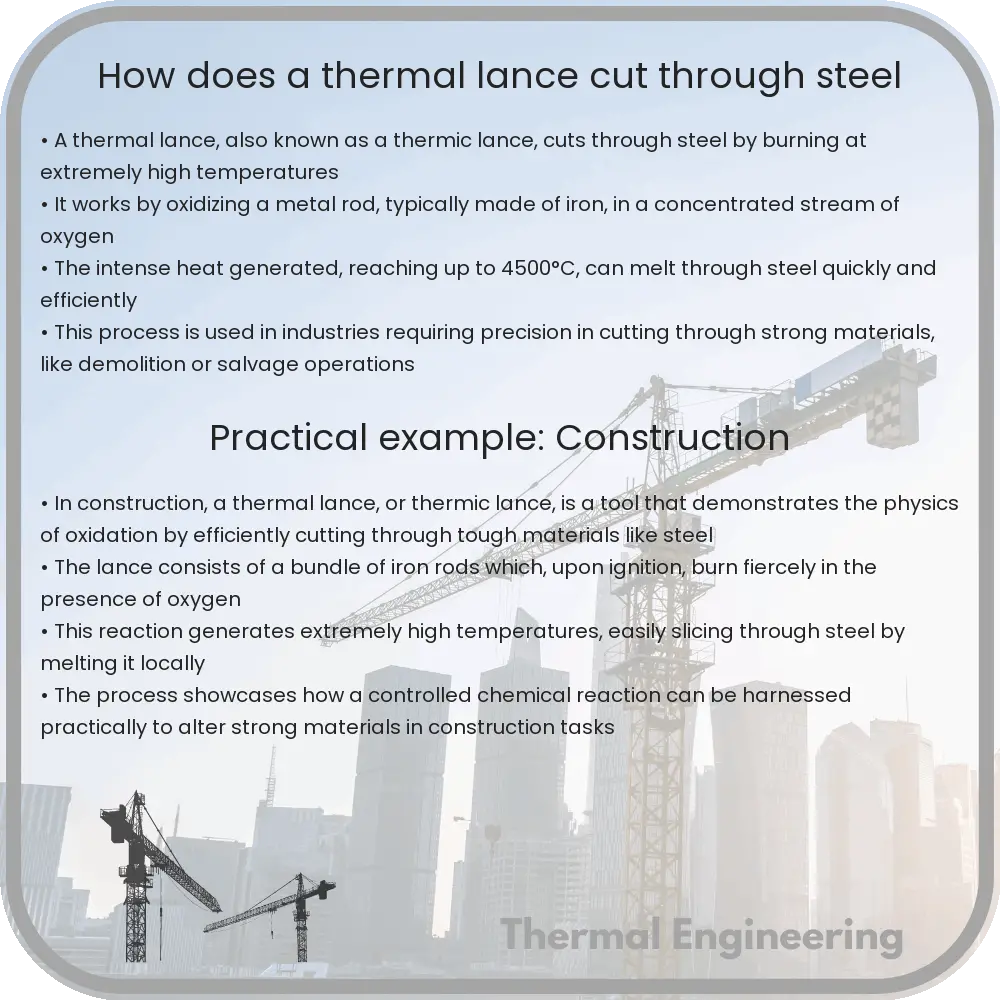
A thermal lance, also known as a thermic lance, oxygen lance, or burning bar, is a tool used to cut through materials such as steel, concrete, and other hard substances. This device utilizes the principles of oxidation to generate extreme heat, capable of melting the toughest materials in a matter of seconds.

What is a Thermal Lance?

A thermal lance is essentially a steel pipe packed with a series of iron rods. At the center, there is typically one rod made of a material with a lower ignition temperature compared to the rest of the iron rods. This setup is connected to a pressurized source of oxygen.

How it Works

The process of cutting through steel using a thermal lance involves several steps:

  • Ignition: The lance is ignited typically using a high-temperature source, such as an oxyacetylene torch. The initial rod lights first due to its lower ignition temperature.
  • Oxygen Flow: Once ignited, a strong flow of oxygen is continuously passed through the pipe. The oxygen plays a critical role in sustaining the reaction.
  • Oxidation Reaction: The intense heat from the initial burning rod ignites the iron rods, and the oxygen rapidly oxidizes the iron at high temperatures. This reaction releases a substantial amount of energy and produces molten iron and a significant amount of heat.
  • Melting Through Material: The combined effect of molten iron and high heat assists in melting through the steel or other material being cut. The molten slag is expelled from the cut, clearing a path through the material.

The temperatures reached during the cutting process can exceed 4000°C (7232°F), which is more than enough to melt steel, which typically melts at around 1500°C (2732°F).

The Chemistry Behind It

The primary reaction occurring inside a thermal lance is the oxidation of iron in an oxygen-rich environment. The overall chemical reaction can be summarized with the following equation:

3Fe + 2O2 → Fe3O4

This reaction indicates that three atoms of iron (Fe) react with two molecules of oxygen (O2) to form one molecule of iron oxide (Fe3O4), releasing a tremendous amount of heat. This exothermic reaction is self-sustaining once initiated, as long as oxygen continues to be supplied.

Applications of Thermal Lances

Thermal lances are used in a variety of applications where conventional cutting methods are inadequate. Their utilization spans:

  • Scrapyard Operations: Used for cutting large pieces of scrap metal that are too thick for traditional cutting tools.
  • Construction and Demolition: Effective in demolishing concrete structures, especially those containing heavy rebar.
  • Emergency Rescue Operations: Useful in quickly cutting through debris in collapsed structures to rescue trapped individuals.
  • Underwater Cutting: Deployed in underwater salvage operations to cut through sunken ships and other obstacles.

In conclusion, a thermal lance represents a powerful tool in the industrial and rescue operations arena, leveraging the basic principles of oxidation to achieve astonishing temperatures for cutting through robust materials like steel with relative ease.

Can thermal drones aid in wildlife research

Thermal drones enhance wildlife research by providing non-invasive, accurate monitoring and data collection in diverse environmental conditions.

Can thermal drones aid in wildlife research

Exploring the Role of Thermal Drones in Wildlife Research

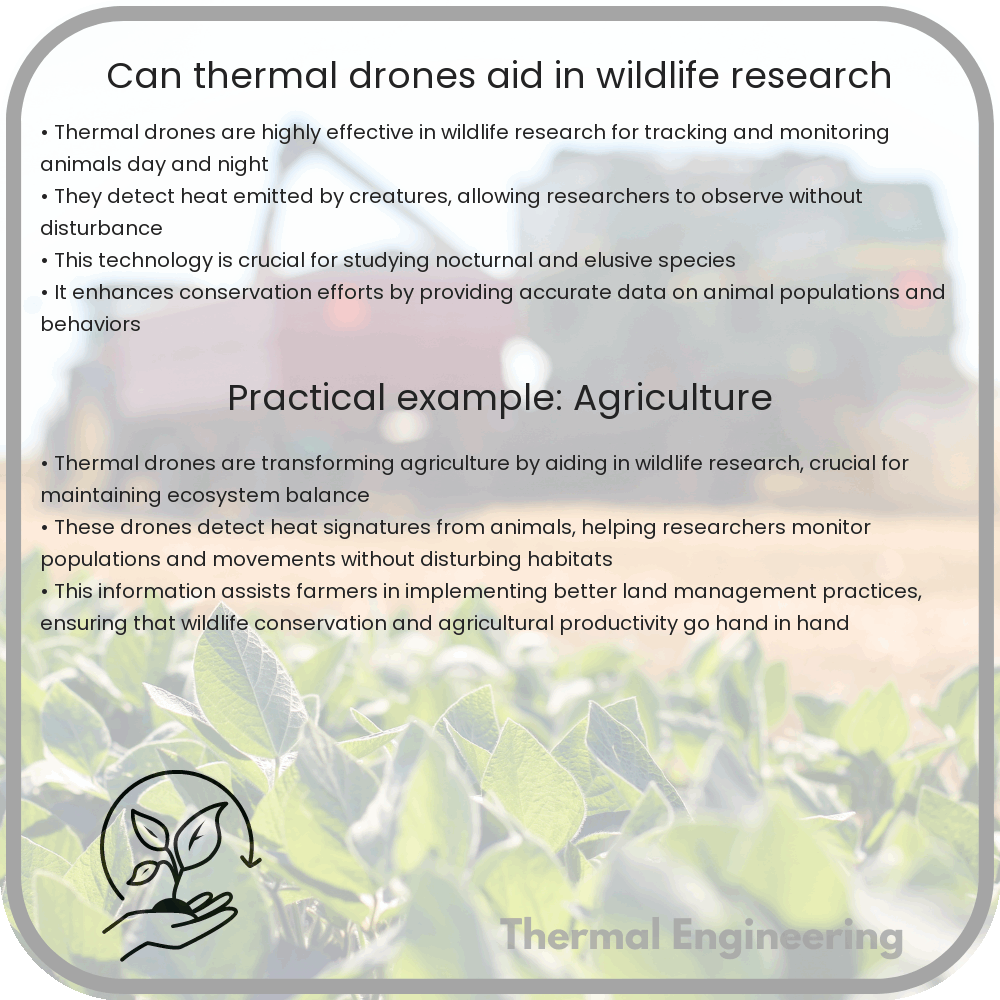
The integration of technology in wildlife research has marked a significant advancement in how we study and conserve ecosystems. Among these technologies, thermal drones have emerged as a powerful tool that can enhance the effectiveness and efficiency of wildlife research. These drones, equipped with thermal imaging cameras, offer a novel perspective in studying wildlife by providing data that is often challenging to gather through traditional methods.

Understanding Thermal Imaging

Thermal imaging technology utilizes cameras that detect infrared energy (heat) emitted from objects and convert it into an electronic image that displays the temperature variations of the object’s surface. Wildlife, being warm-blooded animals, naturally emits heat, making them detectable against cooler backgrounds typically found in their natural habitats.

Applications of Thermal Drones in Wildlife Research

  • Population Monitoring: Thermal drones provide a unique advantage in counting and monitoring wildlife populations, especially in dense or inaccessible terrains. Researchers use these drones to capture overhead thermal images that can identify and count animals based on their heat signatures, even during nighttime when many species are more active.
  • Behavioral Studies: Observing the natural behavior of animals without human disturbance is crucial for accurate data. Drones allow researchers to study the nocturnal activities, migration patterns, and social behaviors of wildlife from a safe distance, ensuring minimal disruption to their natural habits.
  • Health Assessments: The heat signature of an animal can provide insights into its health status. Abnormal heat patterns, such as those caused by infections or injuries, can be detected with thermal cameras. This application is particularly useful in large wildlife reserves where close monitoring of individual animals is challenging.
  • Anti-Poaching Operations: Poaching remains a serious threat to wildlife, and thermal drones serve as an effective surveillance tool to combat this issue. Equipped with thermal imaging, drones can patrol large areas of parkland during the night, detecting poachers based on their heat signatures and alerting authorities.

Advantages of Using Thermal Drones

  • Non-invasive Monitoring: Drones allow researchers to observe animals without physically intruding into their space, reducing stress and behavior alterations caused by human presence.
  • Access to Difficult Terrains: Many wildlife habitats are in locations difficult or dangerous for humans to access. Thermal drones can easily and safely reach these areas, providing detailed images that aid in the study of these ecosystems.
  • Extended Observation Hours: Since thermal imaging does not rely on visible light, drones can operate effectively at night or in other low-light conditions, times when many wildlife species are active and most data can be collected.

Challenges and Considerations

While thermal drones are a promising addition to wildlife research, they also present certain challenges. First, the accuracy of thermal imaging can be influenced by environmental factors such as humidity, rain, or fog. Additionally, interpreting thermal images requires specialized knowledge and training, particularly in distinguishing between animal species and inanimate objects. Moreover, the use of drones must be regulated to avoid causing disturbances to wildlife, particularly to species sensitive to noise or sudden movements.

In conclusion, thermal drones offer a compelling tool for wildlife research, providing significant benefits in monitoring, behavioral studies, and conservation efforts. However, the adoption of this technology must be accompanied by careful consideration of its limitations and ethical use to ensure that it contributes positively to the field of wildlife conservation.