Facebook Instagram Youtube Twitter

Gas Turbine | Power Production Types

Learn about power production using gas turbines, including simple cycle, combined cycle, and cogeneration configurations.

Gas Turbine | Power Production Types

Understanding Gas Turbines for Power Production

Gas turbines are a crucial component in the energy sector, used extensively for power production. These machines convert natural gas or other fuels into mechanical energy and then into electrical energy. The process involves several core operations including compression, combustion, and expansion. This article explores the different types of power production using gas turbines and their operational principles.

Types of Power Production with Gas Turbines

Gas turbines are versatile and are used in various arrangements for power production, primarily:

  • Simple Cycle Gas Turbines
  • Combined Cycle Gas Turbines
  • Cogeneration (or Combined Heat and Power, CHP)

Simple Cycle Gas Turbines

In a simple cycle, the gas turbine operates with only the basic engine components: an air compressor, a turbine, and a combustion chamber. Air is compressed in the compressor; fuel is injected into the combustion chamber where it ignites and expands rapidly. This high-pressure gas then drives the turbine, which in turn powers a generator for electricity production.

Simple cycle gas turbines are known for their quick start-up capabilities and ability to deliver large amounts of power on demand. However, they are less efficient compared to other setups, with typical energy efficiencies around 35-40%.

Combined Cycle Gas Turbines

Combined cycle systems enhance efficiency by utilizing the waste heat from the gas turbine to generate additional power. After powering the gas turbine, the exhaust heat passes through a heat recovery steam generator (HRSG). This system generates steam, which then drives a steam turbine, producing additional electricity.

This configuration significantly improves the efficiency of the system, with values potentially reaching up to 60% or more. Combined cycle plants are particularly effective for sustained, high-capacity power generation, making them a favorite in static installations like power stations.

Cogeneration (Combined Heat and Power, CHP)

Cogeneration is an efficient way to use a gas turbine to produce not only electricity but also useful heat. The heat generated from the turbine, which would otherwise be wasted, is used for residential or industrial heating purposes such as water heating, space heating, or even cooling through absorption chillers.

CHP systems can achieve total efficiency levels (electrical and thermal) of up to 80-90%, depending on the setup and the utility requirements. This high efficiency makes cogeneration a popular choice for applications such as hospitals, universities, and industrial complexes where both electricity and heat are consistently in demand.

Conclusion

Gas turbines are a dynamic and vital technology in modern power production. Whether through simple cycle, combined cycle, or cogeneration deployments, gas turbines offer flexibility to meet varying demands of energy production, efficiency, and environmental sustainability. As advancements in turbine technology continue, their role in global energy solutions is set to become even more prominent.

Understanding the basic configurations and principles of gas turbines aids in appreciating the complexity and the ingenious engineering behind modern power systems, opening up new perspectives on how our energy needs are met efficiently and reliably.
Thermosyphon Cooler | Passive Cooling Types

Learn about thermosyphon coolers, passive cooling systems utilizing natural convection for efficient heat transfer without external power.

Thermosyphon Cooler | Passive Cooling Types

Understanding Thermosyphon Coolers: A Guide to Passive Cooling Systems

Thermosyphon coolers represent a fascinating application of thermal physics in engineering, providing efficient cooling mechanisms without the need for mechanical pumps. This method, which leverages the principles of natural convection and phase change, falls within a broader category of technologies known as passive cooling systems.

What is a Thermosyphon Cooler?

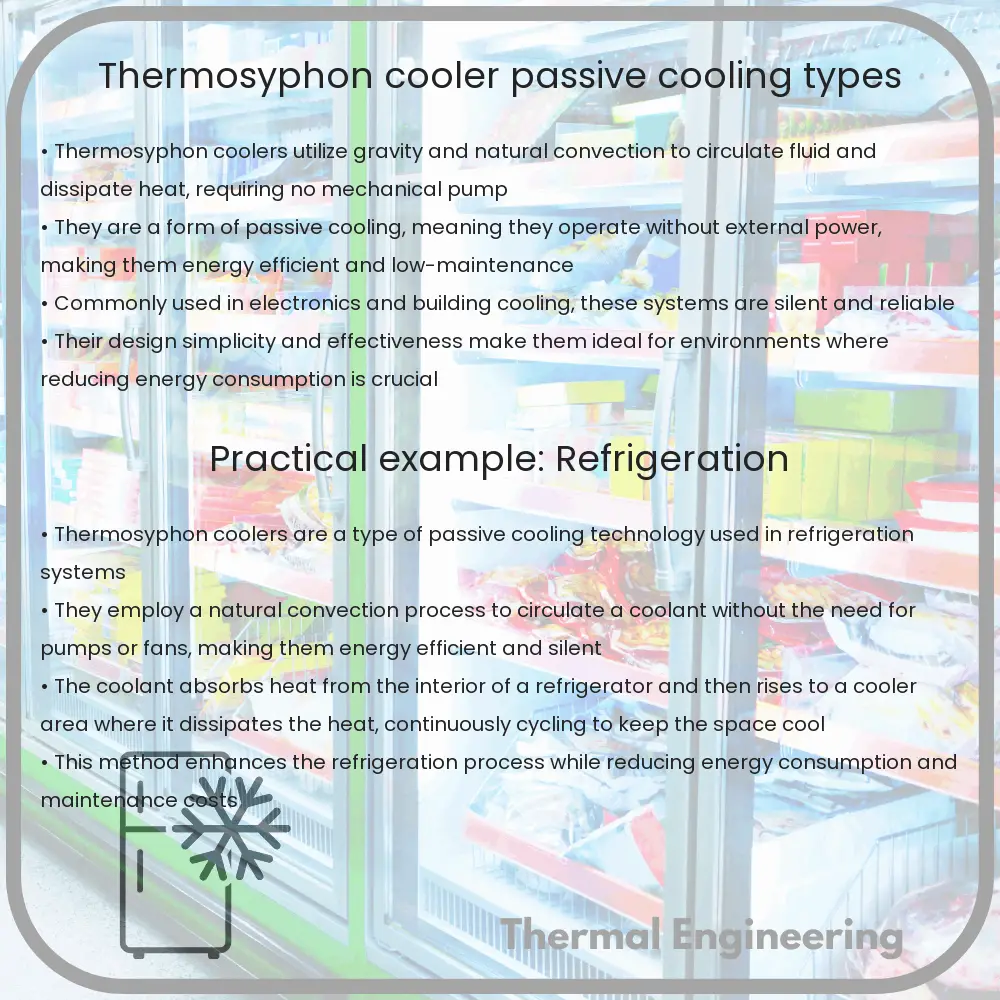
A thermosyphon cooler is a device that facilitates the transfer of heat through a fluid medium, typically without external power input. It uses a closed-loop system, relying on the natural convection currents generated by temperature differences within the fluid. The basic components of a thermosyphon include an evaporator section, a condenser section, and a connecting pipe that allows the fluid medium to circulate.

How Does a Thermosyphon Work?

The operation of a thermosyphon is grounded in the principles of heat transfer and fluid dynamics. The process consists of the following steps:

  1. Evaporation: The process begins at the evaporator, which is typically located at a lower position. Heat from an external source (such as an electronic component that needs cooling) is absorbed by the fluid inside the evaporator. As the fluid heats up, it changes phase from liquid to vapor, becoming less dense.
  2. Rising Vapor: Due to its lower density, the heated vapor rises naturally through the connecting pipe towards the condenser at the top.
  3. Condensation: At the condenser, the vapor releases its heat to the surroundings and transforms back into liquid form. This phase change releases a significant amount of latent heat, effectively removing heat from the fluid.
  4. Returning Liquid: The condensed liquid then travels back down to the evaporator due to gravity, aided by the cooler and denser liquid’s natural tendency to sink. This cycle repeats, continually transporting heat from the hot region to the cooler region.

The efficiency of a thermosyphon cooler is influenced by factors such as the properties of the working fluid (like thermal conductivity and heat of vaporization), the dimensions of the system components, and the temperature differential between the heat source and the ambient environment.

Applications of Thermosyphon Coolers

Thermosyphon systems are widely utilized in various applications where reliable and maintenance-free cooling is necessary:

  • Electronic Equipment: They are used to cool high-performance computing systems and other electronic components.
  • Solar Water Heaters: Thermosyphons are crucial in passive solar water heating systems, helping to transport heat from solar collectors to storage tanks.
  • Refrigeration: In some refrigeration applications, these coolers help maintain optimal temperatures with greater energy efficiency compared to active cooling methods.

Advantages of Thermosyphon Coolers

Thermosyphon coolers offer several advantages over traditional mechanical cooling systems:

  • No Moving Parts: The absence of mechanical pumps or fans minimizes maintenance requirements and enhances reliability.
  • Energy Efficiency: They require no additional energy input for the coolant’s circulation, relying solely on natural convection.
  • Cost-Effective: Lower operating and maintenance costs make thermosyphons an economical choice for many cooling applications.
  • Scalability: The design can be scaled for different applications, from small electronic devices to large industrial systems.

In conclusion, thermosyphon coolers are a prime example of how fundamental physical principles can be applied ingeniously in engineering to solve practical problems, particularly in the realm of thermal management. Their simple yet effective operation, coupled with cost and energy efficiency, makes them an attractive option for passive cooling needs across various sectors.

Cryocooler | Low Temp Types & Cycle

Learn about cryocoolers, specialized devices crucial for achieving extremely low temperatures in high-tech industries.

Cryocooler | Low Temp Types & Cycle

Understanding Cryocoolers: Types and Low-Temperature Cycles

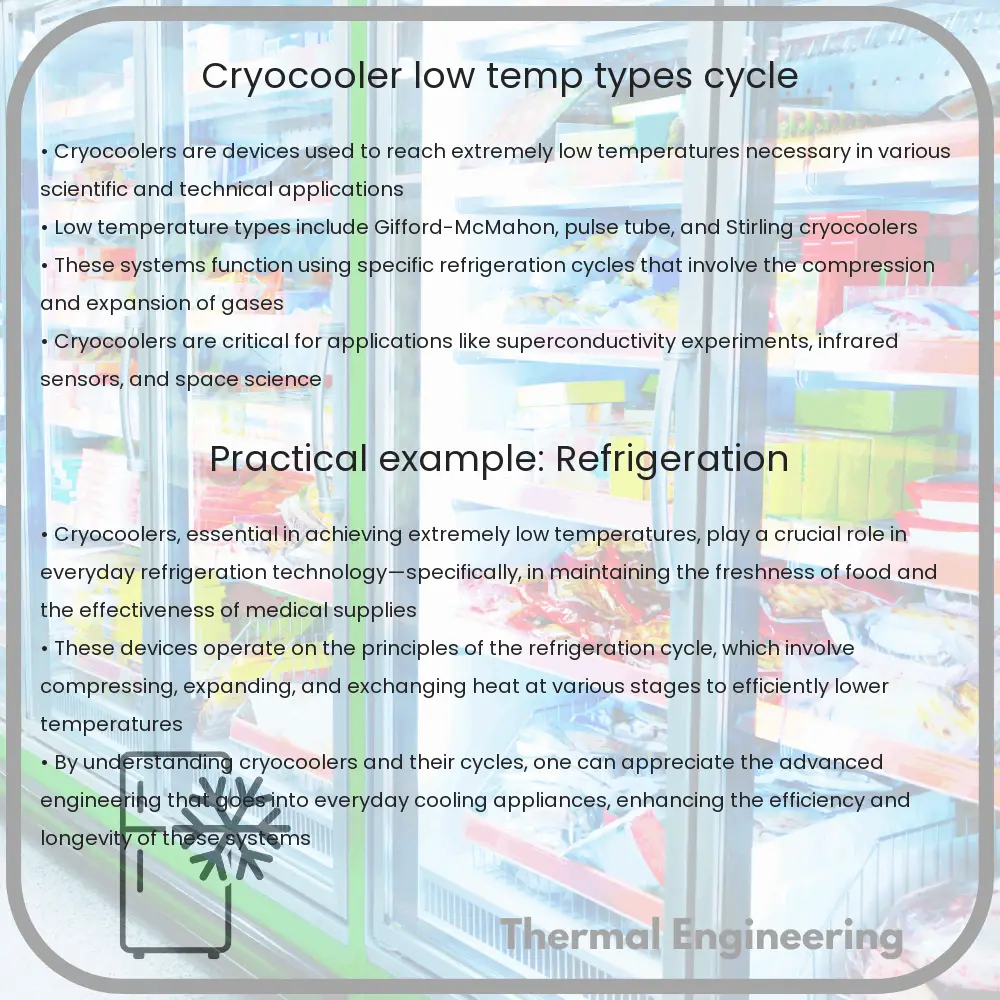
Cryocoolers are specialized devices used to reach extremely low temperatures, typically below the range of conventional refrigerators. These devices play a critical role in various high-tech industries such as aerospace, military, healthcare, and quantum computing, where maintaining low temperatures is essential for proper functionality and efficiency. In this article, we’ll explore the basic types of cryocoolers and the thermodynamic cycles they employ to achieve low temperatures.

Types of Cryocoolers

Cryocoolers come in several types, each based on different physical principles and suitable for specific applications. The two most commonly used types are:

  • Gifford-McMahon Cryocoolers: These cryocoolers are renowned for their reliability and capacity to reach very low temperatures, typically down to 10 K (-263.15°C). They operate using a regenerator that temporarily absorbs and releases heat, facilitated by a cyclic process involving gas compression and expansion. Suitable for a range of commercial and research applications, Gifford-McMahon cryocoolers are particularly favored where stability and long operating lifetimes are crucial.
  • Pulse Tube Cryocoolers: These function similarly to the Gifford-McMahon type but with fewer moving parts, leading to reduced maintenance and vibration. Instead of using a displacer, pulse tube cryocoolers use an oscillating pressure wave in a tube to generate cooling. This makes them ideal for applications where minimal mechanical disturbance is critical, such as in sensitive scientific measurements and space applications.

Low Temperature Cycles

The effectiveness of cryocoolers largely depends on the thermodynamic cycles they utilize to achieve and maintain low temperatures. The two main cycles used are:

  • Claude Cycle: This cycle is widely used in cryocoolers and employs a series of compressors and expanders to cool the gas. The Claude cycle is similar to the basic refrigeration cycle but optimized for much lower temperatures. By allowing the gas to expand through an expander, it cools down rapidly, reaching temperatures necessary for applications like MRI machines and air liquefaction.
  • Stirling Cycle: Utilized in both coolers and engines, the Stirling cycle involves compressing and expanding a fixed amount of gas in a sealed environment. This cyclic compression and expansion cool the gas efficiently. Stirling cryocoolers are particularly appreciated for their high efficiency and the simplicity of their design, making them suitable for smaller devices requiring low power consumption.

Each type of cryocooler and their respective cycles have pros and cons depending on the specific application requirements such as desired temperature range, stability, power consumption, and environmental considerations. Whether it’s maintaining the superconducting magnets in an MRI scanner, or ensuring the operational integrity of satellites in space, understanding these systems helps in choosing the right cryocooler for the job.

In conclusion, cryocoolers are essential devices in modern engineering and technology, providing the low temperatures necessary for a variety of critical applications. Understanding the different types and their operating cycles is crucial for selecting the right system for specific needs, ensuring efficiency, and reliability in high-tech environments.

District Heating System | Urban Heat Sources

Learn about district heating systems, their components, benefits, challenges, and how they efficiently utilize urban heat sources for city-wide heating solutions.

District Heating System | Urban Heat Sources

Introduction to District Heating Systems

District heating systems are a highly efficient way to heat multiple buildings from a single, centralized source. This system distributes thermal energy in the form of steam or hot water through a network of insulated pipes to residential, commercial, and industrial buildings. The focus of this article is to explore how these systems integrate urban heat sources to create an effective solution for heating in urban areas.

How District Heating Works

District heating typically involves three main components: a heat source, a distribution network, and heat exchangers inside the customer’s premises. The process starts with the generation of heat, usually in a plant that may utilize various fuels or waste heat sources. The heat is then transferred to water or steam, which is transported through the pipes of the distribution network. Upon reaching individual buildings, heat exchangers transfer the heat to the building’s heating system, after which the cooled water or condensed steam is returned to the heat source for re-heating.

Urban Heat Sources for District Heating

Urban areas offer unique opportunities to utilize diverse heat sources for district heating systems:

  • Industrial Waste Heat: Large factories often produce vast amounts of excess heat, which can be captured and used as a primary heat source for nearby residential and commercial buildings.
  • Power Plants: Combined heat and power (CHP) plants are particularly efficient as they are designed to produce both electricity and heat, with the latter being distributed through the district heating network.
  • Renewable Energy Sources: Sources like geothermal energy, solar thermal panels, and biomass can be integrated into the district heating system, aligning with sustainability goals.
  • Incineration Plants: Plants designed for the incineration of municipal solid waste not only reduce waste volume but also produce heat, which can be fed into the district heating system.

Advantages of District Heating

Utilizing district heating systems offers multiple benefits:

  • Efficiency: Centralized production of heat tends to be more efficient and can significantly reduce primary energy use.
  • Reduced Emissions: By using waste heat and integrating renewable energy sources, district heating can lead to substantial reductions in greenhouse gas emissions.
  • Cost-Effectiveness: Shared infrastructure and operational costs lead to lower heating costs for end-users in the long run.
  • Flexibility: These systems can easily integrate new technologies and energy sources as they develop.

Challenges and Considerations

While district heating systems offer numerous advantages, they also come with challenges that need to be addressed:

  • Infrastructure Costs: The initial capital investment for building the infrastructure can be high.
  • Geographical Limitations: Effectiveness can depend on the geographic layout and density of buildings within the area.
  • Regulatory and Financial Frameworks: Successful implementation often requires supportive policies and incentives from government bodies.

Conclusion

District heating systems represent a robust solution for urban heating needs, efficiently utilizing local heat sources and supporting environmental sustainability. As cities continue to grow, the adaptation and integration of these systems in urban planning could play a crucial role in achieving energy efficiency and reducing carbon footprints on a wider scale.

Induction Furnace | Metal Melting & Types

Learn how induction furnaces use electromagnetic induction for energy-efficient metal melting across various industrial applications.

Induction Furnace | Metal Melting & Types

Understanding Induction Furnaces: Metal Melting & Types

An induction furnace is a type of electric furnace used for melting metal. This device is essential in foundries and metalworking plants, offering a clean, energy-efficient, and controllable melting process. Unlike traditional furnaces, induction furnaces do not use combustion to heat metal; instead, they use electromagnetic induction to produce heat.

How Induction Furnaces Work

Induction heating relies on the basic principles of electromagnetic induction. An induction furnace typically consists of a coil of copper wire, an electric power supply, and a metal charge to be melted. When an alternating current (AC) flows through the coil, it creates a rapidly reversing magnetic field. This magnetic field penetrates the metal charge, generating electrical currents within the metal itself. These currents, known as eddy currents, produce localized heating that melts the metal.

The efficiency of melting in an induction furnace is significantly high because the heat is generated directly in the metal charge as opposed to being transferred from another source. This direct heating method allows for rapid melting and reduces energy loss.

Types of Induction Furnaces

Induction furnaces are categorized based on the type of frequency of the current used, which affects their heating behavior and the applications they are best suited for:

  • High-Frequency Induction Furnaces: These furnaces operate with frequencies ranging from 10 kHz to 1 MHz, making them suitable for the melting of small batches of metals or precious metals like gold and silver. They are highly precise in their heating.
  • Medium-Frequency Induction Furnaces: These are typically used in foundries for melting large quantities of iron, steel, and non-ferrous metals. They operate at frequencies between 150 Hz to 10 kHz.
  • Low-Frequency Induction Furnaces: Operating at frequencies below 50 Hz, these furnaces are used for large scale iron melting due to deeper electromagnetic penetration which is ideal for larger volumes.

Advantages of Induction Furnaces

  • Energy Efficiency: These furnaces convert up to 90% of the energy consumed into useful heat. Conventional furnaces generally achieve only 50-60% energy efficiency.
  • Improved Metal Quality: Induction heating provides uniform temperature distribution and precise control over the melting process, which helps in reducing impurities and producing higher quality metal.
  • Reduced Pollution: Since induction furnaces use electricity and do not burn fossil fuels, they emit fewer pollutants compared to traditional melting furnaces.
  • Operational Flexibility: They can be started and stopped quickly, making them ideal for foundries that operate on a batch basis or require frequent alloy changes.

Applications of Induction Furnaces

Induction furnaces are versatile tools used in various applications across the metalworking industry. They are commonly used for:

  • Melting ferrous and non-ferrous metals for casting
  • Alloy production and mixing
  • Production of high-quality castings used in automotive and aerospace industries
  • Precious metal processing and refining

In conclusion, induction furnaces represent a crucial technology in modern metallurgy, offering efficient, clean, and controllable metal melting capabilities. As energy costs continue to rise and environmental regulations become more stringent, the role of induction furnaces is likely to grow, helping industries achieve higher productivity and sustainability standards.

Thermal Cyclers | PCR Types & Lab Applications

Learn about thermal cyclers, essential devices in labs for DNA amplification via various PCR methods, and their diverse applications in research.

Thermal Cyclers | PCR Types & Lab Applications

Understanding Thermal Cyclers: PCR Types and Lab Applications

Thermal cyclers, crucial instruments in molecular biology labs, enable the amplification of DNA sequences through the polymerase chain reaction (PCR). This technology has extensive applications ranging from genetic research to forensic science. By understanding the different types of PCR and their specific lab applications, researchers can choose the appropriate method to meet their experimental needs.

What is a Thermal Cycler?

At its core, a thermal cycler is a device that precisely regulates temperature over time, facilitating the PCR process. This device cycles through various temperature stages – typically denaturation, annealing, and extension – which are necessary for amplifying a specific segment of DNA.

Types of PCR

Over the years, different types of PCR have been developed to address specific research needs. Here are some of the most common types:

  • Standard PCR: The basic form of PCR that amplifies DNA segments using temperature cycling.
  • Real-Time PCR (qPCR): This method not only amplifies DNA but also quantifies the amplified DNA in real time. It uses fluorescent markers to measure the DNA as it accumulates.
  • Reverse Transcription PCR (RT-PCR): Useful in gene expression studies, this type involves converting RNA into DNA, which is then amplified.
  • Digital PCR: Provides a highly accurate method of quantifying DNA by partitioning the sample and running simultaneous PCR reactions.
  • Multiplex PCR: Allows the simultaneous amplification of multiple targets in a single PCR experiment by using multiple sets of primers.

Key Components of a Thermal Cycler

A typical thermal cycler consists of several crucial components:

  • Block or Well: Where the PCR reaction mixtures are placed. These may vary in format supporting different numbers and sizes of tubes or plates.
  • Heating and Cooling System: Helps in switching temperatures quickly to the specific levels needed for each step of the PCR cycle.
  • Lid: Heated to prevent condensation from forming on the tubes during the PCR process.
  • Software: Manages the cycling conditions, allowing for the customization of temperature and time parameters for different types of PCR.

Applications of Thermal Cyclers in Labs

Thermal cyclers find a diverse array of applications in scientific labs:

  • Clinical Diagnostics: Utilized heavily in diagnostics, particularly in detecting and quantifying pathogens in patient samples.
  • Genetic Research: Essential for cloning, gene expression analysis, and SNP genotyping.
  • Forensic Science: Used to amplify DNA from very small or degraded samples for identification and analysis.
  • Environmental Science: Helps in analyzing environmental samples for the presence of microbial communities or pollutants.

In summary, thermal cyclers are foundational tools in modern biological research. Their ability to perform different types of PCR makes them indispensable in a wide range of scientific disciplines. With advancements in PCR technologies, thermal cyclers continue to evolve, pushing the boundaries of what can be achieved in genetic analysis and beyond.

Immersion Heater | Liquid Heating Applications

Learn about immersion heaters, electrical devices for efficient liquid heating in industrial and domestic environments.

Immersion Heater | Liquid Heating Applications

Understanding Immersion Heaters: Applications in Liquid Heating

Immersion heaters are a type of electrical heating device designed to be immersed directly into liquids for heating purposes. These devices are widely used in various industrial and domestic applications due to their efficiency and simplicity of design. This article explores the fundamental principles behind immersion heaters, common types, and their applications in heating liquids.

How Immersion Heaters Work

Immersion heaters commonly operate by converting electrical energy into heat through a resistive heating element. When electric current flows through the element, it encounters resistance, which generates heat. This heat is then directly transferred to the liquid surrounding the element. The basic equation governing the heat energy (Q) generated can be expressed as:

Q = I2 * R * t

  • I is the current through the element (in amperes)
  • R is the resistance of the heating element (in ohms)
  • t is the time over which the current flows (in seconds)

This direct method of heating allows for high energy efficiency as almost all the heat generated is absorbed by the liquid itself, with minimal losses to the surrounding environment.

Types of Immersion Heaters

Immersion heaters come in various forms to suit different applications:

  1. Flanged Immersion Heaters: Commonly used in industrial applications for heating large volumes of liquids such as water in tanks.
  2. Screw-plug Heaters: These are used in smaller containers and are typically easy to install and maintain, making them suitable for commercial and industrial equipment.
  3. Over-the-side Heaters: As the name suggests, these heaters are placed over the side of the tank, ideal for temporary heating requirements or where it is not feasible to drain the tank to install a heater.

Applications of Immersion Heaters

Immersion heaters are versatile and found in a multitude of settings:

  • Industrial Manufacturing: Used for processing chemicals, oils, and corrosive solutions. Immersion heaters help maintain the required temperatures for different chemical reactions and processes.
  • Water Heating: Essential in both residential and commercial settings for providing hot water. This includes water tanks, swimming pools, and spas.
  • Food and Beverage Industry: Used for heating substances like oils and chocolate, which require precise temperature control during processing.
  • Frost Protection: They are crucial in preventing the freezing of liquids in colder climates, thus ensuring the continuity of industrial operations.

These applications highlight the significant role of immersion heaters in modern industrial and domestic setups, where precision temperature control and efficient heating methods are paramount. The direct heating approach of immersion heaters offers an efficient and controlled method to raise the temperature of liquids, enhancing process efficiency in various applications.

Conclusion

Immersion heaters are an integral part of heating systems in many industrial and household environments. Their design allows for direct heating of liquids, making them an efficient choice for applications requiring rapid and precise temperature control. By understanding the types and operations of immersion heaters, industries can better utilize this technology to improve their processes and energy efficiency. Whether it’s for large-scale industrial use or simple residential water heating, immersion heaters prove to be essential in modern thermal management solutions.

Exploring and implementing the right type of immersion heater can lead to significant enhancements in process reliability and energy savings across various industries.

Molten Salt Reactor | Clean Energy & Safety

Learn about Molten Salt Reactors (MSRs), a groundbreaking nuclear technology enhancing safety and efficiency in clean energy.

Molten Salt Reactor | Clean Energy & Safety

Molten Salt Reactors: Pioneering Clean and Safe Nuclear Energy

Molten Salt Reactors (MSRs) are a type of nuclear reactor that use liquid fuel rather than the solid fuel rods typically used in conventional nuclear reactors. This innovative approach offers significant improvements in safety and efficiency, pushing forward the frontier of clean energy technology. MSRs have the potential not only to reduce our reliance on fossil fuels but also to enhance the safety and sustainability of nuclear power.

How Molten Salt Reactors Work

In conventional nuclear reactors, solid fuel rods containing fissile materials like uranium or plutonium are used to initiate nuclear fission. The heat generated from this process is then used to produce steam that drives turbines to generate electricity. In contrast, MSRs use a liquid mixture of molten salts (fluorides or chlorides) as both the fuel and coolant. This liquid circulates through the reactor, absorbing heat generated by nuclear fission, and directly transfers this heat to a secondary coolant or to a power generation system.

The core components of an MSR consist of a reactor vessel filled with molten salt fuel, a heat exchanger, and a system to remove or introduce fissile material based on power demand. Unlike solid fuels that need to be manufactured and handled carefully to avoid accidents, liquid fuels in an MSR can be managed more flexibly and safely.

Advantages of Molten Salt Reactors

  • Safety: MSRs operate at atmospheric pressure, significantly lower than the high pressures required in traditional water-cooled reactors. This reduces the risk of explosions. Moreover, the molten salt has a high boiling point, which exceeds the operating temperatures of the reactor, further enhancing safety by preventing pressure buildups.
  • Efficiency: MSRs can operate at higher temperatures than conventional reactors, which can increase the thermodynamic efficiency of converting heat to electricity. This means more energy can be produced from the same amount of fuel.
  • Fuel Flexibility: MSRs can run on various types of nuclear fuel, including uranium, plutonium, and thorium, potentially making them more adaptable and resource-efficient.
  • Waste Reduction: The ability to reprocess fuel while the reactor is in operation allows MSRs to consume a larger fraction of their nuclear fuel, resulting in less nuclear waste.
  • Load Following: MSRs can adjust their power output quickly in response to changes in power demand, making them well-suited for integrating with intermittent renewable energy sources like solar and wind.

Challenges and Research Directions

Despite their potential, several challenges must be addressed to fully realize the benefits of MSRs. These include:

  1. Corrosion: High-temperature molten salts can be corrosive to traditional materials used in nuclear reactors. Developing new materials that can withstand these conditions is crucial.
  2. Fuel Handling: Safe and efficient handling of the liquid fuel, including waste management and fuel reprocessing, needs further development.
  3. Regulatory Approval: As a relatively new technology, MSRs must navigate the complex landscape of nuclear regulation and public perception.

In conclusion, Molten Salt Reactors offer a promising pathway towards safer, more efficient, and cleaner nuclear energy. With ongoing research and technological advances, MSRs could play a critical role in the global energy mix, contributing significantly to carbon neutrality and energy security in the future.

Pyrolytic Oven | Self-Cleaning Domestic Types

Learn about pyrolytic ovens, their self-cleaning technology, safety features, and benefits for modern kitchens.

Pyrolytic Oven | Self-Cleaning Domestic Types

Understanding Pyrolytic Ovens: Self-Cleaning Marvels in Modern Kitchens

Pyrolytic ovens represent a significant advancement in kitchen technology, offering a high-tech approach to one of the most tedious household chores: oven cleaning. Known for their self-cleaning capability, these ovens are designed to save time and reduce the need for chemical cleaning agents, making them an environmentally friendly choice for modern households.

How Pyrolytic Cleaning Works

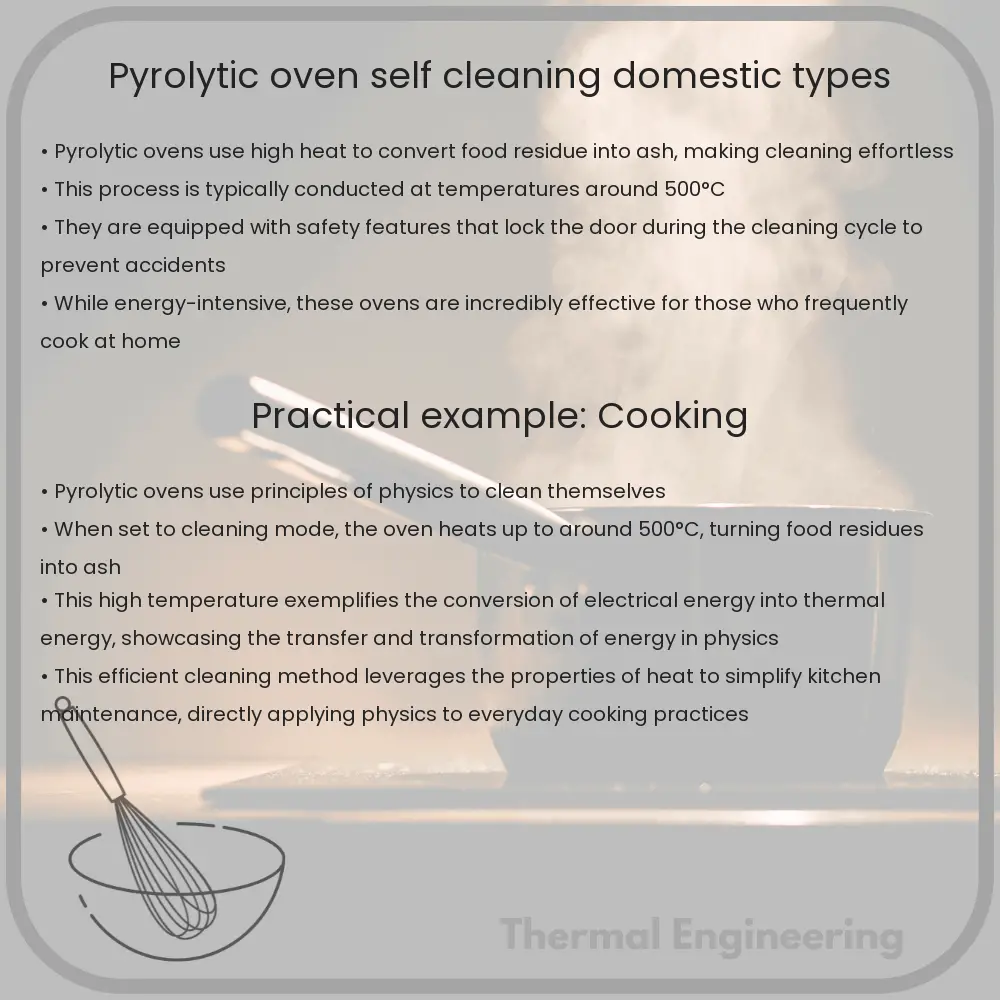
The self-cleaning feature of a pyrolytic oven is based on a process called pyrolysis. During the cleaning cycle, the oven temperature is raised to approximately 500°C (about 932°F). At this high temperature, food residues, grease, and splatters inside the oven are completely turned to ash. This process typically takes two to four hours, depending on the oven model and the amount of cleaning required.

Key stages in the pyrolytic cleaning cycle include:

  • Locking Mechanism Activation: For safety, the oven door locks automatically once the pyrolytic cleaning function is engaged. This prevents accidental burns or injuries by ensuring the door cannot be opened during the high-temperature cleaning process.
  • Temperature Increase: The oven gradually increases its temperature to the designated level, which is maintained to ensure complete pyrolysis of food residues.
  • Cooling Down: After the cleaning cycle, the oven cools down. This period also includes ventilation to expel any fumes produced during cleaning.
  • Ash Removal: Following the cooling period, the resulting ash can be easily wiped away with a damp cloth, leaving the oven clean and ready for use.

Safety Features

Safety is a critical aspect of pyrolytic ovens. In addition to automatic door locks, these ovens are equipped with insulation improvements and cooling systems designed to handle extreme temperatures without damaging kitchen cabinetry or harming users. Advanced models also feature touch-cool fronts to ensure the oven’s exterior does not become hot to the touch, thus preventing burn injuries.

Benefits of Pyrolytic Ovens

Pyrolytic ovens offer several advantages that make them a preferred choice for many homeowners:

  • Chemical-Free Cleaning: By using extreme heat to clean, pyrolytic ovens eliminate the need for chemical cleaning agents, which is beneficial for both the environment and those with allergies or sensitivities to chemicals.
  • Convenience: The self-cleaning function means that manual scrubbing is no longer necessary, saving time and effort.
  • Efficiency: These ovens are designed to be energy efficient, despite their high-temperature cleaning cycle. The insulation not only prevents heat from damaging surrounding cabinets but also helps in maintaining an energy-efficient operation during normal cooking.
  • Improved Hygiene: Regular cleaning via pyrolysis helps prevent buildup of old food residues and bacteria, contributing to a healthier cooking environment.

Considerations Before Buying a Pyrolytic Oven

While pyrolytic ovens offer numerous benefits, there are a few considerations to keep in mind before making a purchase:

  • Cost: Pyrolytic ovens tend to be more expensive than conventional ovens due to their advanced cleaning technology and additional features.
  • Energy Consumption: Although designed to be efficient, the self-cleaning cycle uses a significant amount of energy. Prospective buyers should weigh the convenience against the increased energy use during cleaning cycles.
  • Repair and Maintenance: With advanced technology comes the need for specialized servicing. It’s important to consider availability and cost of maintenance when choosing a pyrolytic oven.

In summary, pyrolytic ovens provide a high-tech solution to oven cleaning that saves time, enhances safety, and benefits the environment. As technology progresses, these appliances are likely to become even more efficient and widely adopted in kitchens around the world.

Phase Change Cooling Vest | Heat Stress Materials

Learn how Phase Change Cooling Vests use materials that absorb and release heat to combat heat stress in high-temperature environments.

Phase Change Cooling Vest | Heat Stress Materials

Understanding Phase Change Cooling Vests

Phase Change Cooling Vests are an innovative solution designed to combat heat stress in environments where temperatures can soar to potentially dangerous levels. These vests are used in a variety of fields including industrial settings, firefighting, outdoor sports, and by individuals with medical conditions that cause heat sensitivity.

How It Works

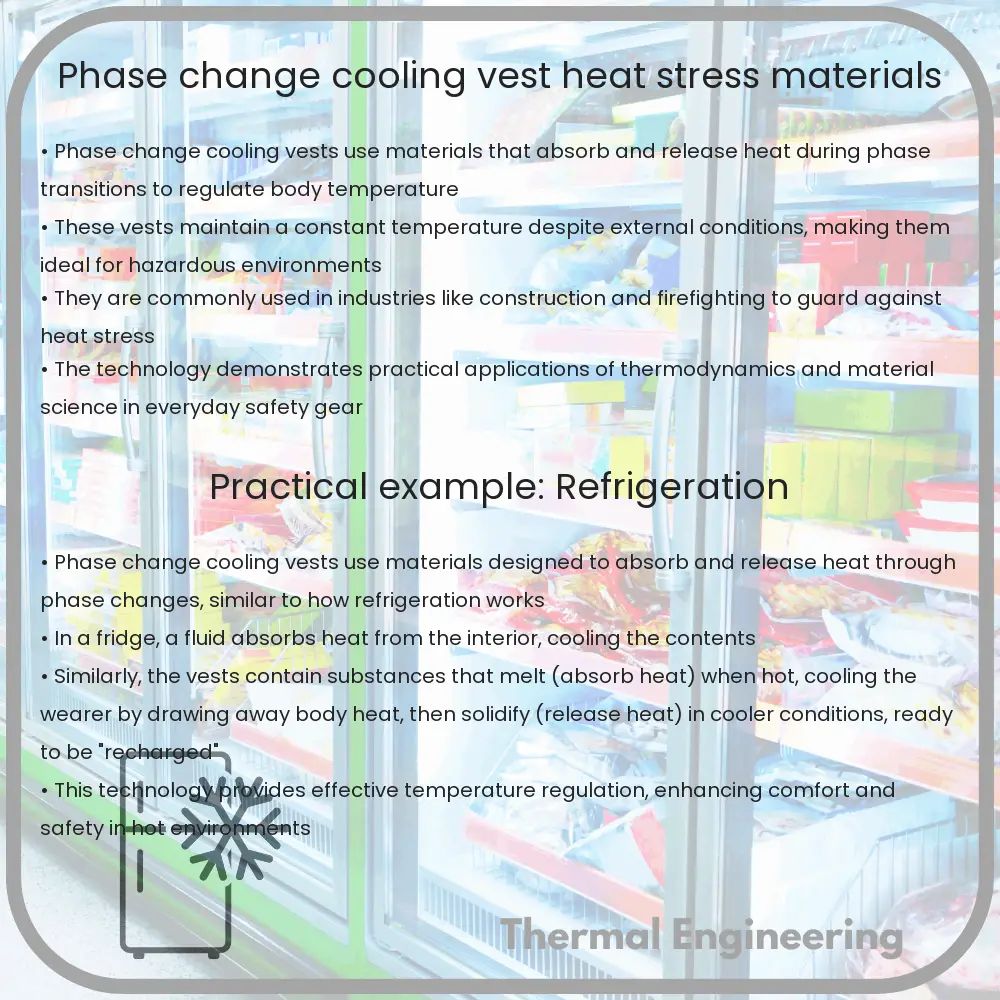
The core technology behind phase change cooling vests involves materials that absorb and release heat through phase transitions — typically from solid to liquid and back to solid. The materials used are often referred to as Phase Change Materials (PCMs). Most commonly, PCMs like paraffin waxes or certain salt hydrates are embedded in the vest, encapsulated in containers that are either placed or sewn into the vest.

At room temperature, these materials stay in a solid state, but as they absorb heat from the wearer’s body, they transition to a liquid state. This phase change absorbs a great amount of heat due to the high latent heat properties of the PCM, thus reducing the wearer’s body temperature and buffering against heat stress.

Components of a Cooling Vest

  • Outer Layer: Typically made from a durable and breathable fabric to provide comfort and allow for adequate air circulation.
  • Thermal Regulator (PCM Packs): These are the crucial elements that contain the phase change material. The packs can be pre-cooled in a refrigerator or freezer and placed into the vest when needed.
  • Insulation: To ensure the longevity of cooling effect, the PCM packs are often covered with thermal insulation that helps contain the cool temperature, maximizing the vest’s efficiency.
  • Adjustable Straps: To accommodate different body sizes and to ensure close contact with the torso for effective heat exchange.

Application and Effectiveness

Phase Change Cooling Vests are praised for their predictability and constancy in providing thermal relief. Unlike evaporative cooling vests that rely on ambient air temperature and humidity, PCMs deliver a consistent cooling effect, as they maintain a relatively constant temperature while melting. This makes them particularly effective in high-humidity environments where evaporative cooling would be less efficient.

Advantages of Phase Change Cooling Vests

  1. Stability: They provide a steady and predictable cooling effect, which is not influenced by the external temperature or humidity levels.
  2. Reusability: PCM packs can be recharged by cooling them back to a solid state, making the vests reusable and cost-effective over time.
  3. Safety: These vests are non-toxic, making them safe for continuous contact with skin and extended use.
  4. Versatility: Available in various sizes and designs, they can be used in multiple industrial, medical, and recreational settings.

Limitations and Considerations

While highly effective in many scenarios, these vests have their limitations. The duration of their cooling effect is finite, typically ranging from 2 to 4 hours, after which the PCM needs to be “recharged” by cooling it down again. Furthermore, they are relatively heavy compared to other types of cooling vests, which may not be suitable for all users or activities. Additionally, initial costs can be higher than those of simpler cooling technologies.

In conclusion, Phase Change Cooling Vests offer an effective solution for managing heat stress, providing consistent and long-lasting relief from the heat in various challenging environments. Knowing their strengths and limitations is crucial for users to maximize their benefits and make informed decisions based on specific needs and conditions.